France: Buy the Street, Not the Square Metre
City prices in France hide street-level opportunity—buy for the life you want, not the headlines, using neighbourhood data and local experts to secure value.
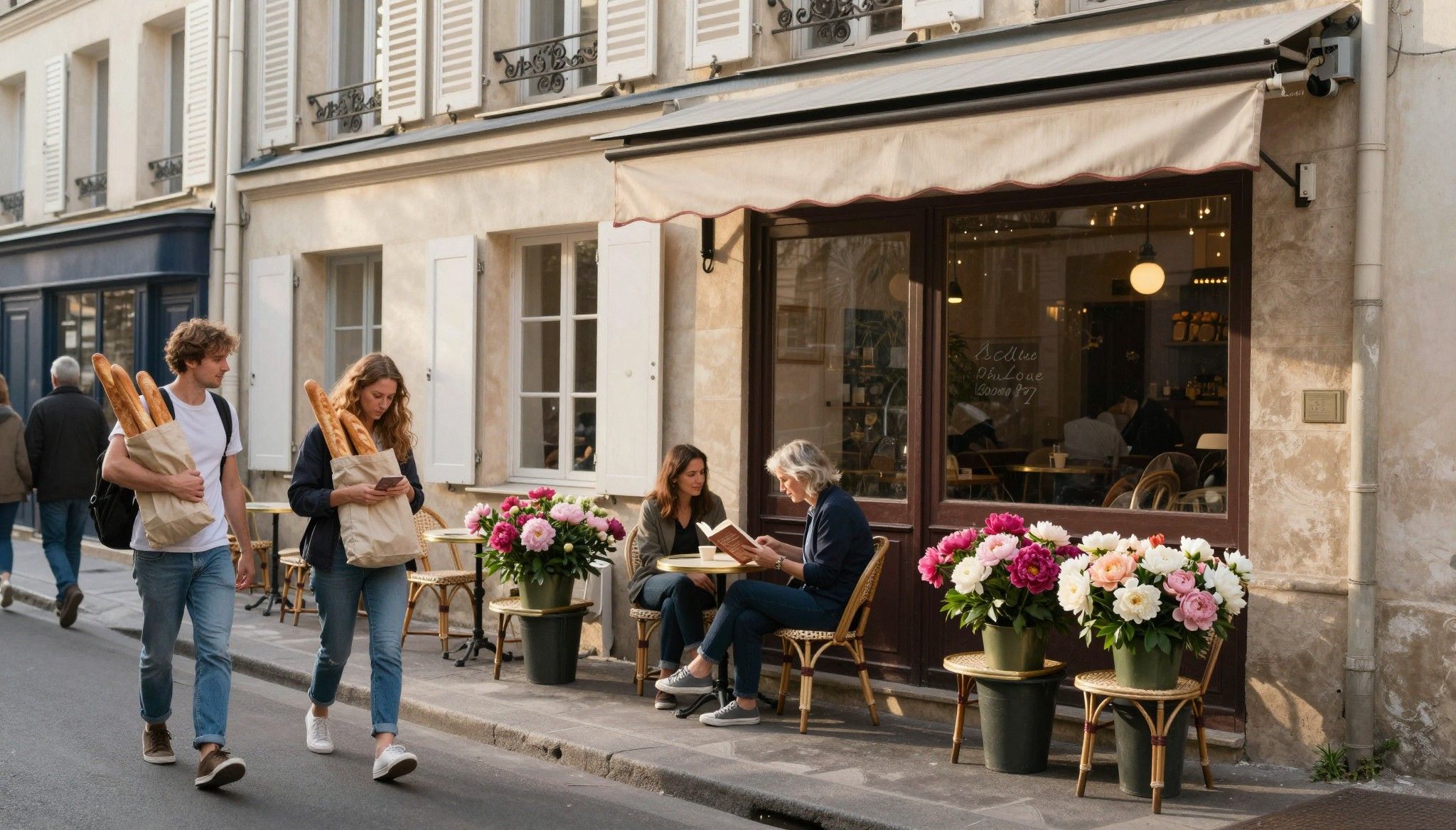
Imagine strolling from a sunlit boulangerie on Rue Cler to a quiet Parisian courtyard, then taking a train south for an evening seafood plate in Marseille’s Vieux-Port. France’s city centres offer that rhythm: dense, detailed and seasonally alive. But the headline prices—Paris headlines, Côte d’Azur postcards—mask a more useful truth for buyers: value in France is highly localised and lifestyle-driven. Understanding which streets deliver the life you want is the difference between a purchase you regret and one that becomes home.
Living the France city life: texture before ticker
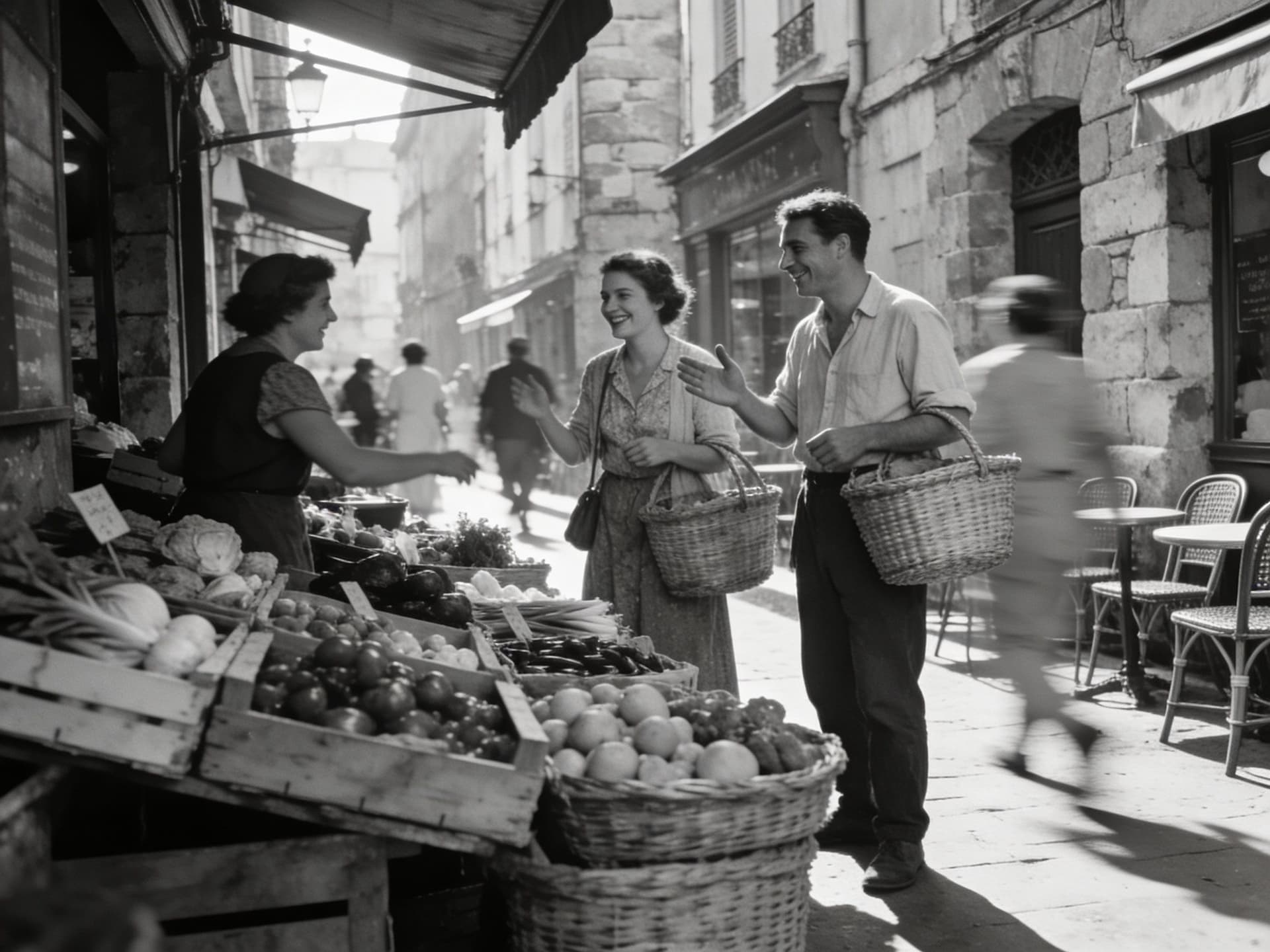
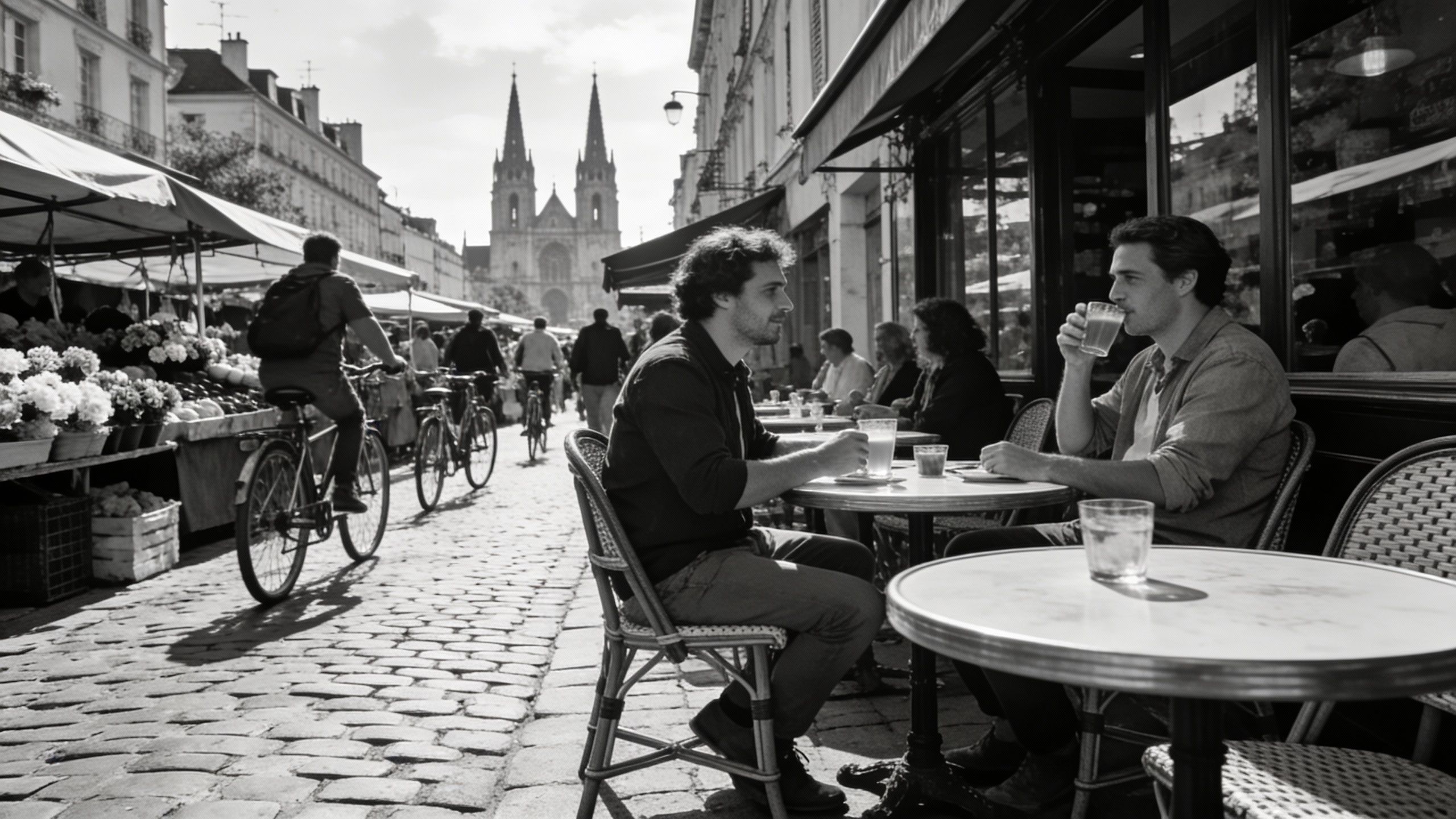
France’s urban centres are not a single experience. Paris has layers—arrondissements that feel like villages, commercial corridors and nocturnal quartiers. Lyon’s Croix-Rousse hums with local markets and bouchons; Marseille offers raw port energy and seaside neighborhoods where life spills onto terraces. When you picture life here, think in streets not cities: morning markets, late dinners, the cadence of weekly boulangeries and the neighbourhood bistros that remember your name.
Paris: living by the arrondissements, not the square metre
Paris behaves like a cluster of small towns. The 7th and 16th offer silent grandeur and embassy calm; Le Marais (3rd/4th) is narrow streets and late-night cafés; Canal Saint‑Martin (10th) is younger, quieter, and better priced for the lifestyle of canal-side walks and neighbourhood bars. For buyers, the daily variables—transport links, morning coffee spots, weekday market days—often matter more than a few hundred euros per square metre.
Provincial hubs: Lyon, Bordeaux, Nantes and Marseille
Outside Paris, city personalities vary sharply. Lyon’s Presqu’île and Croix‑Rousse deliver gastronomy and transport; Bordeaux mixes restored stone façades with a riverside social life; Marseille’s Cours Julien and Endoume are prize neighbourhoods for creative energy and sea proximity. Each city has micromarkets where demand and price diverge from the city average—this is where lifestyle-minded buyers find relative value.
- Morning market rituals at Marché d’Aligre (Paris), canal-side aperitifs at Quai de Valmy, Sunday strolls along Vieux-Port (Marseille), bouchon lunches in Vieux Lyon, and weekend vineyards near Bordeaux.
Making the move: practical considerations that preserve lifestyle
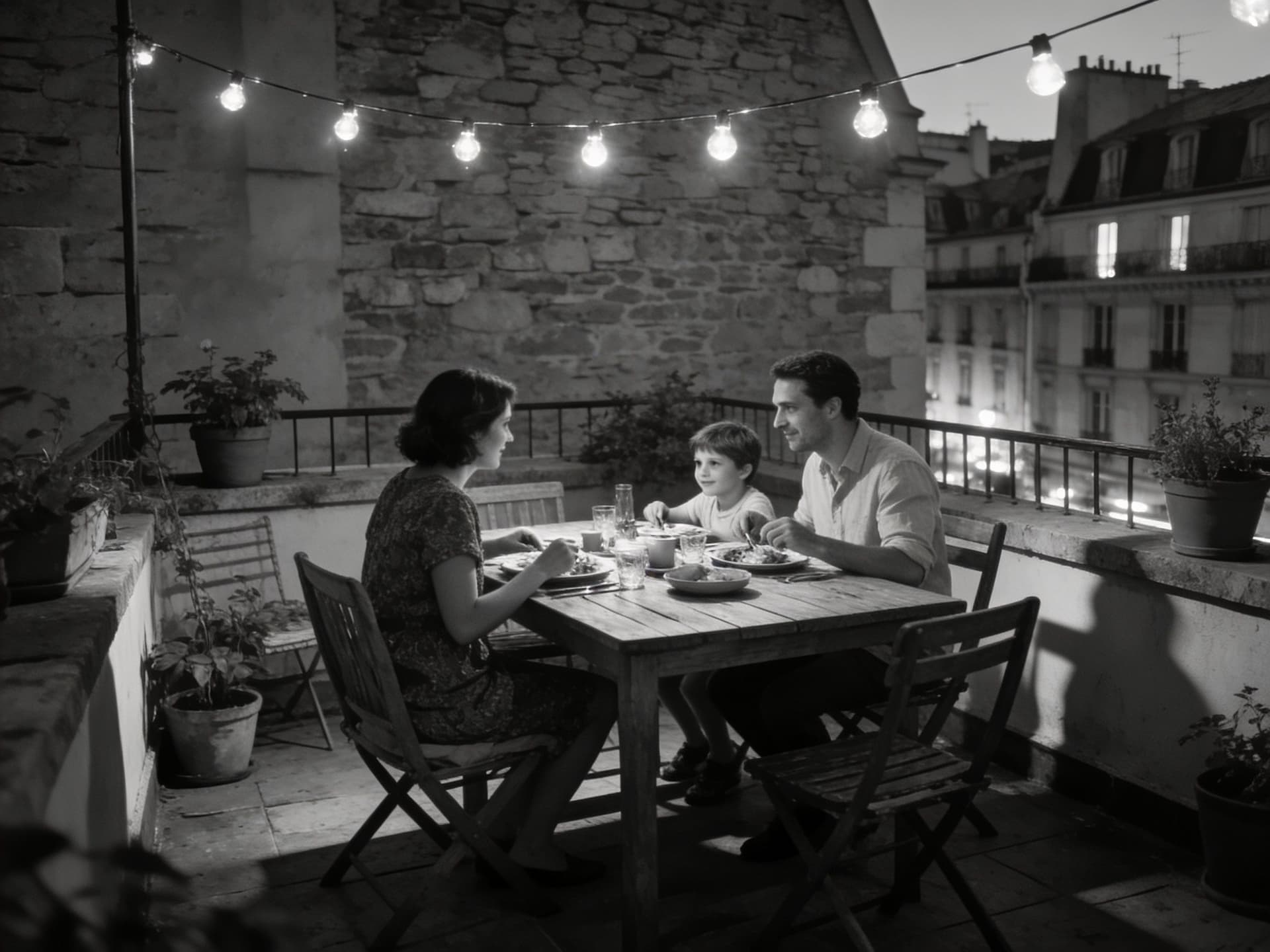
Translate lifestyle choices into purchase criteria before you enter the market. Recent notarial data shows prices rebounding unevenly across cities—Paris and some provincial hubs recovering while others stay flat. That means negotiating power exists, but it’s concentrated in specific districts where supply, DPE ratings and renovation potential align. Use the neighbourhood lifestyle as a filter rather than a post-hoc justification for price.
Property styles that match French urban living
Haussmann apartments give high ceilings, predictable layouts and central locations but often require upgrades to heating and insulation. Contemporary new-builds offer efficiency and amenities but are usually outside the oldest quartiers. Townhouses and small captalised flats (petites surfaces) can provide better rental returns in student or tourist-heavy areas. Match the building type to how you want to use the home—permanent residence, pied‑à‑terre or rental income.
Working with local experts who live the life you want
- 1. Hire a notaire and a local agency with proven arrondissement or quartier experience; they know subtle pricing signals. 2. Ask for comparable sales on the street level, not the city average—micro-data matters. 3. Insist on DPE (energy) reports and typical running costs for the building; these shape practical living. 4. Validate transport times at your commute hour and visit local markets on market day to test the rhythm. 5. If buying for income, confirm seasonal rental rules—cities like Paris and Nice have tight short‑let regulation.
Insider knowledge: what expats wish they'd known
Expats often arrive enchanted by scenes but surprised by everyday friction: the cadence of French bureaucracy, building syndic rules, and a local sense of property as family asset. The common regret is buying for image—an arrondissement’s cachet—rather than for block-level life. Those who thrive did the opposite: they bought where they wanted to live on ordinary days, not where postcards suggested they should live.
Cultural integration and practical daily life
Language helps but isn’t a blocker. A few phrases ease introductions at the bakery and at the syndic. Local clubs—petanque courts, neighbourhood markets, volunteer associations—are where community forms. Expect social norms: a slower business pace in August, closed shops on Sunday in many cities, and a respect for building quiet hours. These rhythms determine how your property feels year-round.
Long-term lifestyle and value: the DPE and renovation premium
National focus on energy performance makes DPE a decisive factor for future resale and running costs. Buyers who budget for insulation, double glazing and efficient heating tend to protect both lifestyle comfort and asset value. In practice, that means accepting a higher upfront renovation cost in exchange for lower running costs and stronger resale prospects in city markets where energy ratings now influence buyer pools.
- Ask for recent DPE certificates; prioritise south-facing living rooms for light; verify building syndic reserve funds; check train times for your weekday commute; sample the market on a weekday and weekend.
France’s urban markets reward buyers who prioritise lived experience over headline metrics. Start with the life you want—street cafés, short commutes, local markets—then map that onto neighbourhood micro-data. Use local agencies and notaires who can evidence prices at the street level and who understand the regulatory quirks of short lets, energy ratings and building syndics. Visit in different seasons; test daily routines; and budget for targeted upgrades that lock in both comfort and resale value.
Next steps: compile a short list of preferred streets, commission an energy audit on shortlisted units, and ask agencies for three comparable sales on the same block from the last 12 months. If you’d like, we can introduce vetted agents who specialise at the street level in Paris, Lyon and Marseille.
Danish investment specialist who relocated to Costa del Sol in 2015. Focuses on data-driven market timing and long-term value for Danish buyers.