France's Urban Hubs: Street‑Level Trade‑Offs
France’s cities offer vivid daily rituals and uneven market pockets; use street‑level data and local agency expertise to match lifestyle to sound purchases.
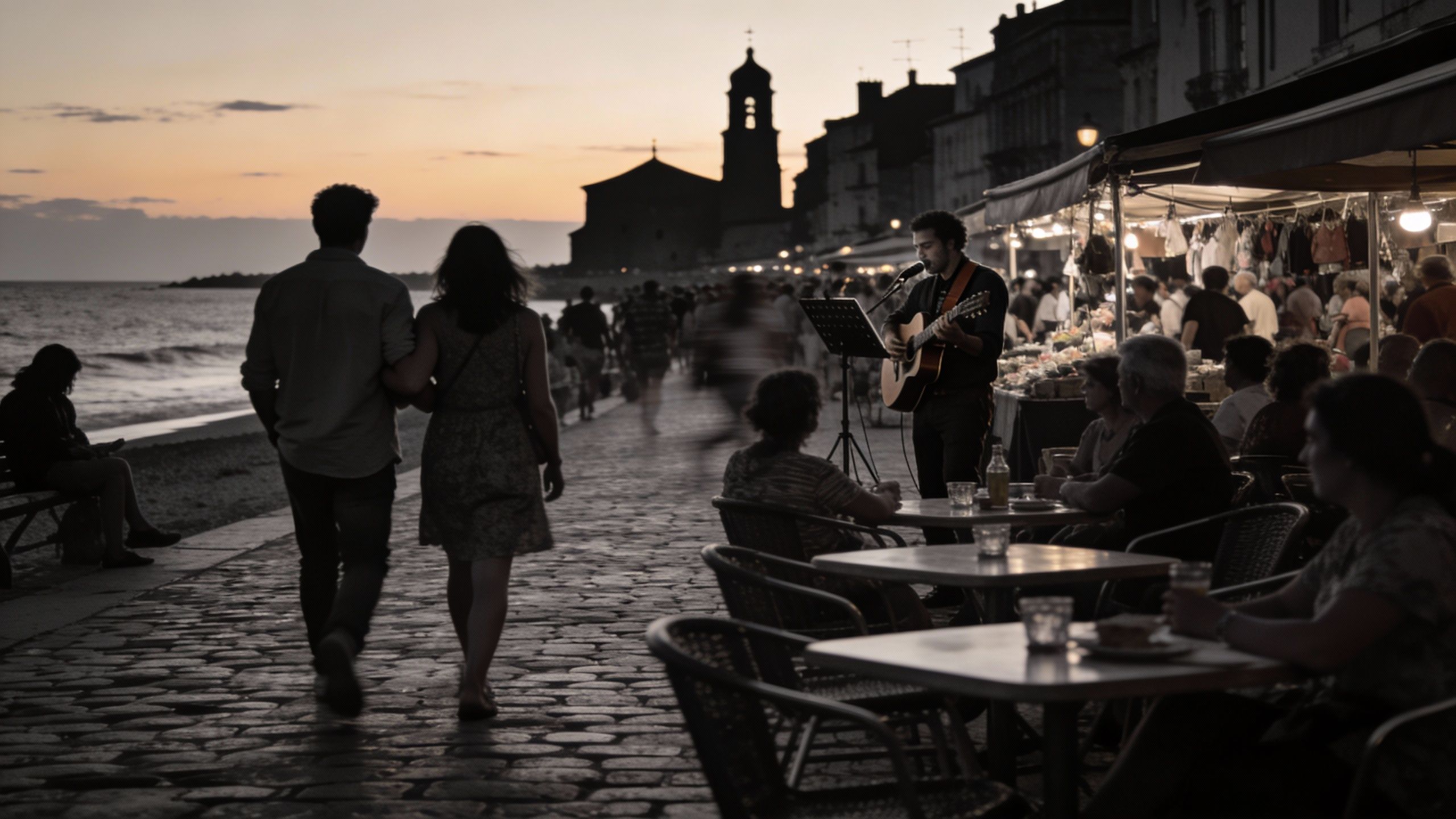
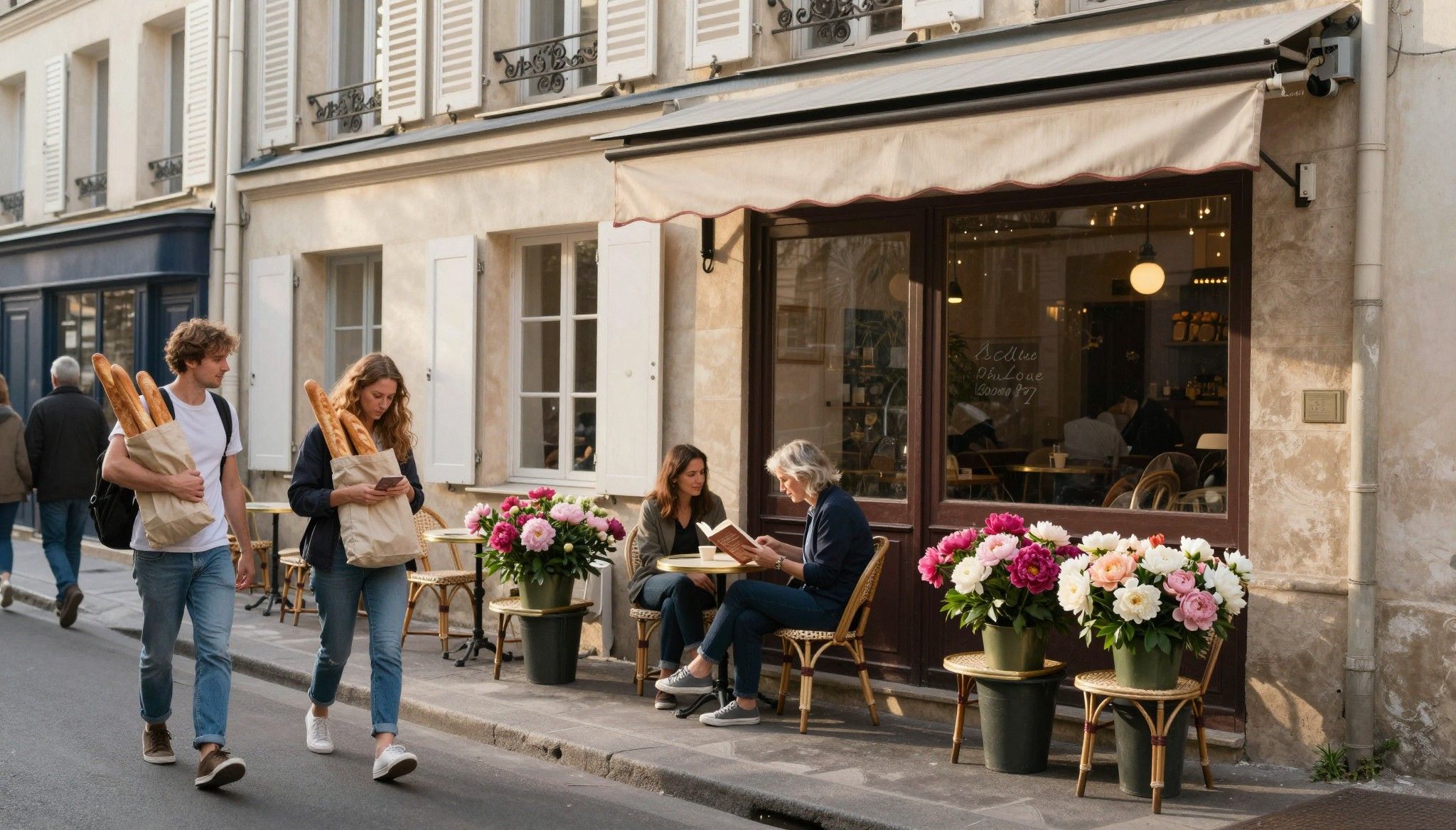
Imagine stepping out at 9am to a Parisian boulangerie on Rue de la Roquette, or watching fishermen mend nets at dusk along Nice’s Quai des Etats‑Unis. France’s urban centres move in rhythms: espresso, market banter, a late dinner, abrupt seasonal shifts. For buyers from abroad, the romance is immediate — but the practical picture is layered, local and sometimes counter‑intuitive.
Living the French Urban Life
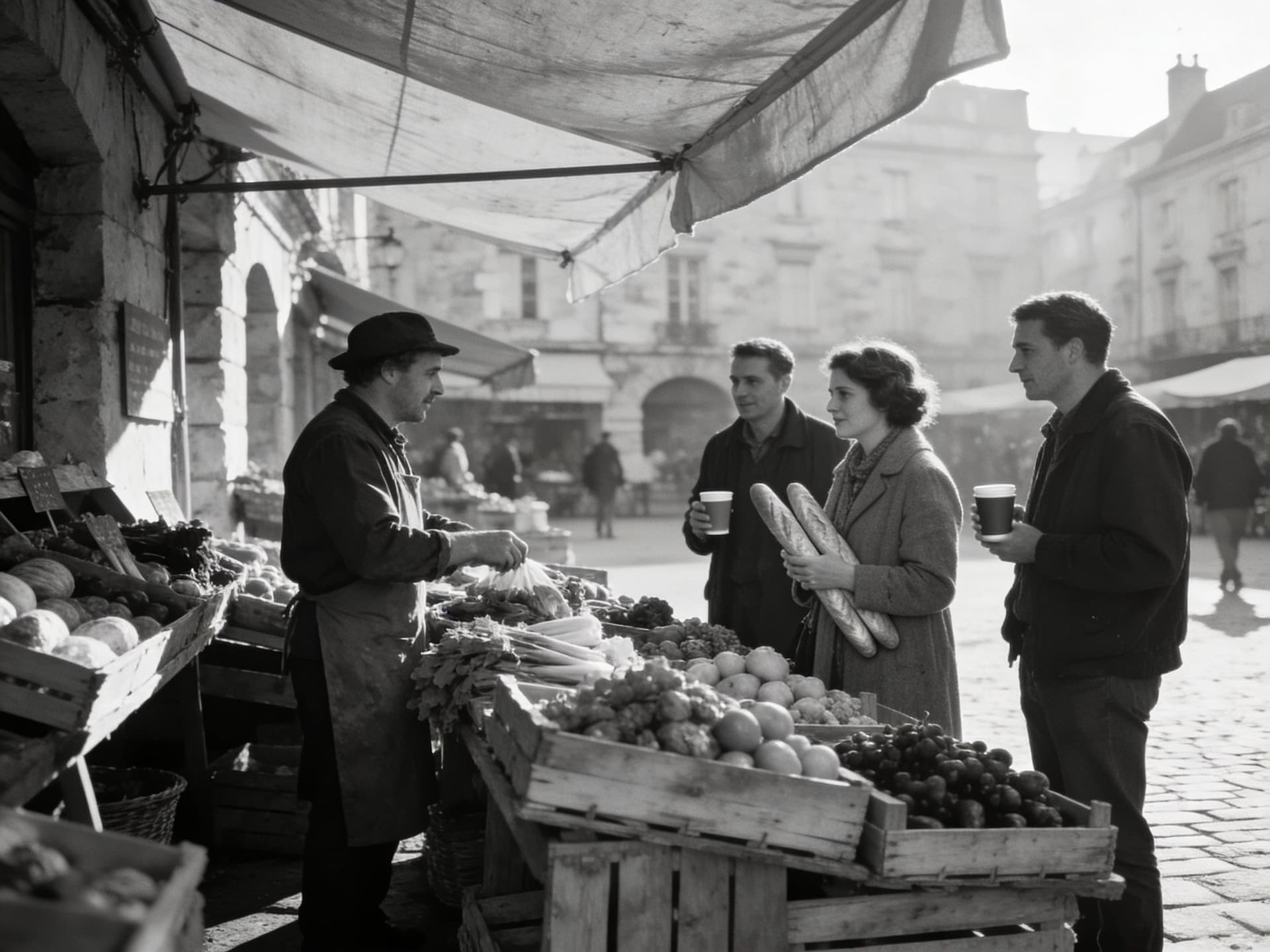
City living in France is an orchestration of neighbourhood rituals and seasonal shifts. Parisian mornings smell of butter and coffee; Barcelona‑sized crowds don’t exist here, but Marseille wakes differently — markets at dawn, terraces late at night. Recent official data show prices stabilising then nudging back up in early 2025, but the pattern differs sharply between Paris, regional cities and coastal hubs.
Paris: pockets, not a uniform premium
Paris isn’t a single market. The 6th or 7th arrondissement feels different to the 19th. Luxury sales make headlines, but price momentum in 2025 was uneven: core central arrondissements hold value, while some outer neighbourhoods have softer dynamics. Expect intense competition for affordable interiors with proximity to parks and good metro links.
Provincial cities: surprises and opportunities
Cities such as Rennes, Grenoble and Reims saw double‑digit growth over ten years; others like Lyon or Bordeaux recorded recent softening. For lifestyle buyers this means you can buy into authentic urban life — lively markets, small‑scale cultural scenes and cafés full of locals — without the Paris price tag, but you must be selective by street, not city.
- Lifestyle highlights to look for
- Morning markets: Marché d’Aligre (Paris), Cours Saleya (Nice) — daily food culture and social life
- Cafe rows: Rue des Rosiers (Le Marais), Rue de la République (Lyon) — living rooms of the neighbourhood
- Waterfront promenades: Vieux‑Port (Marseille), Promenade des Anglais (Nice) — weekend rituals and property premiums
Making the Move: Practical Considerations

Romance meets paperwork. The good news: France’s data sources are transparent and active — you can trace price indices and notary records. The reality: local quirks change the equation. Renovation permissions, thermal regulations (RT/RE standards for new builds), and condominium rules shape both monthly life and resale prospects.
Property types and how they translate to living
Haussmannian flats offer high ceilings and central addresses but typically come with higher co‑propriété charges and strict renovation rules. Town apartments in provincial centres trade historic fabric for lower maintenance. New builds give thermal efficiency and simpler warranties, but often sit on the edges of city centres — closer to car travel than café life.
How local experts turn lifestyle into a shortlist
A local agency’s value is selecting streets that fit your daily rhythm: a short walk to a market, a reliable metro line, quiet evenings. They also flag unseen costs — co‑ownership reserves, upcoming municipal projects, and practicalities around parking or storage that change everyday life more than glamorous views.
- Steps to convert lifestyle preference into a property shortlist
- Define daily rituals (market, commute, school) and map them to neighbourhoods; visit at different times of day.
- Ask agents for street‑level comparables, not city averages; check recent notary sales for exact m² pricing.
- Prioritise buildings with clear co‑ownership accounts and a recent syndic audit to avoid surprise charges.
- Budget for renovation contingencies and energy upgrades — thermal work is increasingly required and affects resale.
Insider Knowledge: What Expats Wish They'd Known
Expats often expect instant integration. In reality, local routines — market vendors, syndic meetings, municipal recycling rules — define acceptance. Language matters less in restaurants than in legal steps. The buyers who settle fastest are the ones who let neighbourhood life shape expectations, not the other way around.
Cultural cues that affect where you buy
In many towns, Saturday breakfast at a single café builds local ties. In Paris, a small grocery on your block is a social anchor. Choose a street where you can imagine routine tasks — post, wine shop, market — happening naturally. Those micro‑habits determine whether a house becomes a home.
Seasonal reality check
France’s market shows subtle seasonality. Coastal cities swell in summer, shifting rental demand and short‑term letting economics. Inland, winter changes neighbourhood life — markets thin out, heating costs matter. Recent official data show prices stabilising then nudging up in early 2025, so timing your search around lifestyle visits often beats purely seasonal bargain hunting.
- Red flags locals mention
- Syndic with outdated accounts; large imminent co‑propriété works; unclear property boundaries in rural townhouses; properties advertised “furnished” without inventories.
- Municipal plans (tram lines, pedestrianisation) that change traffic and amenity access — always check local mairie announcements.
A pragmatic checklist before making an offer
- Confirm recent notary sales on the street; compare effective m² price against official indices.
- Request syndic minutes and charges for three years; ask about announced works and reserves.
- Factor in energy performance upgrades and obtain firm contractor quotes if the building lacks recent thermal work.
France’s urban markets let you buy into a way of life. But the best purchases are little acts of local translation: matching your daily rituals to a street, knowing which building rules will shape your mornings, and using data (not headlines) to test the romance against reality. Start with short walks at different times of day, obtain street‑level comparables, and ask for syndic documents — those steps turn aspiration into a sound buy.
If you want help turning neighbourhood curiosity into an offer, a local agency with street knowledge, not just city listings, will save you time and risk. They guide visits, verify documentation, and translate lifestyle signals into contract terms — the practical work that protects the life you want to build here.
British expat who relocated to Marbella in 2012. Specializes in rigorous due diligence and cross-border investment strategies for UK and international buyers.