Street‑Level Greece: Life, Value and New Rules
Street‑level Greece: how neighbourhood tempo, seasonal life and 2024–25 residency rules change where international buyers should look.
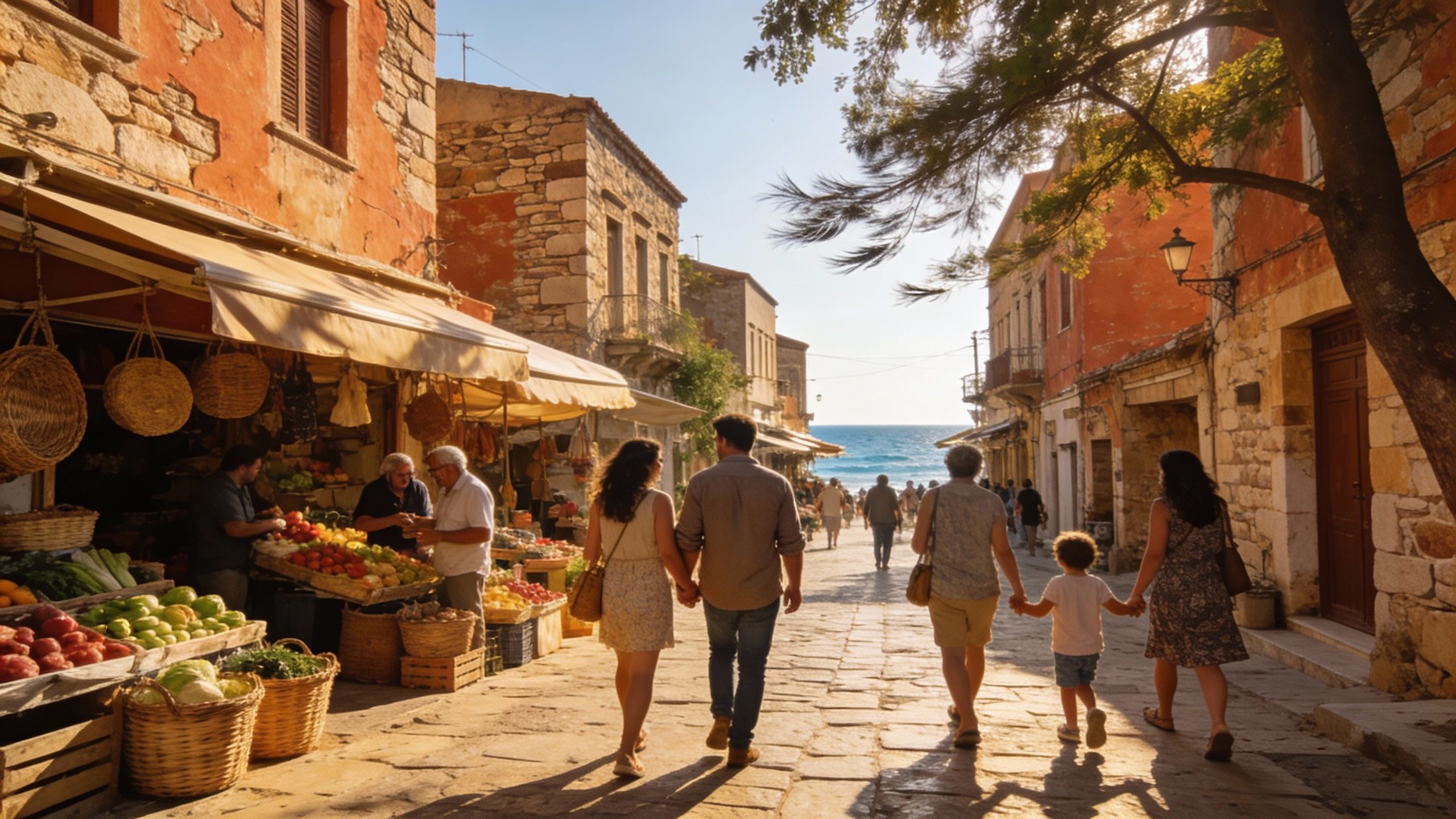
Imagine stepping out at dawn for a pistachio‑green freddo espresso in Koukaki, then wandering cobbled lanes where crumbling neoclassical facades meet fresh bakeries. Greece lives in moments: slow breakfasts, sea breezes off the Aegean, vibrant municipal markets and late dinners that run until midnight. For international buyers this sensory life is the lure — but lifestyle and legal shifts intersect here in ways that matter. Read on for street‑level streetscenes, realistic property trade‑offs, and the new investment rules reshaping where it pays to buy.
Living the Greek Urban Life
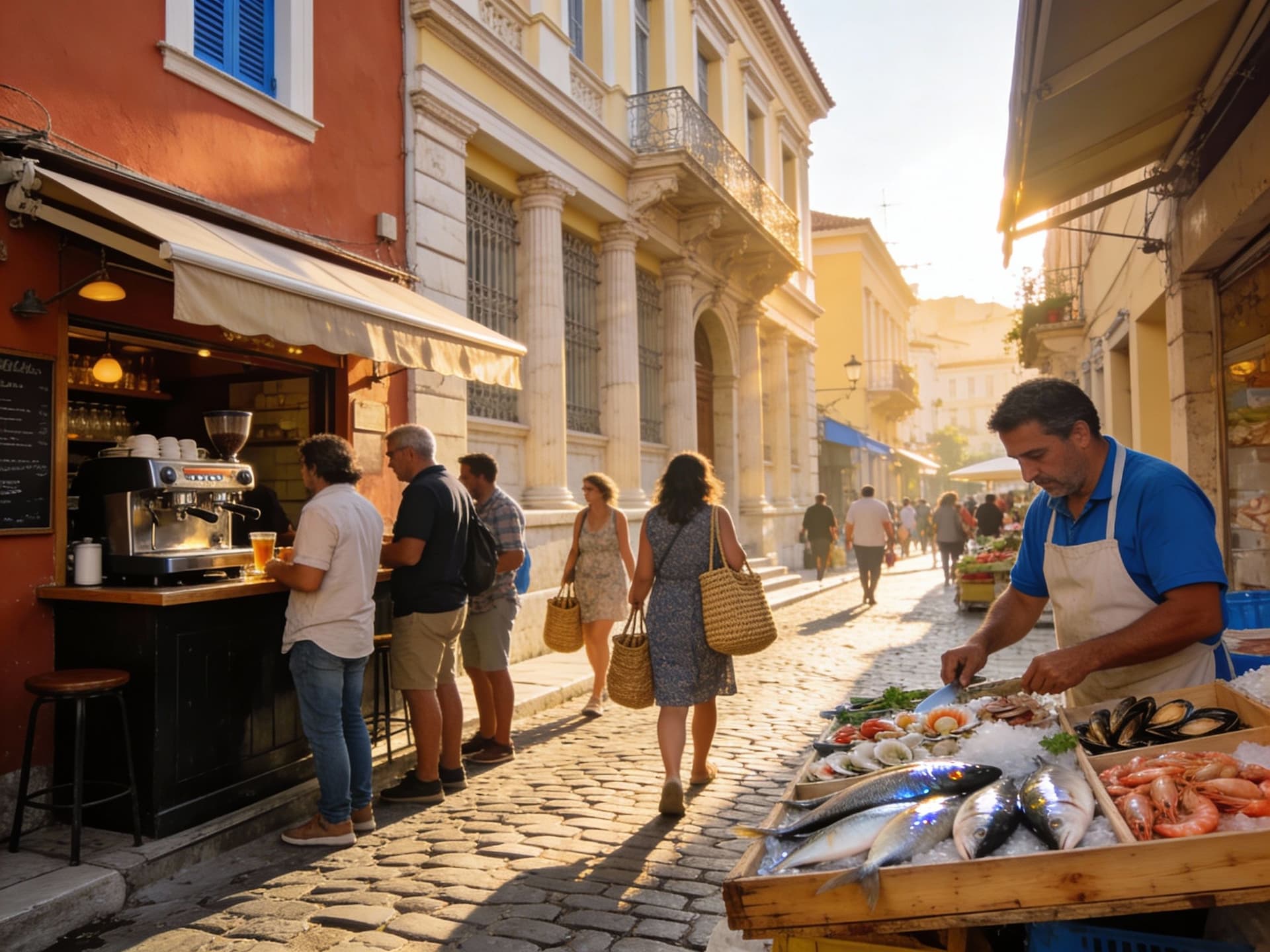
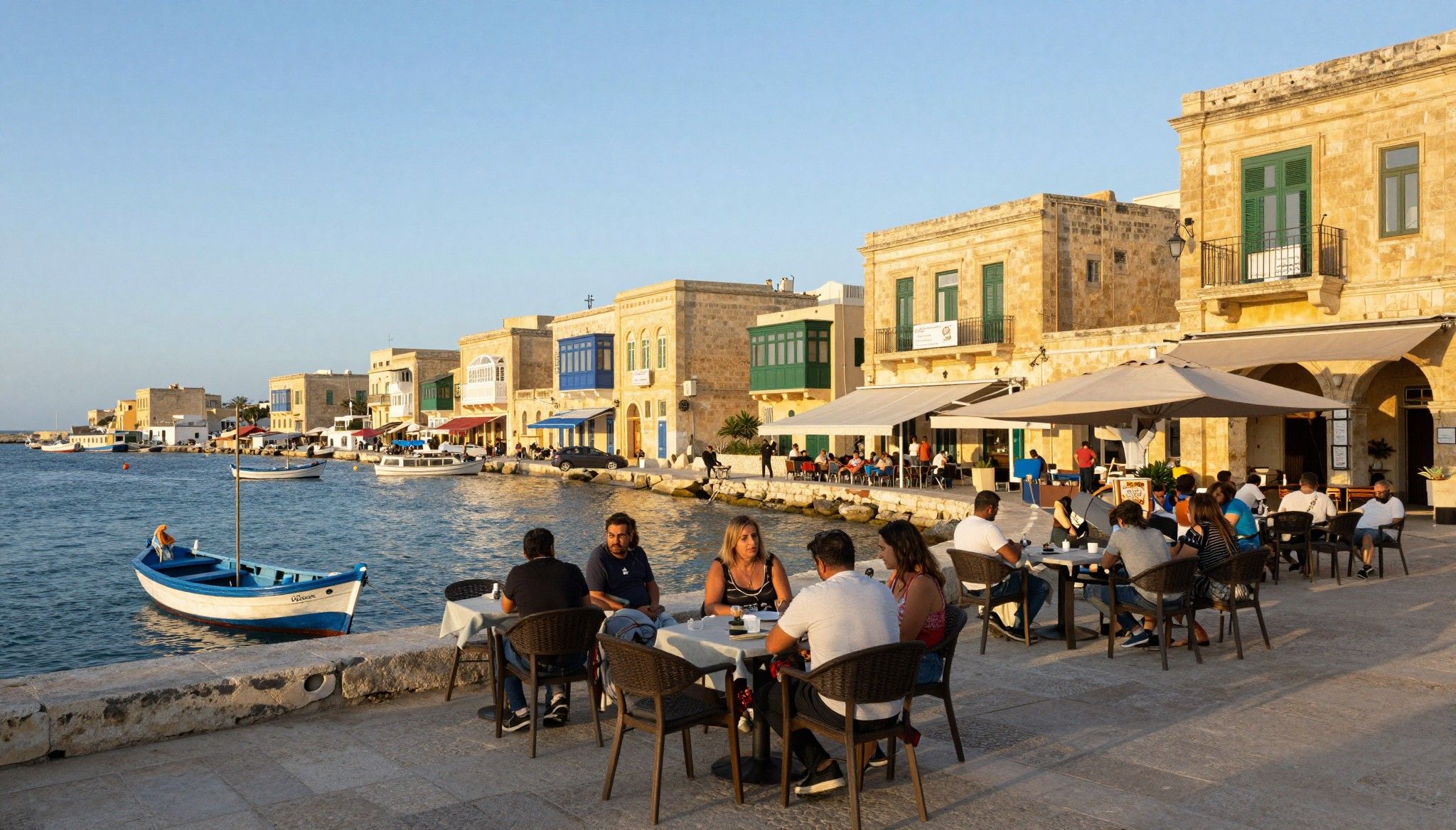
Living in an urban Greek centre means mixing old and new. Athens has pockets that feel village‑small — Anafiotika and Koukaki — alongside wider avenues like Patission where bakeries and barber shops hum. Thessaloniki offers a sea‑front promenade where evening promenades and seafood tavernas set the rhythm. Daily life here is acoustic: church bells, market vendors, scooters, and the persistent soundtrack of neighbourly conversation. These textures influence property types, from compact renovated flats to light‑filled maisonettes with terraces.
Athens — Streets that feel lived in
Walk from Monastiraki’s flea market toward Koukaki and you’ll see why buyers prize these streets: small cafes, craft workshops, and short walks to the Acropolis. For many internationals, Koukaki and Metaxourgeio offer the best of both worlds — intimacy and quick access to cultural life. Expect compact apartments (50–80 m2) that trade floor area for roof terraces and light. That trade matters: you buy not just square metres but a front‑row seat to street life.
Thessaloniki & Secondary Hubs — Coastline and culture
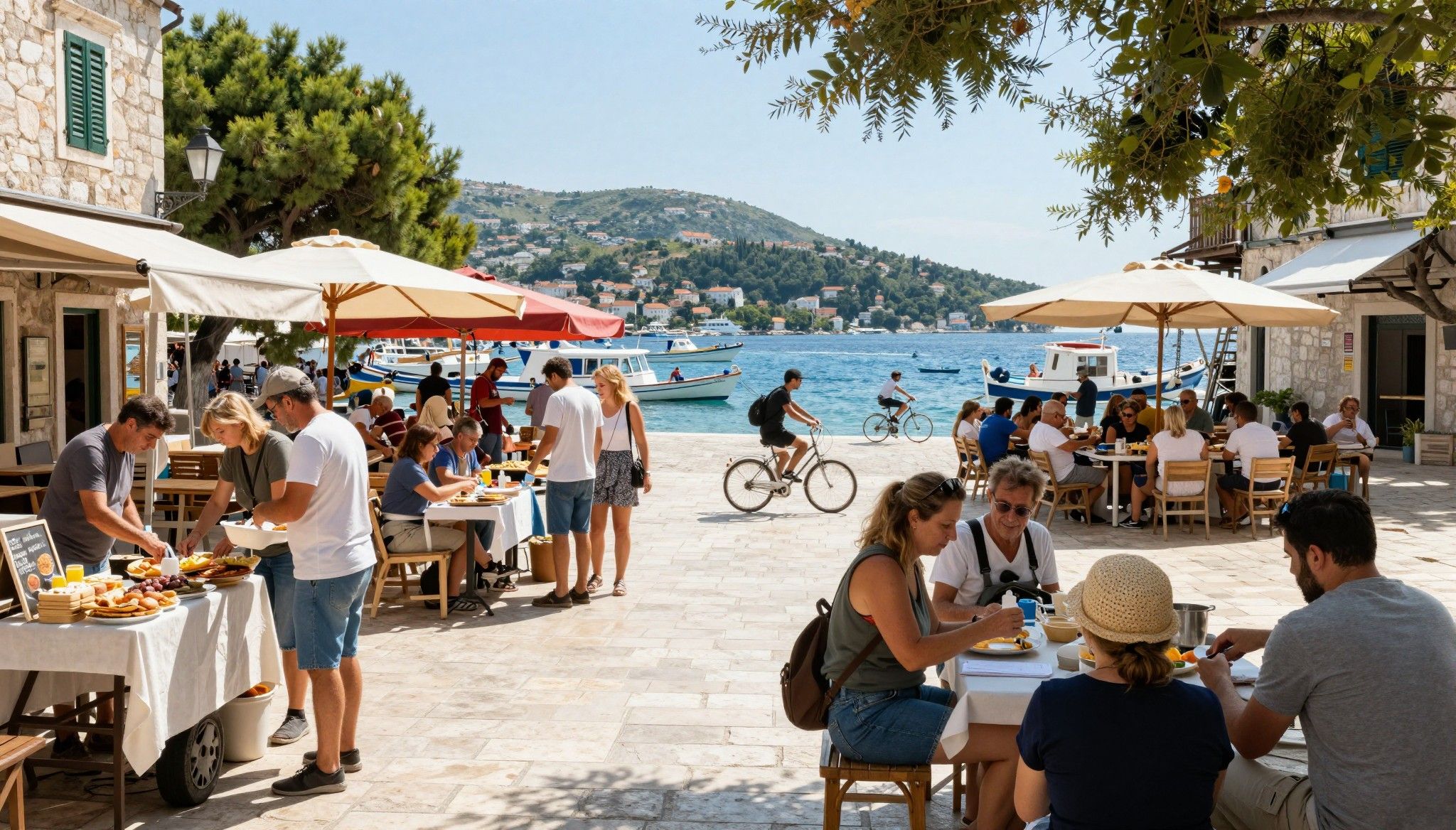
Thessaloniki’s waterfront cafés and the labyrinthine Ano Poli create a different tempo — sea air, active student life and seasonal festivals. Secondary urban hubs such as Heraklion or Patras give you shorter commutes, lower per‑m2 prices and stronger family rhythms. These cities keep festivals, university calendars and port activity as core lifestyle drivers — useful when considering rental demand or weekend routines. For buyers, that means matching neighbourhood tempo with intended use: full‑time living, seasonal stays, or rental income.
- Morning rituals, neighbourhood scenes and hidden gems
- Espresso culture: Freddo espresso at Taf coffee shops in Koukaki and small bakeries in Exarchia.
- Markets: Varvakios Market (Athens) for fresh produce and local interaction; Modiano Market in Thessaloniki for seafood and spices.
- Beaches & short escapes: Glyfada and Vouliagmeni for quick Athenian escapes; Halkidiki for weekend coastline life from Thessaloniki.
Making the Move: Practical Considerations

The romance of neighborhood life meets hard rules at contract stage. Recent changes to residency investment thresholds have re‑shaped demand and where international buyers focus. From March 2024 the Greek system introduced higher thresholds in sought‑after zones — a fact that directly alters price segments and buyer competition. That regulatory context matters in two ways: it changes which neighbourhoods attract foreign capital, and it affects negotiation leverage on properties below the visa threshold.
Property types and how they shape daily life
Choose a renovated flat in Koukaki for immediate lifestyle access, or a 1970s block apartment in Psychiko for more space and green streets — the difference is both practical and social. Older city apartments often need seismic and insulation upgrades; factor renovation timelines and local permits into your offer. Terraces and AC systems determine summer comfort; proximity to municipal parking affects day‑to‑day logistics. In short: match physical features to routines — morning market runs, evening promenades, or weekend island hops.
How local experts turn lifestyle into a shortlist
Work with an agency that knows both the street and the statute. 1) Ask for recent comparable sales (not just listed prices) to see realised values. 2) Request time‑on‑market data for the specific street or block. 3) Confirm renovation permit histories and seismic retrofitting records. 4) Insist on a neighbourhood walkthrough with a local who can point out noise patterns, market days and parking quirks. Agencies that provide these micro insights save months of guesswork.
Insider Knowledge: What Expats Wish They'd Known
Expats often underestimate seasonality and neighbour culture. Summer feels like a different country — streets fill with tourists and short‑lets, and noise increases. Conversely, winter reveals who truly lives in the neighbourhood. Many buyers are surprised by the slow bureaucratic tempo too; permit processes can take months. The practical upshot? Visit across seasons, and plan for the unglamorous parts of settling in: local utilities, waste collection schedules, and neighbour relations.
Cultural integration and day-to-day social cues
Speaking some Greek opens doors — not just administratively but socially. Neighbours expect informal greetings, and building committees can shape maintenance decisions. Join local markets, volunteer at community festivals, and frequent the same cafe to become known. For families, local schools and sports clubs are gateways to authentic community life. These choices affect where you buy: areas with active civic life tend to maintain value and quality of life over time.
Long‑term considerations: value beyond the postcard
Urban Greek properties tend to reward patience. Streets with active ground‑floor life, steady local demand and proximity to transport hold value better than purely tourist streets. Expect capital appreciation to vary by micro‑location and regulatory shifts such as the 2024 visa thresholds. For buyers focused on lifestyle, prioritise liveability over short‑term rental yield. For investors, pick streets with year‑round demand — near universities, hospitals or transport hubs — rather than seasonal hotspots.
- Red flags and quick checks
- No clear title history or unresolved inheritance claims.
- Absence of seismic upgrade paperwork on older buildings.
- Properties heavily marketed to short‑lets on the same street — seasonal noise and regulatory risk.
If you’re ready to act, a prudent short process: 1) Visit across two seasons; 2) Commission a local due‑diligence pack including title extract and building registry (BMA/κτηματολόγιο) checks; 3) Get a renovation / structural quote; 4) Make an offer conditioned on clean title and a practical handover timeline.
Conclusion: Greece as a lived choice, not a postcard purchase. The daily pleasures — market mornings, sea‑side promenades, neighbourhood cafes — are real and accessible, but they sit beside legal thresholds and seasonal rhythms that shape value. Start with a lived itinerary: spend mornings in the neighbourhood you’re considering, speak to neighbours, and bring a shortlist of practical questions to agents. With local experts who know streets as well as statutes, you can translate the life you imagine into a durable property decision.
Danish investment specialist who relocated to Costa del Sol in 2015. Focuses on data-driven market timing and long-term value for Danish buyers.