Italy: City Life, Piazzas and Practical Buying Steps
Forget clichés: Italy’s lifestyle—markets, piazzas, coastal rhythms—should choose your neighbourhood. Use demographic and market data to match dreams to practical steps before you buy.
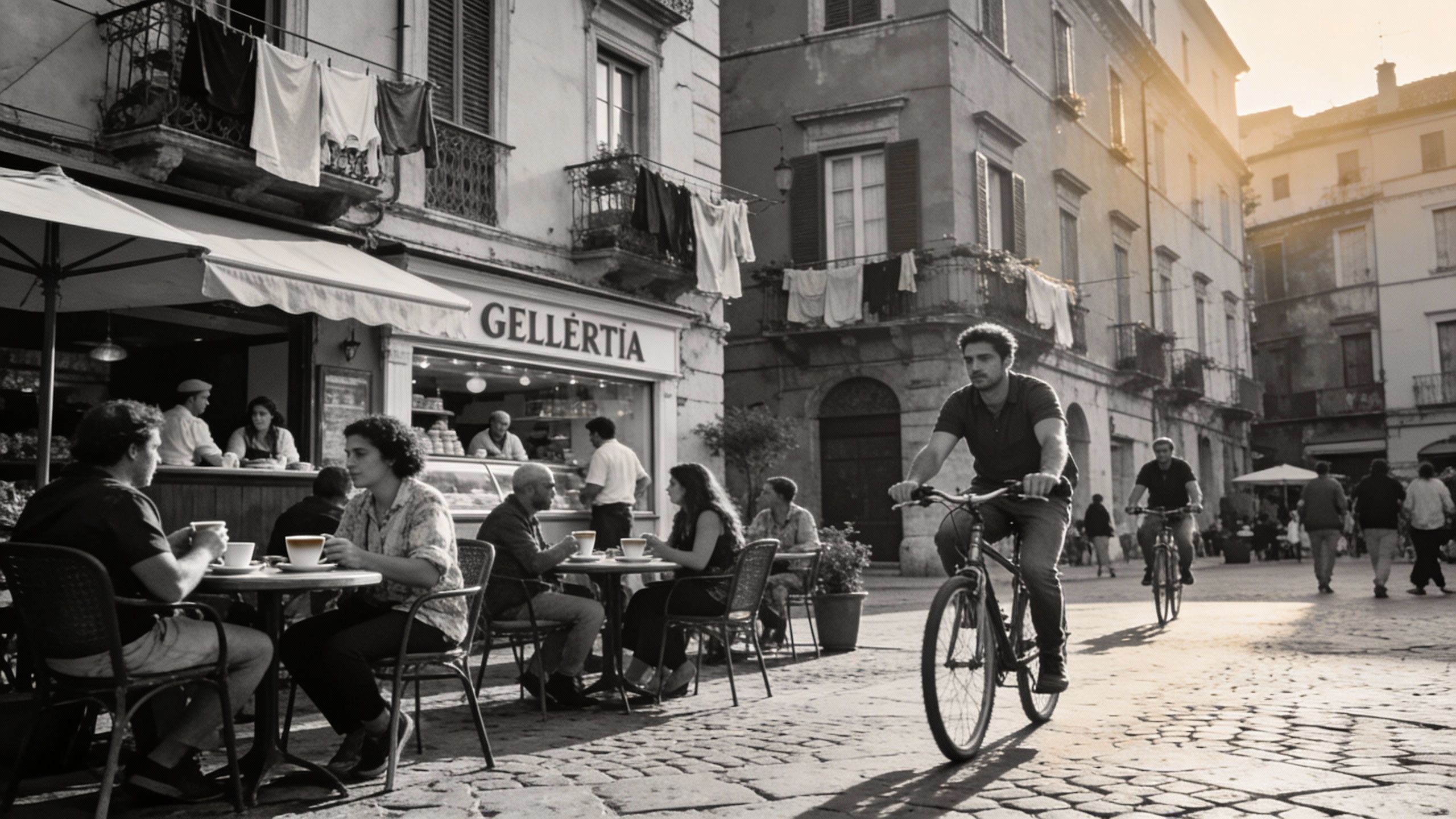
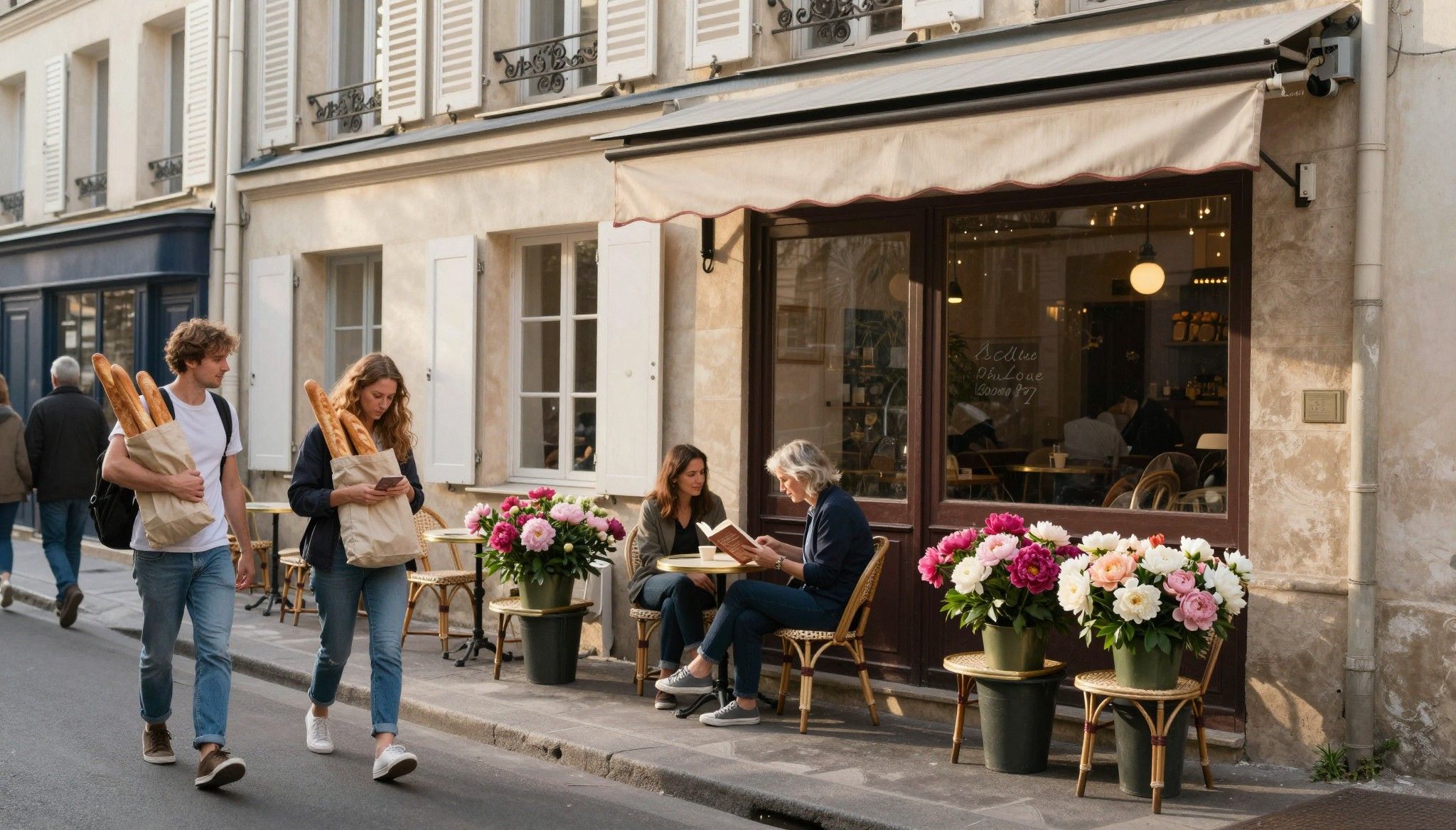
Imagine stepping out at 9am to buy bread on Via dei Coronari, then lingering over an espresso while cobblestones warm in the sun. Italy moves in rhythms you soon adopt: late lunches, market mornings, aperitivo that stretches into conversation. We start here because the way people live in Italy—its streets, cafes and rhythms—should shape where you buy, not the floorplan alone.
Living the Italy lifestyle: city life, piazzas and the sea

City-centres pulse differently from coastlines and hill towns. Picture Naples' tight alleys and pizzerias on Via dei Tribunali, Milan's morning rush past Corso Como, or Genoa's gritty port life that ends at a café with sea views. Your daily life—how you work, where you socialise, whether you want a beach at weekend—changes the neighbourhood that will feel like home.
Rome: Trastevere vs. Prati — two very different naps of the city
Trastevere is for cobblestones, late-night trattorie and community life; Prati leans quieter, with wide avenues and proximity to courts and embassies. If you want aperitivo on a weekly rotation and market mornings, Trastevere delivers. If you need orderly streets, international schools and a calmer commute, Prati is the practical choice.
Coastal pulse: Liguria and Puglia — beach life, but different beats
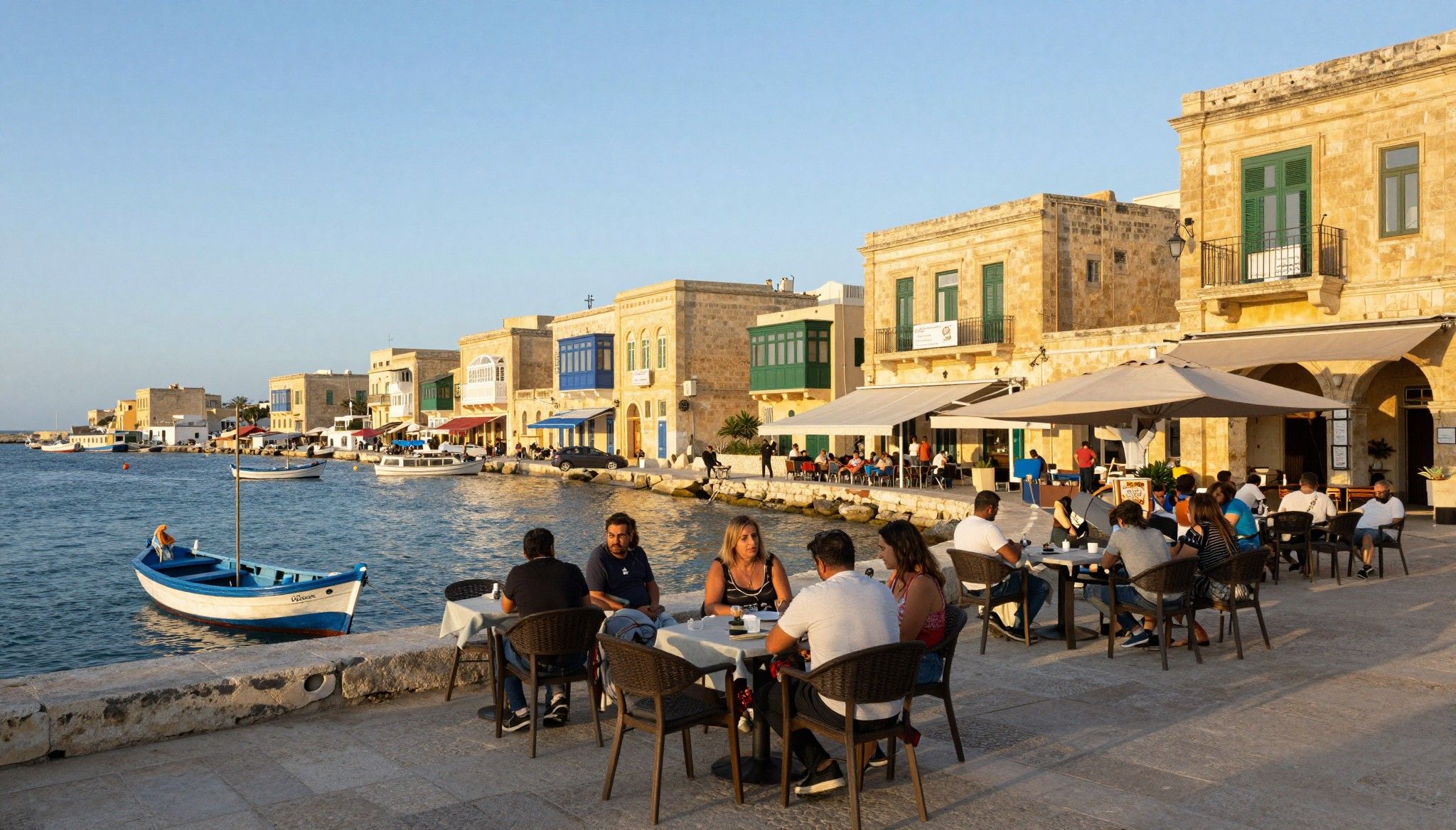
The Ligurian Riviera (Camogli, Nervi) is about dramatic views and short commutes to Genoa; Puglia’s Polignano a Mare is slower, with whitewashed alleys and a strong food scene. Both offer seaside living, but Liguria feels compact and urban-adjacent while Puglia rewards you with larger plots and slower days.
- Morning coffee on a small square in Trastevere
- Weekend market at Mercato Centrale, Florence
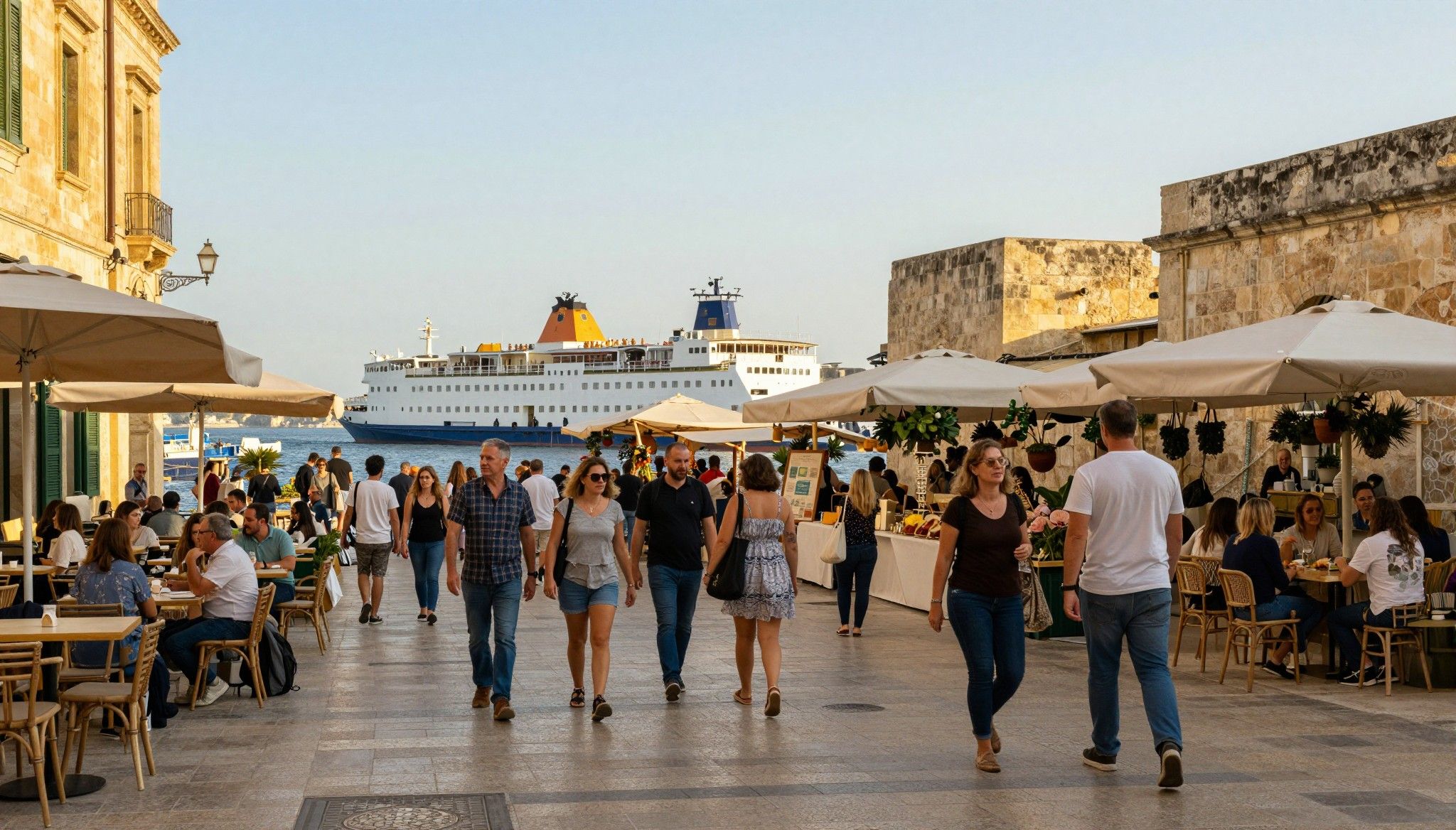
- Sunset stroll along Genoa’s harbourfront
Making the move: lifestyle-led practicals

You want the mornings, the markets and the sea. You also need clear steps to get there. Start by matching daily routines to property type: small historic flat for walking life, villa on the outskirts if you want garden dinners and longer commutes. Practical realities—permits, cadastral records, energy certification—are local facts that shape lifestyle outcomes.
Property styles and how they affect living
A 17th‑century apartment in Florence gives you windows onto life but usually needs careful renovation and higher energy upgrades. A modern Milanese apartment near Porta Nuova gives excellent insulation and coworking access but less character. Choose room layout and building type to match how you’ll actually use the space—entertaining, remote work, multigenerational stays.
Working with local experts who know the life you want
- Interview agencies about neighbourhood life, not just listings. Ask about peak noise times, market days, local associations and who else buys there.
- Request recent utility bills and energy class (APE) to understand running costs and renovation scope.
- Visit at different times (weekday morning, Saturday market, late evening) to sense true daily life.
- Confirm local planning constraints with a notary or architect—historic centres often limit exterior changes.
Insider knowledge: what expats wish they'd known
Two often-missed realities: Italy is ageing fast and many young Italians are leaving for work. That shapes rental markets, available workforce for renovations, and long-term local services. Use demographic data to judge long-term demand in smaller towns versus cities where foreign residents are concentrated.
Language, community and how to belong
Basic Italian opens doors—markets, local councils, builders. Yet many neighbours in big cities speak English; smaller towns reward effort with invitations. For a quicker social life, look at communities around international schools in Rome’s Parioli, Milan’s CityLife, or historic expat hubs like Lucca and Florence.
Longer-term lifestyle considerations
Think five to ten years ahead: will you need healthcare access, larger family space, or easier travel? Coastal towns can feel idyllic but may thin services off-season. Cities offer year-round facilities and stronger resale liquidity—important if you may sell later.
- Check nearest hospital and emergency services
- Confirm broadband speeds and coworking options for remote work
- Understand seasonal tourism impacts on neighbourhood life
Before you sign: see the notary’s preliminary checks, request the land registry extract (visura catastale), and ask for a breakdown of recent building works. These steps protect both your lifestyle hopes and your wallet.
Italy can change the way you measure a good life—more market mornings, longer lunches, and public squares that feel like living rooms. If that appeals, take the practical steps above and work with local advisers who speak both legalese and cafe culture.
British expat who relocated to Marbella in 2012. Specializes in rigorous due diligence and cross-border investment strategies for UK and international buyers.