Italy: Buy for the Street, Not the Headline
City life in Italy is sensory and local; buy for the second‑year routine. ISTAT and market reports show uneven 2025 growth — match lifestyle to street‑level data.
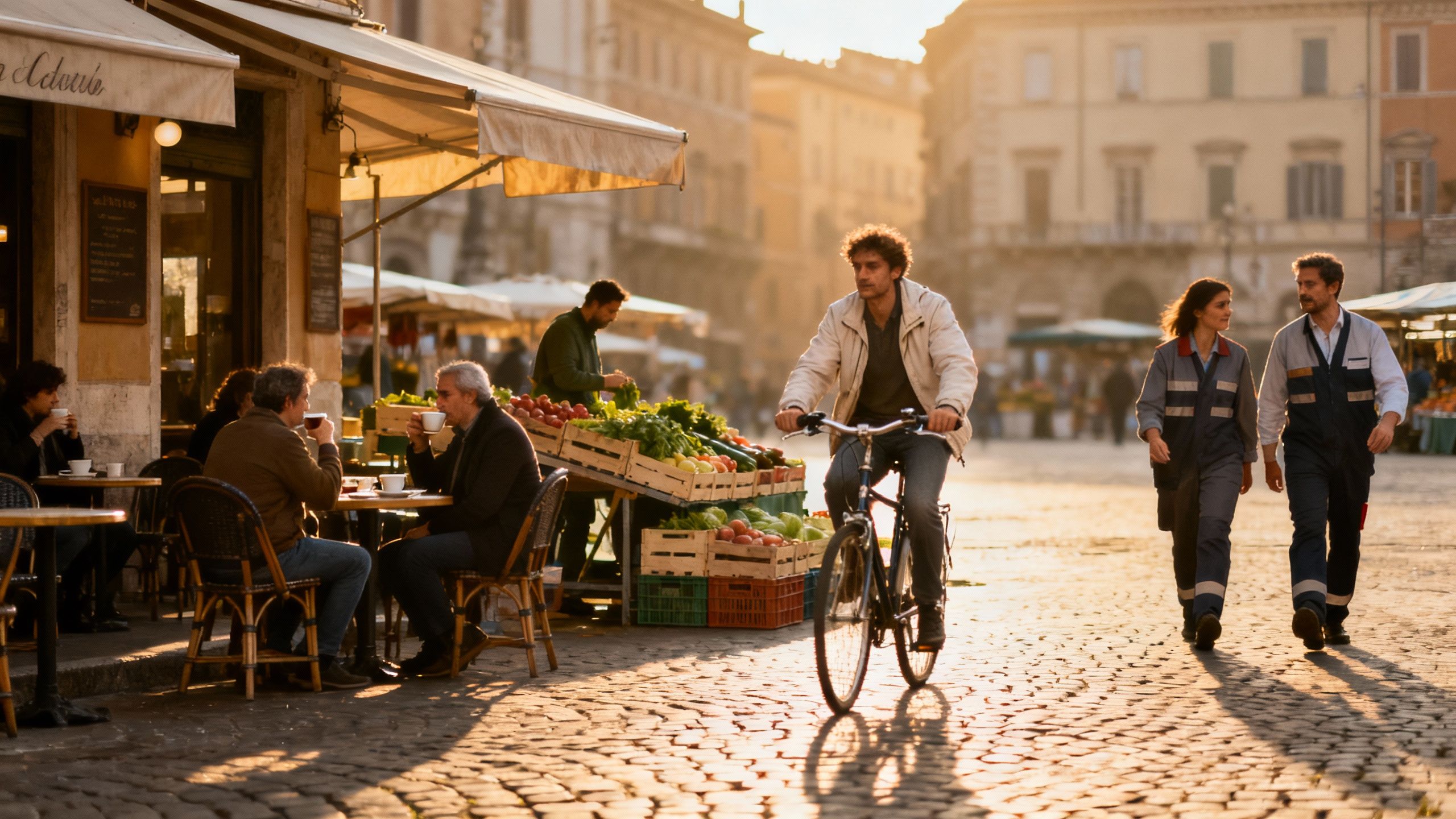
Imagine stepping out at 08:30 to a bar on Milan’s Via Solferino for an espresso, or walking the cobbled lanes of Trastevere as the market stalls set out citrus and cheese. Italy’s cities are lived-in theatres — mornings shaped by short black coffees, afternoons by passeggiata, evenings by long dinners. For international buyers this is the promise: a daily rhythm that is tangible, sensory and intensely local. It’s also why location choice in Italy is as much cultural as it is financial.
Living the Italy city life

City living in Italy varies by block and by hour. Milan’s mornings are clinical and design-driven; Rome layers ancient stones with a lively corner-café scene; Bologna smells of ragù and university debate; Naples has street energy that’s immediate and unapologetic. Where you buy will determine whether your days center on parks and playgrounds, late-night osterias, or quick metro commutes.
Milan: Porta Nuova to Brera — commerce with a heartbeat
Walk from the glass towers of Porta Nuova into Brera’s narrower streets and you cross from business to a neighborhood built around aperitivi and atelier life. For families look to Isola and Porta Romana for quieter streets; for pied-à-terre buyers, a loft near Corso Como places galleries and fine dining within reach.
Rome: Trastevere, Prati and the mornings in between
Trastevere’s lanes feel like a small town inside a capital; cafes spill onto squares, and weekend markets set the tempo. Prati offers broader streets and quieter evenings with quick access to embassies and parks. If you want history at your doorstep without constant tourist crowds, consider residential pockets around San Giovanni or the less obvious Appio Latino.
- Lifestyle highlights across urban hubs
- Morning espresso: Caffè Florian‑style ritual in city squares
- Weekly markets: Campo de' Fiori (Rome), Mercato di Mezzo (Bologna)
- Evening aperitivo culture: Navigli (Milan), Testaccio terraces (Rome)
Making the move: market realities that matter
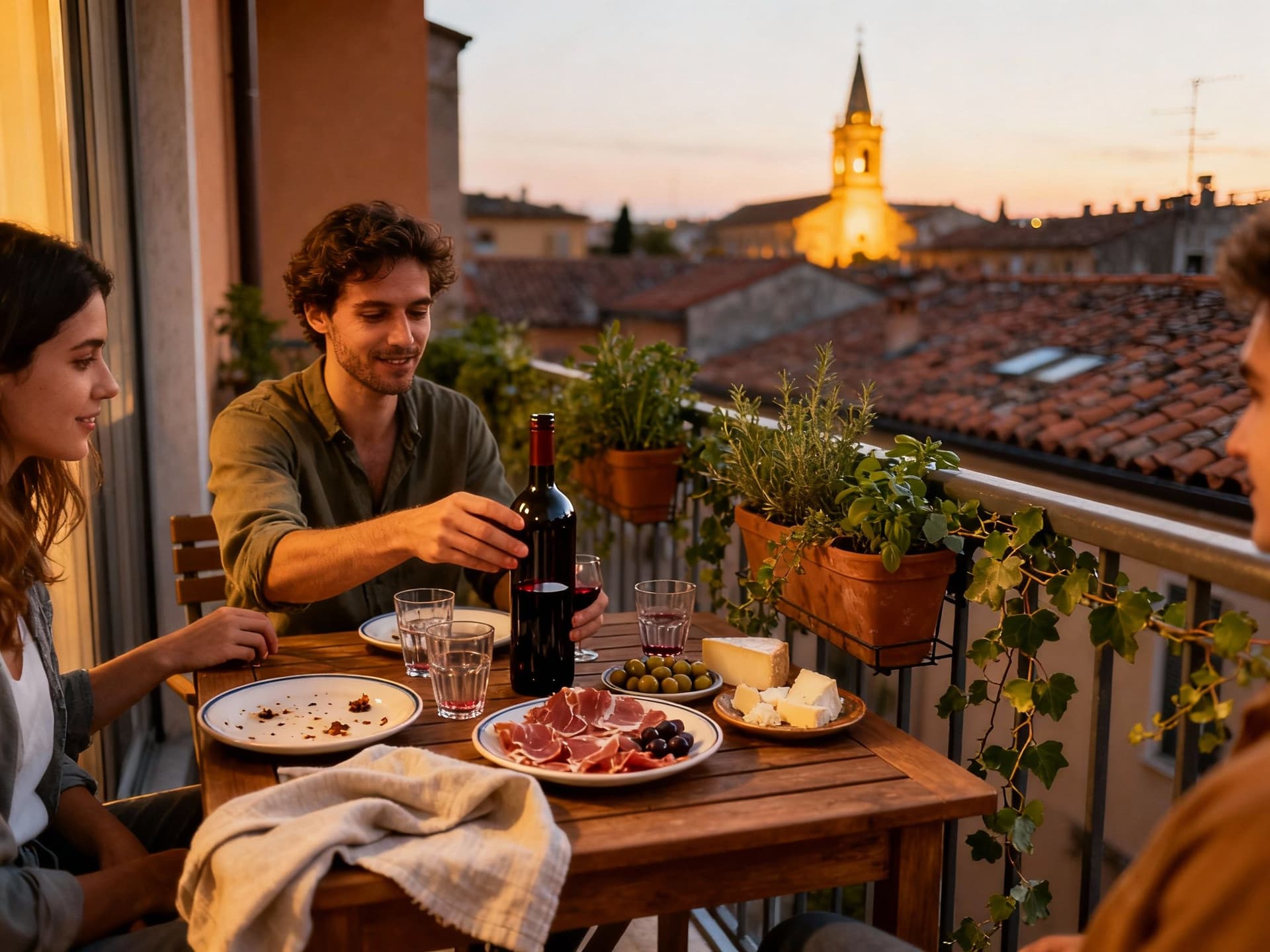
Italy’s national statistics show a market that is rising overall but uneven by region and asset type. ISTAT reported house price growth in early 2025 driven by existing homes, while new-builds showed slower momentum. That means the market reward often sits with well-located resale apartments with character — the very units that deliver urban life. Use national data to set expectations, then focus on micro-neighborhood trends.
Property styles and how they shape daily life
A palazzo flat in central Rome gives you vaulted ceilings, thin walls and a life filled with nearby trattorie. A Milanese loft trades quiet for proximity to design showrooms. New developments offer insulation and lifts, but less street identity. Match type to routine: if you crave morning markets and street life, prioritise compact historic apartments; if you need parking and space, target peripheral developments.
Working with local experts who understand the life, not just the ledger
An agent who knows where the morning coffee crowds sit will also know which blocks have quieter evenings and which buildings have chronic damp. Look for agencies with local staff, bilingual lawyers, and on-the-ground references from recent expat clients. Their role is to align lifestyle priorities with legal clarity and realistic pricing.
- Choose agents who: 1) provide recent comparable sales in the exact street; 2) have a recommended notary and translator; 3) explain property energy class and maintenance history; 4) preview community rules and condominium minutes.
Insider knowledge: expat truths and timing tricks
Expats often arrive charmed, then stall on process details: seasonal viewings, condo rules, utility registration and local bureaucracy. A frequent mistake is buying after a short holiday visit — you need weekday and evening viewings to feel the true neighbourhood rhythm. Timing matters: markets cool slightly in August and at Christmas; spring shows the highest activity and competition.
Cultural integration: how to become a local
Language helps but social rituals open doors faster. Attend a mercato, join a local sports club, and learn how the neighbourhood bar functions as social infrastructure. Italians value consistency: repeat visits to the same shops and cafes builds trust and often practical help with local services.
Long-term life: what changes after year one
After 12 months your purchase feels less like an asset and more like a home: neighbourhood loyalties form, informal networks solve small problems, and local priorities (school places, garbage schedules, building renovations) start to matter as much as price per square metre. Buy for that second-year life, not just first impressions.
- Practical tips before you place an offer:
- Inspect condominium meeting minutes for upcoming works and special assessments.
- Confirm energy class (APE) and likely renovation needs — old boilers and windows are common hidden costs.
- Request a weekday walkthrough to judge noise, deliveries and school runs.
A short checklist for offers
- 1) Ask for exact recent sale prices on the same floor and exposure. 2) Include a financing condition if you need a mortgage. 3) Agree a fixed deposit timeline and notary. 4) Budget for 6–12 months of running costs and minor works.
Italy rewards buyers who pair imagination with discipline: choose a street you love, then test it against facts. Use public data to set a market frame and local experts to fill in gaps. If you want help matching lifestyle priorities to credible listings, agencies that publish street-level comparables and long-form neighbourhood dossiers are worth a premium.
Dutch relocation advisor who moved to Marbella in 2016. Guides Dutch buyers through visa paths, relocation logistics, and balance of lifestyle with value.