How Italy’s City Life Reframes Price and Value
City life in Italy is nuanced: modest national price growth masks neighbourhood-level value. Buy the lifestyle first; local data and expert agents close the loop.

Imagine starting your morning at a tiny table on Via del Governo Vecchio in Rome, espresso steaming, and the square filling with voices in a language you barely know but are learning fast. That rhythm — markets opening, cafés filling, afternoon passeggiata — is why people fall for Italy. Yet the same cities that feel timeless also confuse buyers: prices look high on paper, but lifestyle trade-offs and local patterns often change the real story. We’ll show you where the premium buys you daily life, and where it doesn’t — with the on-the-ground detail that matters.
Living the Italy lifestyle: city by city
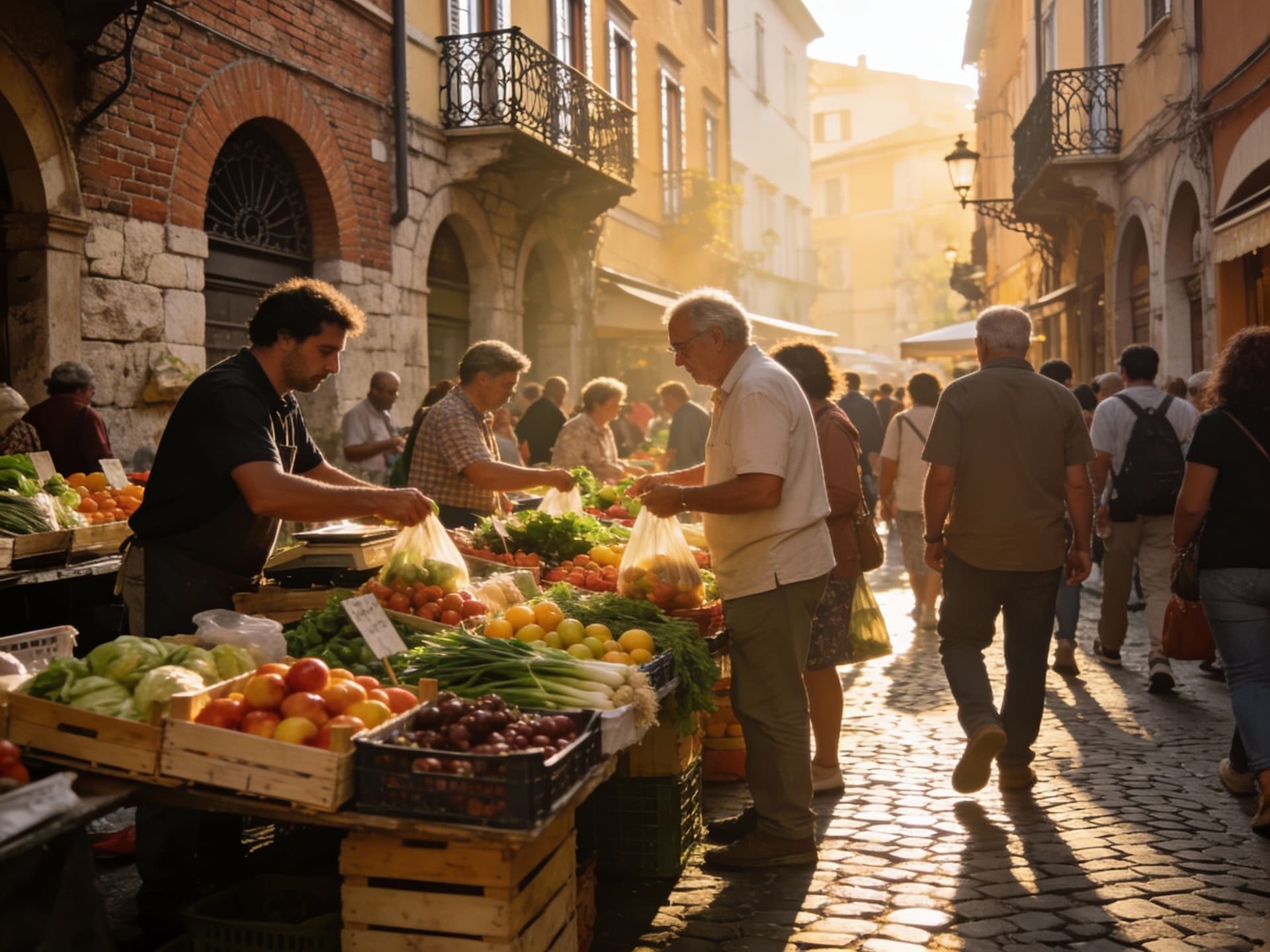
Italy isn’t one mood. Milan is brisk and design-minded; Florence hums with art history and late-night trattorie; Naples is messy, loud, and deliciously alive. Picture mornings in Navigli on a canal bike ride, Saturday markets on Piazza Vittorio, or sunset aperitivo above the Duomo. Those daily textures — where you buy bread, which barista recognizes you, whether the building has a lift — are the differences that change which property is right. For buyers, the decision isn’t 'city or coast' so much as 'which daily life do I want to wake into?'
Rome: piazzas, parking, and apartment quirks
Living in Trastevere or Monti means narrow streets, old buildings, and a soundscape of church bells and scooters. Properties here are often characterful but come with quirks: tiny kitchens, load-bearing walls, and communal stairs. That’s the trade-off — you get the piazza life and walking culture, but you’ll need to accept irregular layouts and factor in renovation timelines if you want modern comforts.
Milan & Turin: design-led life and commuter logic
Milan’s neighborhoods like Brera, Isola, and Porta Romana trade higher per‑m² for proximity to work, galleries, and a steady international scene. If you value efficient transport and coworking, the extra you pay often returns in time saved. In Turin, a calmer pace and lower prices can mean larger apartments and more green space — a different kind of urban life for families or buyers who value square metres over a skyline view.
Naples & smaller cities: vivid life, hidden bargains
Southern cities like Naples or Lecce offer intense street life and lower entry prices compared with Rome or Milan, and recent ISTAT data show rising foreign-born resident numbers and internal migration patterns that change neighbourhood dynamics. Those moves create micro-opportunities: buy near a local market or a tram line and you’ll feel integrated faster — and often pay less per square metre for the same sense of place found in the north.
- Lifestyle highlights to scout when you visit (actual places to feel the city)
- Rome — Morning espresso at Sant’Eustachio, evening stroll on Via dei Coronari, weekend produce at Mercato Testaccio.
- Milan — Aperitivo in Navigli, a weekday coworking drop-in in Porta Romana, Sunday walk through Parco Sempione.
- Naples — Street pizza on Via dei Tribunali, ferry to Capri on a day off, antique shopping in Quartieri Spagnoli.
Making the move: property realities that affect daily life

The lure of Italian daily life must be balanced against market facts. National indices show modest price growth rather than explosive spikes — luxury segments outperformed in 2024 while many provincial markets stayed stable. That means your lifestyle choice will often determine value: a smaller central flat that delivers your ideal life can outperform a larger, cheaper property on the periphery in terms of satisfaction and rental demand. We use local price reports to match lifestyle to budget, not the other way around.
Property types: what the walls tell you
Historic palazzi buy you character: high ceilings, original tiles, and central courtyards. New builds trade charm for insulation, lifts, and modern plans. If you want a terrace for morning sun, check orientation and communal rules — terraces are often community-managed and can carry extra fees. Think about how you’ll live in the space every week, not just on holiday: where you store groceries, whether stairs are negotiable, and if there’s local parking for guests.
Working with local experts who know the rhythm
A good local agency is more than listings: they know which streets get noisy after midnight, which municipal plans will affect sunlight in five years, and which neighbours quietly sell through networks. We recommend working with agents who show comparable neighbourhood sales, introduce you to local artisans for renovations, and can preview properties at different times of day. That local knowledge turns lifestyle wishlists into realistic property matches.
- Four blended lifestyle + practical steps to vet a city property
- Visit the neighbourhood at breakfast, lunch and 9pm — note noise, light and accessibility.
- Request three comparable sales from the last 12 months — insist on exact addresses, not averages.
- Check building documents for renovations, seismic upgrades, and any condominium rules that affect terraces or rentals.
Insider knowledge: the things expats say they wish they’d known
Expat stories repeat the same useful lessons: learn a few phrases, meet your neighbourhood barista, and accept that 'fast internet' can be block-by-block. On the numbers side, Eurostat and national indices show Italy’s house-price growth has been moderate compared with some neighbours — comforting for long-term buyers but not a guarantee of quick gains. The practical upshot: buy the life you want first, the capital return often follows over years, not months.
Cultural integration and daily norms
Neighbourhood trust in Italy is built slowly. Regular visits to the mercado, volunteering at local festivals, or joining a language exchange are the fastest routes to practical help — from recommended electricians to babysitting swaps. Expect bureaucracy to move at its own pace; patience is not optional, but it often pays back in better deals and kinder neighbours.
Longer-term lifestyle considerations
Think five years ahead: will your area gain better transport links or lose green spaces to development? Demographics matter — ISTAT shows shifting population flows that can change rental demand and services in smaller cities. For many buyers, choosing a city with diversified demand (students, professionals, tourists) makes a property more resilient.
- Red flags local agents will point out
- Missing building certificates or seismic compliance.
- Unclear condominium minutes about terrace use or short‑term rentals.
- Sales that rely solely on tourist-season comparables rather than year-round data.
Conclusion — imagine the life, then test it against evidence. Italy rewards buyers who prioritise lived experience over glossy photos. Start with the neighbourhood that makes you get up on a weekday, then bring in local market data and a trusted agent to turn that feeling into a sound purchase. If you want, we’ll connect you with vetted local partners who work on lifestyle matches — not listings alone.
Norwegian market analyst who serves Nordic buyers with transparent pricing and risk assessment. Specializes in residency rules and tax implications.