Italy’s City Trade‑Offs: Where Price Myths Hide Opportunity
City life in Italy isn’t uniformly pricey — neighbourhood trade-offs create hidden opportunity. Use lifestyle-first visits and ISTAT data to spot undervalued urban pockets.
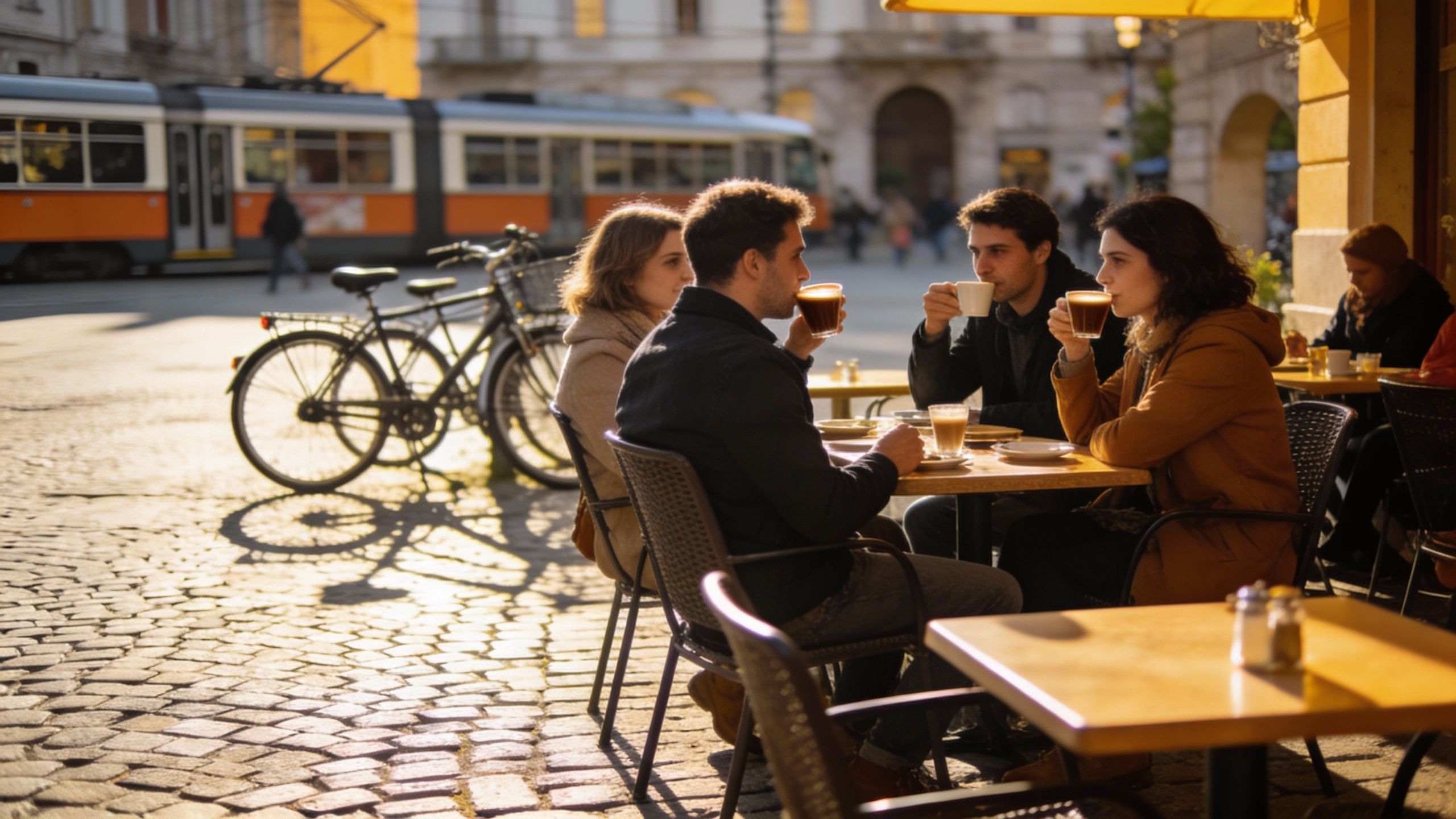
Imagine a midweek morning in Italy: an espresso pulled at a marble bar in Rome’s Prati, deliveroo bikes threading Porto Empedocle’s sunlit lanes, and a terrace in Bologna where the light at 6pm makes every apartment feel generous. That feeling — of ritual, texture and neighbourhood life — is what draws buyers from London, New York and beyond. But the story most buyers bring with them is a shorthand: "Italy is expensive, pick Tuscany or the coast and you’ll pay a premium." Recent market analysis shows the reality is more nuanced; city markets move at different speeds, and opportunity often hides behind reputation.
Living the Italy lifestyle in cities and hubs
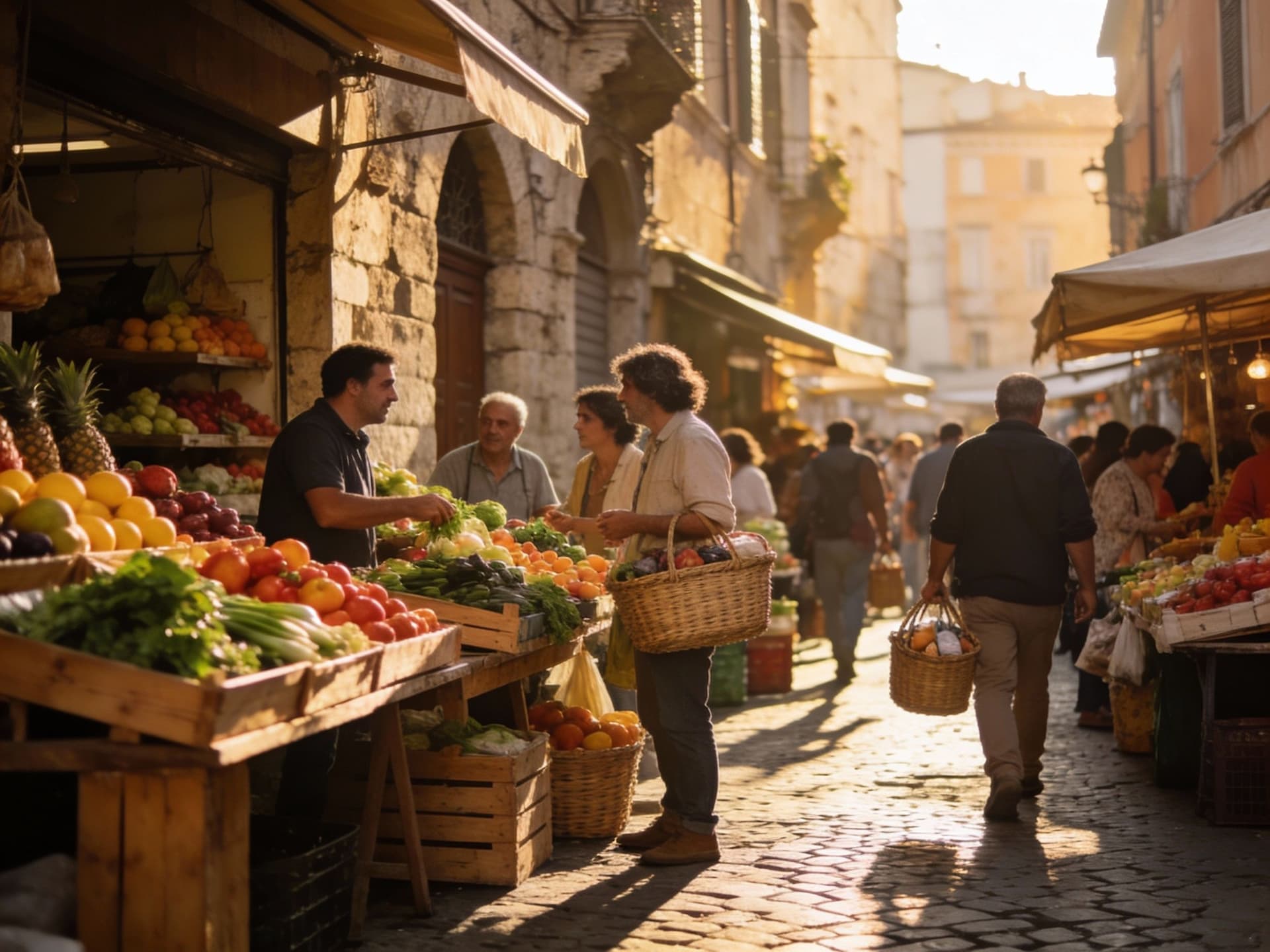
Cities in Italy are not interchangeable. Milan is about late-night aperitivo and design weeks; Naples breathes neighbourhood life around spaccanapoli and market stalls; Turin’s cafés feel like living rooms with a palazzo view. If you close your eyes you can taste fresh focaccia in Genoa, hear the clack of Vespas around Florence’s Oltrarno, and smell the sea on Liguria’s promenades. Those textures shape how you use a home — mornings at a neighbourhood bar, evenings in a piazza — and they change what type of property actually delivers the lifestyle you want.
Neighborhood spotlight: Milan’s Navigli vs. Porta Romana
Navigli is postcard-lively: canals, restaurants and weekend crowds make it thrilling but noisy. Porta Romana, a ten-minute tram ride away, trades that buzz for tree-lined streets, bakeries and quieter evening life — and often better value per square metre. We’ve seen buyers choose the calmer quarter and use the saving to add a terrace or renovate a kitchen that actually gets used. In short: pick the lifestyle first and the neighbourhood second; price follows lifestyle trade-offs.
Food, markets and daily rituals that define choice
Markets are the city’s social calendar: Rome’s Mercato di Testaccio on a Saturday, Florence’s Sant’Ambrogio for morning produce, Bologna’s Quadrilatero for lunchtime salumi. These places are where neighbourhoods are made — buy an apartment a five-minute walk from a market and you’ll discover mornings that never feel rushed. Seasonality matters: summer festivals pull crowds into city centres and can temporarily inflate short-term rental demand; winter quiet can be an excellent time to view properties with realistic pricing.
- Lifestyle highlights to look for when choosing a city neighbourhood:
- Local markets within a 10-minute walk (Testaccio, Sant’Ambrogio, Mercato di Porta Palazzo).
- An evening cultural anchor (a small theatre, cinema, or music venue).
- Accessible green space for weekend routines (Villa Borghese, Parco Sempione or smaller neighborhood parks).
Making the move: how lifestyle shapes the practical search
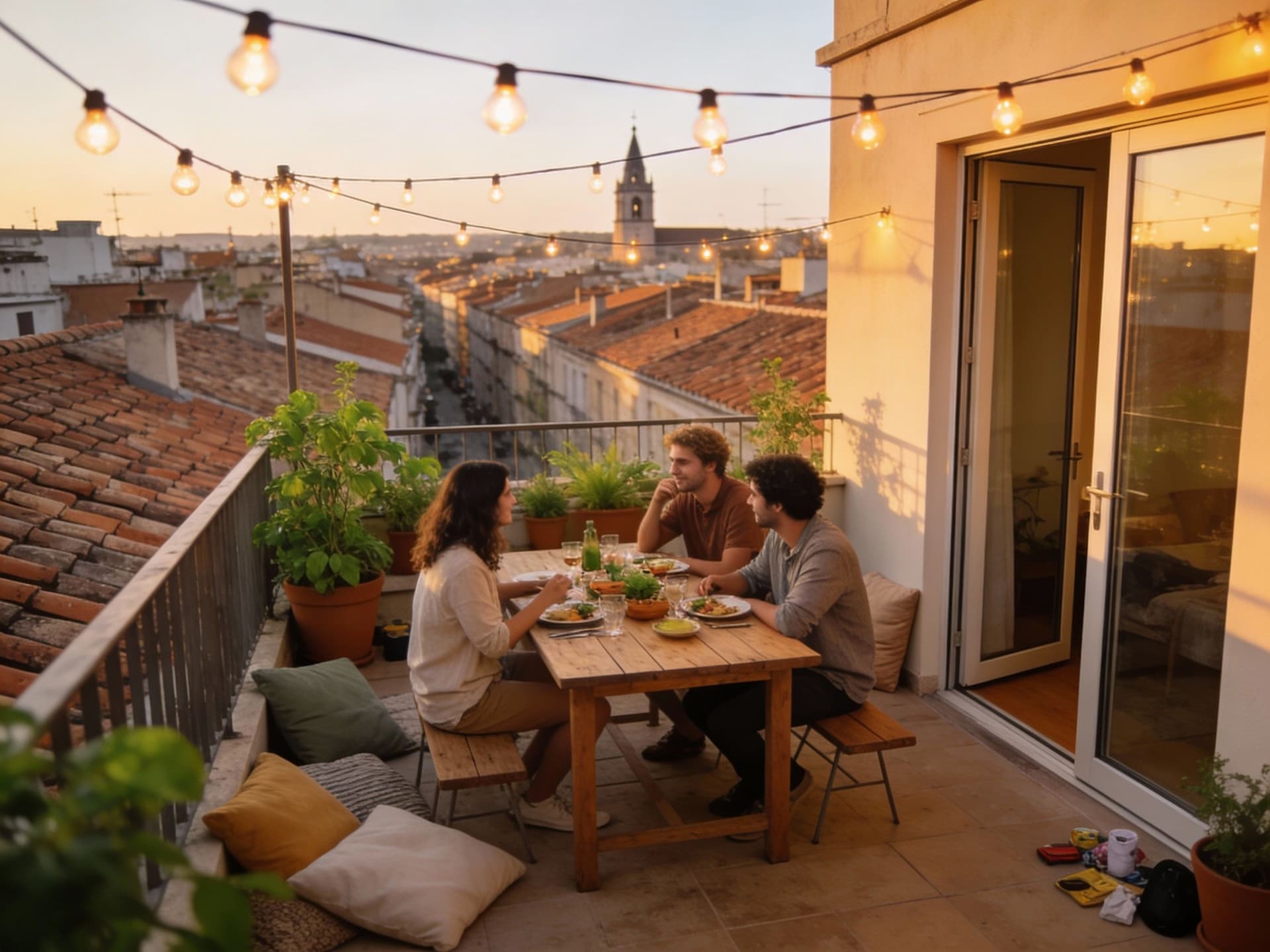
If lifestyle is the magnet, data is the map. National statistics show Italy’s house price index rose by about 4.4% year-on-year in Q1 2025, driven mainly by existing-dwelling demand in cities. That doesn’t mean every neighbourhood is up — inner-city luxury and coastal hotspots have different dynamics than secondary urban districts. Use official indices (ISTAT) alongside local portals to spot where value is stabilising and where prices are still catching up with reputation.
Property styles and how they map to daily life
Historic flats with high ceilings and shutters are beautiful, but their heating and insulation often need work — plan renovation budgets accordingly. Newer city-builds near transport hubs offer lower maintenance and better resale liquidity, but fewer characterful details. In coastal cities, the terrace matters: a south-facing balcony transforms winter light and resale appeal. Match the property’s physical strengths to the life you want: a kitchen for daily cooking, a quiet bedroom away from nightlife, or a small courtyard for plants and pets.
Working with experts who know both lifestyle and paperwork
A local agent should be a translator of lifestyle as much as of law. We recommend agencies that can show you the morning routine (best bar for espresso), the soundscape at 11pm, and the market day — then back that up with references to local notaries and tax professionals. Real estate portals and reporters (like the FT) highlight regional shifts — for example rising interest in Puglia — but a good agent knows which streets in a city are still under the radar. Your shortlist should be 3–5 properties that match life-first criteria, then assess legal and technical risks.
- Search steps that blend lifestyle sense with practical due diligence:
- Visit neighbourhoods at three times of day: morning, late afternoon and after 9pm to judge noise and activity.
- Hire a local surveyor for structural checks and an energy-efficiency estimate before making an offer.
- Ask agents for recent comparable sales on the same street, not just the same neighbourhood.
Insider knowledge: myths, cultural cues and what expats wish they’d known
Myth: Italy is uniformly expensive. Truth: national averages hide wide local gaps; some provincial capitals and inner-city quarters lag behind well-known coastal towns. Expats we work with often underestimate renovation permissions in historic zones — a lovely façade can mean complicated approvals. Another common surprise is routine life: shops close after lunch in many towns and paperwork appointments require patience. Knowing these quirks saves time and money.
Cultural integration and daily rhythms that matter
Language helps but isn’t mandatory in many international pockets; you’ll get by in Rome or Milan with limited Italian if you rely on English-speaking agents and expatriate networks. Still, learning basic Italian opens doors — from better market access to friendlier neighbourhood relations. Participation in local rituals (sagra, mercato day, the neighbourhood calcio match) is how you move from visitor to resident. Expect slower administrative timelines than you’re used to; planning buffers are essential.
Long-term lifestyle: what keeps a neighbourhood desirable
Look for longevity signals: a mix of local shops (not just tourist boutiques), a well-maintained park, and schools that families use year-round. Transport links matter — proximity to a good train station or fast road preserves resale appeal for city buyers. Cultural investment (new museums, restored theatres) often signals early gentrification that lasts. If you want both rental yield and a life there, prioritise neighbourhoods with steady year-round demand rather than purely seasonal hotspots.
- Red flags local buyers watch for:
- A council-planned road project that bisects the street (expect noise and planning uncertainty).
- Unrealistic seller pricing with no recent comps — ask for three signed sale deeds from the last 18 months.
- Incomplete permits for renovations — these can block resale and incur fines.
We’ve seen buyers swap a headline neighbourhood for a quieter street nearby and turn the savings into lifestyle upgrades — a full kitchen renovation, a rooftop winter garden, or hired property management that makes the home rental-ready. That trade-off often beats paying a premium just for a famous postal code.
- Steps to move from love to ownership (practical next actions):
- Book an extended visit (10–14 days) to test daily life, then shortlist 3 neighbourhoods and 5 properties.
- Commission a local structural survey and an energy-efficiency assessment before signing a preliminary contract.
- Work with an agent who can introduce a trusted notary and a tax advisor; verify recent comparable sales on the same street.
Conclusion: Italy’s city markets reward patience and local knowledge. Fall in love with the daily rituals first — the markets, the cafés, the evening paseggiata — then use data and trusted local experts to turn affection into a confident purchase. If you want to talk neighbourhood specifics (Rome streets with better value, Milan pockets to watch, or up-and-coming provincial capitals), we’ll show you where lifestyle and price line up.
Danish investment specialist who relocated to Costa del Sol in 2015. Focuses on data-driven market timing and long-term value for Danish buyers.