Italy’s City Trade‑Offs: Lifestyle Wins and Ledger Truths
Italy’s city markets reward street‑level choices: match neighbourhood rhythms to property type, verify local data, and prioritise daily life over headlines.
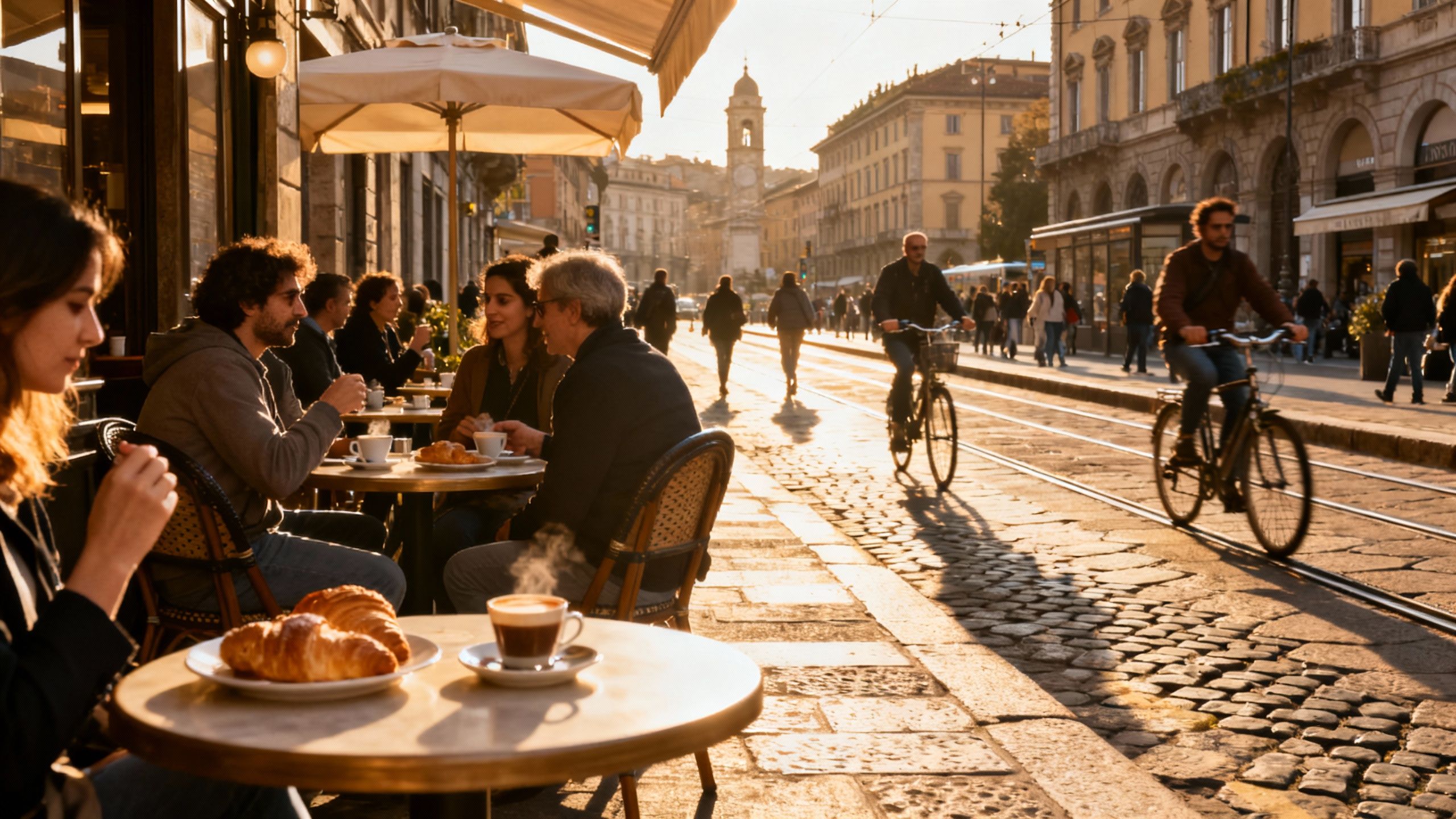
Imagine stepping out at 09:00 to buy a brioche at a corner bar in Brera, then taking the tram past vaulted courtyards toward a riverside aperitivo in Trastevere by dusk. Italy’s cities move at different rhythms — Milan’s polished morning, Rome’s layered afternoons, Naples’ loud, immediate evenings — and each rhythm changes where you will want to live and why. This piece trades headline price charts for street-level trade‑offs: why a supposedly "expensive" address can still make sense, which neighbourhoods are secretly kinder to buyers, and the seasonal timing that actually matters.
Living the Italy city life
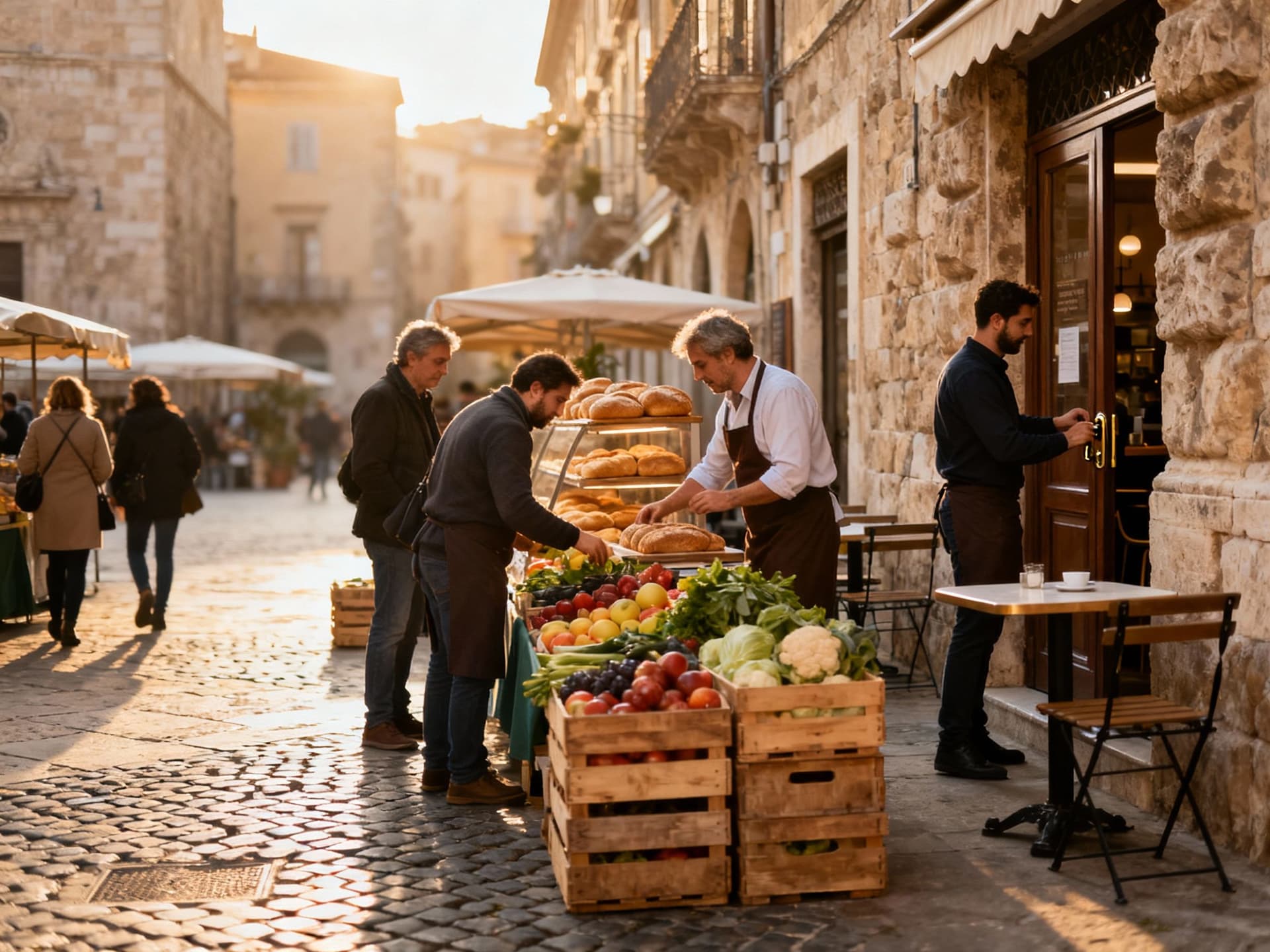
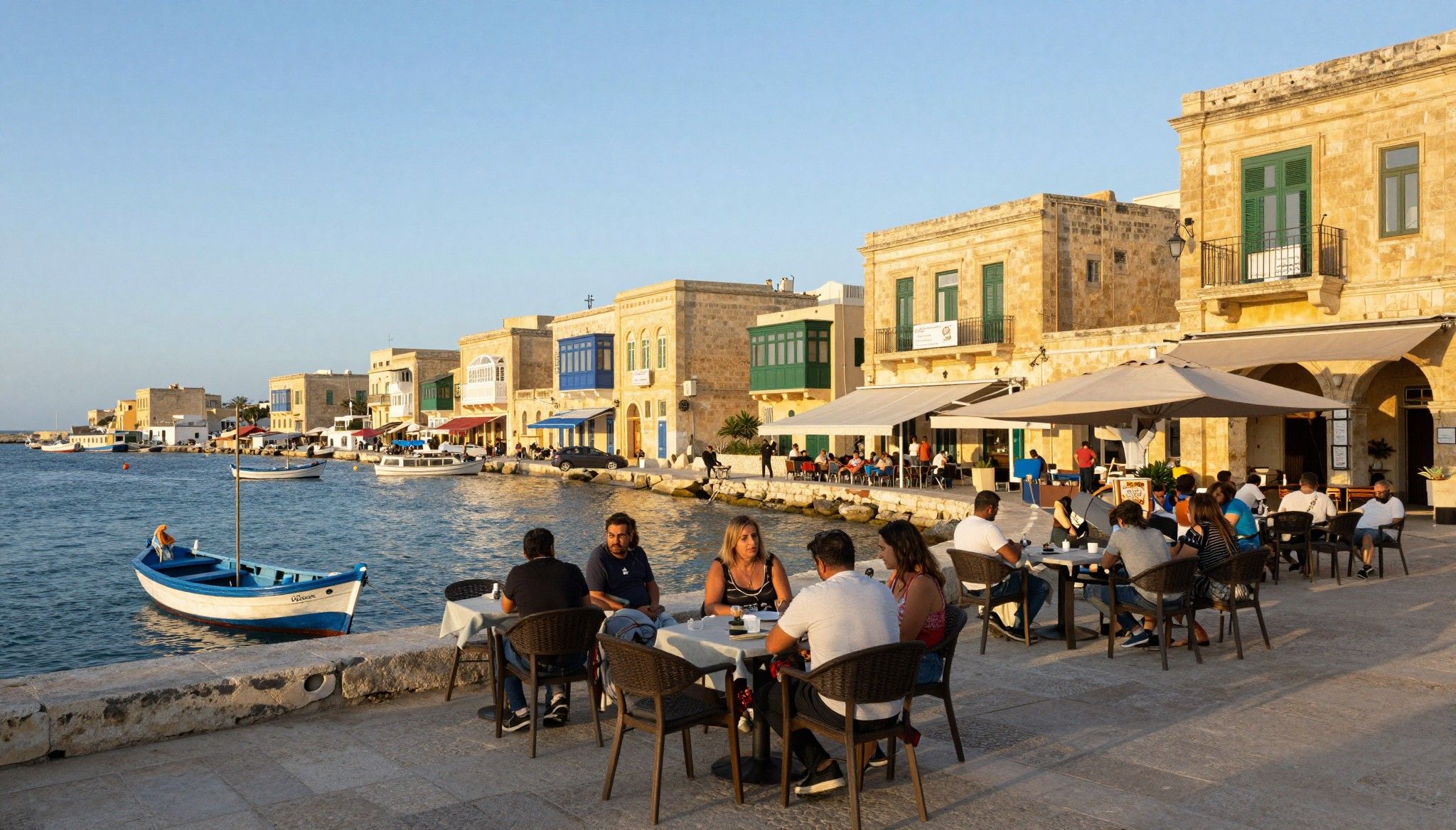
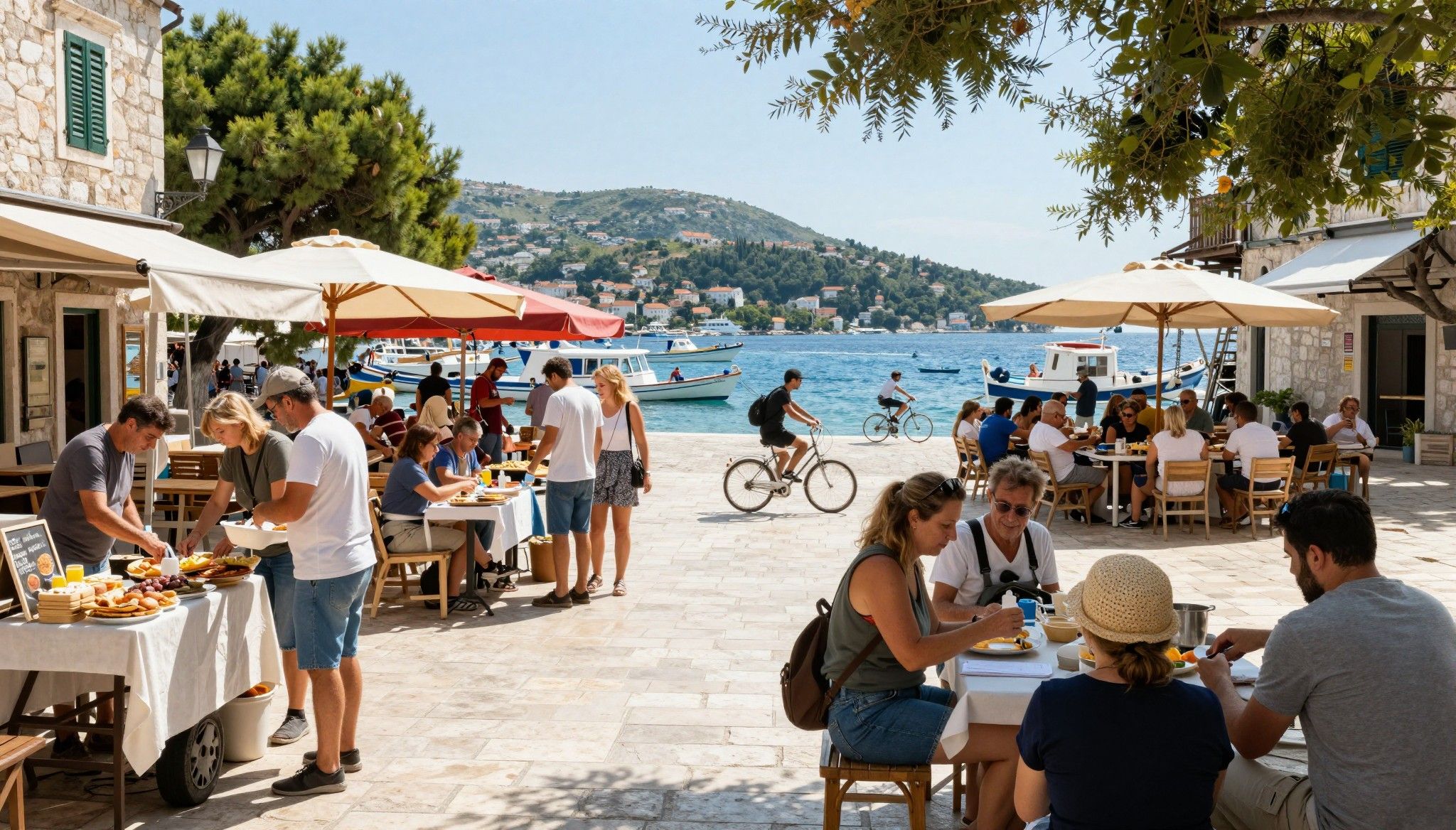
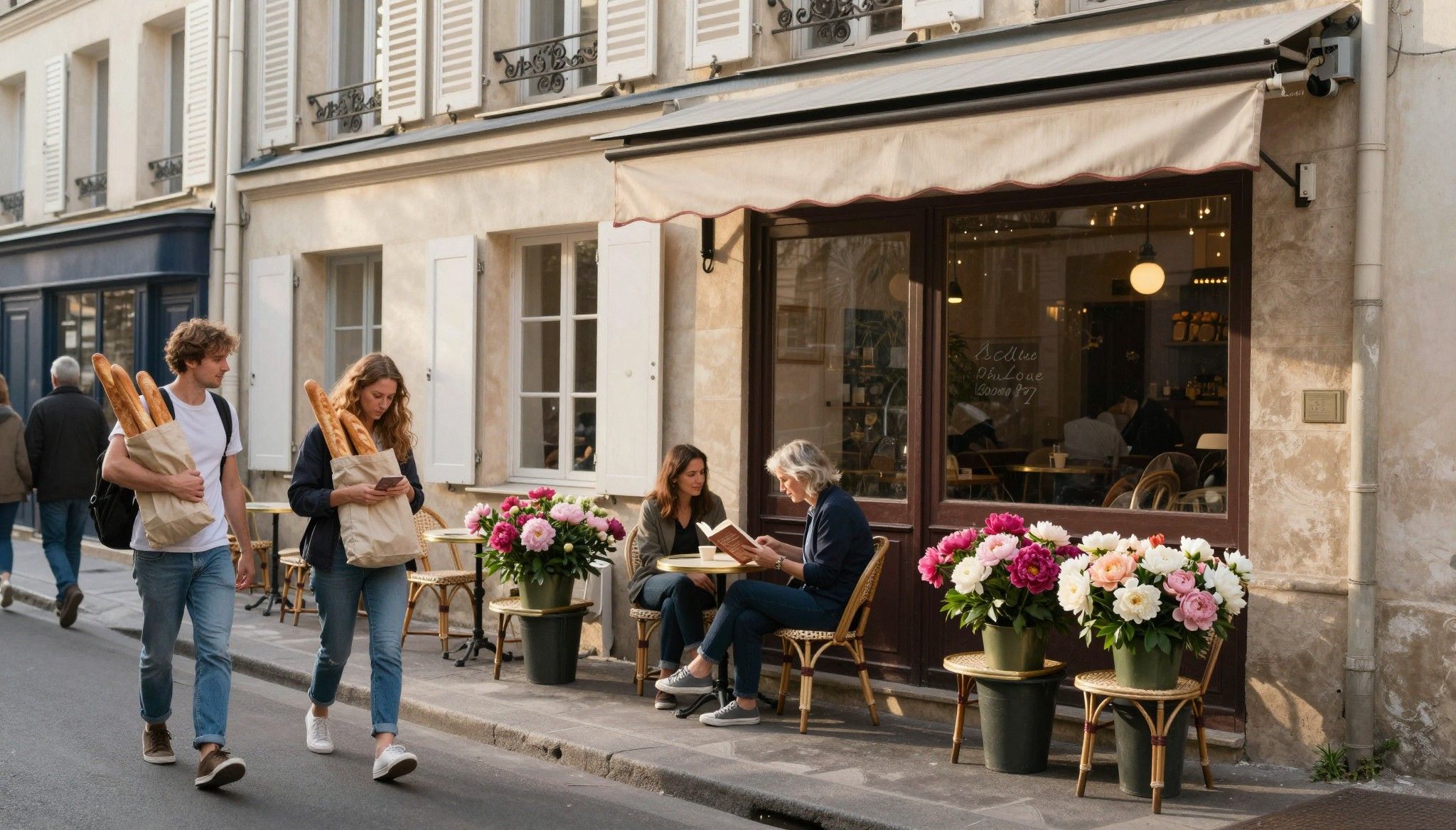
Italy’s urban hubs are a mosaic of streets, markets and social rituals. On any weekday you’ll hear shopkeepers calling out, deliveries on small vans, and people lingering over espresso rather than rushing past. Those daily rituals shape property use: narrow kitchen-dinners in historic cores, terraces for summer in coastal towns, and ground-floor workshops converted into calm remote working spaces in art districts. Your choice of neighbourhood decides whether you wake to church bells or tram brakes — and which property features you actually need.
Milan: mornings that reward a compact life (Brera, Navigli, Porta Romana)
Milan rewards structure. Brera’s side streets and small galleries mean an apartment can be your social hub; Navigli’s canals supply nightlife but also pockets of quieter canalside living. If you crave an efficient weekday life — coworking, short commutes, curated cafés — compact homes with strong insulation and good windows matter more than a large terrace. Expect higher per-square-metre prices, but also consistent demand from local professionals and short-stay renters in well-positioned streets.
Rome: layers and discovery (Trastevere, Prati, San Lorenzo)
Rome is an accretion of neighbourhood characters. Trastevere smells of wood-fired ovens and evening chatter; Prati offers tidy streets and proximity to administrative centres; San Lorenzo pulses with students and cheaper markets. Here, a larger apartment or a small townhouse can out-perform a central studio because life spills into streets and community spaces. For buyers who want to live like a local, look for quieter side streets—Piazza Trilussa’s edges, not its core—and check for planning work near ancient structures that can prolong renovations.
Naples & Southern cities: personality over polish (Vomero, Chiaia, historic centre)
Southern Italian cities trade polish for pulse. In Naples, the historic centre’s alleyways deliver daily markets and strong street life; Vomero’s hill gives calmer terraces and views. Prices per square metre are often a fraction of Milan or Rome, but unpredictability in maintenance and services is higher. Buyers chasing authenticity should budget for hands-on renovation and local agency help to manage utilities and permissions — the reward is immediate street life and lower entry prices.
Making the move: practical considerations that keep the lifestyle intact
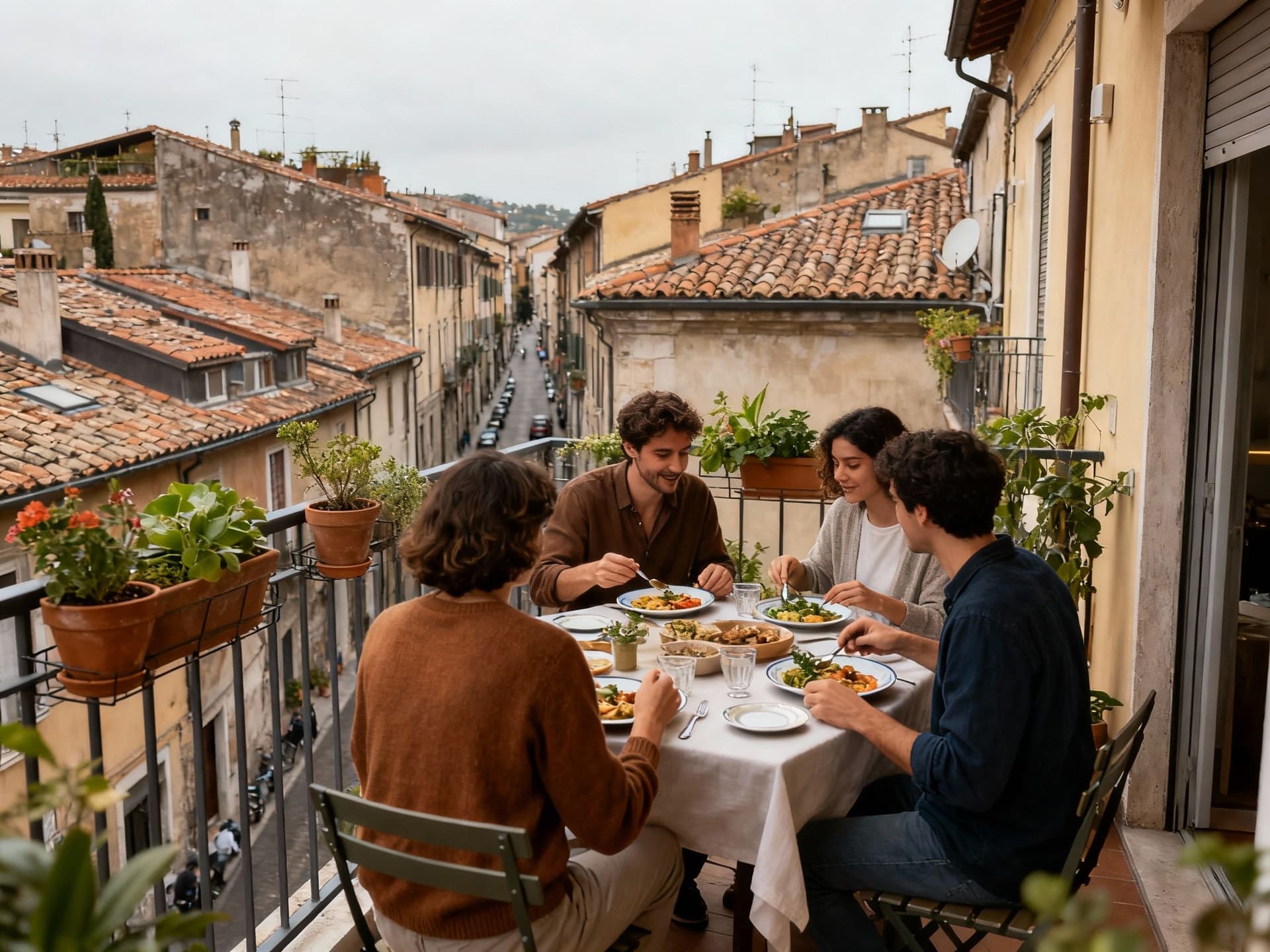
Street life sells happiness; market data sells prudence. Recent ISTAT figures show Italy’s house price index rose modestly year-on-year in 2025, with regional variation where the North-East outpaced other areas. At the same time investors are rebalancing from Milan to Rome where public investment and planning changes are opening opportunities. That combination means timing and neighbourhood choice matter more than a simple north-versus-south headline.
Property styles that match the lifestyle
Historic flats suit people who want to be in the street: high ceilings, tight kitchens, and often no lift. New-builds deliver insulation, private parking and modern services — useful for families or buyers wanting a hands-off life. For many expats, renovated storied apartments (palazzos with upgraded systems) offer the best balance: authentic façades with contemporary wiring, making day-to-day life comfortable without losing place character.
Working with the right local experts
An experienced local agency does more than show properties; they translate neighbourhood nuance into practical checks: noise cycles on specific streets, winter sun on terraces, and likely permit timelines for renovations. Ask agencies for recent comparable sales on the street, practical references from past clients, and familiarity with the municipal planning office. That knowledge preserves the lifestyle you move for and limits surprises after the keys are handed over.
1. Inspect at different times of day: morning deliveries, lunchtime markets, and evening noise each change the living experience. 2. Prioritise fabric over finishes: solid walls, double-glazed windows, and good drainage pay off in comfort and resale. 3. Budget a realistic renovation contingency (15–30%) for historic buildings; permits and unexpected masonry work add time and cost. 4. Confirm utility quality and broadband in the apartment — remote work depends on it. 5. Ask for the most recent energy performance certificate and municipal planning notes before making an offer.
Insider knowledge: what expats wish they'd known earlier
Expats often tell the same story: they fell for the street first and the ledger later. The ledger can be forgiving if you match it to lifestyle — cheaper provinces often demand more time and local management, while city cores demand premiums but reward convenience. Price maps show stark regional spreads; use them to choose how much daily life you are buying with your square metres, not just the number on the deed.
Culture, language and community
Language matters for the small, everyday things: utility calls, building meetings (condominio), and negotiating tradespeople. Learning basic Italian accelerates integration — you will be invited to local festas, grocery counters, and parent groups much faster. Long-term residents recommend neighbourhood volunteering or language cafés to build ties; those relationships make practical tasks (permits, repairs) simpler and protect your investment.
How life changes after you move
Six months in, routines replace novelty. Your local barista learns your order; the cobbler knows when you collect shoes; seasonal markets shape weekend menus. Property becomes about light, proximity and quiet corners more than a view you once imagined. That’s why matching property features to daily rituals — morning sun on a balcony, easy stairs for groceries, a bench outside your door — often outperforms speculative metrics.
Lifestyle highlights to look for before you buy: - Morning market within a 10‑minute walk (fresh food & social life) - Cafés and small grocery shops clustered, not isolated - Regular public transport stops with evening services - A street with mixed age groups — young professionals, families, older residents - Nearby green space or a small park for weekend routines
Conclusion: buy the life, but build the facts. Italy sells a daily pattern as much as a property — and the smartest purchases are the ones that align ledger and lifestyle. Use official data (such as ISTAT’s indices), local sales comparables, and a small team of trusted local experts to confirm what the street promises. When done carefully, a city purchase in Milan, Rome or Naples becomes not only an investment but a life you wake into every morning.
Norwegian market analyst who serves Nordic buyers with transparent pricing and risk assessment. Specializes in residency rules and tax implications.