Italy’s Urban Market Hubs: Street Life, Seasonality, and Smart Buying
Italy’s cities sell lifestyle first — piazzas, markets and streets — but recent ISTAT and Nomisma data show thoughtful timing and street-level due diligence make the difference.
Imagine stepping out at 08:30 to buy morning bread in Bologna’s Quadrilatero, then strolling past a bar where the owner already knows your coffee order. Italy trades in rhythms: market mornings, slow lunches, lively evenings. For international buyers the attraction is obvious — lived-in streets, architecture that feels like history you can inhabit, and neighbourhoods that change with the seasons. But those rhythms also change how you buy: location matters at the block level, season alters inventory, and local rules influence what a home delivers beyond four walls.
Living the Italian urban life
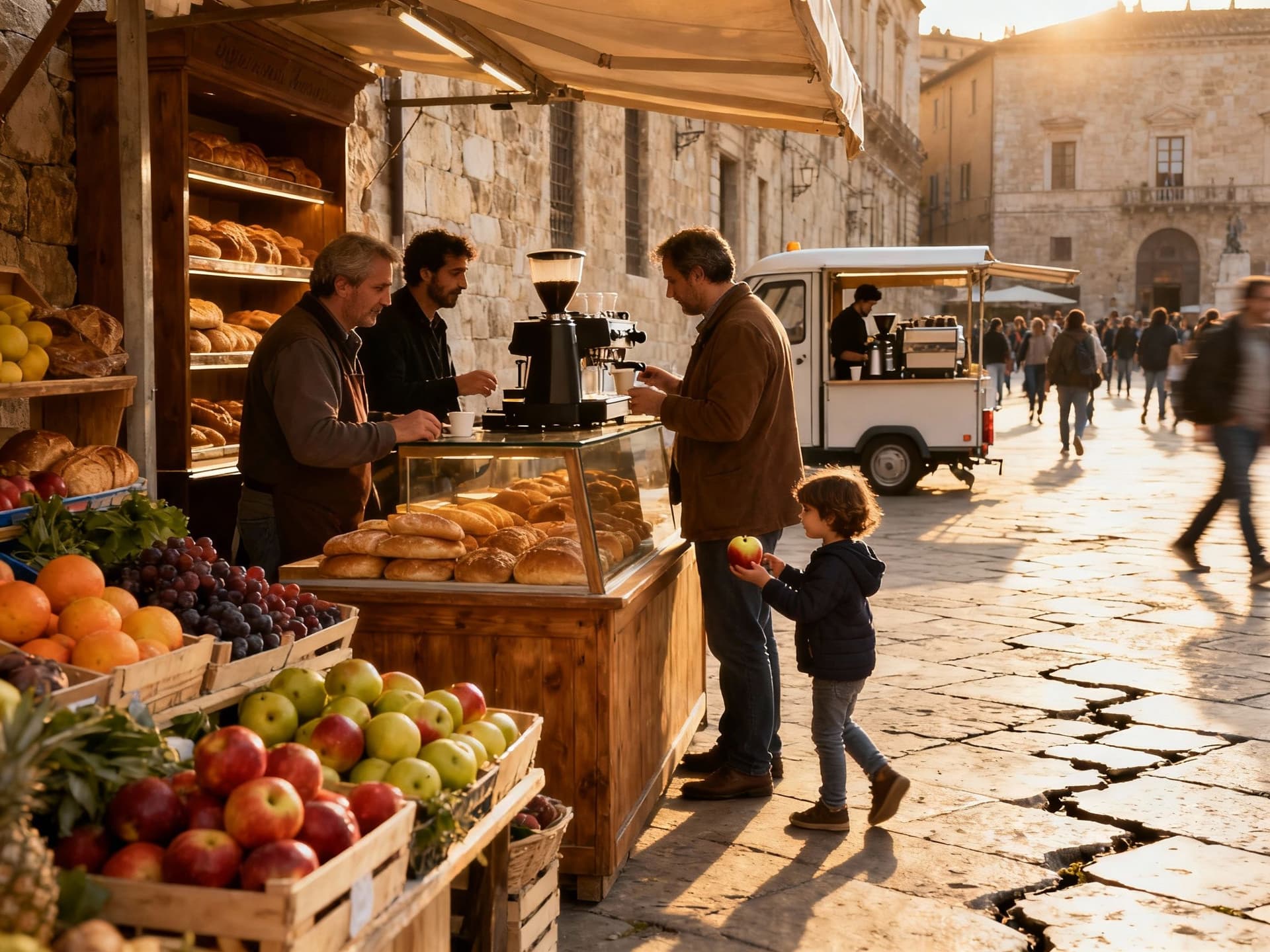
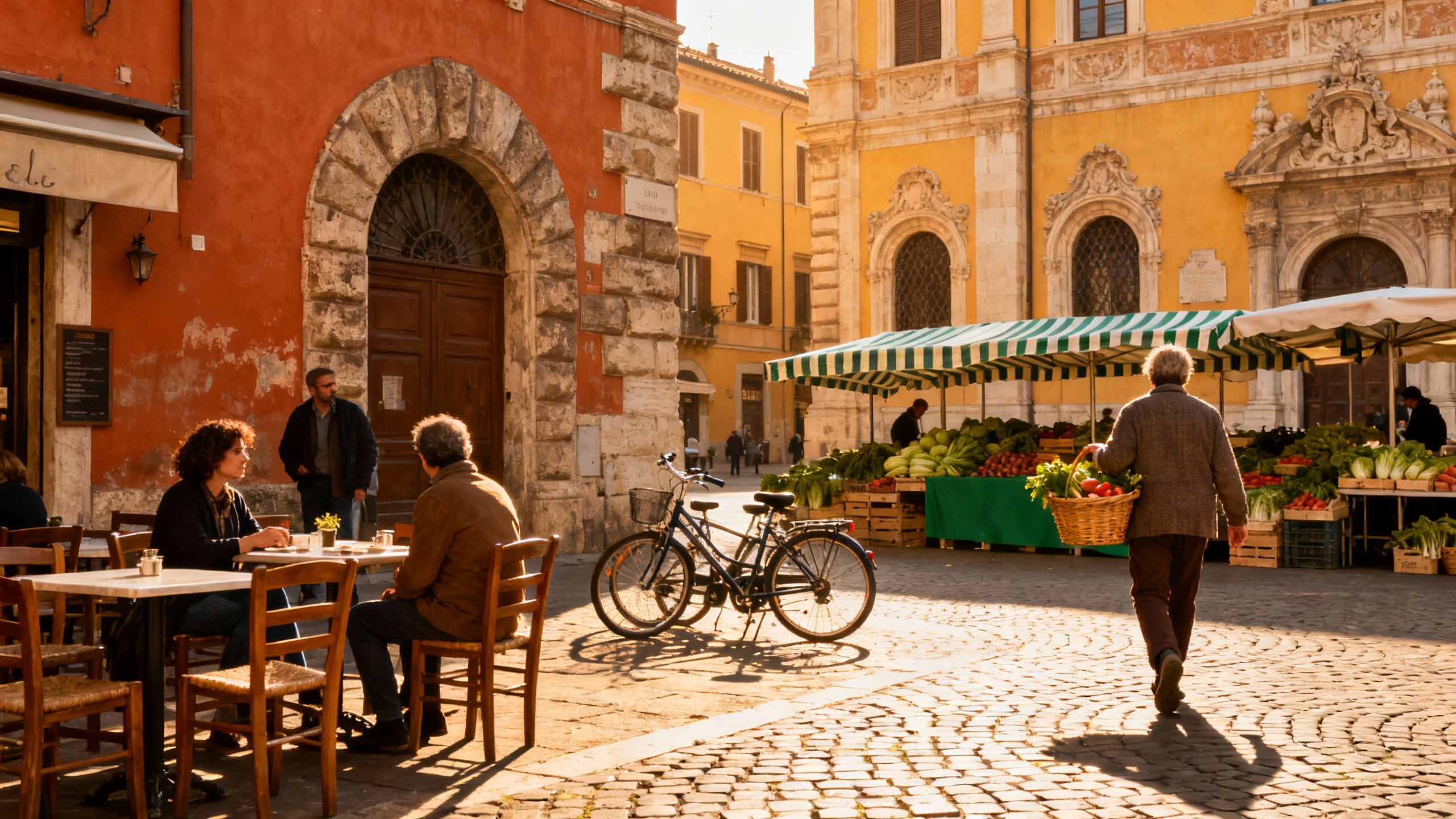
In Italy you buy a way of life as much as a property. Picture a narrow street in Trastevere where evening light slants through vine-covered facades, or a wide Milanese boulevard where glass and stone meet for espresso and meetings. Daily life is tactile: outdoor markets, neighbourhood bars, and small specialist shops. That texture affects what you need from a home — storage for market finds, a kitchen built for social cooking, or a quiet courtyard when the city hums louder in summer.
Neighbourhood spotlight: Milan (Brera & Navigli) vs Rome (Trastevere & Prati)
Brera and Navigli in Milan serve two different lives: cultural eating and late-evening socialising, respectively; both are dense, with limited supply and reliable demand. In Rome, Trastevere keeps an old‑world, pedestrian feel while Prati offers wider streets and family apartments. Prices and liquidity vary: Milan remains the priciest by square metre while Rome trades more inventory in historic cores. Recent market commentary shows urban centres drawing both long‑term residents and short‑term rental demand, squeezing available stock in popular pockets.
Food, markets and seasonality: how life shapes choice
Markets are civic anchors: Mercato Centrale (Florence), Mercato di Porta Palazzo (Turin), and Campo de’ Fiori (Rome) are daily reminders that many Italians plan their week around produce. If you cook and socialise at home, look for apartments with usable kitchens and easy market access. If you favour dining out, proximity to quality restaurants matters more than a rooftop terrace. Seasonality also shifts life — coastal towns empty in late autumn while university cities pulse year-round — and should influence whether you prioritise rental potential or personal year-round comfort.
- Lifestyle highlights to seek on-site or nearby
- Daily market within a 10–20 minute walk (e.g., Mercato di San Lorenzo, Campo de' Fiori)
- Neighbourhood bar with morning crowd and known faces
- Outdoor social space — piazza, riverside path, or small park
- A mix of long‑term residents and new arrivals (keeps life authentic and services steady)
Making the move: practical considerations that respect the lifestyle
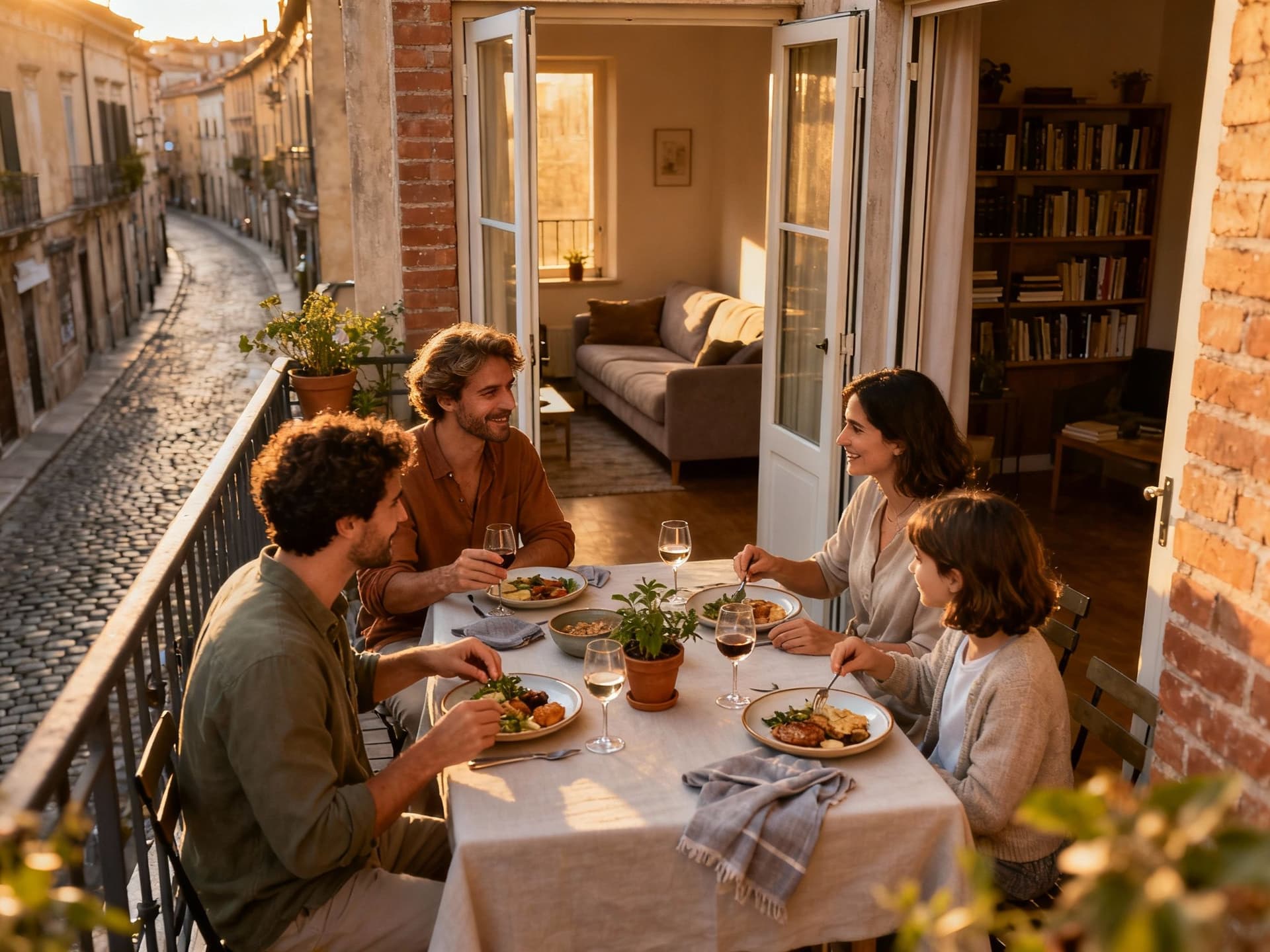
The decision to buy in an Italian city must balance feeling and figures. National data show modest but steady house‑price growth and rising transaction volumes in 2025 — the market is active, but performance varies by city and neighbourhood. That means timing your search to when inventories refresh (often after local university semesters or at the end of tourist seasons) can yield better choices and negotiating room.
Property types and how they match daily life
Historic centre flat: unmatched character and walkability, but limited parking, smaller rooms, and higher maintenance. Modern condo on a boulevard: more space, parking, elevator access — suits families and remote workers. Converted industrial lofts: generous light and layout, often on regeneration corridors and priced for growth. Choose by how you live: cook and host weekly? Prioritise kitchen and dining flow. Need quiet work time? Look for double glazing and courtyard-facing rooms.
Working with local experts who preserve lifestyle intent
Local agents, not chains, often know which streets keep their character and which are soon to change. Use agencies that can show comparable street‑level trades (not just area averages), explain building regulations for historic facades, and introduce you to local artisans for modest renovations. A trustworthy agent reduces the chance you buy a romantic view that comes with hidden renovation or zoning headaches.
- Steps that blend lifestyle and process
- 1. Visit the neighbourhood twice (weekday morning and Saturday evening) to feel daily life.
- 2. Ask an agent for three on‑street comparables from different years to see true price movement.
- 3. Commission a building survey focused on structure and systems, not only decorative finish.
- 4. Confirm utility bills and condominium (condominio) charges for a realistic running cost.
Insider knowledge: what expats usually learn too late
Expats tell a common story: we fell for the piazza, then discovered small rules shape daily life. Noise limits, building meeting schedules, and condominio culture decide whether a terrace is worth the premium. Tax and residency options can be attractive in Italy, but their benefits depend on your personal situation; professional advice is essential before assuming any regime will suit you.
Cultural integration and everyday realities
Learning basic Italian opens doors: your butcher, bank clerk, and neighbours will treat you differently. Expect paper — permits, certificati, and minutes of condominio meetings — to be important. Social invitations often come via existing connections; join a community language exchange or a market loyalty circle to build a social life that matches the local tempo.
Long term: what makes a neighbourhood sustainable
Sustainability of lifestyle means steady mixed use: markets, schools, small shops, and good transport. Regeneration corridors (former industrial waterways or rail conversions) often offer better long‑run potential than already‑peaked historic centres. Watch municipal plans and local infrastructure projects — they usually tell you where services and quality of life will improve.
Conclusion: fall for the life, confirm the ledger. Italy offers neighbourhoods that feel like living narratives — piazzas that host your routines and streets that remember names. Use repeat visits, local experts, and current market data to match a specific street to the life you want. When you pair the right agent with on‑the‑ground verification (surveys, utility checks, local comparables), you buy both a home and a sustainable way of life.
Sources: ISTAT house price releases Q1–Q2 2025; Nomisma market outlook via Idealista; regional price overview from Investropa. These provide the contemporary picture of urban price trends and transaction activity used above.
Danish investment specialist who relocated to Costa del Sol in 2015. Focuses on data-driven market timing and long-term value for Danish buyers.