Italy: Street‑Level Life, Then the Data
Street‑level Italy: why Milan’s tax pull and Rome’s quiet pockets reshape urban buying — lifestyle first, then use ISTAT data and neighbourhood comps to buy with confidence.

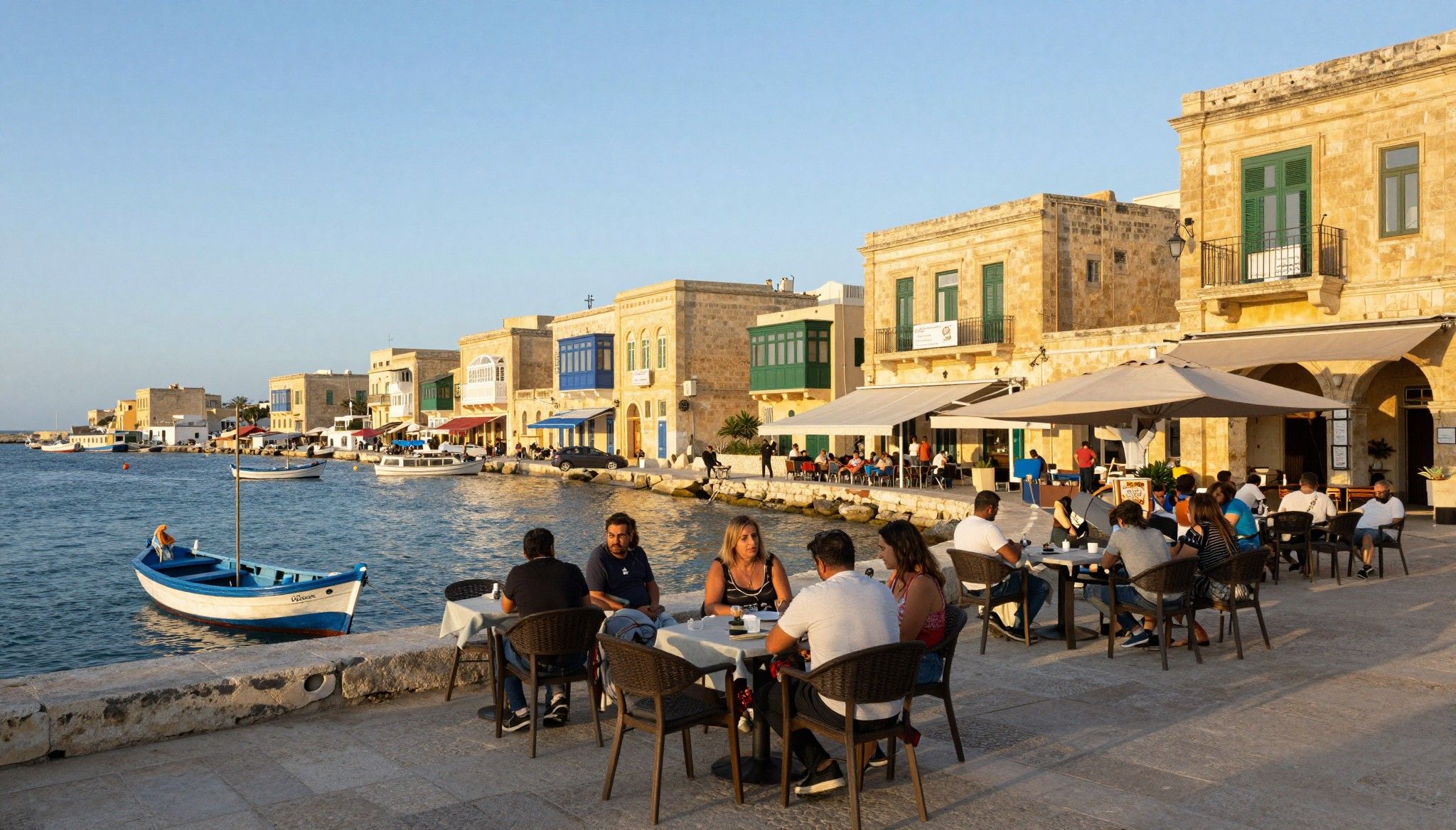
Imagine stepping out for a morning espresso on Via del Corso, then catching an evening aperitivo beside the canals of Navigli. Italy moves at a rhythm shaped by markets, piazzas and seasonal rituals — and that rhythm is central to where you choose to live. For international buyers the romance is real, but so are local quirks that change long‑term value. We start in lifestyle — the smells, sounds and streets that make Italy sing — then translate those sensations into practical buying steps grounded in market data and local expertise.
Living the Italy lifestyle
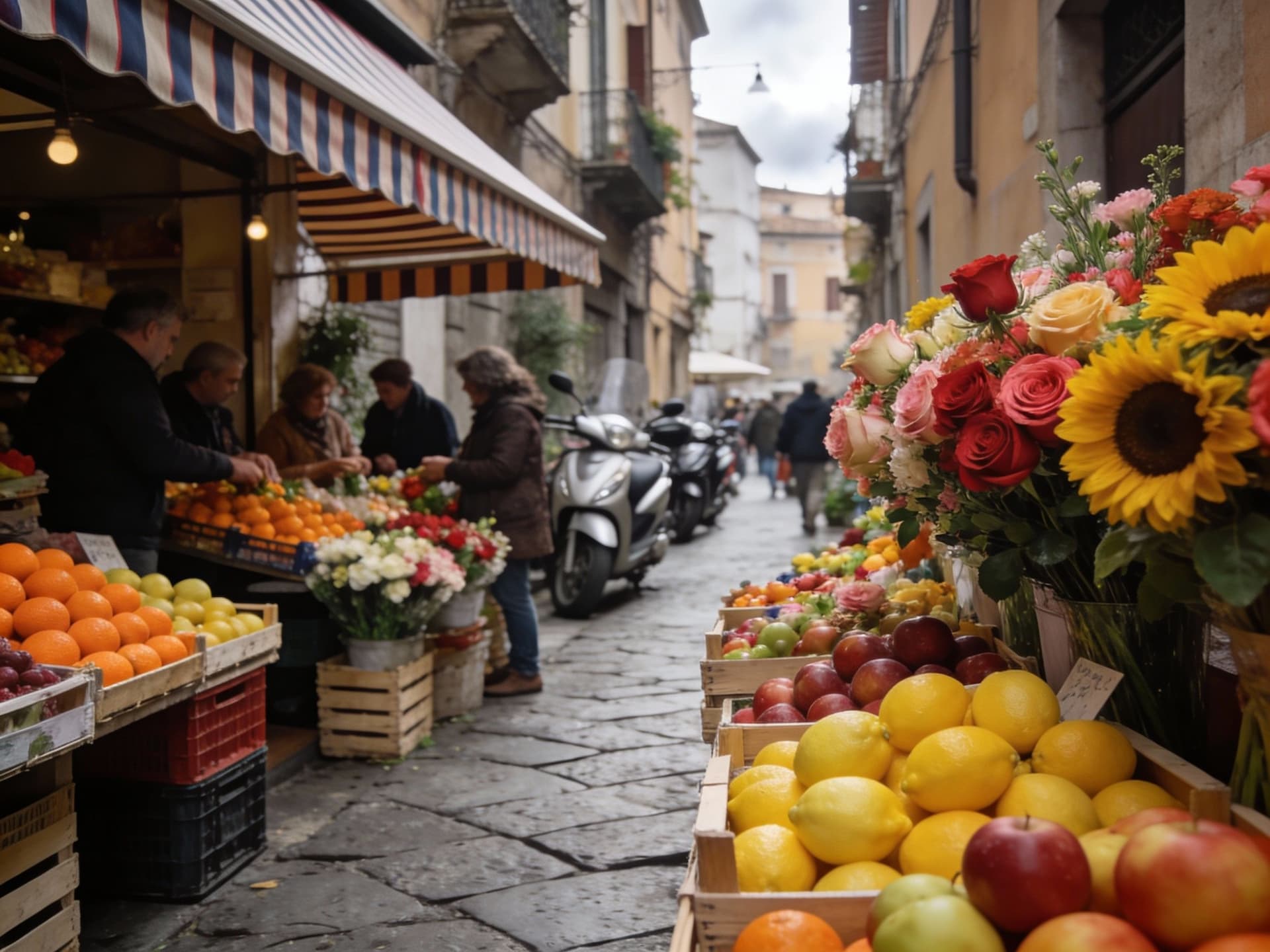
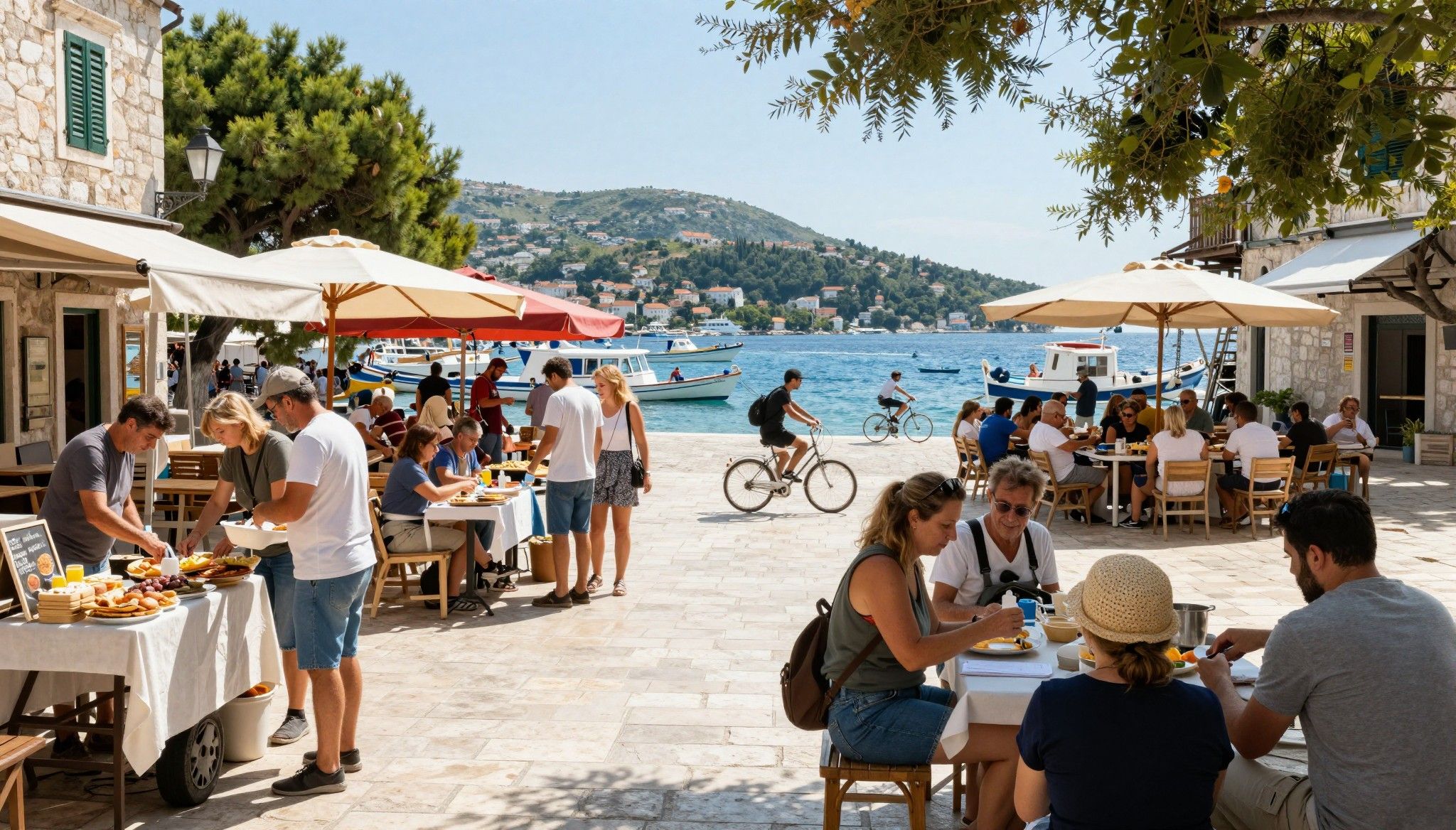
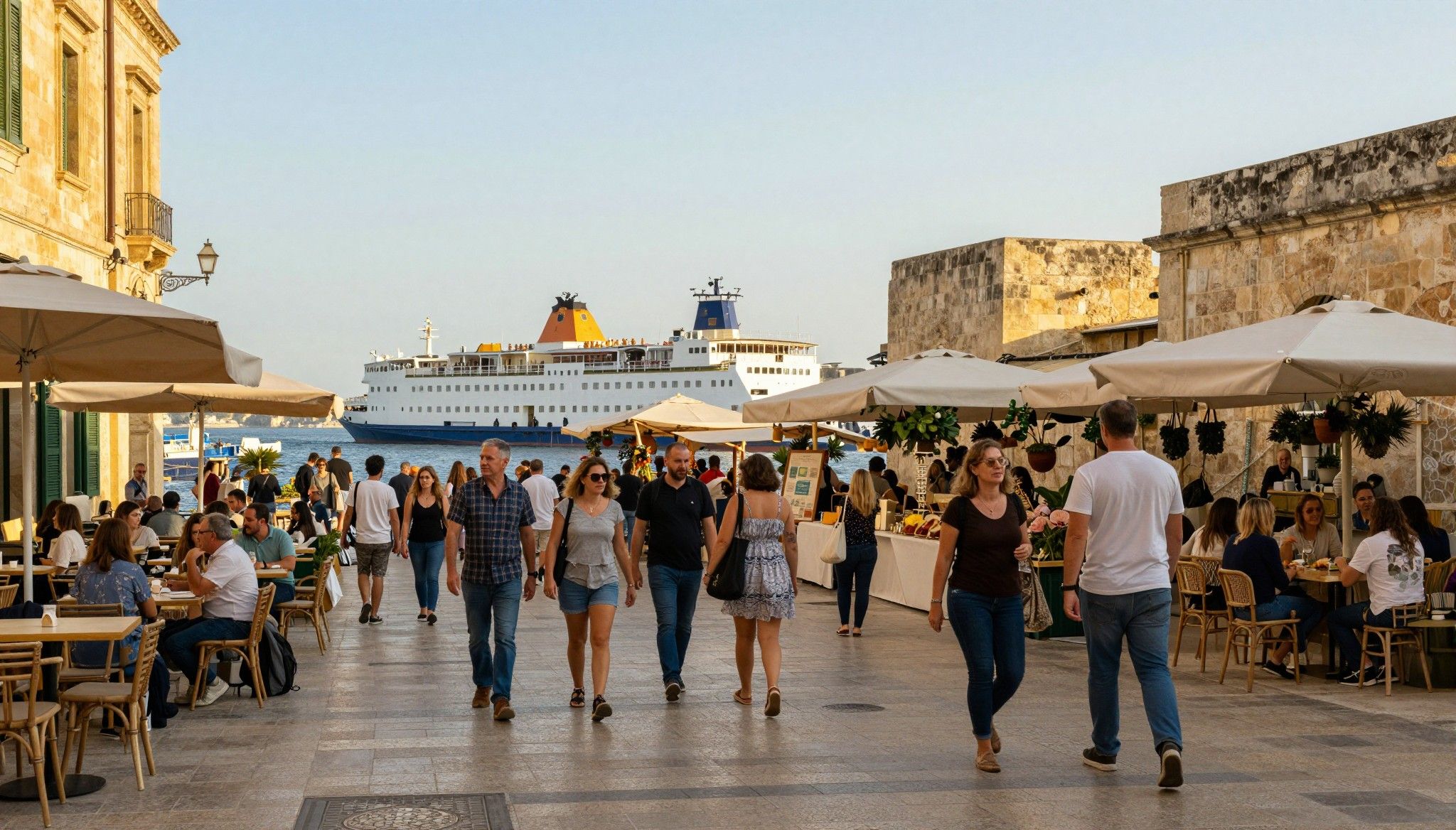
Italy’s daily life folds easily into small rituals: a barista’s nod, a market stall’s produce, an evening passeggiata. City centres like Milan and Rome pulse with commuting professionals, creative agencies and weekend cultural programming. Coastal towns — from Genoa’s working harbours to Amalfi’s terraces — slow time to seaside routines. Understanding those rhythms helps you choose a property that fits how you want to spend mornings, weekends and the next ten years.
Milan: professional energy, neighbourhood detail
Picture Porta Nuova’s glass towers and Brera’s cobbled lanes in the same day: Milan blends high finance and intimate street life. The city draws executives and creatives; recent tax regimes aimed at new residents have increased interest among high‑earners, changing demand and rental dynamics in central neighbourhoods. Yet pockets like Isola and Lambrate retain a quieter, local feel where long‑term residents still shop at family bakeries. If you want city convenience with measurable upside, Milan’s micro‑neighbourhoods reward street‑level research.
Rome & Naples: history, scale and hidden value
Rome’s fabric is more varied than postcards imply — working‑class pockets sit next to ambitious regeneration zones. Investors are increasingly eyeing Rome as Milan’s boom cools, lured by renovation projects and public investment. Naples offers a different proposition: strong rental yields in central historic quarters offset more complex bureaucracy. In each city, the street matters more than the skyline; the difference between a well‑lived street and a tourist corridor is decisive for long‑term value.
- Brera (Milan) — art galleries, narrow streets, quiet mornings Porta Nuova/Isola (Milan) — transit, new retail, higher yields Trastevere (Rome) — pedestrian life, tourist flux after 17:00 Prati (Rome) — officialdom-friendly, steady long-term demand Chiaia (Naples) — seaside promenades, local markets
Making the move: practical considerations

Dreams meet contracts. Recent official data show national house prices rose year‑on‑year while sales volumes recovered, but regional differences are large. Northern urban hubs registered stronger price growth than much of the south, and existing dwellings drove a lot of that movement. Translating lifestyle into a purchase requires matching neighbourhood tempo with realistic market expectations and a pragmatic team of local advisors.
Property styles and how you’ll actually live
Historic apartments (centro storico) deliver immediate atmosphere but often require trade‑offs: smaller rooms, higher renovation costs, and stricter conservation rules. Modern conversions and new builds offer layout flexibility, better insulation and lift access — useful if you plan frequent travel. Seaside villas provide outdoor space but can carry seasonality in income and maintenance costs. Match property typology to daily needs: mornings, mobility, and whether you want the bustle or the hush.
Working with local experts who know the lifestyle
- Choose agents who live in the neighbourhoods they sell. They bring street‑level knowledge: market cadence, local contractors, and which blocks avoid tourist volatility. Ask for recent sales comparables from the exact street, not the postal code. Confirm the agent’s network — not just listings but notaries, geometra surveyors, and a bilingual lawyer. Prioritise transparency: written timelines for offer, deposit and completion reduce surprises.
Insider knowledge: what expats wish they'd known
Expat buyers often focus on charm and underestimate everyday frictions: seasonal rental peaks, condominium rules, local holidays that pause municipal services. Data show sales volumes and prices are recovering, but the lived reality includes municipal permits and neighbour dynamics. A common regret: buying the postcard view without checking delivery access, winter heating performance or summer noise from nearby piazzas.
Cultural integration, language and community
Learning a handful of Italian phrases opens doors — and apartments. Local associations, neighbourhood markets and church festivals are where practical friendships form faster than at expat mixers. Expect bureaucracy to prefer in‑person contact; patience and respect go a long way. Many international buyers find long‑term wellbeing comes from embedding in one neighbourhood rather than hopping between the famous centres.
Long‑term lifestyle and forward-looking considerations
Think five to ten years ahead: infrastructure projects, local zoning changes, and demographic shifts alter desirability. Cities investing in public space and transport tend to hold value better than those dependent on tourism alone. If rental income matters, compare short‑stay demand to year‑round tenancy demand — they behave very differently. Use public planning documents and recent sales to test your assumptions.
- Inspect building services (heating, lifts, roof) before price is finalised Check local noise patterns across day and season Verify cadastral records and any outstanding condominium debts Ask neighbours — they will tell you about deliveries, pest cycles and events Estimate realistic off‑season yields if relying on tourist lets
Italy rewards patience. The lifestyle is immediate; the property decisions are cumulative. Start by living the rhythm you want for a few weeks — shop a market, take a weekday walk, rent in the neighbourhood — then let data (official house‑price indices and recent sales) and a trusted local team convert that feeling into a defensible purchase. A good agent becomes your interpreter of both street and statute.
Next steps: visit in the right season for the lifestyle you crave, request street‑level comps from shortlisted agents, and commission a pre‑purchase survey. If you want help connecting with vetted Milan, Rome or Naples specialists who combine neighbourhood knowledge with transparent documentation, tell us which lifestyle — seaside calm, urban energy or historic centre — you prefer and we’ll suggest a short list.
Dutch relocation advisor who moved to Marbella in 2016. Guides Dutch buyers through visa paths, relocation logistics, and balance of lifestyle with value.