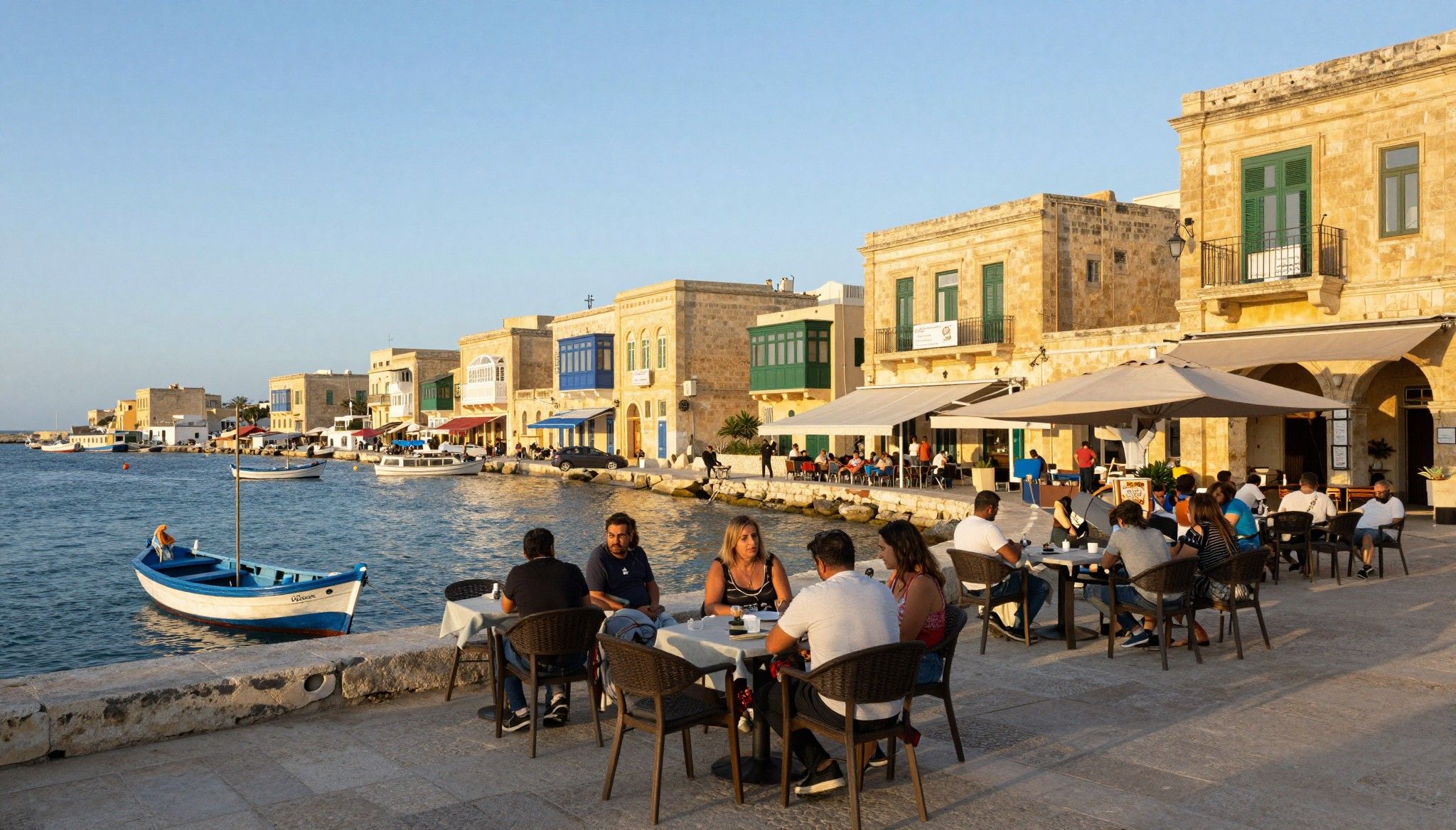
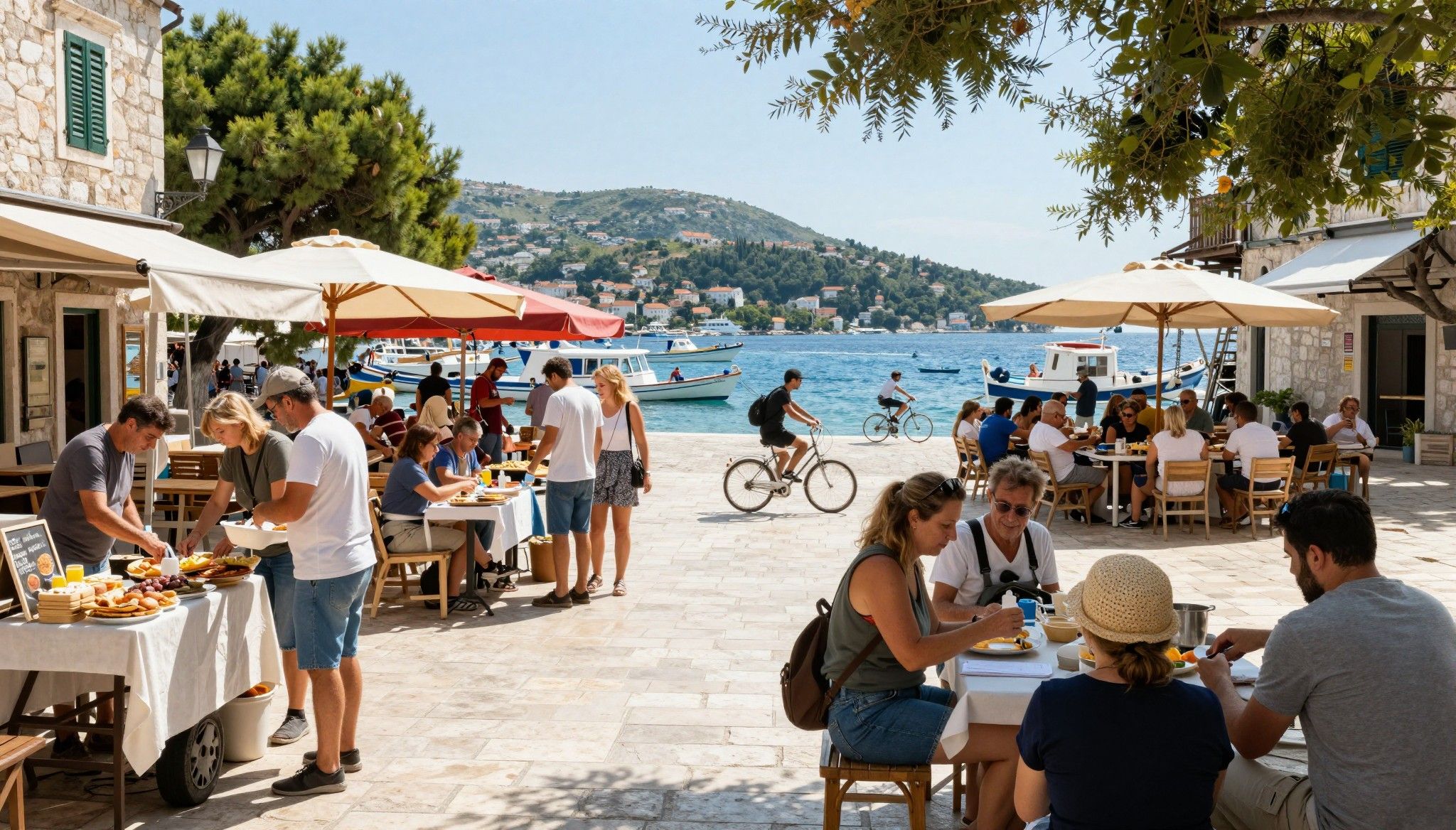
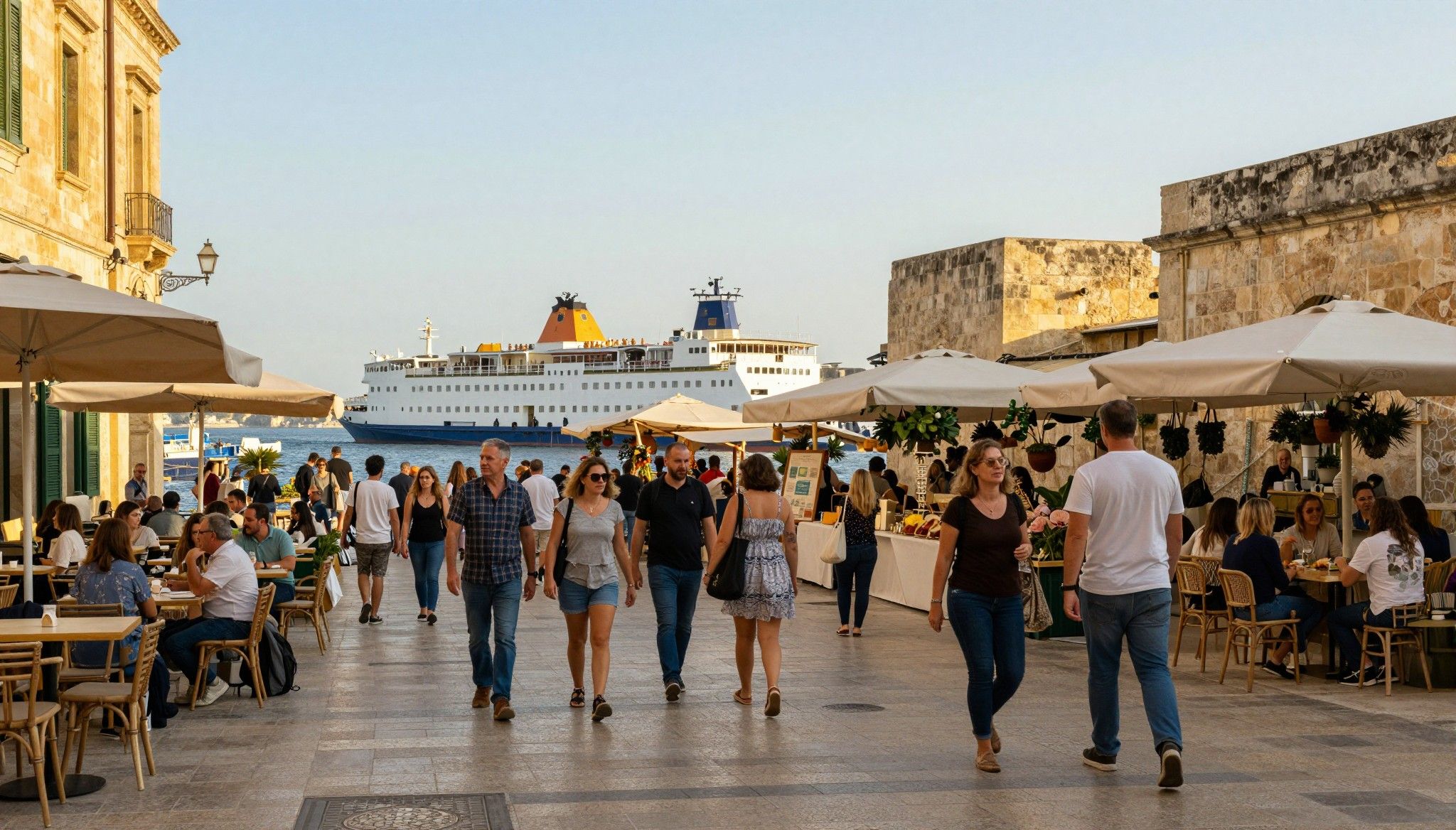
Imagine standing at an outdoor table on Via dei Coronari in Rome at 10am: espresso, a baker’s warm fragrance, and the city unfurling in slow acts. That quotidian detail is why buyers fall for Italy — not only the monuments but the rhythms: morning markets, late dinners, plazas that stay alive after dark. Yet the picture in real estate headlines is mixed. Recent market analysis shows modest price growth alongside faster transaction volumes, and that blend changes where international buyers should look and when they should strike.
Living the Italian urban life
City living in Italy feels lived‑in rather than staged. In Milan, mornings are neat and efficient: takeaway cappuccino on the way to a tram, lunches that last 45 minutes. In Rome, courtyards and narrow lanes keep secrets — a greengrocer still opens at dawn on Via Cola di Rienzo. Naples smells of coffee and frying oil; Genoa’s lanes curve toward the sea. For buyers this matters: the apartment you buy is also your neighbourhood’s daily choreography.
Neighborhood spotlight: Trastevere, Navigli, Brera
Each city has its signature block. In Rome’s Trastevere you’ll find cobbled lanes, aperitivo spillover, and tiny trattorie where the staff know regulars by name — an advantage if you value community. Milan’s Brera and the Navigli district host galleries and designer ateliers; expect late nights and strong short‑term rental demand. In Florence, Oltrarno’s artisans still run workshops on narrow streets — ideal for buyers who want an active, craft‑led neighbourhood. These pockets affect liquidity, rental potential and everyday comfort.
Food, markets and weekend rhythms
Markets shape life: Mercato Centrale in Florence, Campo de' Fiori in Rome, and Porta Genova in Milan are more than shopping hubs — they are social stages. Weekends mean market runs, aperitivo by the canal, and a late Sunday lunch that stretches into evening. For buyers this means kitchens and storage matter; a well‑configured apartment for fresh‑food living is often more valuable than a second bedroom.
- Lifestyle highlights to test in person
- Stroll early at Mercato di Testaccio (Rome) for afternoon produce and neighbourhood gossip
- Afternoon aperitivo along Naviglio Grande (Milan) to watch canals and local life
- Saturday morning espresso and pastry on Via Toledo (Naples) followed by a walk to the waterfront
Making the move: lifestyle meets market reality
Dreams are the first step; data keeps them durable. National statistics show house prices rose year‑on‑year in 2025 while transaction volumes climbed — a sign of renewed market activity. That combination creates pockets of opportunity: busy markets where prices move steadily, and quieter streets where negotiation room still exists. Know which you prefer before you start viewing.
Property types and how they fit daily life
Historic apartments (centro storico) offer texture: frescoes, thick walls, small windows and central squares outside your door. New builds give reliable insulation, lifts, and balconies suited to modern living. Nomisma’s outlook points to moderate price growth concentrated in primary markets — meaning inner‑city classic flats often hold value, while peripheral new builds may offer better yield for rental or renovation projects.
Why local experts matter for lifestyle matches
An agency that knows the neighbourhood rhythm — which corner cafe closes in August, where the night market sets up in spring — will save weeks. Local agents provide street‑level intelligence on maintenance norms, condominium rules, and common renovation realities in old buildings. Ask agencies for past clients who bought in the same block and for photos of recent work they supervised.
- Checklist: blend lifestyle and practical when evaluating a property
- Walk the block at 8am, midday, and 10pm to sample noise, deliveries, and evening life
- Inspect storage, kitchen layout and ventilation — food culture makes these primary living spaces
- Confirm condominium (condominio) minutes for the past three years to spot recurring repairs
- Ask local agents for comparable sales on the same street, not just the neighbourhood
Insider knowledge: expat realities and seasonal truths
Expats often romanticise central squares and seaside weekends. Reality includes summer closures (many small shops in July and August), condominium governance that can delay renovations, and municipal rules on short‑lets that differ by city. Macro trends — affordability pressure across Europe — mean buying in Italy now requires clear priority setting: lifestyle day‑to‑day versus long‑term capital growth.
Language, community and daily integration
You do not need fluent Italian to live well, but a few phrases open doors. Local clubs, market stalls, and voluntary associations are where integration happens. Choose a neighbourhood where expats and locals mix — for instance, Parioli in Rome or Porta Romana in Milan — if you want faster social assimilation and English‑friendly services.
Seasonal timing: a contrarian take
Summer viewings are misleading in tourist areas: streets appear fuller, cafes bustle, and landlords may price optimistically. Counterintuitively, late autumn and winter produce clearer signals — quieter streets reveal long‑term neighbour profiles and heating costs become visible. For accurate value assessments, schedule viewings across seasons or rely on local agents who record year‑round living conditions.
- Red flags locals watch for
- Repeated condominio levies without clear capex plan (could mean future extraordinary charges)
- Water stains near cornices in historic buildings (roof drainage issues are common and costly)
- Properties with strong short‑term rental history where local rules are tightening
Longer view: how life evolves here
From weekend escape to everyday life
Many buyers say the first year is about rituals: favoured baker, the bar where you’re greeted by name, and small repairs that become community stories. Over time the neighbourhood’s cadence matters more than the initial ‘wow’ of a view. That is why we recommend lifestyle‑first viewing followed by transactional diligence.
- Next steps if Italy feels right
- Shortlist 3 neighbourhoods by lifestyle, then ask local agents for recent street‑level comparables
- Arrange multi‑season viewings and request condominium minutes plus recent utility bills
- Use an agency experienced with international transactions to manage translation, tax counsel and notary selection
If you can picture your morning routine in a particular piazza, start there. Italy’s cities reward those who buy with attention to daily life rather than headline numbers. Work with local experts who can translate that picture into contracts and inspections. The lifestyle is lived in small, repeatable acts — and a careful purchase makes those acts possible for years.