When Italy’s Price Reputation Hides Local Opportunity
Italy’s cities hide opportunities beneath their reputations: seasonal markets, neighbourhood rhythm and data-backed price pockets reveal lifestyle value for international buyers.
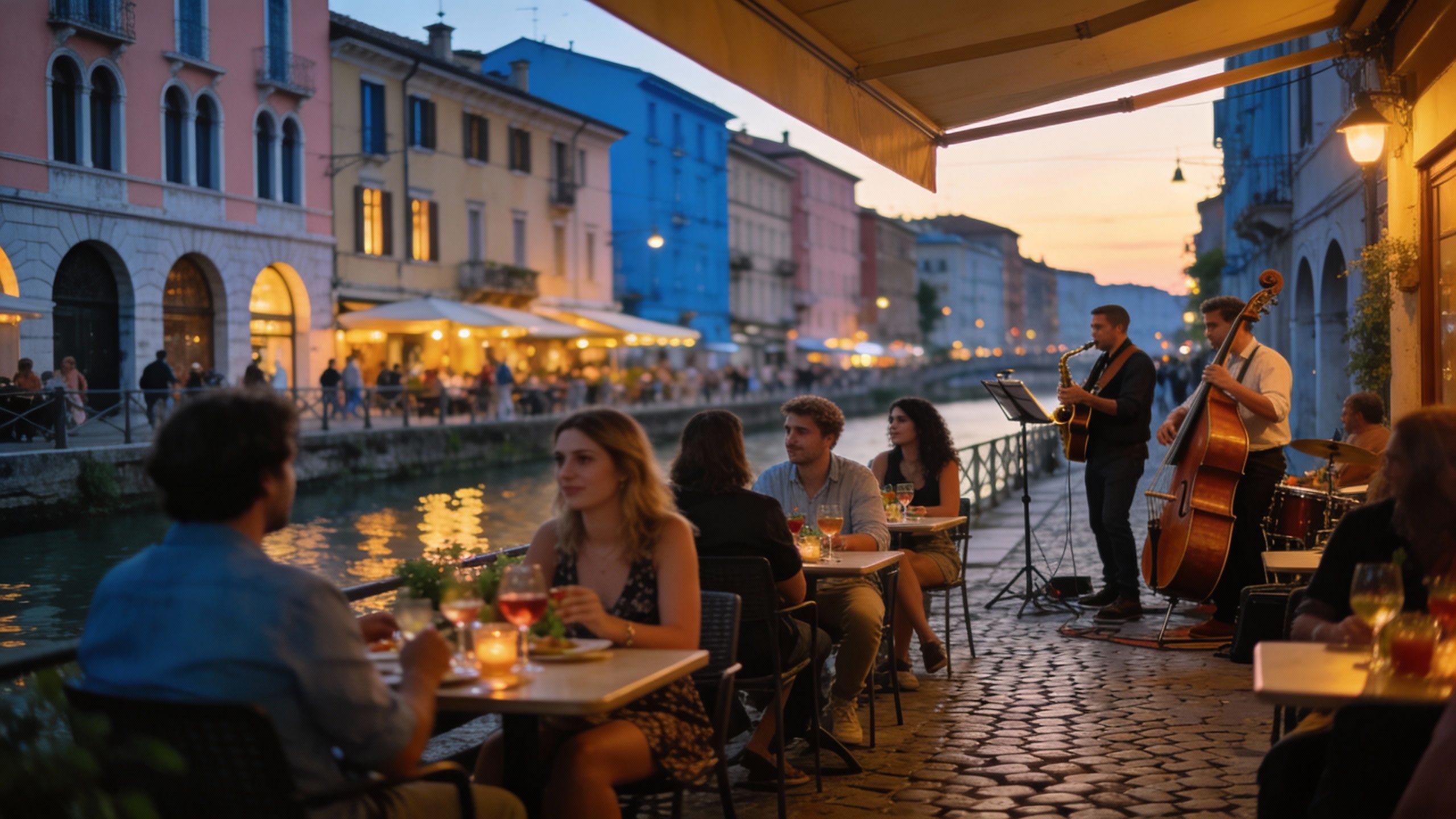
Imagine stepping out at dawn in Milan’s Brera, espresso in hand, cobbled streets still damp and the baker already sliding pane from the oven. Picture a Tuesday market in Naples’ Pignasecca where fishmongers banter and the cost of a great meal beats most city-centre rents elsewhere in Europe. Italy is not one country but a collage of rhythms — frenetic finance districts, sleepy hill towns, and seaside lanes that feel unchanged for generations. That contradiction is why many international buyers misunderstand Italy: lifestyle and price signals often point in different directions, and that’s where opportunity lives.
Living the Italian urban life
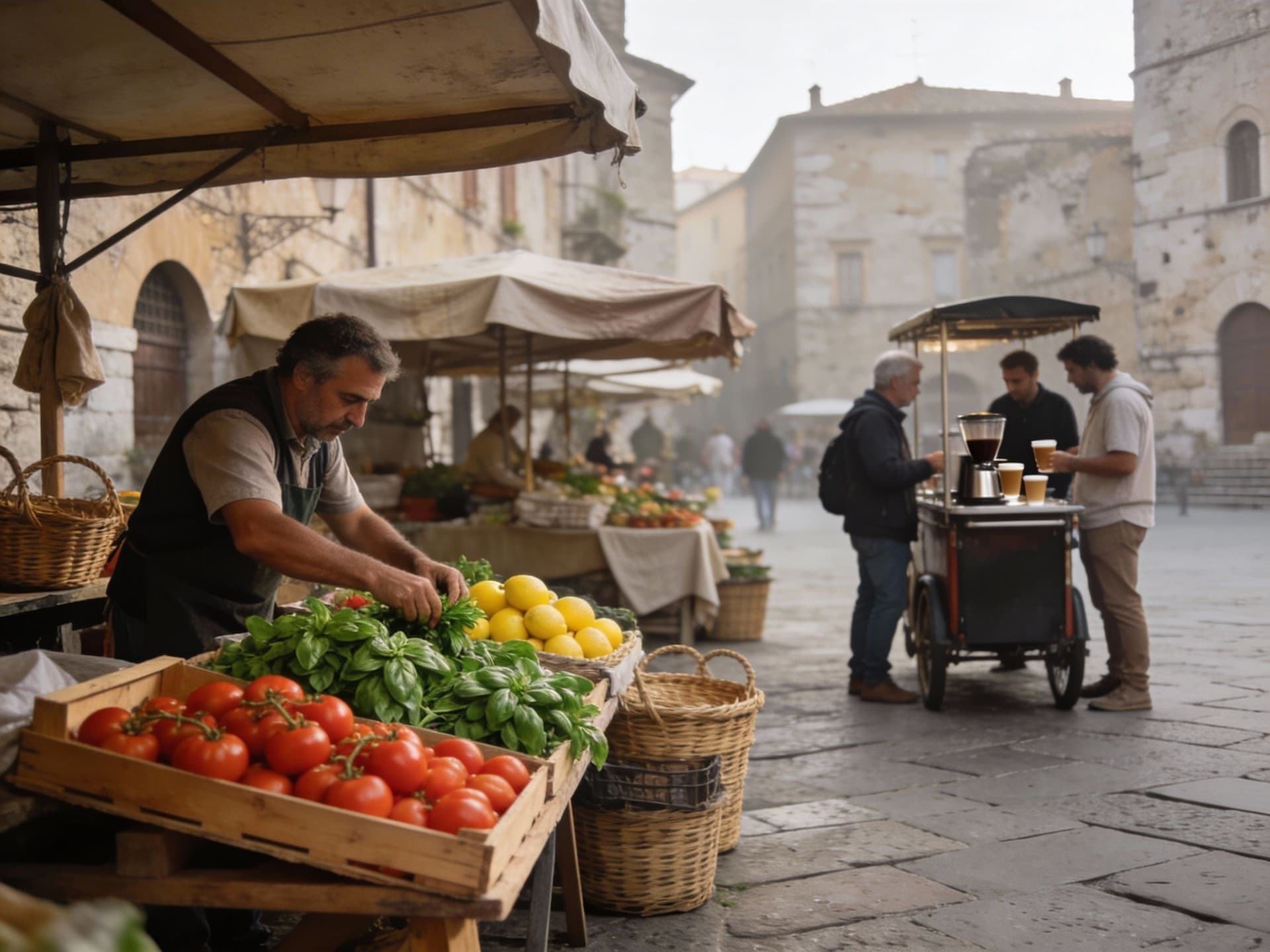
City living in Italy is sensory — the clack of tram wheels in Turin, terraces in Rome filling at twilight, the smell of roasting chestnuts in November. Neighborhood personality matters more than municipal borders: in Florence you buy into a centuries-old routine of morning markets and late dinners, while in Bologna the student energy reshapes cafes and rental demand. For buyers, lifestyle choices (walkability, outdoor space, market access) often drive long-term satisfaction more than headline price per square metre.
Milan: fast lanes, slow lunches
Milan’s centre — Brera, Navigli, Porta Nuova — hums with business and design energy. You’ll trade morning quiet for a concierge, excellent international schools, and a short hop to Lake Como on weekends. Recent reports note a growing influx of high‑net‑worth residents attracted by favourable tax regimes and a strengthened luxury market; that raises prices in prime pockets but also relieves rental demand in surrounding neighbourhoods. If you want culture and connectivity, Milan delivers; if you want cheap square metres, look elsewhere.
Rome, Naples and the coastal cadence
Rome mixes stately piazzas with neighbourhoods like Trastevere and Prati that feel like villages within a city. Naples offers a different rhythm: intense street life, shorter commutes, and surprisingly strong yields in areas like Chiaia and Vomero. Coastal living — from Genoa’s reviving port districts to Lecce’s Baroque lanes — brings micro‑seasons: summer tourism inflates short‑term demand, while winter reveals true local life and steadier pricing. Those seasonally driven markets can reward buyers who time viewings outside high season.
- Lifestyle highlights to look for
- Morning markets: Mercato Centrale (Florence), Porta Palazzo (Turin), Campo de' Fiori (Rome).
- Cafe culture: espresso counters in Milan's Brera and Palermo’s Vucciria for late-night street food.
- Hidden walks: the Oltrarno workshops in Florence; the promenade from Boccadasse in Genoa to the city beaches.
Making the move: practical considerations
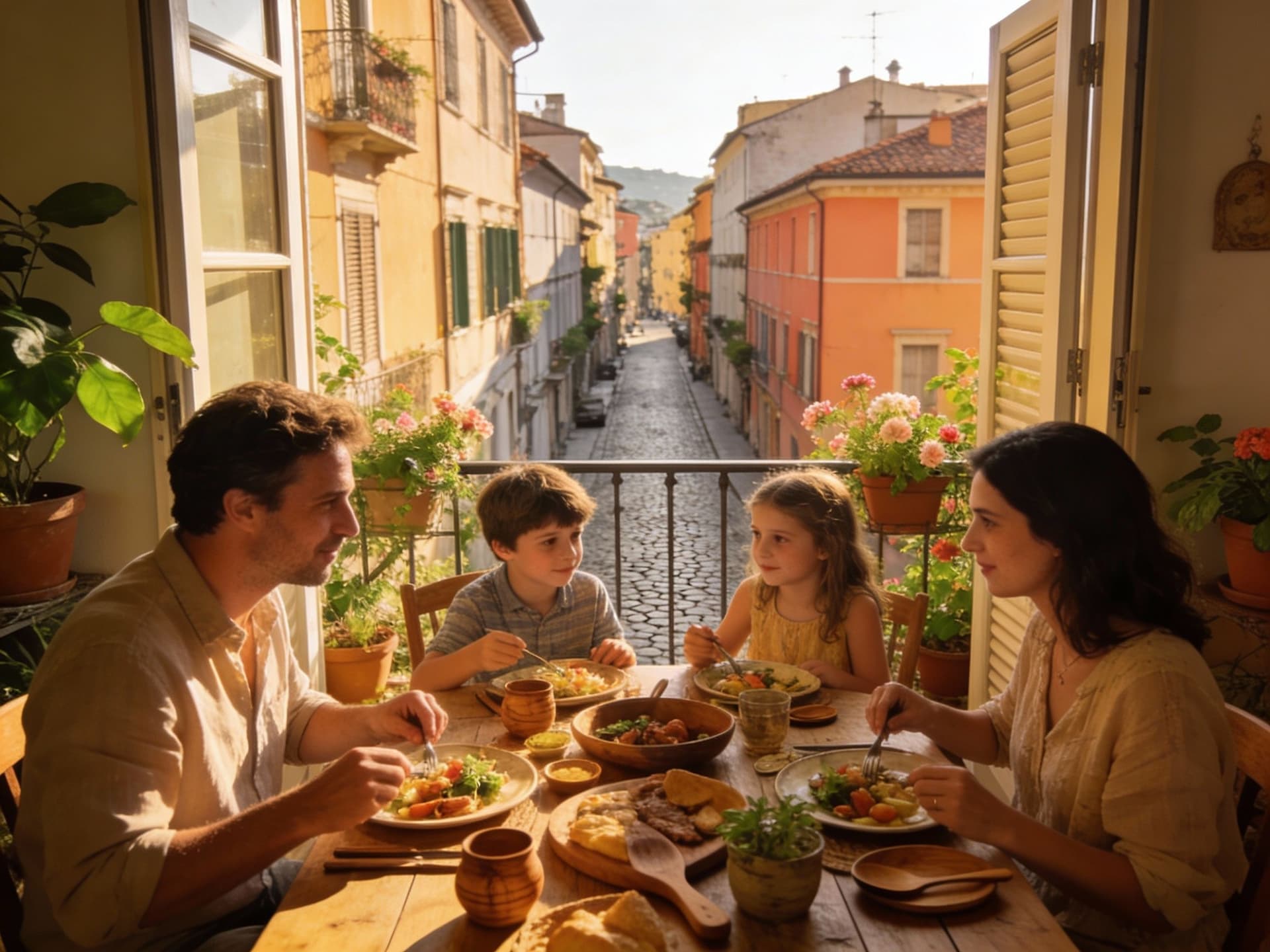
Dreams meet paperwork sooner in Italy than many expect. Basic facts — a codice fiscale (tax code), a notarised deed, and local registration — are non-negotiable. Market data shows uneven recovery: northern hubs are pricier but offer lower yields, while southern and secondary cities can deliver higher gross yields and lower entry prices. Treat these as lifestyle tradeoffs: more money buys central cultural access; less money buys daylight, terraces, and greater rental upside.
Property styles and what they mean for daily life
Historic apartments with high ceilings feel cinematic but often hide wiring, damp, and higher renovation bills. Modern condos in new Milanese developments grant elevators, parking and insulation but cost a premium. Terraced homes and small villas in regions like Puglia or Liguria deliver outdoor living and immediate lifestyle payoff. Choose a property type that matches daily rituals: if you love cooking with fresh produce, proximity to markets and a practical kitchen matters more than period frescoes.
- How local experts protect the lifestyle you want
- Work with a bilingual agent who knows neighbourhood rhythms and off‑market spots; they’ll save you time and reveal streets residents actually favour.
- Hire an independent notary and a surveyor to check boundaries, energy class (APE) and building permits — these technicalities shape living costs and renovation choices.
- Ask for local utility bills and condominium minutes: a sunny terrace is great, but high condo fees can dull the joy quickly.
Insider knowledge: what expats wish they'd known
Expat lessons start small: the best butcher, the bus that’s actually on time, the barista who remembers your order. Cultural integration takes months, not days — learn local shop schedules, accept slower bureaucracy, and invest time in your neighbourhood. Many buyers also underestimate seasonal rhythms: markets and restaurants change hours in August and January, which affects short‑term rental income and your social life. Those are the details that change whether a place feels like home.
Language, community and daily norms
You don’t need perfect Italian to live well, but a few phrases unlock neighbourhood warmth. Join a local club, volunteer at market stalls, or attend a neighbourhood festa — these are the frictionless ways to belong. For families, school rhythms and local pediatrics matter; for remote workers, check broadband in apartments and coworking spaces in city hubs. Integration is the secret ingredient that determines long‑term satisfaction.
Long-term lifestyle considerations
Think five to ten years ahead: energy efficiency regulations, changing tourism patterns, and transport upgrades reshape desirability. Properties with outdoor space, good insulation, and easy access to reliable services age better in Italian markets. If you plan to rent, target areas with stable year‑round demand — university districts, business corridors, or well‑served commuter towns.
- Red flags buyers often miss
- Unresolved condominium disputes; missing building permits for past renovations; unclear property boundaries in historic centres; unusually low utility bills (a sign of poor insulation); limited lift access in upper-floor units.
Think of an Italian purchase as buying into a way of life as much as a building. Good agents translate rhythm into reality: they’ll show you where to buy for morning markets, which streets keep their charm after tourist season, and which renovations actually add value. We recommend a short scouting trip outside high season, bring a local expert, and get formal checks before making an offer.
- Step-by-step checklist before you bid
- 1) Get a codice fiscale and pre-approval for any mortgage; 2) Commission an APE energy report and structural survey; 3) Ask for two years of utility and condominium accounts; 4) Use a bilingual lawyer/notary to review the compromesso and deed.
Italy rewards patience. Buy the neighbourhood you imagined, not just a picture of it. If you do that, the next espresso you order on that piazza will feel like confirmation — not coincidence.
Ready to see how those breakfasts, markets and neighbourhood rituals translate into real listings? Start with a short scouting trip outside peak season, bring a local agent, and ask for concrete data: recent sale prices on your street, utility bills, and permit checks. Small preparation unlocks the Italian lifestyle — and protects your purchase.
Conclusion: Italy isn’t uniformly expensive or cheap — it is intensely local. Match the neighbourhood to your daily life, check the technicals that determine cost of living, and let local specialists save you months of guesswork. If you want help translating a lifestyle into a shortlist of real addresses, we’ll show you streets where locals actually live, eat and stay — and why those streets matter for value.
Swedish expat who moved from Stockholm to Marbella in 2018. Specializes in cross-border legal navigation and residency considerations for Scandinavian buyers.