Italy’s Urban Life: Neighbourhoods, Data and Real Talk
Italy’s city life is intimate and sensory—piazzas, markets and neighbourhood bars—but buyers must match lifestyle choices to local price trends and legal realities. Data-backed, local tips inside.
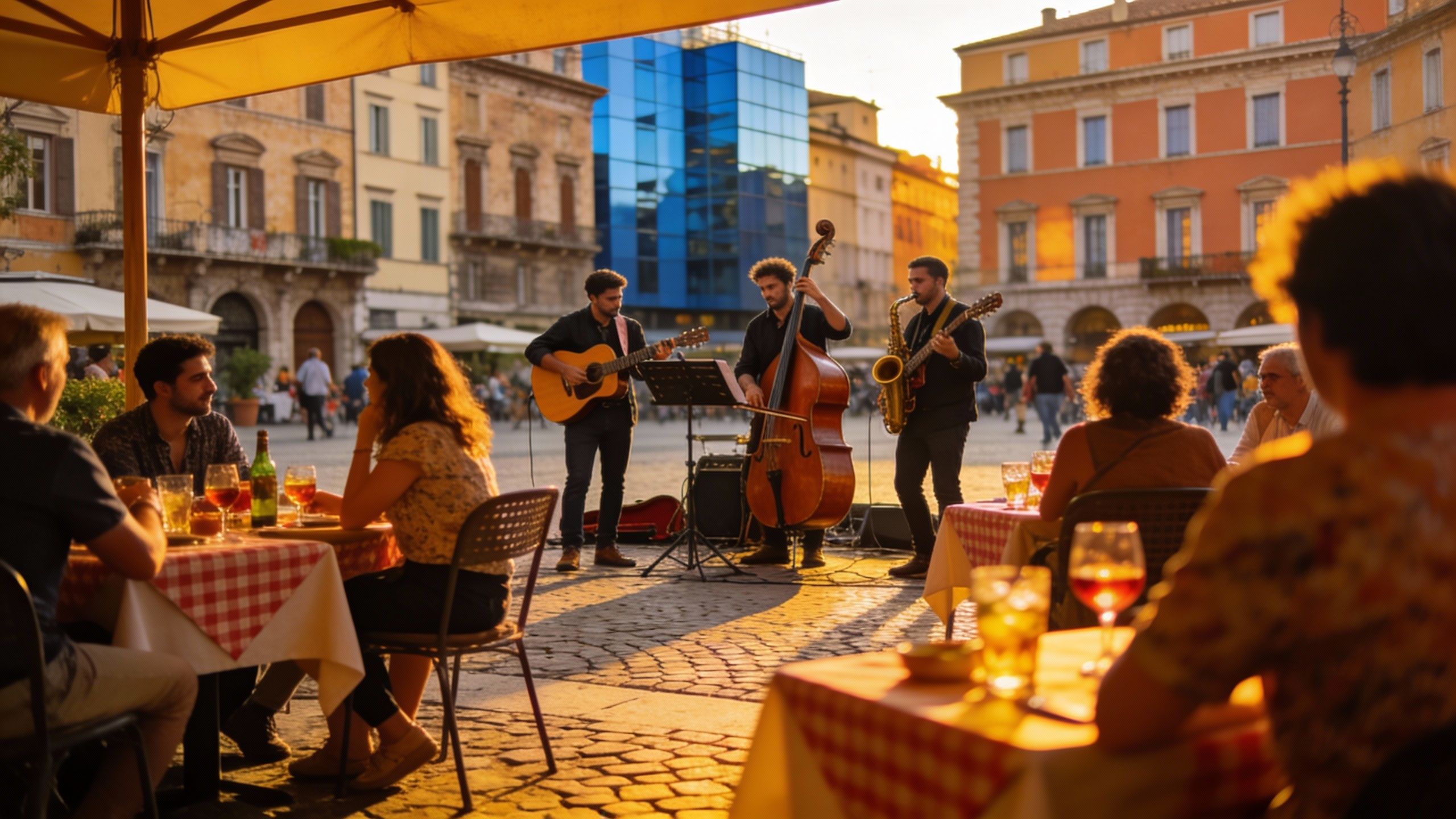
Imagine sipping an espresso under a plane tree on Via Margutta, a bicycle bell chimes, and an afternoon market spills tomatoes, cheese and conversation onto the sidewalk. Italy moves at close-up scale: piazzas that act like living rooms, neighbourhood bars where the same faces arrive every morning, and layers of history that change how you use space. For international buyers dreaming of city life that’s soulful and walkable, Italy’s urban hubs—Milan, Rome, Florence, Naples—feel more like neighbourhoods you join than investments you own. But the romantic picture hides practical differences between districts, price trajectories, and local rules; we’ll start with the life you’ll wake up to, then get practical on what to look for and what to avoid.
Living the Italy Life: Streets, Cafés and Rhythm
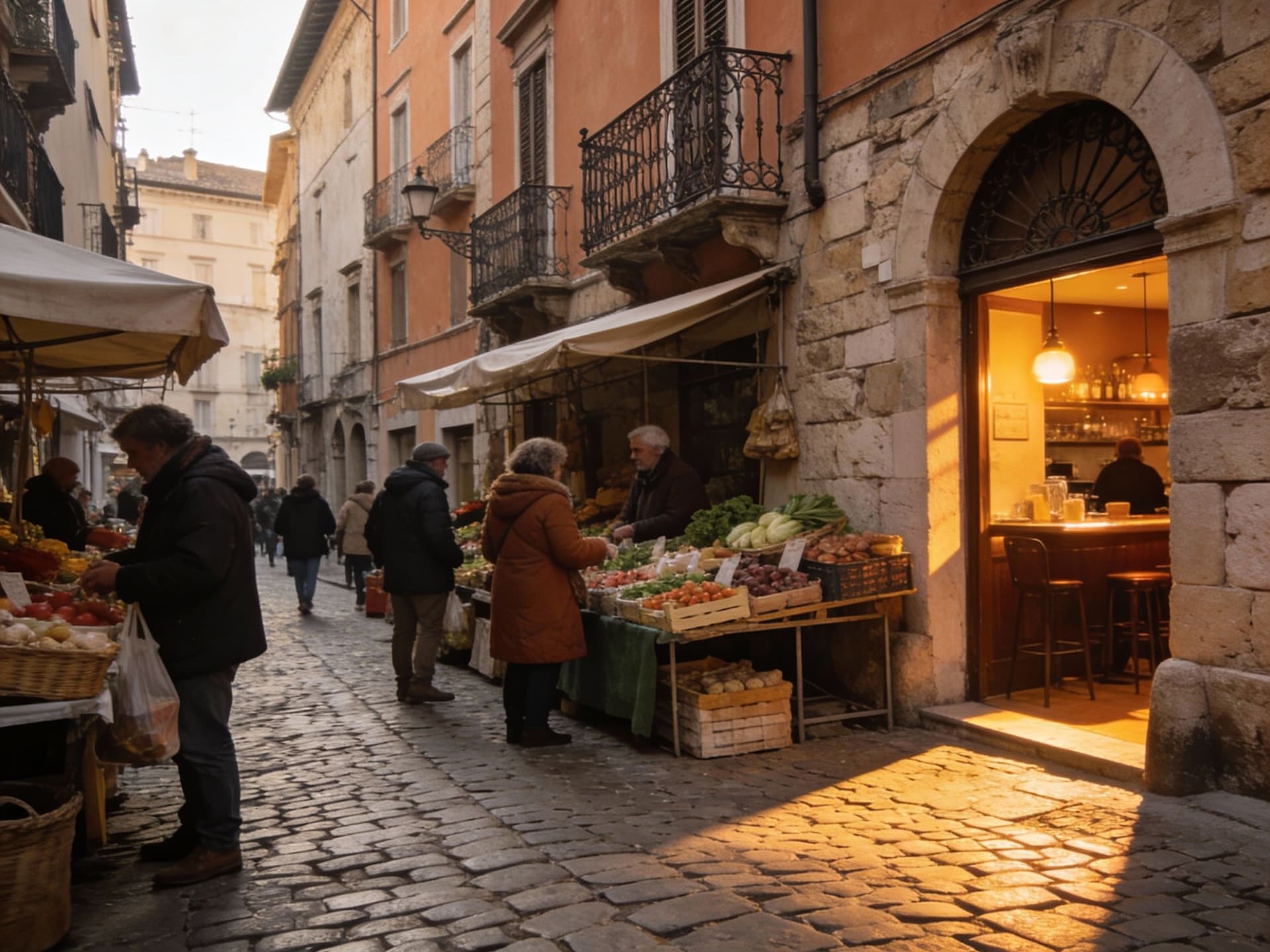
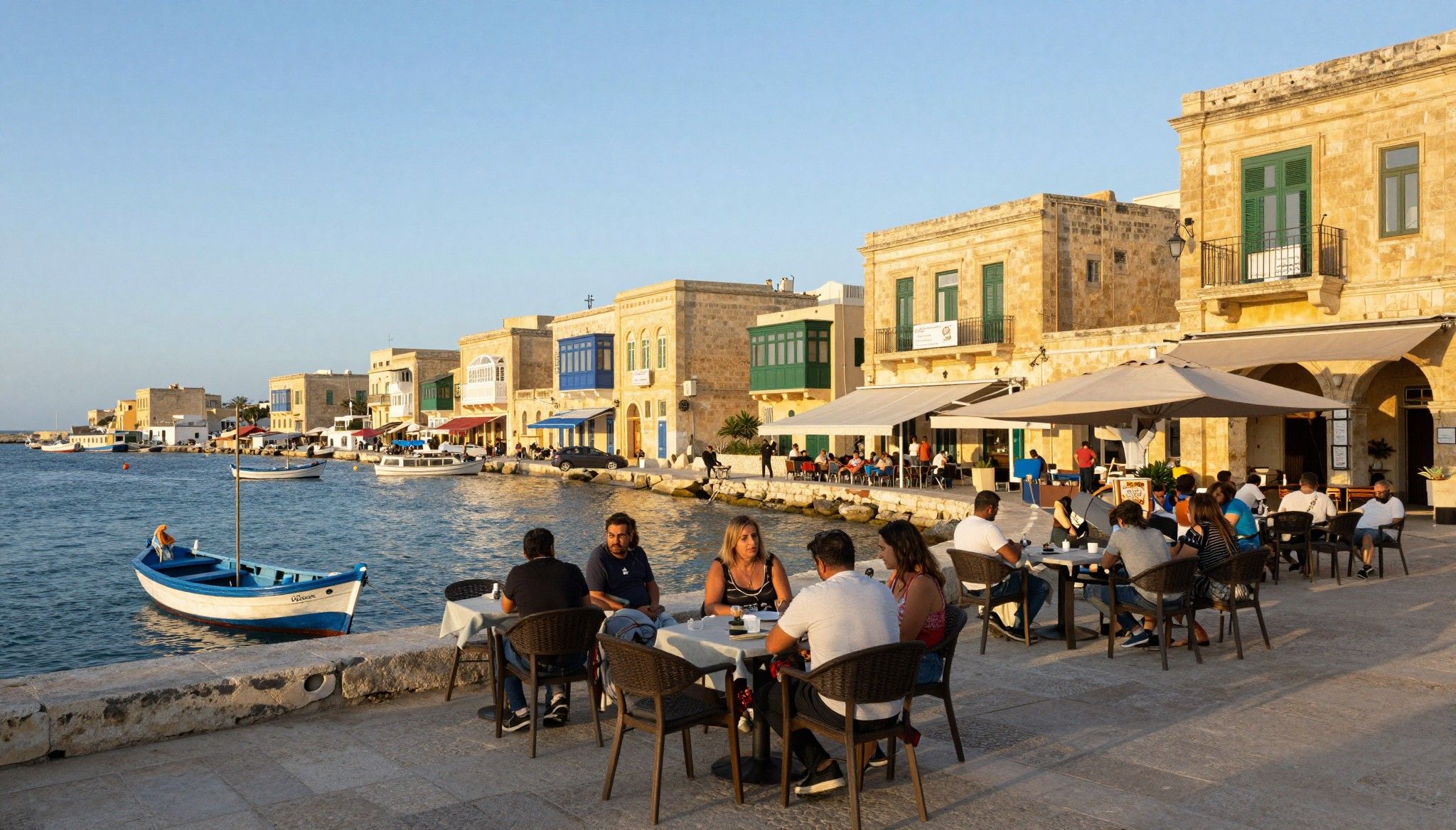
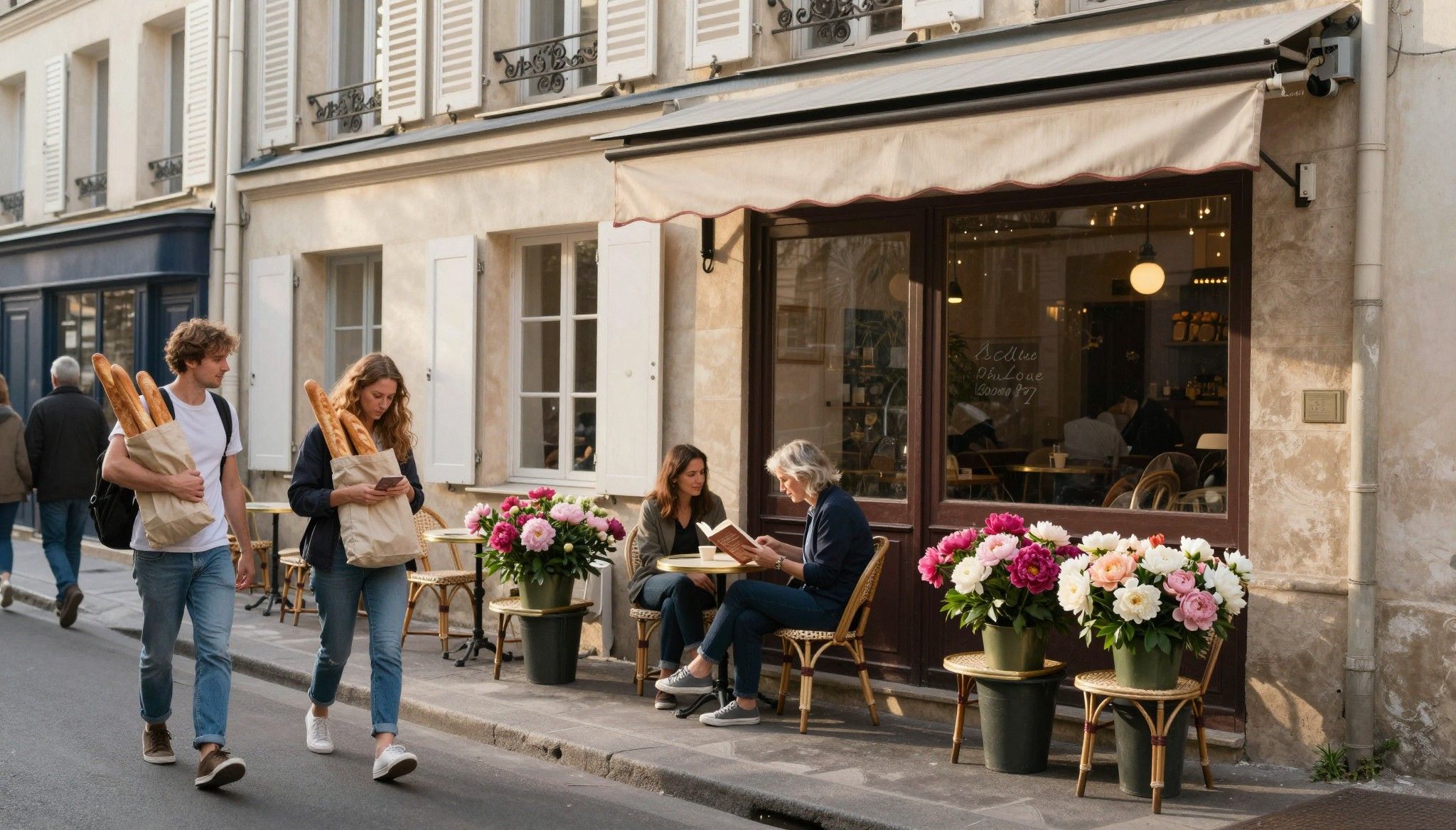
Start mornings in a neighbourhood bar — in Rome that might be near Piazza Navona, in Milan a Corso Como corner — where a quick coffee becomes a daily social thread. Days are organised around small rituals: markets at dawn (Mercato di Porta Romana in Milan, Campo de' Fiori in Rome), a long lunch in summer courtyards, and passeggiatas that reshape how you value proximity to parks and public transport. This is why buyers often prioritise a lively street or an open square over extra square metres: life in Italy is spatially dense and socially oriented. If you want to live like a local, choose a block with a morning market, an artisan bakery and a local pharmacy within a ten-minute walk.
Neighbourhood Spotlights: Milan, Rome, Florence
Brera in Milan is palette and rhythm: cobbled streets, small galleries and late-night osterie that make a compact apartment feel expansive. In Rome, Trastevere still offers that postcard charm but look one block over—Viale Trastevere or Monteverde—and you’ll find better value for similar life-readiness. Florence’s Oltrarno gives workshop culture and slow evenings by the Arno; it’s quieter than the historic centre but close enough to walk to museums and markets. These neighbourhoods are more than aesthetics; they determine your daily logistics, rental potential, and the kind of community you’ll join.
Food, Markets and the Afternoon Ritual
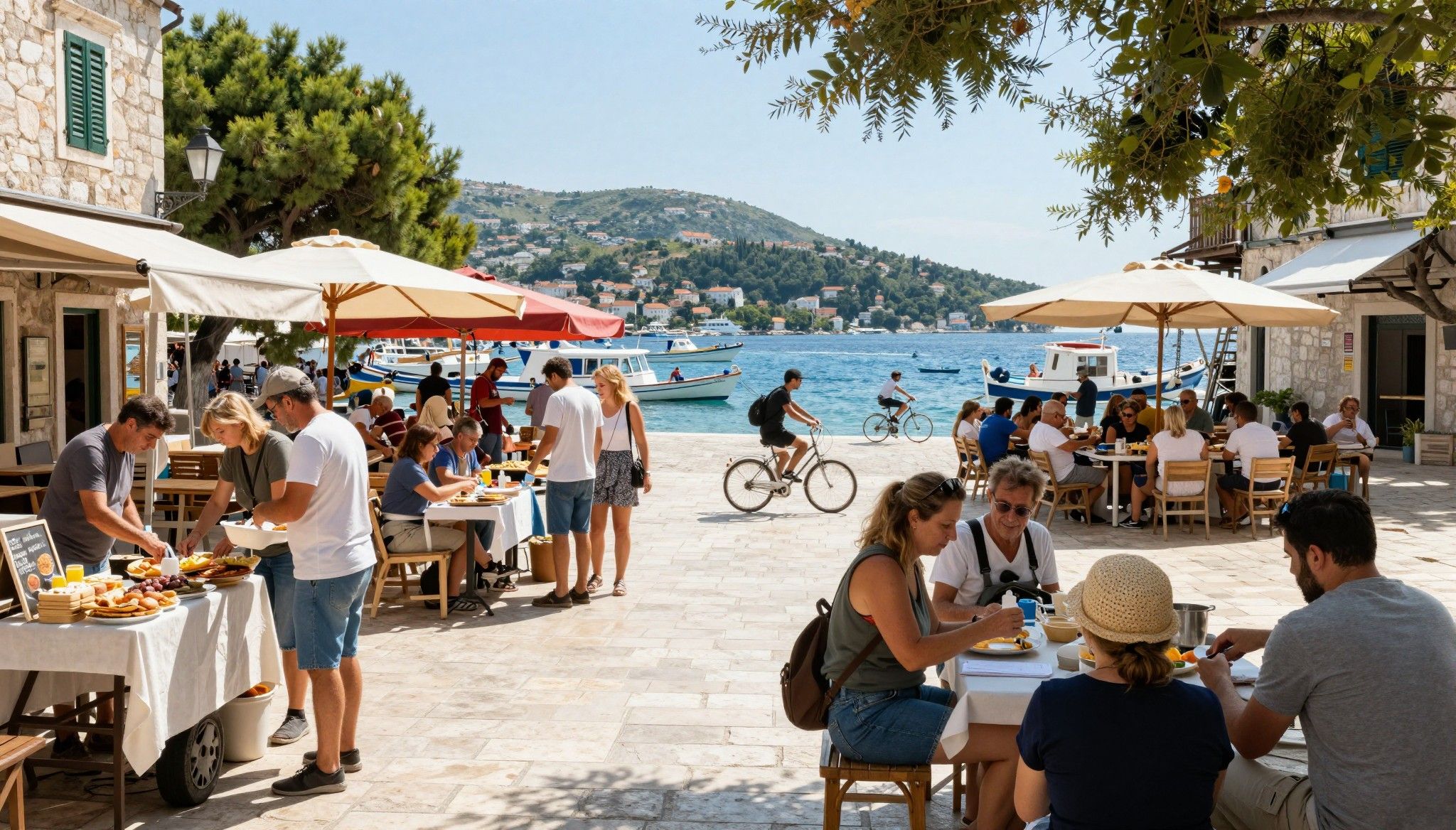
Italy’s food life is a structural advantage for lifestyle buyers. Fresh produce markets (Campo de' Fiori, Mercato Centrale in Florence, Mercato di Porta Romana) structure the week, while neighbourhood trattorie and informal aperitivo scenes create evening community. For buyers who cook, look for apartments with easy access to covered markets and a practical kitchen footprint; for those who socialize out, proximity to vibrant piazzas and well-regarded osterie matters more than an extra bedroom. Seasonal rhythms—olive harvest in the hills, summer beach weeks—also shape short-term rental demand if you plan to let the property.
- Brera (Milan): galleries, late-night osterie, short walks to parks
- Trastevere fringe (Rome): nightlife nearby, better price one block in
- Oltrarno (Florence): artisans, river access, quieter evenings
- Mercato di Porta Romana (Milan): morning market and produce
Making the Move: Lifestyle Meets Market Reality

Your dream morning must meet market realities: prices vary dramatically by city, district and building condition. Nationally, official figures show steady year-on-year price rises in 2024–2025 in existing dwellings, but with clear regional differences — growth stronger in the North-East and slower in the South and islands. That means the experience of daily life (walkability, markets, cafés) should be balanced against local price momentum and resale prospects. We recommend pairing a lifestyle map with up-to-date index data before making choices: it prevents emotional overpaying for a single romantic street.
Property styles and what they mean for living
Historic centros have character but come with quirks: narrow stairwells, conservation rules, and unpredictable maintenance bills. New-builds near transport hubs offer modern systems and higher energy efficiency but usually less of the intimate street life you moved for. Renovations are a common route—buy a less expensive flat, then renovate to modern standards—but factor in permit timelines and heritage restrictions, which can add months and unexpected costs. Nomisma’s recent analysis reinforces this split: buyers are shifting between restored historic units for lifestyle buyers and new builds for long-term rental plays.
Working with local experts who know the life you want
A good local agency is the bridge between your lifestyle brief and the legal, technical realities. Tell your agent the small rituals that matter—morning market, evening passeggiata, proximity to a playpark—and they’ll map neighbourhoods you might otherwise miss. Agencies also flag hidden red flags (unpermitted renovations, troublesome condominio boards, or noisy late-night streets) that undermine the lifestyle you thought you were buying. When you tour, test the life: visit at 8am, midday and 9pm to sense the rhythm before you commit.
- List neighbourhood checks-to-do before offer: 1) Visit at different times of day; 2) Ask neighbours about building history; 3) Confirm market access and delivery logistics; 4) Check noise and sunlight patterns; 5) Review recent condo meeting minutes for special assessments
Insider Knowledge: What Expats Wish Someone Told Them
Expats often tell us the same surprises: neighbourhood borders matter more than official postal districts, and a single quiet street can change your daily life. Regions like Puglia have seen sharp interest recently—buyers who traded Chianti crowds for whitewashed trulli found more space and renovation upside, but they also discovered local permitting quirks and tourism seasonality. Knowing how a neighbourhood breathes through spring festivals, summer tourism spikes and winter quiet is what keeps your lifestyle authentic rather than aspirational.
Cultural integration and everyday practicalities
Language matters in small things: condo meetings, utility disputes and renovation permits are easier when you have a local contact or an agency that speaks Italian. Social life often begins with routines—coffee at the same bar, school gate chats, local market stalls—and those micro-connections make a neighbourhood feel like home. Expect a gentler pace: bureaucracy can take longer than you’d expect, but the payoff is a deeper place-based life if you’re willing to wait and participate. Join a language course, volunteer at a market stall, or find a neighbourhood soccer pitch—these are not just cultural tips, they’re practical ways to secure local goodwill when you need permits or neighbourly support.
Long-term lifestyle and what grows in value
Over a decade, properties near reliable transport, good schools and stable local services outperform those that traded on temporary hype. Official indexes show steady, regionally varied growth—so consider long-term community quality (medical, schools, green spaces) over short-term tourist buzz. Nomisma and national statistics both point to a market consolidating after 2023–24 volatility: think longer horizons, modest returns, and rents that support holding costs if you plan to let. That strategy matches lifestyle buyers who want both daily joy and financial prudence.
- Key red flags to avoid: 1) Unpermitted structural work; 2) High condo arrears or looming special assessments; 3) Properties with poor sunlight or no cross‑ventilation; 4) Locations with extreme seasonality unless you accept vacancy months
We’ve painted the life you could lead in Italy: morning markets, cobbled streets, aperitivo rituals and tight-knit neighbourhoods. The practical path is clear too: pair the lifestyle you want with local market data, work with an agency that understands both your tastes and the legal nuances, and do the timing and on-the-ground visits that protect your heart—and your wallet. If you’re ready to explore specific neighbourhoods for the life you want, we can map a three‑month plan: three neighbourhoods, three budgets, and the documentation you’ll need to make a confident offer.
Swedish expat who moved from Stockholm to Marbella in 2018. Specializes in cross-border legal navigation and residency considerations for Scandinavian buyers.