Malta: Buy the Street, Not the Postcard
Malta’s lifestyle-rich islands reward buyers who prioritise street-level life over postcards; discover neighbourhood trade-offs, market signals and practical steps for a confident purchase.
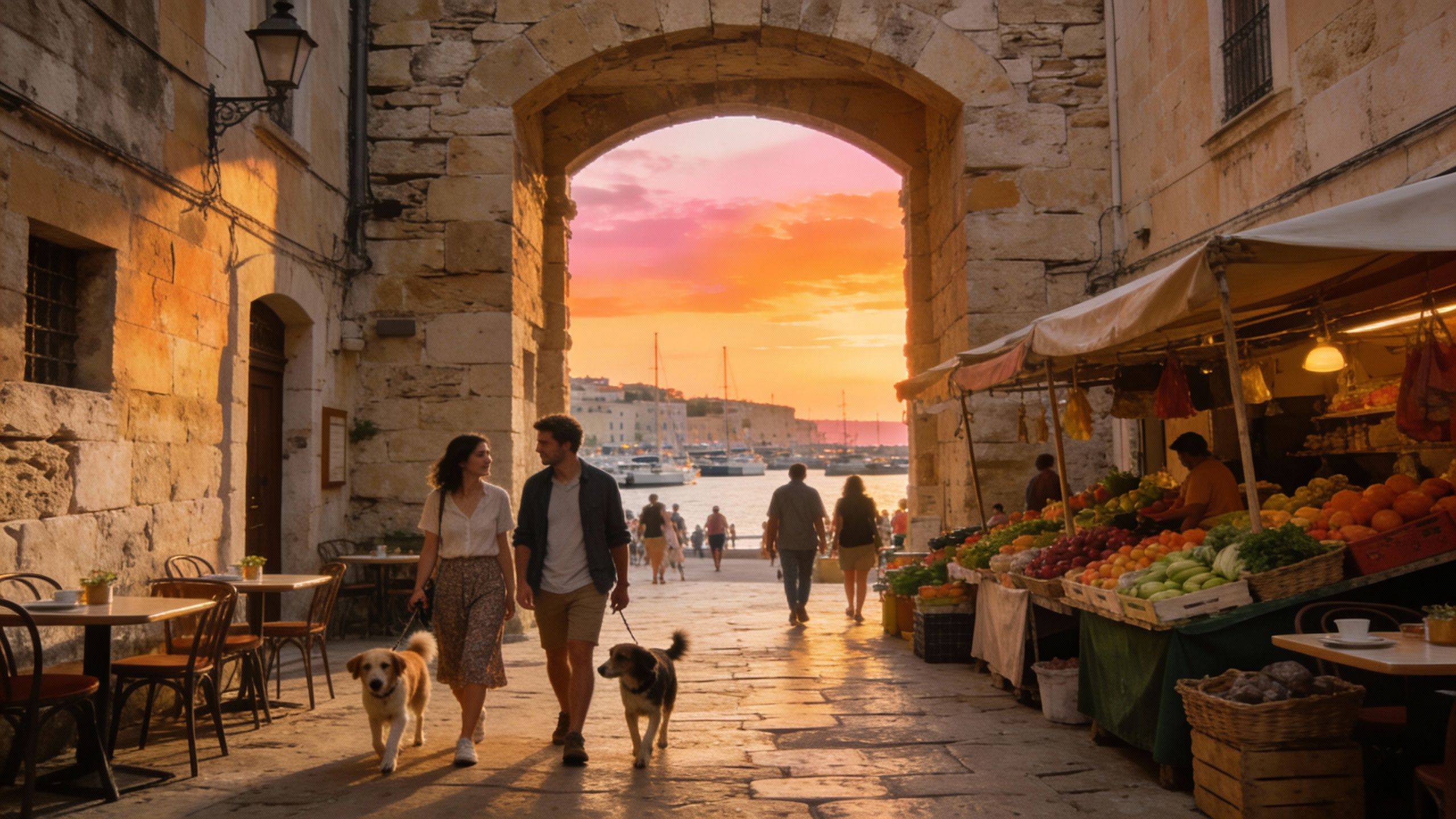
Imagine early morning in Valletta: narrow limestone streets filling with the smell of espresso, fishermen hauling crates at Marsaxlokk, and a Saturday market in Ħal Tarxien where old neighbourhood faces trade gossip and tomatoes. Malta is compact enough that your daily walk rearranges your week—coffee in Sliema, sunset on the Dingli Cliffs, cocktail in St. Julian’s. That everyday variety is why international buyers dream here, and also why choices matter: a single street can re-write your morning routine and long‑term value.
Living the Malta life: neighborhoods that actually shape days
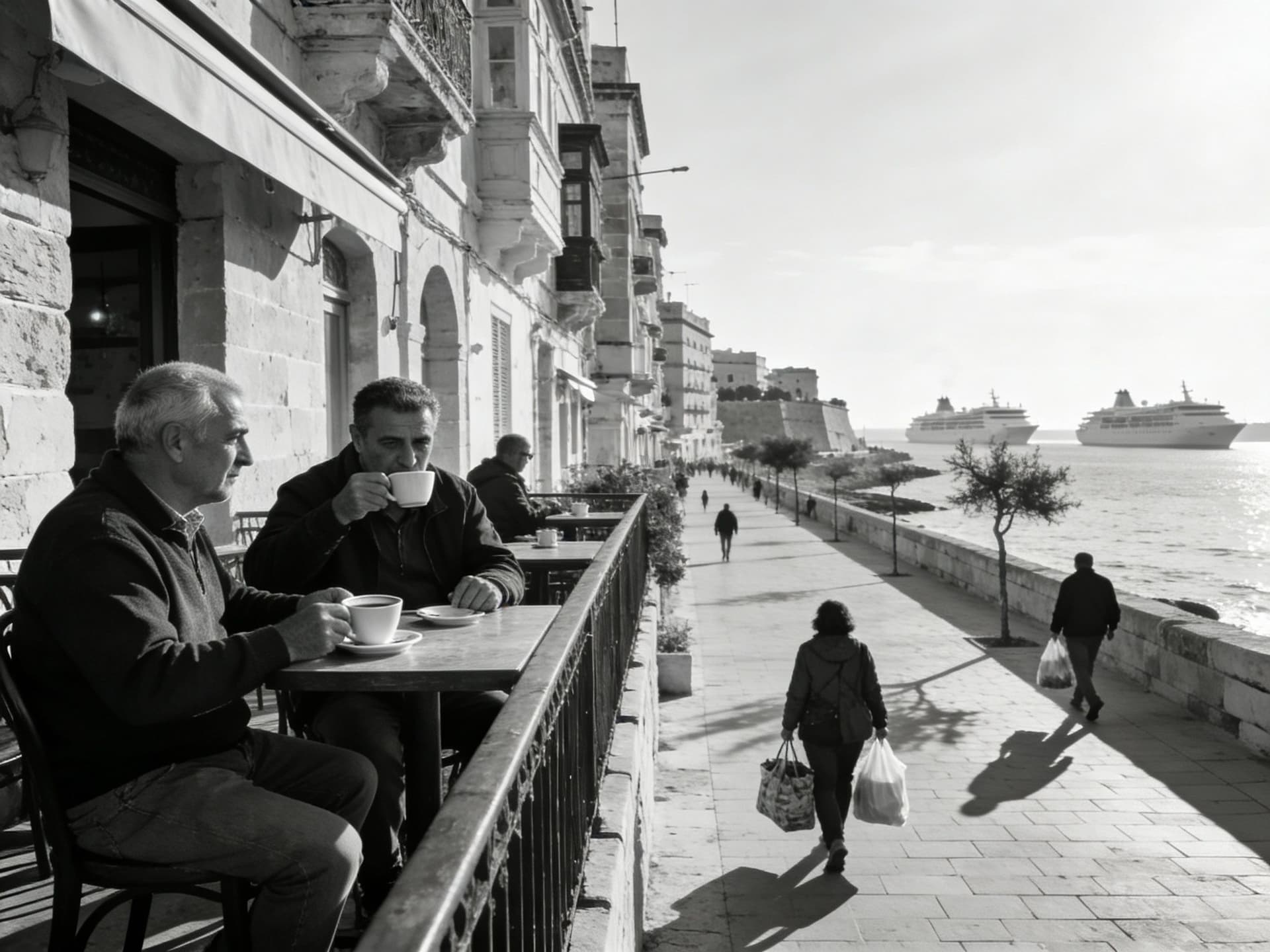
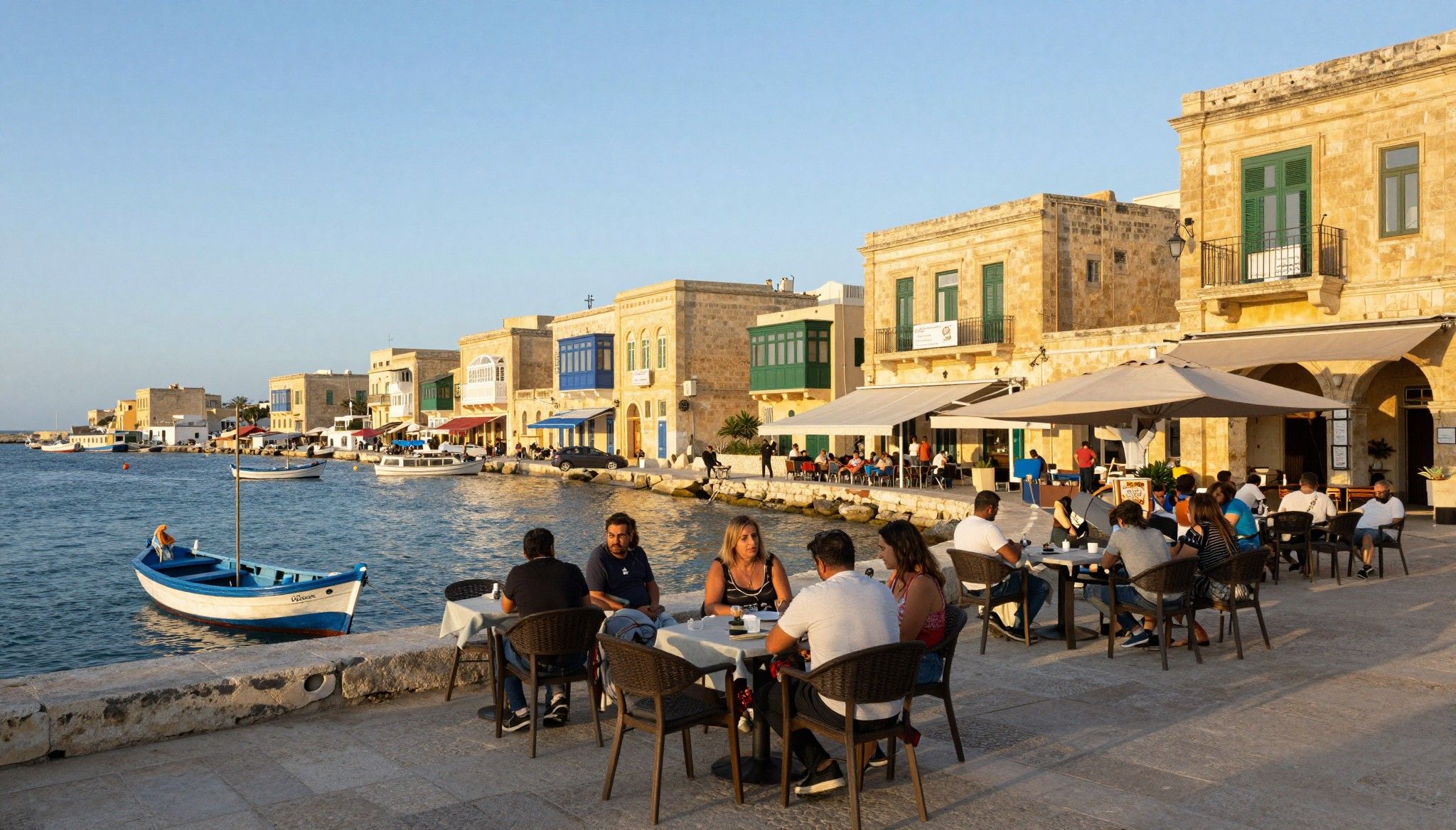
Life in Malta moves at Mediterranean cadence: long lunches, late evenings, and workdays that bleed into the sea. Sliema’s seafront promenade feels like a weekday ritual; St. Julian’s packs nightlife and short-term rental demand; Mdina gives you quiet historic courtyards. Each area answers a different life question—where you’ll buy groceries, where your kids will walk to school, whether you’ll hear church bells or DJ sets at night.
Sliema & Gzira — the coffee‑and-commute strip
Picture a weekday rhythm of espresso-to-email: Sliema’s terrace cafés, boutique fitness studios on Tower Road, ferries to Valletta, and a steady stream of international professionals. Apartments and penthouses here trade on convenience—close to schools, embassies and coworking hubs—so expect denser price tags but reliable rental demand.
St. Julian’s & Portomaso — nightlife, marinas and short‑term demand
If you want evenings that stretch past midnight, choose the Bay and Portomaso precincts. St. Julian’s draws hospitality workers, expats and investors chasing short‑term returns. The tradeoff is noise and seasonal flux—great lifestyle now, different reality in quiet January months.
- Lifestyle highlights: Sliema promenade cafés; Il-Mensija fish stalls at Marsaxlokk; Mdina’s quiet alleys and Saturday artisan markets; the Dingli cliffs for weekend runs; Spinola Bay sunset terraces; local festas in small towns that fill the calendar.
Making the move: practical realities married to lifestyle choices
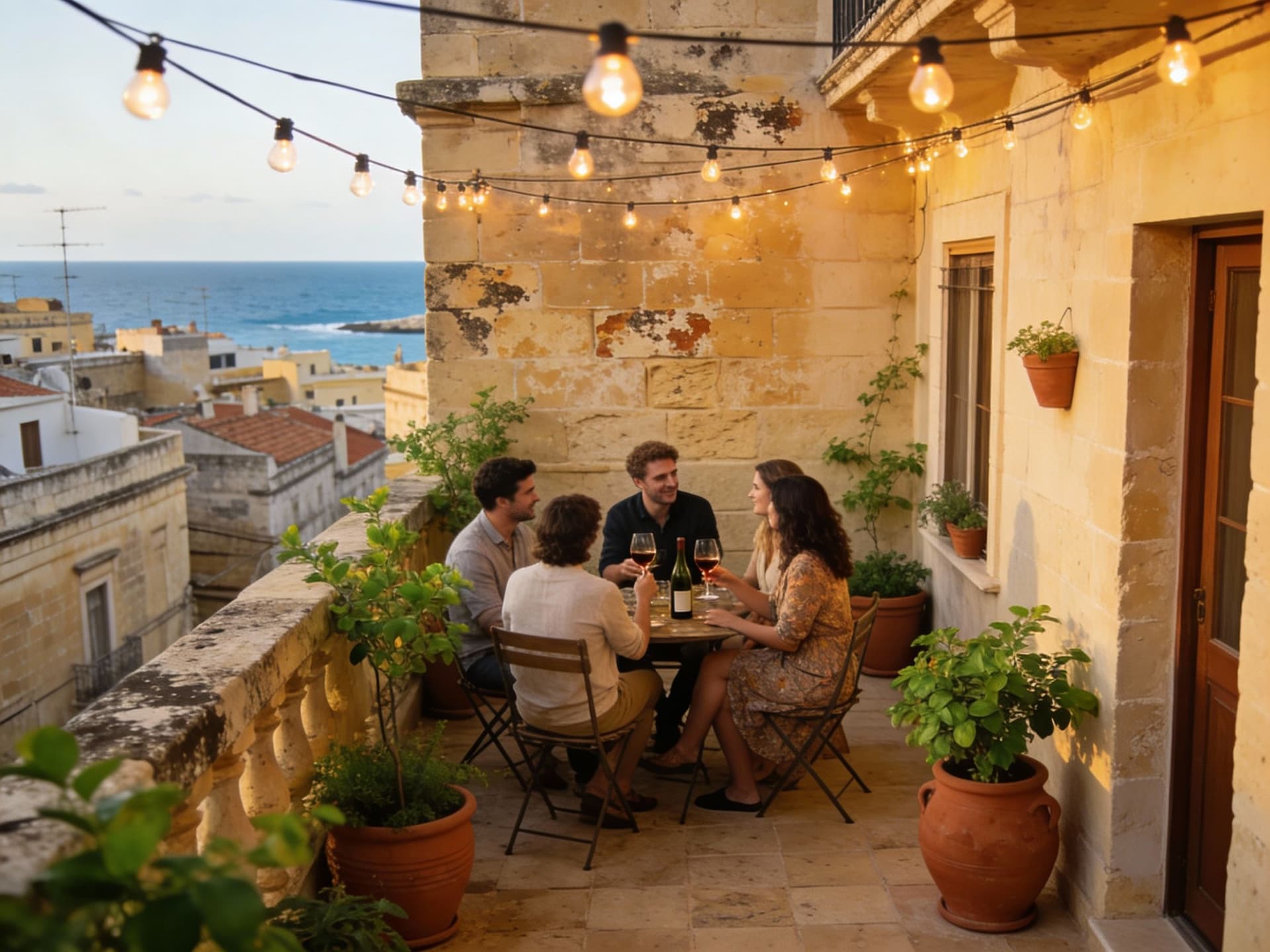
Malta’s market is tight by geography and buoyed by steady demand. PwC’s 2025 real estate survey documents rising advertised prices and stronger luxury growth—context that should shape how you set budgets and expectations. Lifestyle-driven buyers must reconcile the romantic image of stone townhouses with supply constraints, rising building permit scrutiny, and the practicalities of heating/cooling in limestone properties.
Property types — what really fits daily life
Choose heritage townhouses for character and a slower rhythm—expect narrow staircases, thick walls and conservation rules. Modern apartments buy convenience and insulation but often trade outdoor private space for balconies. For families, maisonettes with roof terraces deliver outdoor life; for investors, Sliema/Gzira apartments outperform on rent.
Work with agencies that translate lifestyle into listings
An effective local agent is more than a seller: they map your week. Tell them where you want morning coffee, which school you prefer, and how often you host. Good agents in Malta know which streets have quieter nights, which blocks flood in heavy rains, and which heritage rules will affect renovation timelines.
- Practical steps that combine lifestyle and legal sense: 1. List your weekly routines (school, commute, cafés) before searching. 2. Prioritise energy efficiency and insulation—Malta’s limestone needs different fixes. 3. Inspect rooftop terraces for waterproofing—seasonal storms matter. 4. Check local UCA rules early if you want a house of character. 5. Budget for agent-led title checks and a local notary appointment.
Insider knowledge: expat mistakes and contrarian takes
Buyers often fall for seaside postcards—waterfront vistas sell dreams but not necessarily year‑round life. The contrarian pick? Streets two blocks inland from Spinola Bay where mornings are quieter, local shops persist and prices are measurably lower while still delivering the same social life. PwC data show stronger growth in luxury segments; that means looking off‑headline streets can reduce cost while preserving lifestyle.
What expats wish they’d known
Many newcomers underestimate local rhythms: festas intensify community ties but also close streets; summer tourists change service hours; and English is widely spoken but Maltese fills small‑town social life. Expat owners tell us they should have visited the neighbourhood at 7am and 10pm before bidding—different times reveal different realities.
Longer‑term considerations for a life here
If residency is part of your plan, note recent MPRP updates and property thresholds: rules changed in 2024 and 2025 and will shape what counts as qualifying accommodation. Expect due diligence timelines and proof-of-funds checks that take weeks. Plan timing around legislation and have a licensed agent or lawyer early in the process.
- Red flags to watch on street level: • Unauthorised extensions in UCAs (can block future permits). • Recurrent damp on roof terraces (cheap fixes hide big costs). • Short‑term rental saturation in certain blocks (affects community and yields). • Vague boundary descriptions in older deeds—ask a notary to confirm.
- A measured six‑week buying checklist for busy buyers: 1. Two site visits at different times of day. 2. Local agent shortlist + reputation checks. 3. Preliminary title and UCA rule review by a Maltese notary. 4. Structural and waterproofing survey focused on terraces and limestone walls. 5. Clear budget for immediate fixes and energy upgrades. 6. Residency paperwork plan if applying under MPRP.
Malta rewards buyers who pair imagination with discipline. You can have morning swims and late-night opera, neighbourhood cafés and an efficient school run—but only if your property choice reflects how you live the week, not only how you want your weekends to look. Start with the street, not the postcard.
Next steps: visit at different times, commission a terrace/waterproofing survey, ask your agent for three comparable recent deeds on the street, and if residency matters, confirm property qualification with a licensed MPRP agent before offering. These steps preserve lifestyle and limit surprises.
Dutch relocation advisor who moved to Marbella in 2016. Guides Dutch buyers through visa paths, relocation logistics, and balance of lifestyle with value.