Malta’s Compact Advantage: Live Large in a Small Country
Malta’s compact size is its selling point: walkable neighbourhoods, fast-moving prices and residency rule changes mean lifestyle choices closely affect value.
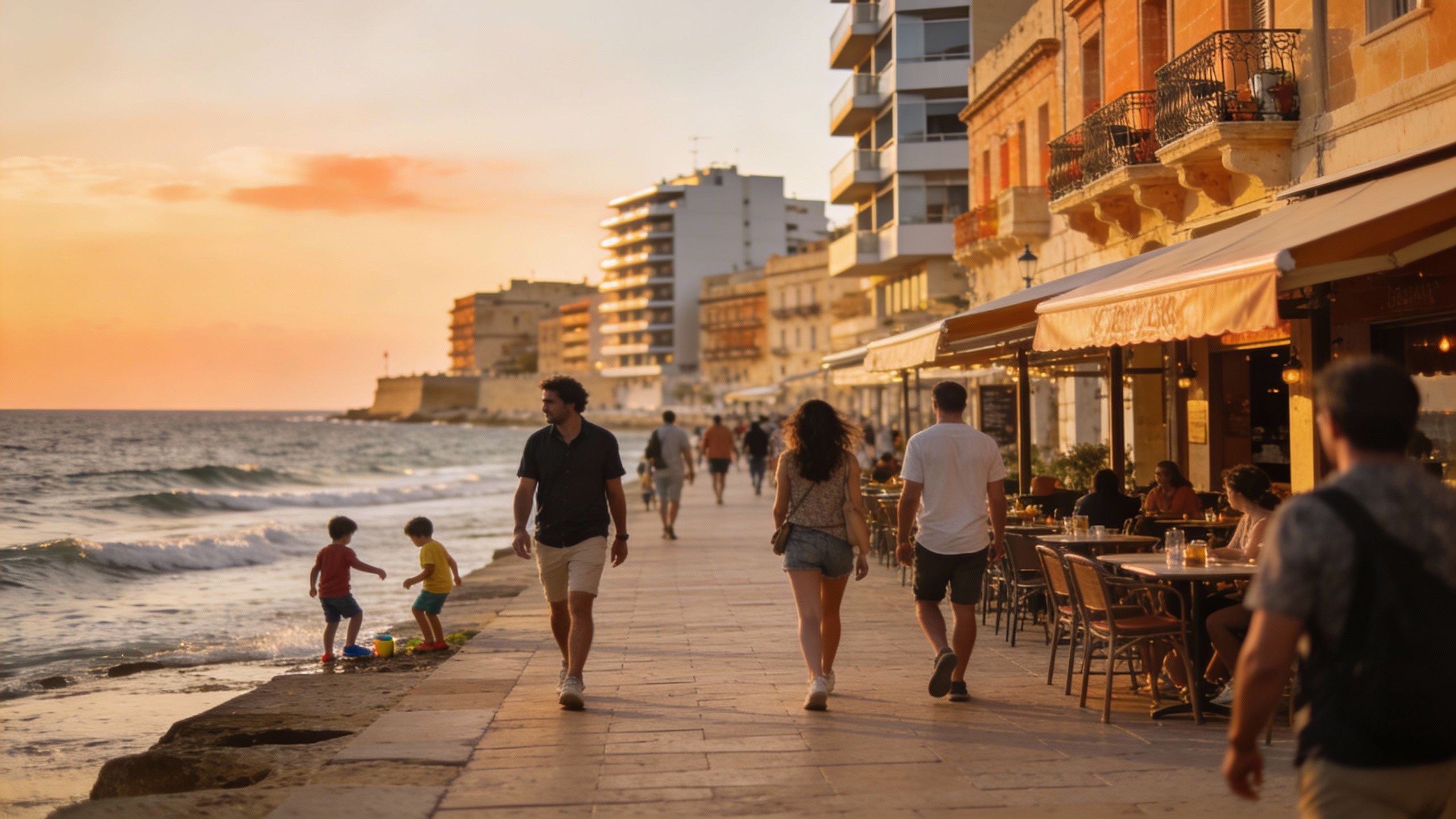
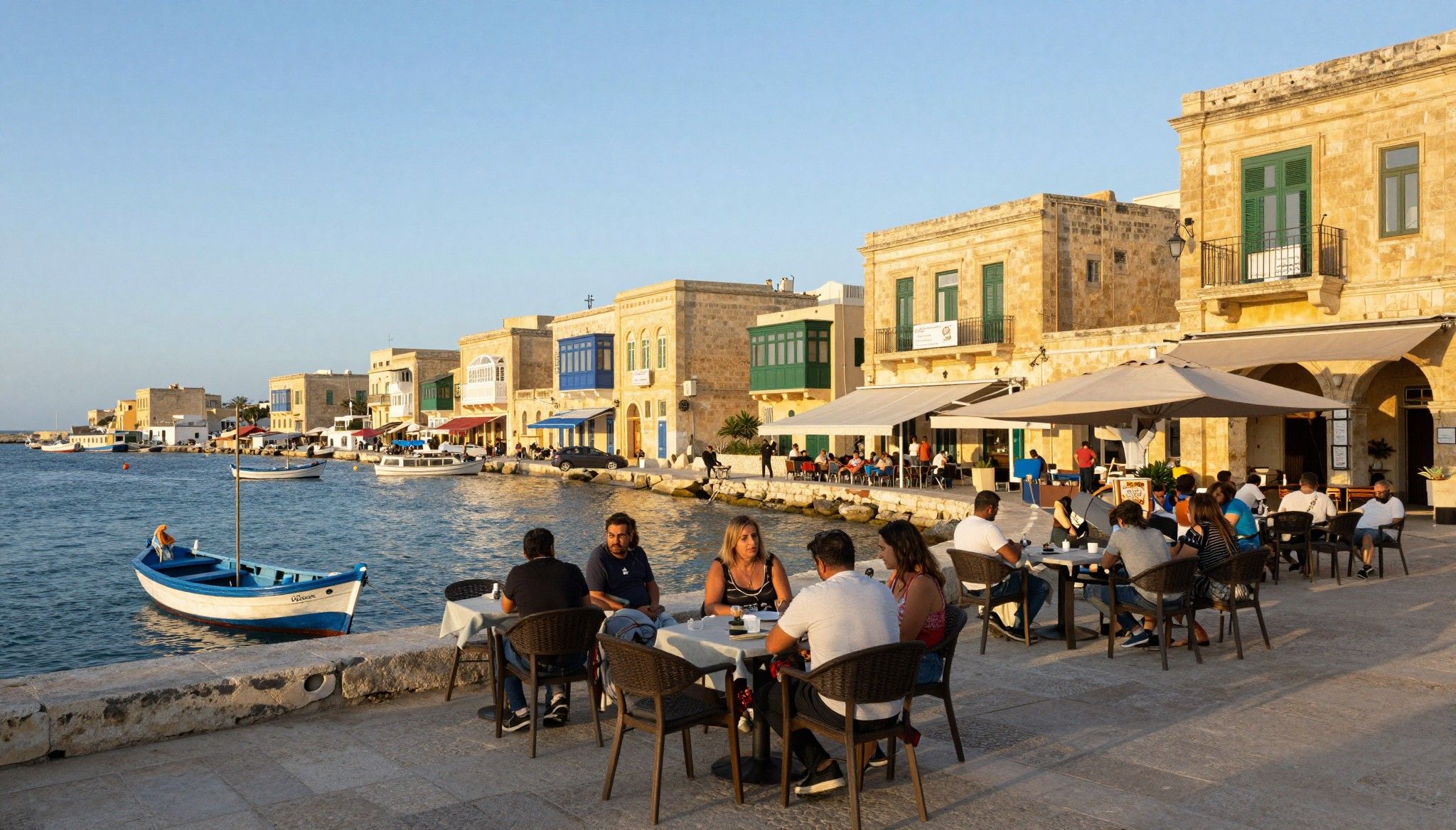
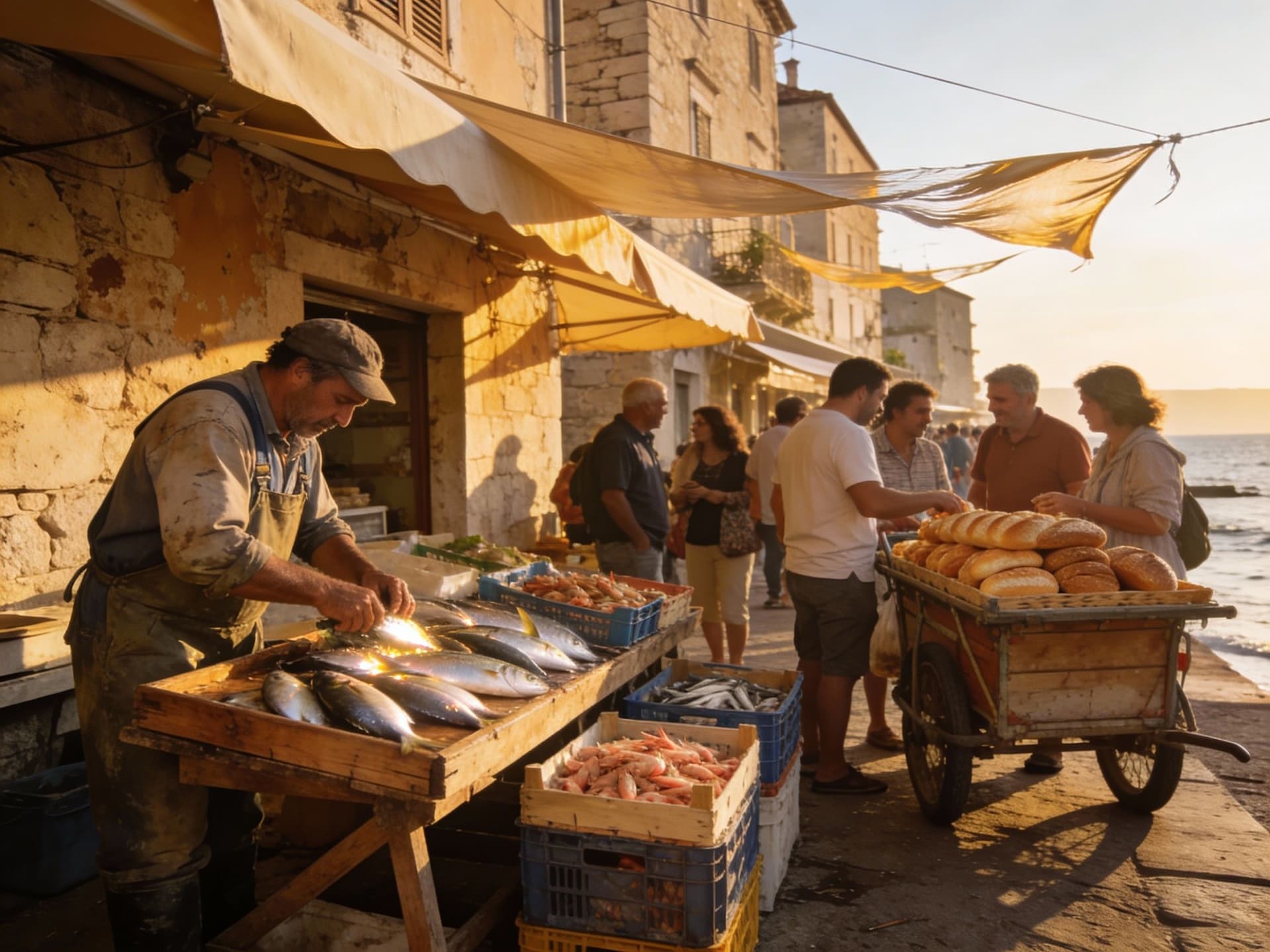
Imagine stepping out at dawn to buy pane frattata from a Valletta bakery, then catching a late-afternoon swim at St George’s Bay before a seafood supper in Marsaxlokk. Malta is compact — 30 minutes can change your view from baroque rooftops to crystalline sea — and that smallness shapes everything about life and property here. For international buyers, the surprise is that size is an asset: neighbourhoods feel lived-in, services are within reach and market signals travel fast. We’ll show you why that matters for lifestyle and value, and what to watch for when the market looks cosy but moves quickly.
Living the Malta lifestyle
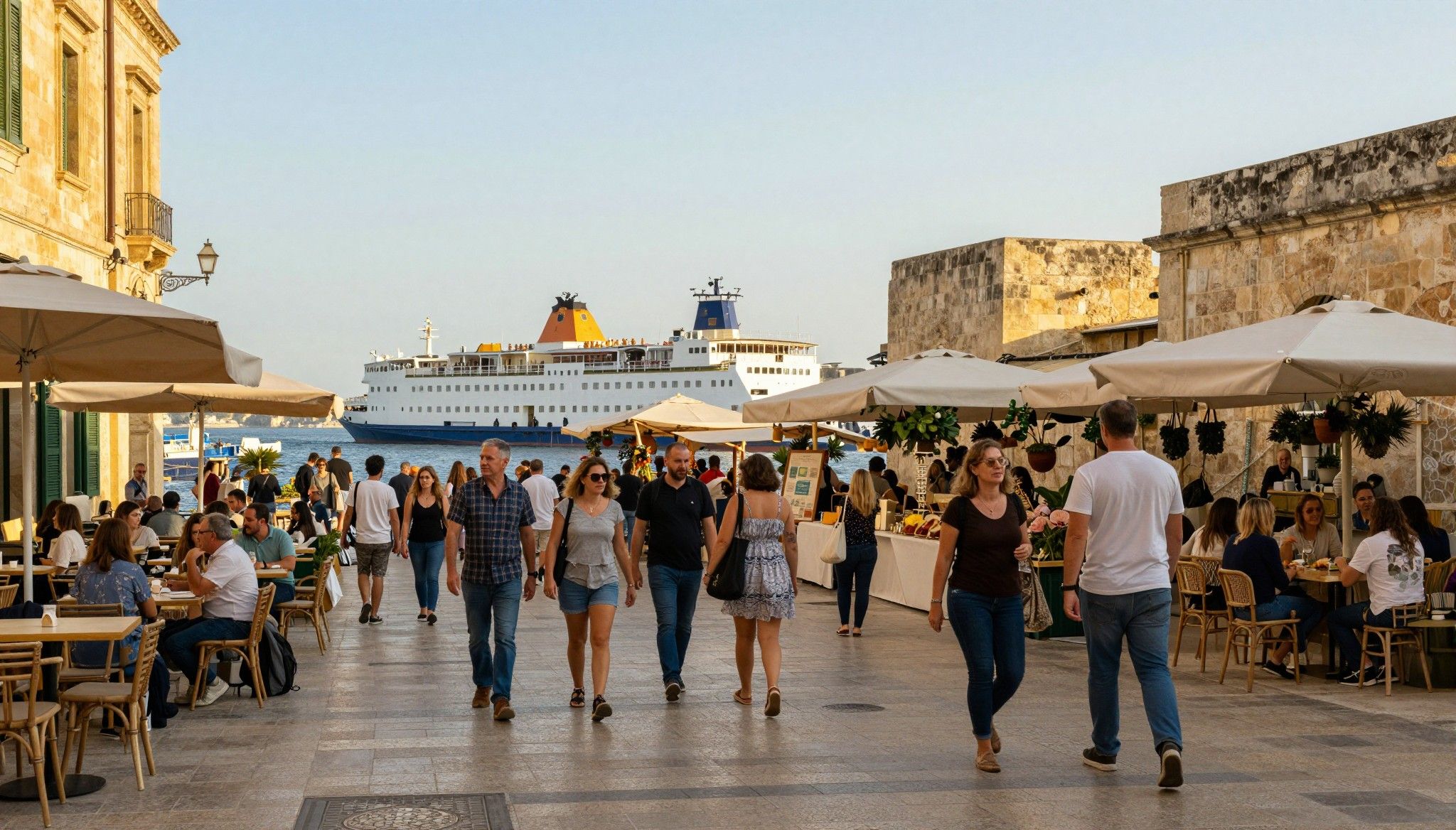
Malta’s daily rhythm is Mediterranean at its most immediate: espresso counters hum early, siestas are rare but afternoons slow, and evenings are for socialising over long dinners. Streets in Sliema and St Julian’s pulse with cafés and boutiques; Valletta’s narrow lanes reveal hidden squares and rooftop terraces; Mdina offers hush and history. For buyers, that means a choice between constant urban hum and pockets of tranquil, historic living — both within easy reach.
Valletta — city life on a human scale
Picture morning light on Republic Street, church bells between apartments, and neighbours meeting for late-afternoon coffee at Café Cordina. Valletta is compact but layered: 16th-century facades, rooftop terraces that catch the sun and a surprising number of modernised apartments within walking distance of theatres, harbourside restaurants and government services. If you crave walkability and history, Valletta gives you both — at a premium, but with a lifestyle many buyers prize.
Sliema & St Julian’s — day-to-night energy
Sliema’s seafront promenades and St Julian’s nightlife attract international residents who want cafés, coworking options and restaurants within a short walk of modern apartments. These areas are where you’ll find the condo-style living and terraces buyers from the UK and Italy often seek. Expect lively streets, higher turnover and a market that responds quickly to tourist seasons and rental demand.
Lifestyle highlights
Fresh seafood breakfasts in Marsaxlokk; rooftop aperitifs in Valletta; evening walks along Sliema promenade; village festas with fireworks in summer; hidden coves in Gozo for weekend escapes
Making the move: practical considerations

Small island, fast-moving prices. Malta’s Residential Property Price Index rose notably through 2024 and into 2025, meaning streets you like today can change in value quickly. That’s not a reason to rush — it’s a reason to be methodical. Know the local price index, visit at different times of year, and ask an agent to show you recent comparable sales on the same street, not just the neighbourhood.
Property styles — what suits your life
In Malta you’ll choose between traditional maisonettes and townhouses, modern apartments with glass-fronted terraces, or village houses with internal courtyards. If you want indoor-outdoor living, prioritize terraces that face west for evening light and consider water proximity — coastal microclimates influence humidity and maintenance. Older properties reward care and character, but factor in renovation timelines and utility upgrades.
Working with local experts
Local agents and lawyers help translate lifestyle into a contract you can trust. Steps we recommend:
1) Visit in two seasons to feel daily life and rental demand; 2) Insist on recent comparable sales on the same street; 3) Ask for service-charge and maintenance histories on communal buildings; 4) Have a Maltese lawyer review title and permits before deposit; 5) Budget for restoration and humidity-proofing where needed
Insider knowledge: expat realities and red flags
Recent policy shifts have reshaped residency and citizenship routes. The EU’s legal scrutiny of investor-citizenship schemes and subsequent domestic reforms mean buyers should not assume fast-tracked citizenship is part of the Malta deal anymore. Instead, expect clearer, but stricter, residency rules and higher thresholds for formal programmes — factors that affect demand and long-term market expectations.
Cultural integration: what expats wish they’d known
English is an official language and daily integration is unusually straightforward, but local customs matter. Festa calendars, early- and late-weekend rhythms and neighbourly expectations — like shared rooftop etiquette — shape where you’ll feel at home. Join a village festa, learn a few Maltese phrases, and accept that community ties often matter more than glossy finishes when choosing a spot.
Long-term lifestyle checks
Ask how your life will change in five years: schools for children, healthcare access, and how seasonal rentals might impact neighbourly life if you plan to rent. Recent MPRP amendments altered contribution levels and property thresholds, which can shift buyer types in particular neighbourhoods — something to factor into long-term community feel.
Red flags to watch
Unexplained service-charge spikes; missing planning permissions for rooftop additions; rental yields quoted without seasonal adjustment; unclear title history; agents reluctant to share recent comparable sales
Conclusion — live the life, but check the ledger
Malta sells itself on a compact, connected life: cafes, coves and community within short distances. That’s the dream. The reality is a market that rewards local knowledge and careful due diligence. Start with neighbourhood visits at different times, ask for street-level comparables, factor in recent residency-rule reforms, and work with agents and lawyers who understand both the lifestyle you want and the legal steps that secure it. We’re happy to introduce you to Maltese experts who keep one eye on light, sea views and festa calendars — and the other on titles, indices and realistic timelines.
Norwegian market analyst who serves Nordic buyers with transparent pricing and risk assessment. Specializes in residency rules and tax implications.