Malta: Compact Life, Clear Property Trade‑Offs
Malta delivers compact Mediterranean living but rising RPPI and scarce land mean trade‑offs. Prioritise terrace, neighbourhood, and local advisor expertise before you buy.
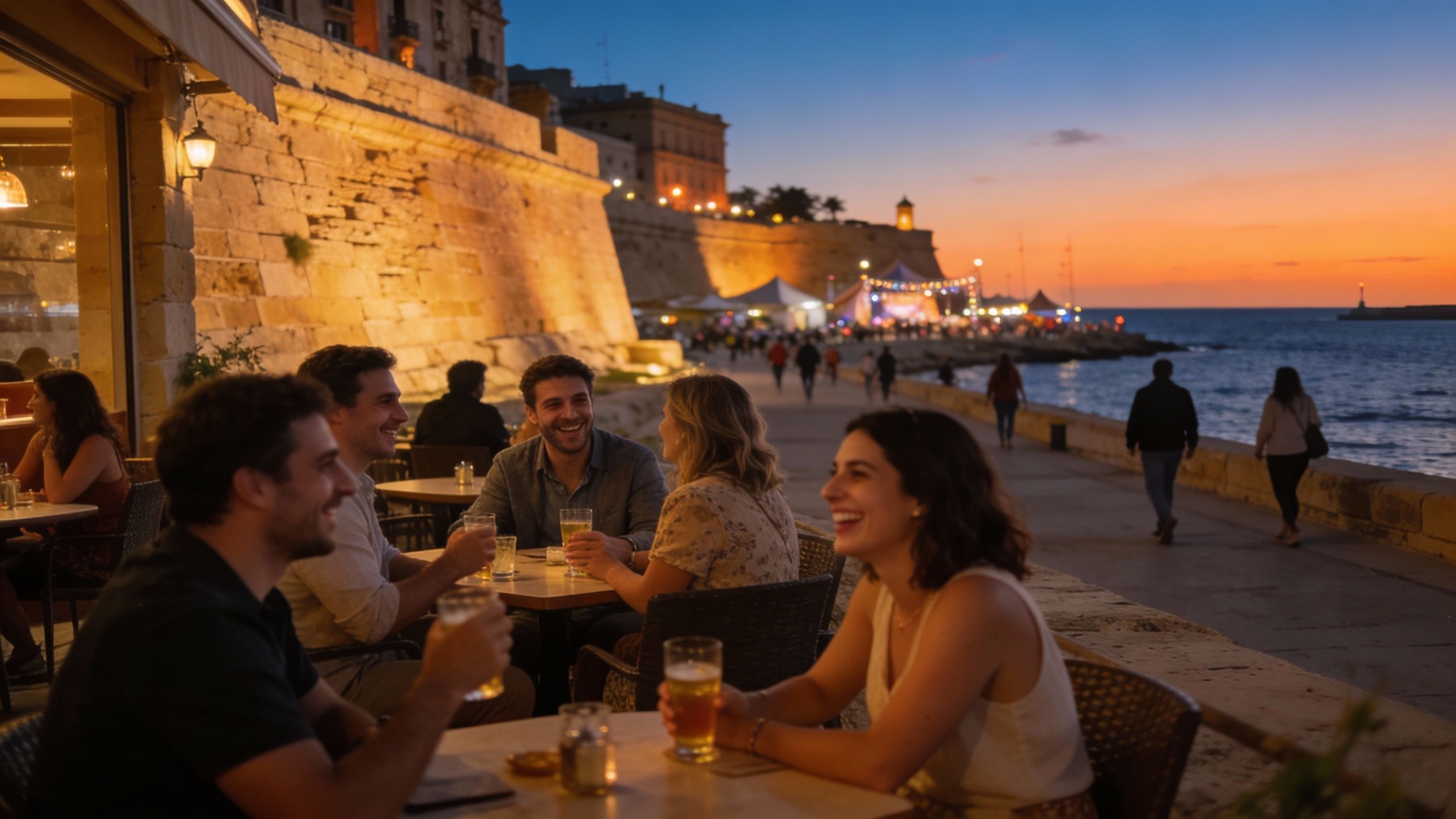
Imagine standing on the Valletta bastions at dusk — salt on the air, church bells in the distance, a neighbourhood café thrumming with conversation. In Malta that evening rhythm collides with a compact, tightly held property market. For international buyers the fantasy is real: walkable streets, English commonly spoken, Mediterranean weather. But the practical truth is less romantic: prices have been rising rapidly and land is scarce, so choices are about trade-offs as much as charm.
Living the Malta life: small island, big texture
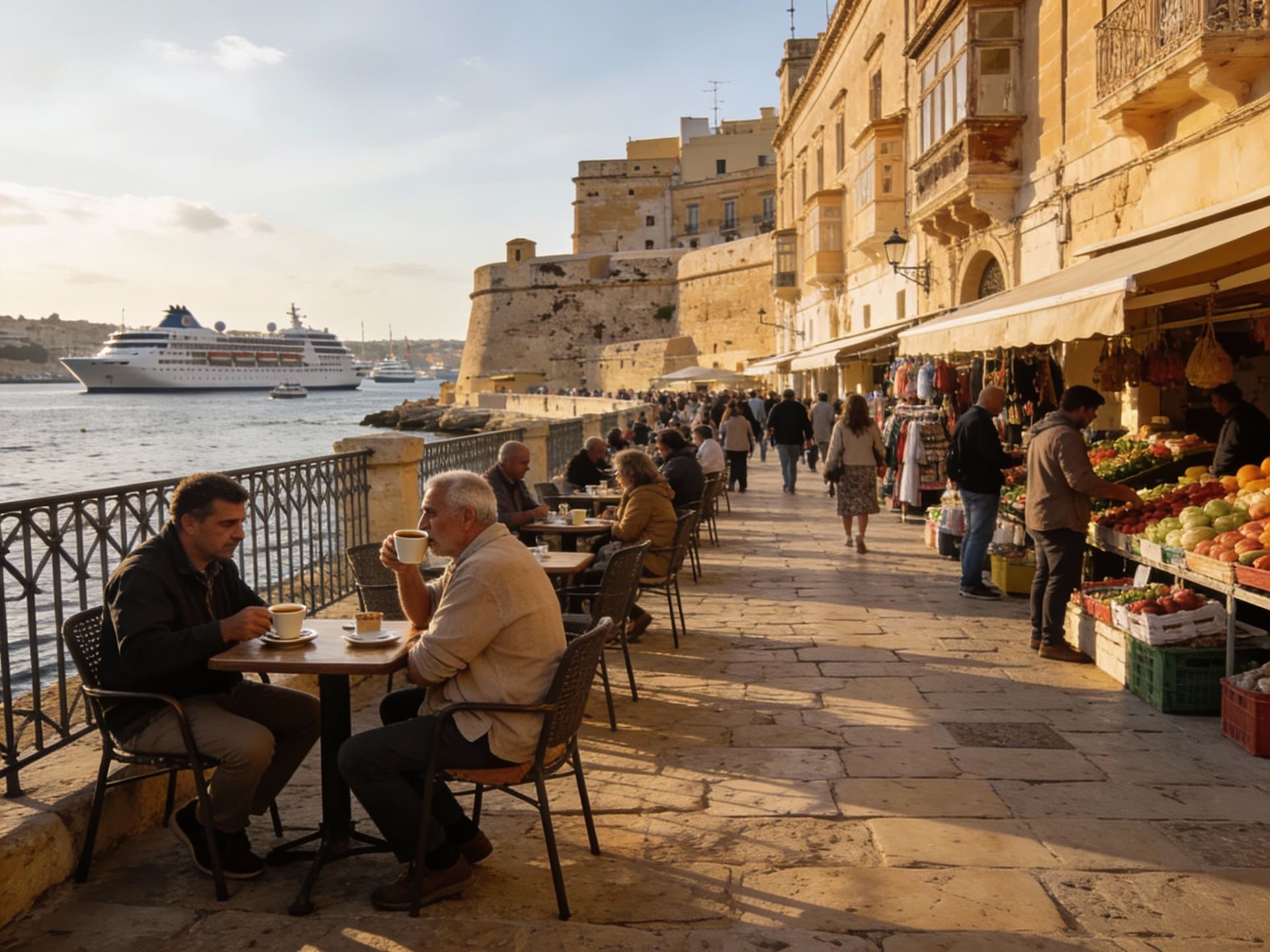
Daily life in Malta is dense and local. Sliema and St Julian’s are mornings of cafés, fitness on the promenade and ferries to Valletta; Mdina and Rabat offer quiet lanes and slower afternoons; Mellieħa and Golden Bay feel like the islands’ weekend breathing spaces. Expect narrow streets, limestone facades, and a calendar punctuated by festa fireworks. That texture is part of the appeal — but it’s also the reason central plots command premiums and new supply is rare.
Sliema & St Julian’s: energetic coastal hubs
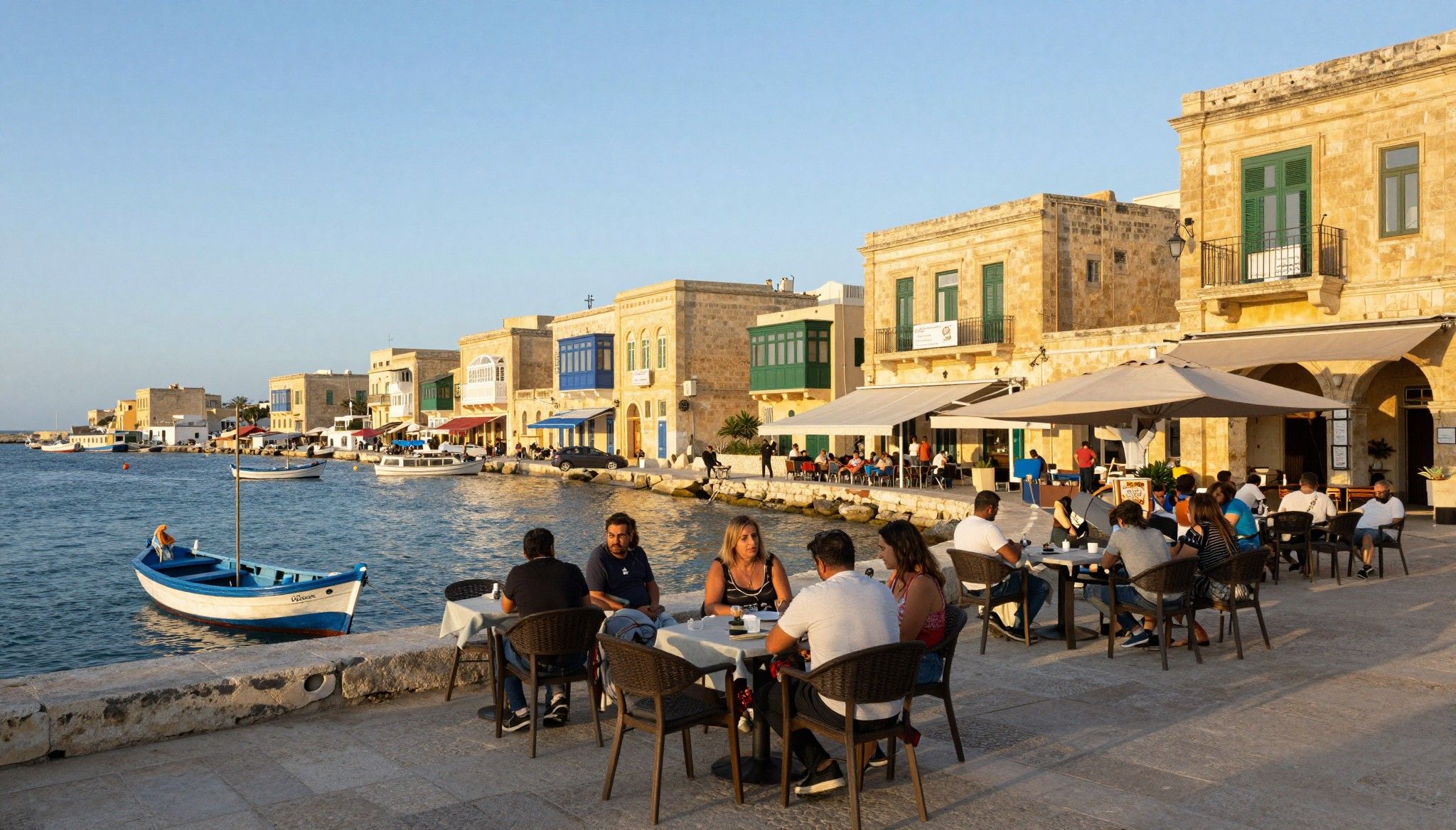
Picture espresso at Café Cordina in Sliema before a brisk walk along the iron‑rail promenade, or an evening in St Julian’s watching yachts and bars light up Paceville’s edge. These neighbourhoods host international schools, private clinics, and the island’s busiest retail corridors — which explains their per‑square‑metre premiums. If you need connectivity, nightlife, and a steady rental market, these are the urban cores to prioritise.
Valletta, Mdina and quieter historic pockets
Valletta offers a concentrated cultural life: theatres, museums, and narrow residential streets where a restored townhouse gives you doorstep history. Mdina’s silent city offers a different pace — restorative, enclosed, and expensive for serenity. Historic cores deliver atmosphere but often need renovation; buyers should expect higher maintenance and renovation constraints in heritage zones.
- Lifestyle highlights — what really matters on the island
- Morning promenade and cafés in Sliema; short ferry to Valletta for theatre nights.
- Weekend beach life in Mellieħa or early-season swimming at Għajn Tuffieħa.
- Local markets in Marsaxlokk for fresh fish and Sunday conversations.
- Heritage streets in Valletta and Mdina — atmospheric but renovation‑heavy.
Making the move: property realities that shape the lifestyle

Your lifestyle brief must meet market facts. Malta’s Residential Property Price Index rose meaningfully through 2024–2025, driven by scarce land and concentrated demand. That means a practical search is not only about neighbourhood charm but about realistic expectations: smaller interiors, courtyard terraces instead of gardens, and a premium for sea views or centrality. Translate lifestyle priorities (walkability, light, outdoor space) into non‑negotiable property features before you start.
Property types and how they fit daily life
Apartments dominate Maltese supply; maisonettes and townhouses offer outdoor terraces but often require more upkeep. If your life is outdoor‑oriented, prioritise terraces with western sun and access to a common roof or nearby beaches. For families, a townhouse in the outskirts (Naxxar, Mosta) delivers space at lower price per m² but adds commute time. Factor in serviceability: narrow streets limit vehicle access and some historic buildings lack lifts.
Working with agents who understand lifestyle trade-offs
- Find advisors who can show lived-in examples, not glossy brochures. Ask for recent comparable sales, likely renovation costs, and examples of successful tenancy if you plan to rent. Make site visits at different times of day to assess noise, sun and microclimate. Choose agents with track records in your target pocket — Sliema/St Julian’s specialists differ from heritage‑property experts in Valletta.
- If renovation is likely, prioritise properties with clear title and permits. Obtain an architect’s initial estimate before negotiation. Local building rules and conservation zones affect what you can change.
Insider knowledge: what expats learn the hard way
Three things repeat in expat conversations: first, shops close later on festa nights; second, English gets you far but Maltese opens doors; third, the island’s small size means neighbours matter. Many buyers underestimate the intensity of community life here — privacy expectations differ from large‑country norms. That social density is delightful for some and intrusive for others; align expectations early.
Language, community and daily rituals
Most services operate in English; legal and property paperwork is commonly bilingual. Weekend rituals centre on cafés, pastizzi runs, and seaside dinners. To integrate, try volunteer groups, local sports clubs, or language exchanges — they shortcut community acceptance faster than luxury purchases.
Longer‑term lifestyle factors to consider
- Assess how your needs will evolve: will you want childcare, international schooling, or healthcare access nearby? Northern Harbour areas concentrate services, while quieter towns trade convenience for space. Also consider climate resilience: older limestone buildings require maintenance against sea spray and humidity.
- If you anticipate renting your home, research seasonal demand and tenancy rules. Short‑term rentals remain controversial and regulated locally; long‑term tenancy often provides steadier income but different management needs.
Conclusion — love the life, reconcile the market. Malta offers a compact Mediterranean lifestyle that’s immediate and lived‑in: promenade mornings, local markets, festa nights and a small‑island social intensity. But current data shows significant price momentum and a structural scarcity of land, which require realistic expectations and precise briefs. Start with lifestyle priorities, pair them with RPPI‑backed market intelligence, and work with advisors who can map emotional wants to legal and physical realities.
Next steps: define your non‑negotiables (terrace, school catchment, walk score), commission a local dossier with recent comparable sales, and schedule dusk and weekend viewings. If you want help matching lifestyle to legal certainty, choose an adviser with documented sales in your chosen street rather than broad island listings.
Danish investment specialist who relocated to Costa del Sol in 2015. Focuses on data-driven market timing and long-term value for Danish buyers.