Malta’s Hidden Value: Streets the Postcard Misses
Malta’s compact market hides lifestyle-rich value in overlooked streets; combine RPPI data with street-level checks to find quieter opportunities amid rising land-driven prices.
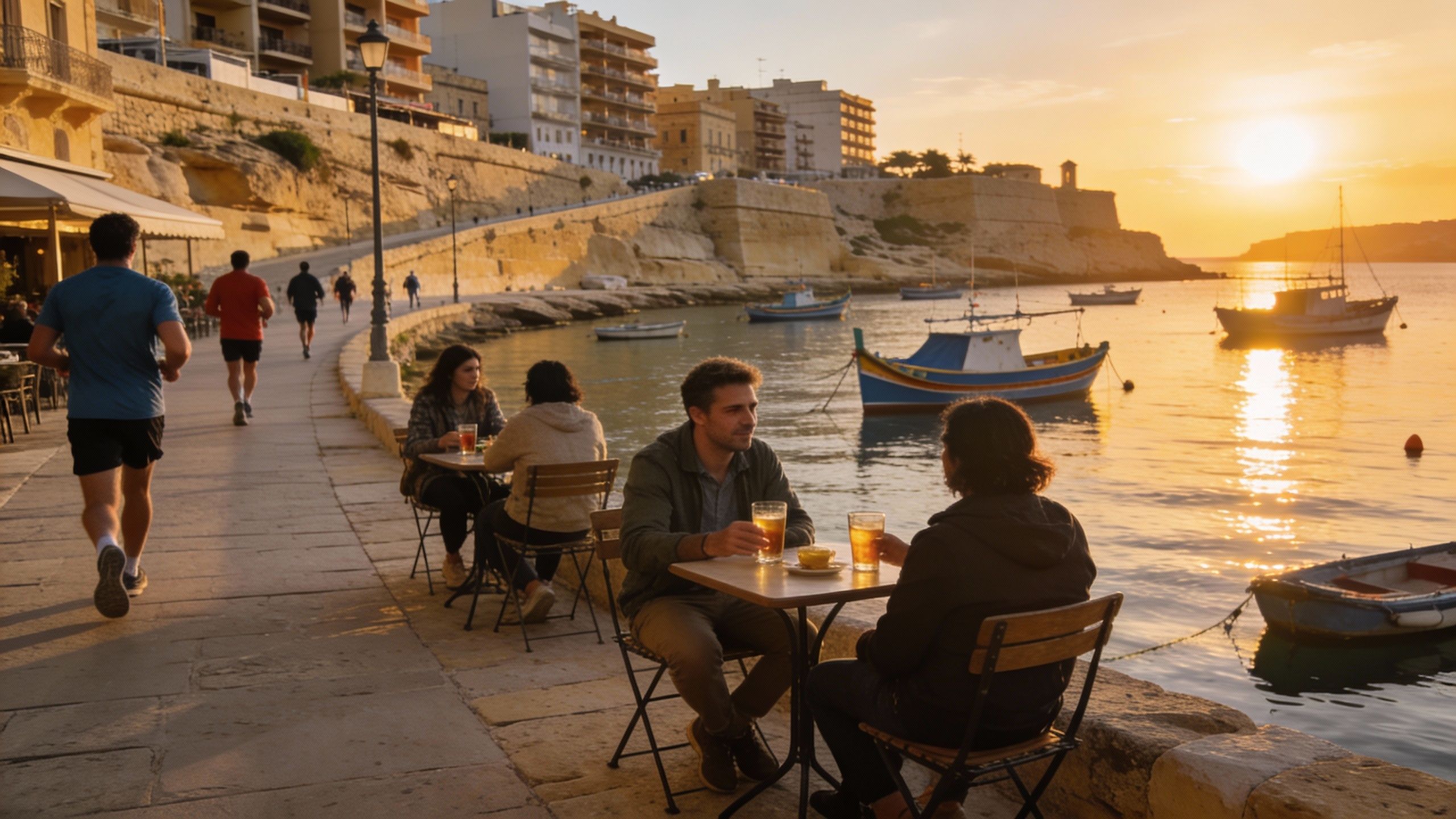
Imagine stepping out at dawn onto Sliema’s seafront, espresso steam cutting the salt air, while around the corner a townhouse doorway hums with repair work and a poster for a neighbourhood festa. That juxtaposition — polished tourist front, quieter residential alleys — is where many international buyers misread Malta. In a market defined by scarcity and premium central land, the obvious hotspots show one face; the lived-in quarters quietly offer both character and smarter price trajectories. This piece pairs what living in Malta really feels like with concrete, research-backed signals so you can spot those quieter opportunities without trading the lifestyle you came for.
Living the Malta lifestyle
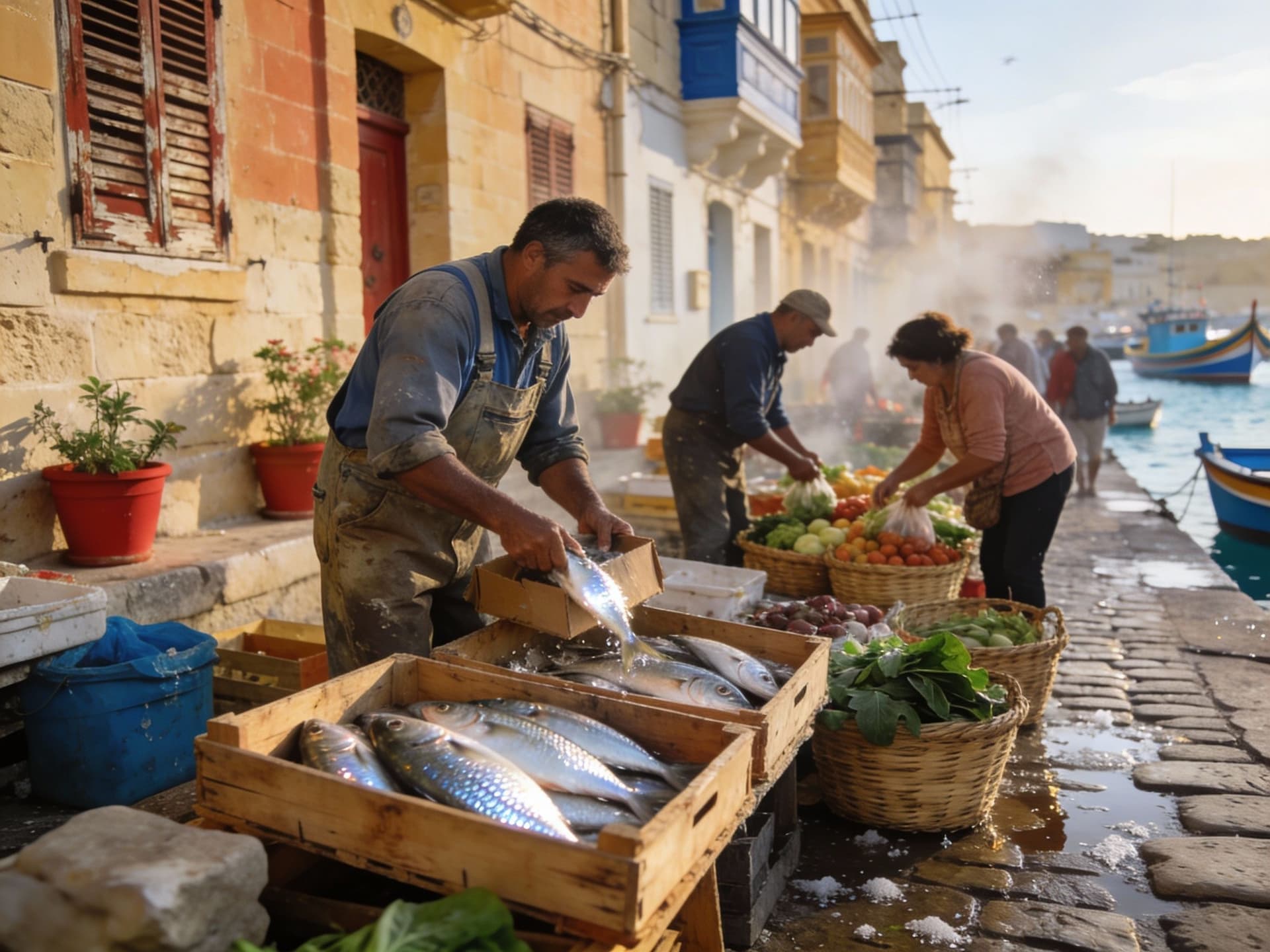
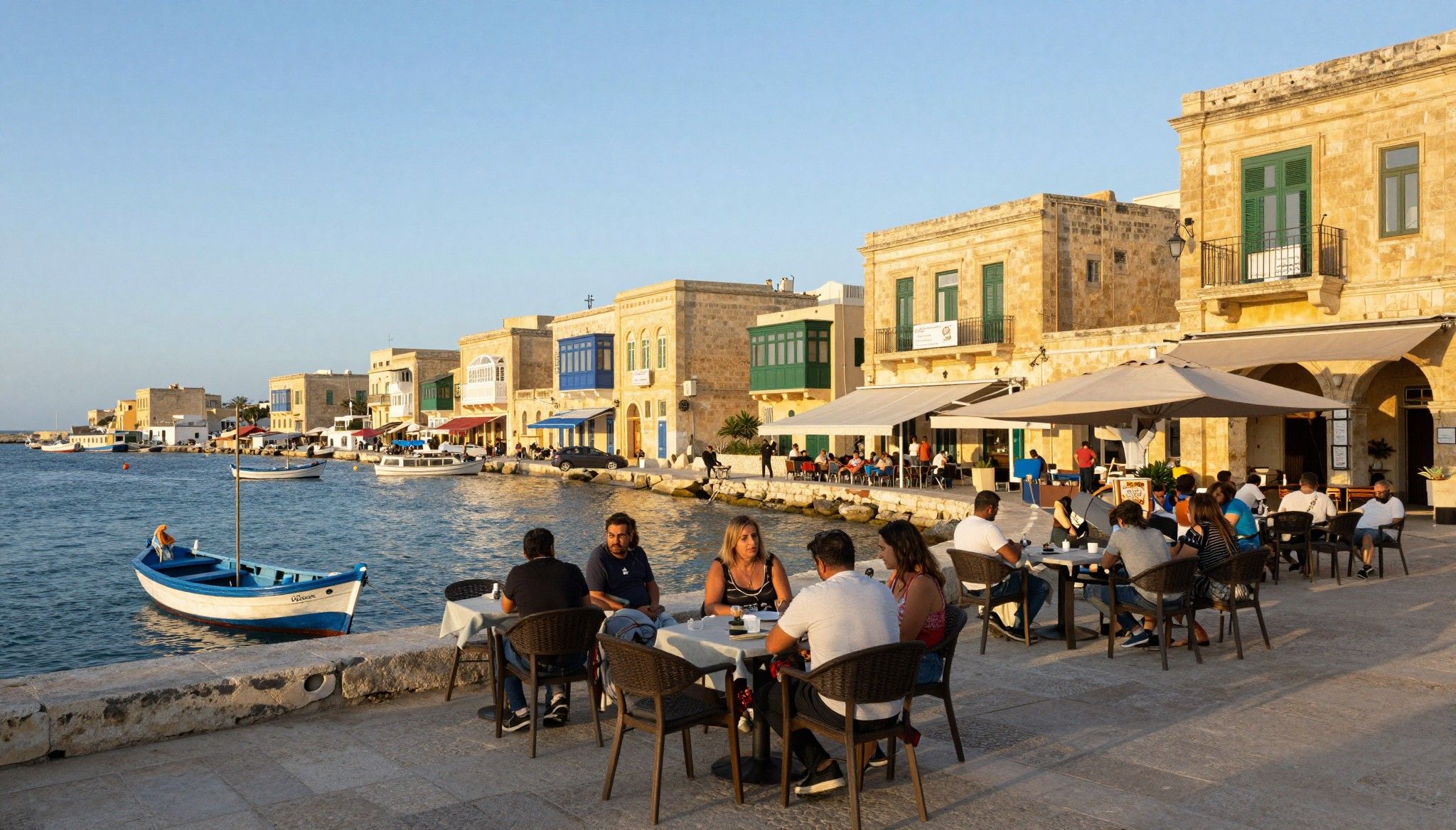
Malta’s rhythm is compact and tactile. Mornings start in small cafés on Triq It-Torri or Tower Road, afternoons drift toward band club concerts in town squares, and evenings gather on rooftop terraces under a sky free of wide horizons. That intensity — short journeys, layered historic fabric, constant street life — shapes what buyers value: walkability, a usable balcony, and good insulation from summer heat. Recent statistics show price momentum across the country, but they don’t tell you which streets will keep delivering the life you imagined. Read price indices alongside street-level observation to understand value.
Spotlight: Valletta, Sliema and St Julian’s — same island, different beats
Valletta is theatrical — baroque facades, narrow stairways, a rhythm tuned to tourists and cultural calendar. Sliema feels lived-in and serviceable: seafront promenades, independent hardware shops, and a commuter pulse. St Julian’s (Paceville) is nightlife-forward but pockets of quieter residential streets exist just off the main drag. Each area offers the same Mediterranean light but a different daily soundtrack. Your choice should depend less on the postcard and more on where you want your weekday coffee, whether you need school choices nearby, and how much noise you can tolerate at 2 a.m.
Food, weekend routines and the small pleasures
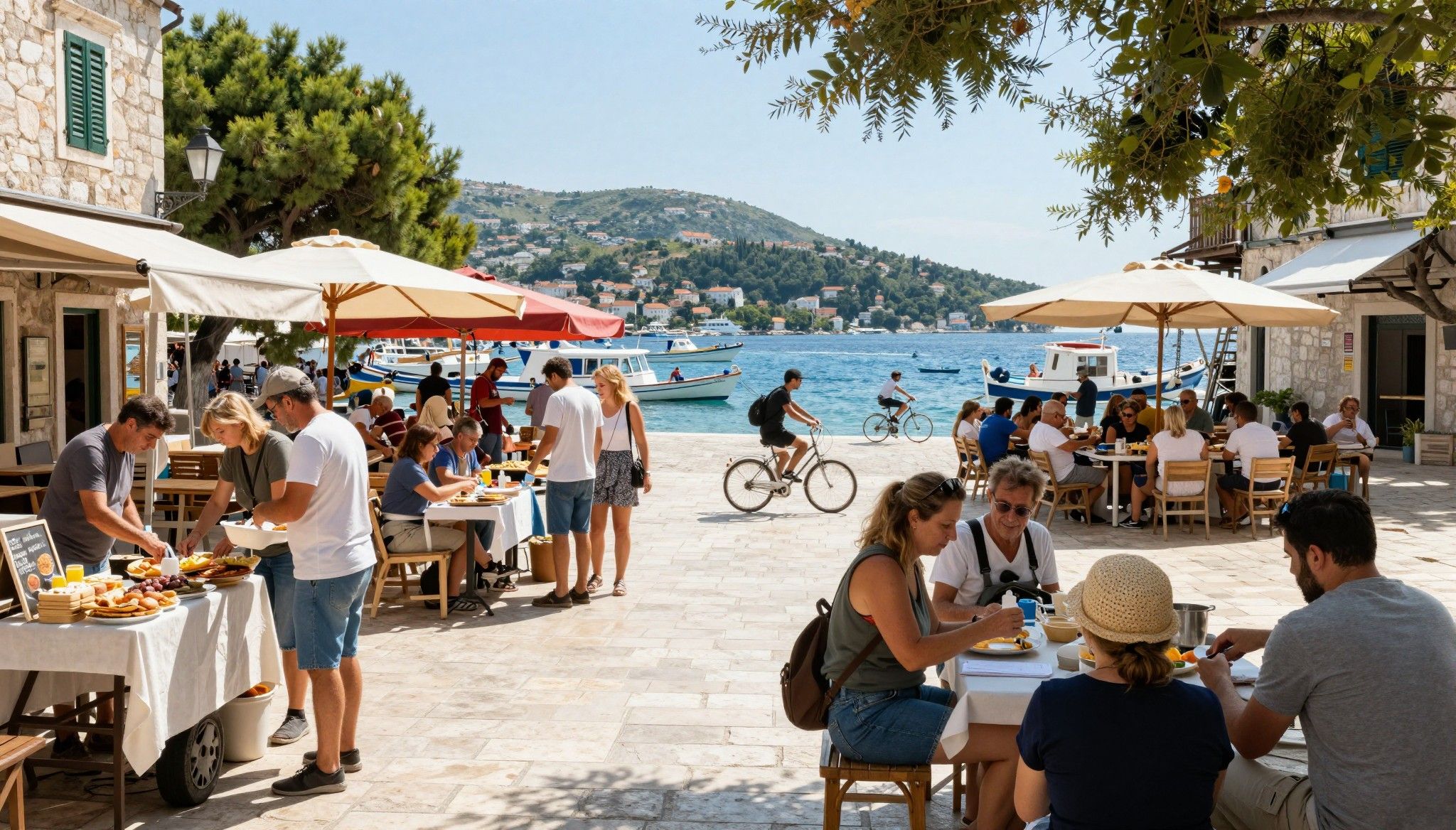
Weekends are local markets, sea-front lunches, and family festas. Imagine buying fresh lampuki at Marsaxlokk on a Saturday, then walking back through quiet lanes toward a restored townhouse. The dining scene has become more refined — boutique seafood restaurants and chef-run bistros pepper Sliema and Valletta — but the island’s best pleasures remain small: a band club brass rehearsal, a pastry from a family-run pastizzeria, a neighbour offering a bag of tomatoes. Those micro-rituals are the real property amenity.
- Lifestyle highlights to test on a short visit
- Walk Tower Road (Sliema) at 07:00 to gauge morning life and parking pressure.
- Spend an evening in a Valletta side-street to measure noise and late-night footfall.
- Visit Marsaxlokk market for local produce and to understand how fishing communities shape nearby housing demand.
Making the move: practical considerations that respect the lifestyle
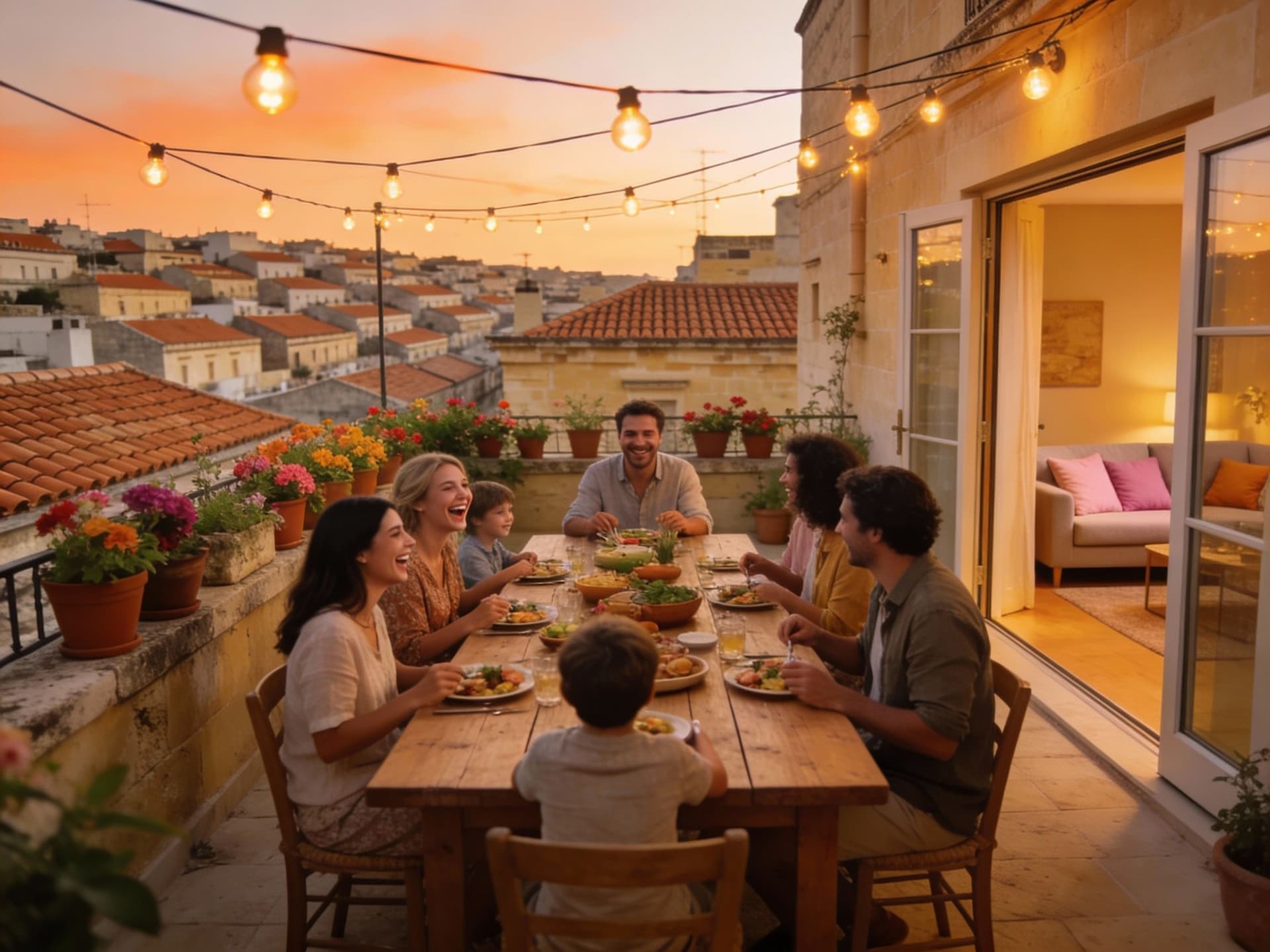
Dreams collide with scarcity in Malta. The National Statistics Office reports steady price increases — the RPPI rose year-on-year — and land now accounts for a larger share of dwelling value. That scarcity matters: central streets won’t expand, so small differences in location or elevation can translate into material price gaps. Translate lifestyle priorities into concrete features (covered parking, usable outdoor space, natural ventilation) and then apply market signals to judge whether a listing is a lifestyle match or a tourist-priced mirage.
Property types and how they shape daily life
Apartments dominate Malta’s transaction landscape; maisonettes and townhouses offer different rhythms. An apartment on a busy promenade gives immediate views and convenience but less private outdoor space. A maisonette or townhouse often provides terraces and a quieter street life but requires acceptance of narrow access and older wiring. For everyday living that privileges neighborhood connection — late walks, local shops, band-club nights — a small maisonette on a residential side-street can outperform a seafront studio for quality of life.
How local experts translate lifestyle into a purchase
Good local agents do more than show listings. They map micro-neighborhoods: where deliveries clog streets, which façades are under renovation, and which houses are used for short-term rentals. Expect them to provide street-level comparables, recent transaction figures, and introductions to reliable craftsmen. Ask for a walk-through with a local who knows the timing of festas and peak-tourist weeks — these calendar details change how a property feels for months of the year.
- Checklist for a lifestyle-minded purchase:
- 1. Check short‑term rental density on the street (affects both noise and yield).
- 2. Confirm usable outdoor square metres (terraces matter more than sea view for daily life).
- 3. Ask whether the building has recent waterproofing and thermal upgrades — crucial in Malta’s climate.
Insider knowledge: what expats wish they’d known
Expat buyers often underestimate two forces: land scarcity and regulatory shifts. Recent reporting shows land value has risen dramatically over the last decade, meaning price leaps often reflect plot scarcity rather than improvements. Separately, Malta’s residency and citizenship pathways have faced legal scrutiny in recent years — changes to those programmes alter investor demand and can ripple through price expectations. Realists plan for lifestyle first, then layer in regulatory contingency plans.
Cultural integration and daily living
English is widely used and will shorten your social learning curve, but integrating means more than language. Joining a local club, helping decorate a festa bandstand, or volunteering at a school are common routes to belong. Neighbours expect reciprocity; a simple greeting and attention to communal stairways goes far. Expect slow bureaucracy and plan for it — permits and utility updates can take longer than in larger European capitals.
Long-term lifestyle and resale signals
Think five years ahead. Areas that host cultural institutions or university extensions tend to stabilise demand. Streets with active community associations often maintain façades and reduce sudden negative shocks. Conversely, zones with high short‑term rental conversions can show price volatility and nuisance. If you intend to rent part-time, favour streets where owner-occupiers remain predominant.
- Red flags from the street-level that should pause an offer:
- Openly advertised high short-term rental turnover on the same building.
- Frequent scaffolding or ‘for renovation’ signs that hide structural problems.
- Lack of local amenities within a ten-minute walk — groceries, pharmacy, or a café.
Conclusion: Malta’s compactness is its strength and its challenge. You can have an immediate, richly textured Mediterranean life — band-music, sea-swims, rooftop dinners — but that life requires close attention to micro-location, building condition, and how regulatory trends affect demand. Work with an agent who can show you the quieter streets behind the postcard façades, provide street-level comparables, and point to craftsmen who understand Maltese limestone and traditional damp-proofing. Do the lifestyle test first; then apply the data. If the street feels like home at 07:00, it’s worth serious consideration.
Swedish expat who moved from Stockholm to Marbella in 2018. Specializes in cross-border legal navigation and residency considerations for Scandinavian buyers.