Harbour Life vs. Space: Malta’s Urban Trade‑Offs
Malta’s compact, social urban life commands a premium. Live the harbour, but verify title, maintenance and planning history before you buy.
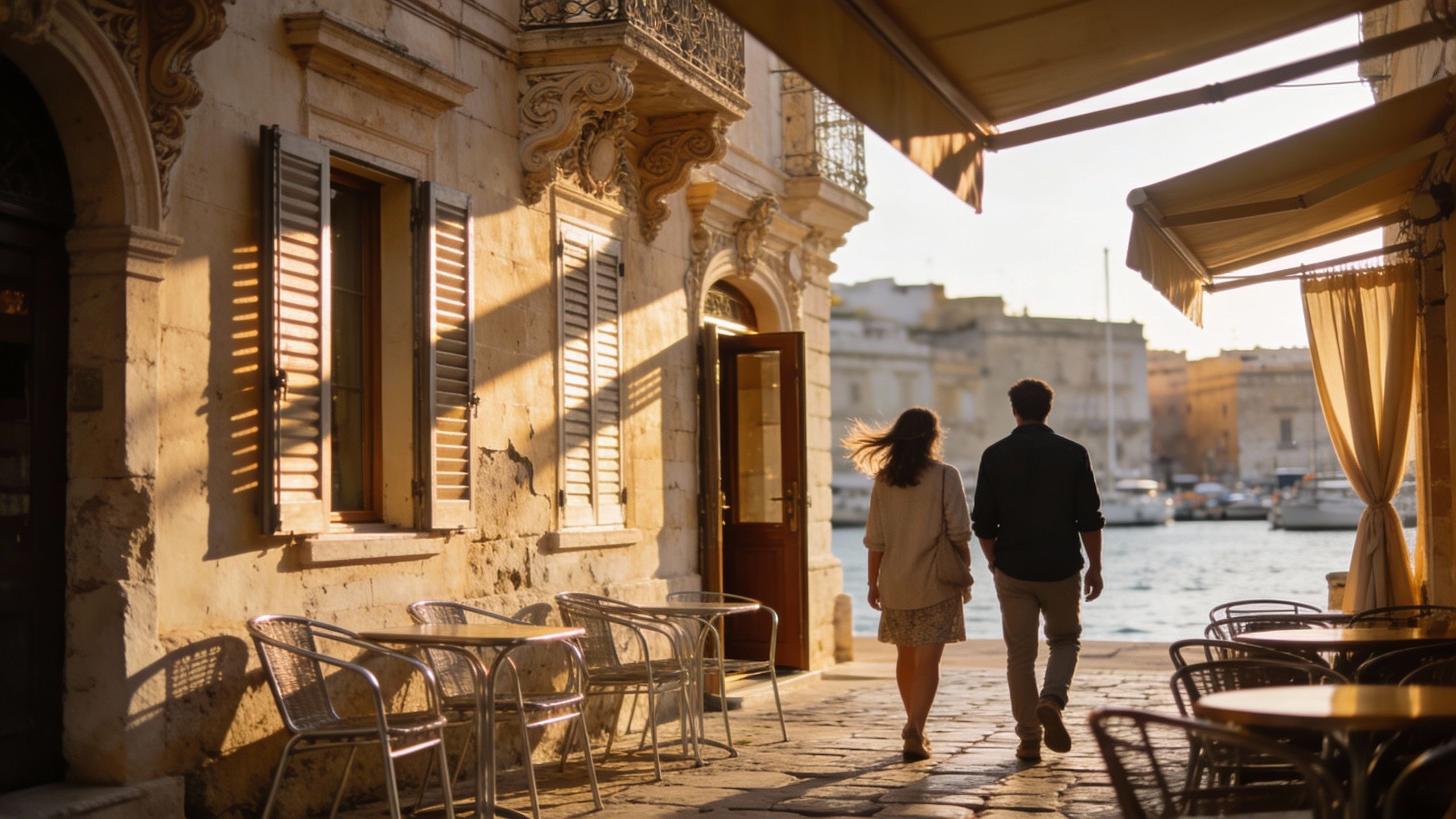
Imagine sipping espresso on a stone terrace in Valletta, the harbour light moving across limestone facades while a warren of narrow streets hum with cafés, fishmongers and early-evening chatter. Malta is compact: your supermarket, the sea and a bakery can all sit within a 15‑minute walk. That intimacy feels immediate and lived-in — and it changes how you shop for property. The question for many international buyers isn’t simply "Can I afford Malta?" but "Which kind of Maltese life do I want to buy into?"
Living the Maltese urban life
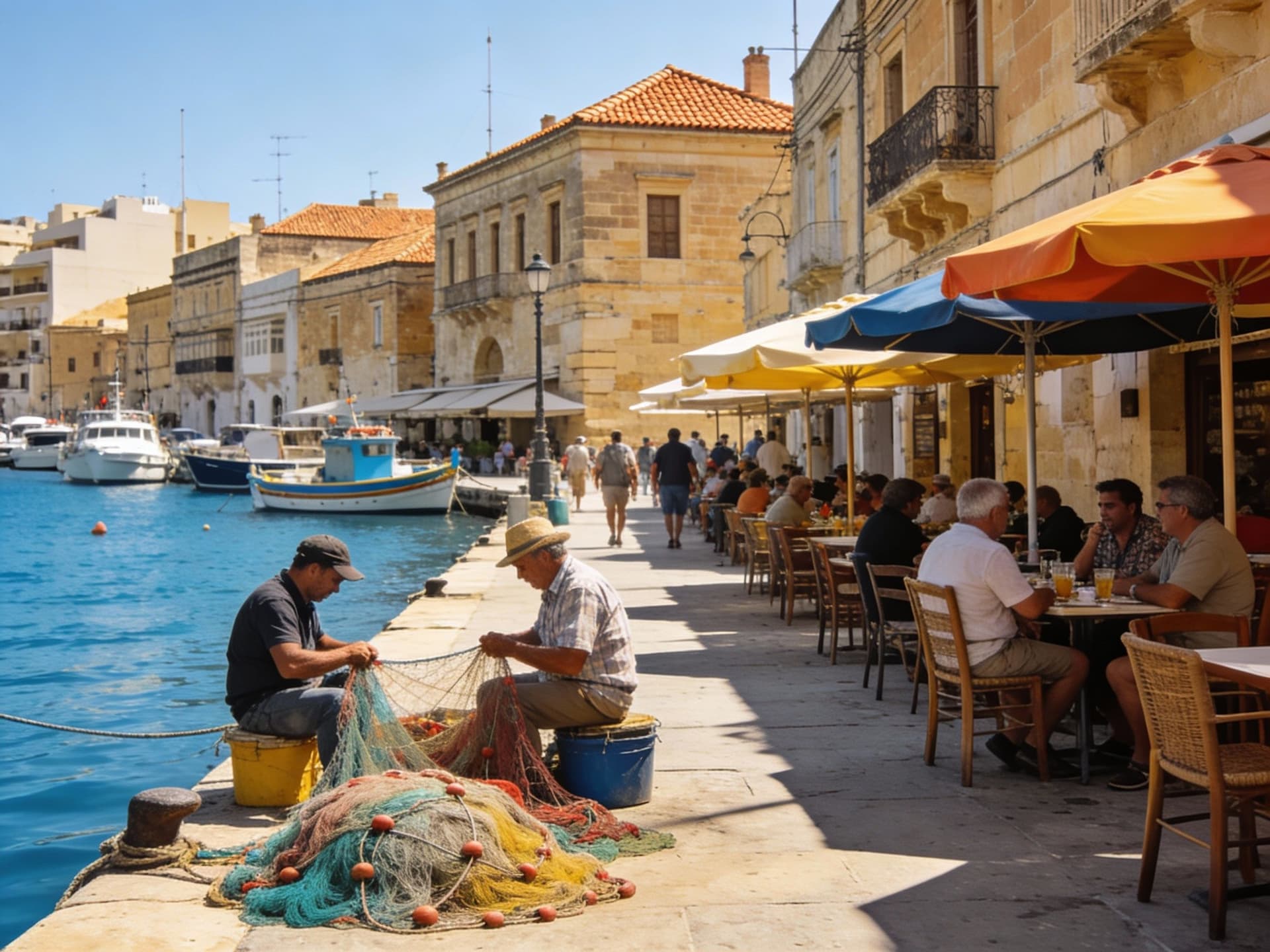
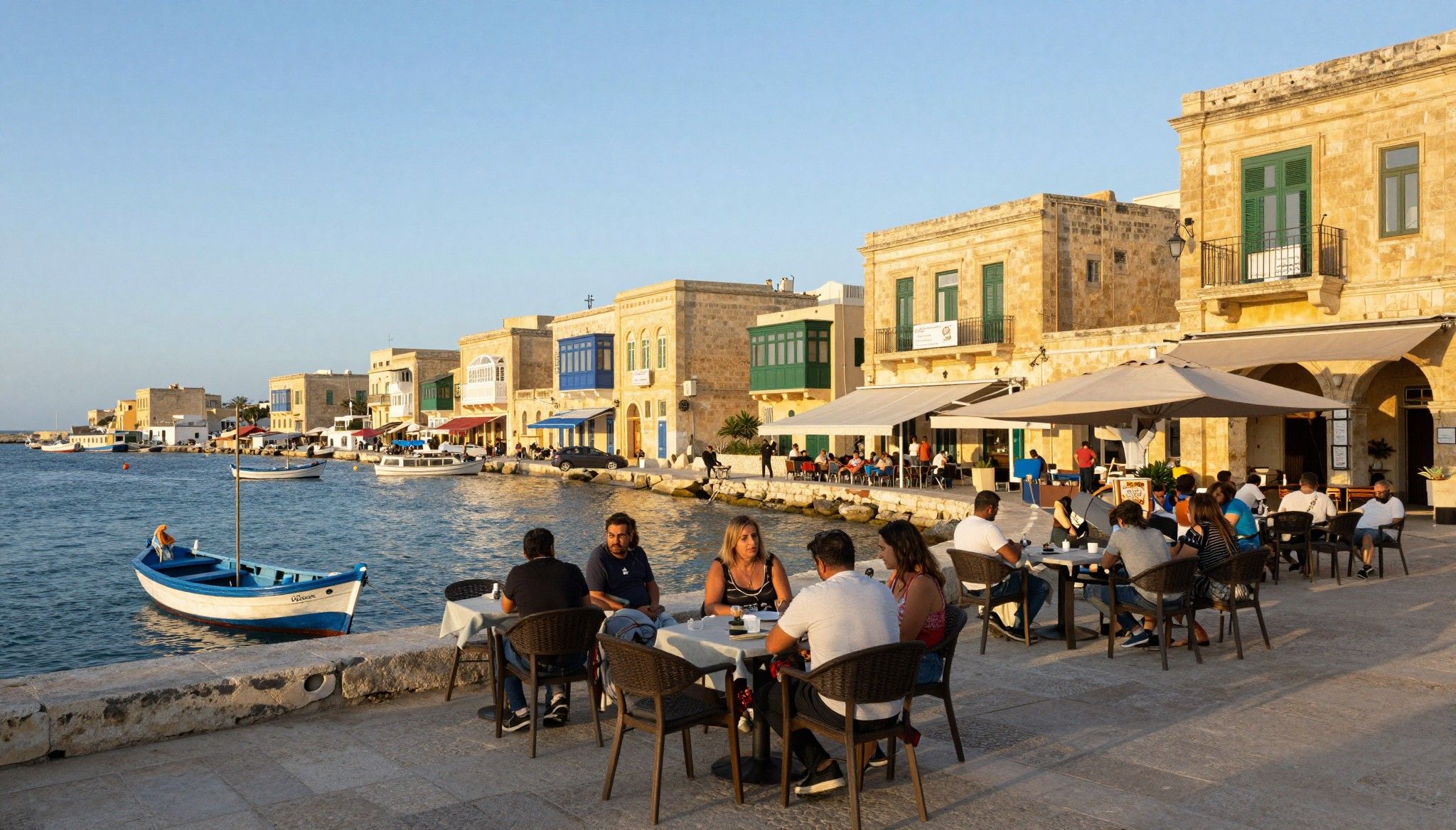
Life in Malta blends Mediterranean routine with British-era practicality. Mornings are for short commutes and cafés; evenings cluster around small piazzas and harbours like Sliema’s promenade or St Julian’s Paceville strip. The island’s size concentrates culture: museums, regattas, open-air concerts and local festas are never far. That vibrancy makes proximity a premium — flats near waterfronts and historic cores command a price for convenience and constant life.
Valletta & Cottonera: history at your door
Valletta offers limestone lanes, baroque churches and a pedestrian pulse. Living here means evenings framed by theatre, galleries and small seafood restaurants on Strait Street. In Cottonera (Vittoriosa, Senglea, Cospicua) you’ll find restored waterfront houses and a quieter pace — attractive for buyers seeking history without the full tourist press. Expect narrow interiors, high ceilings and renovation work in many units.
Sliema, Gżira & St Julian’s: the modern harbour belt
These neighbourhoods feel more international. Cafés cluster on Tower Road (Sliema), coworking spaces hide above boutiques in Gżira, and St Julian’s mixes family quayside life in Spinola Bay with the nightlife of Paceville. Apartments here are typically newer or heavily refurbished, with balconies and sea views — appealing to buyers who want social life and rental flexibility.
- Lifestyle highlights — what makes Malta sing
- Morning coffee at Fontanella Tea Garden (Mdina) and evening aperitifs on Spinola Bay.
- Weekends at Marsaxlokk fish market, then a swim at St Peter’s Pool or Golden Bay.
- Sunday festas — parades, lantern-lit streets and community dinners that reveal local bonds.
Making the move: property, process and trade-offs
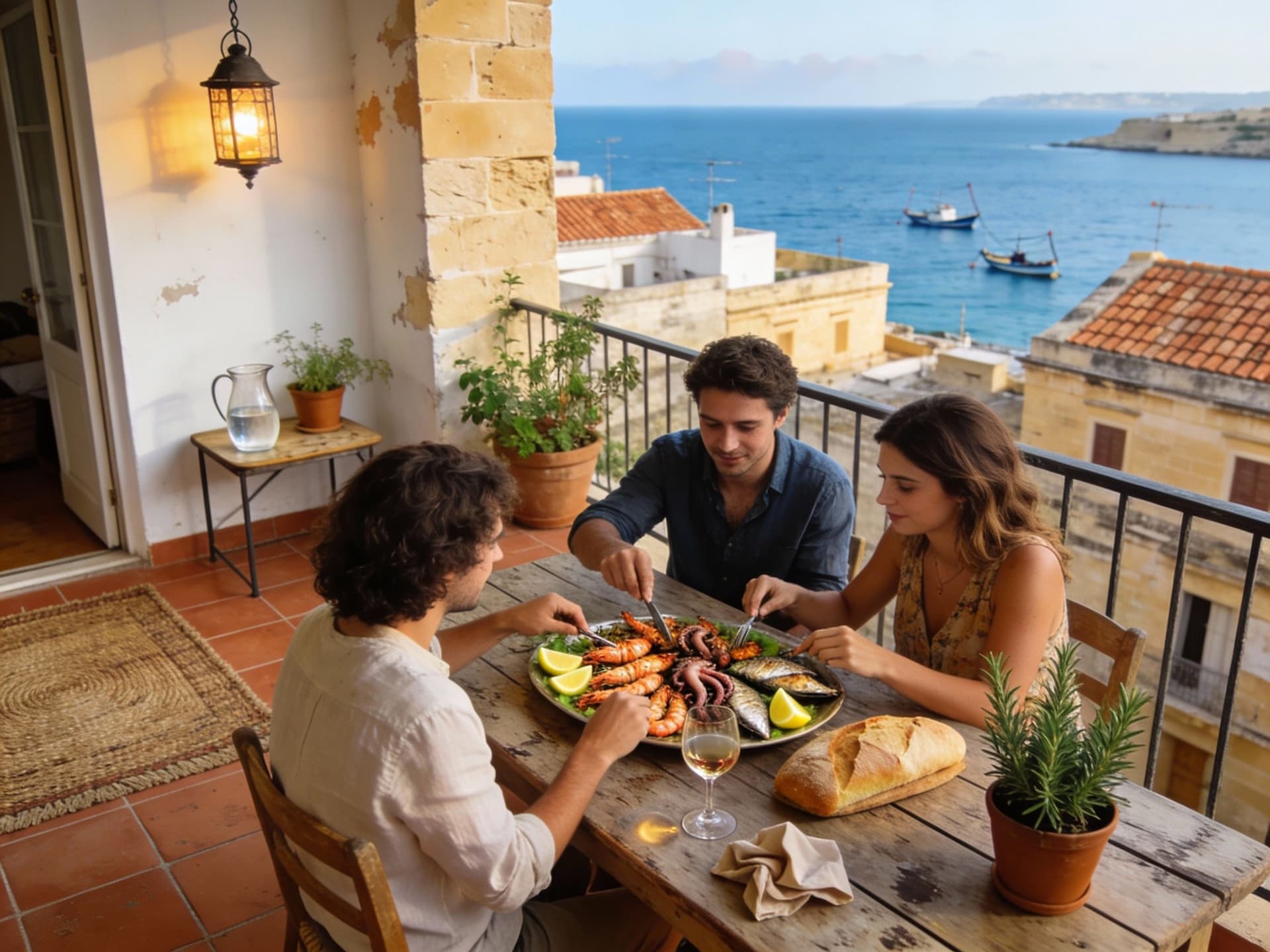
Your lifestyle preference must map to practical realities. Malta’s Residential Property Price Index rose steadily in 2024 and continued upward momentum into 2025, meaning central, serviced locations cost a premium. For buyers this means trade-offs: smaller square footage in a historic core versus larger modern layouts further from main harbours. Understand which compromise you accept before you start viewing.
Property styles & what they mean for daily life
Historic townhouses and converted palazzos reward with character — exposed beams, courtyard terraces and thick walls that stay cool in summer. Newer apartments offer balconies, lifts and modern insulation. If you value terrace living and sea access, expect to pay more per square metre; if internal space and parking matter, look to inland suburbs such as Mosta or Naxxar.
Working with local experts who know the island
Agencies and local conveyancers who live in Malta move faster on paperwork and know which neighbourhoods have genuine long-term demand versus short-term rental churn. Expect them to advise on planning permission histories, terrace rights, and whether a unit lies in a Special Designated Area (where foreign purchase rules differ). Their local network often uncovers quiet sales before they list publicly.
- Steps to align lifestyle with purchase (practical + sensory)
- Spend a week living in at least two areas (one harbour, one inland) to test noise, parking and daily errands.
- Ask an agent for a "walkability" audit: grocery routes, pharmacies, medical centres, and evening transit.
- Insist on a title search and a planning-history report before making offers — many desirable units have complex renovation histories.
Insider knowledge: what expats wish they’d known
Straight talk from expats: Malta’s smallness is a gift and a constraint. You join communities fast, but privacy and long-term value depend on location choice. Recent legal and policy shifts — including high-profile rulings on citizenship programmes — have changed foreign buyer sentiment and tightened scrutiny. That affects who buys here and how the market prices scarce central space.
Cultural integration and daily rhythms
English is widely spoken, which lowers friction for newcomers, but social integration follows local rhythms: slow mornings, festa evenings and family Sundays. Getting to know your neighbours — often across generations — is the shortcut to belonging. Small gestures (a festive treat, a help with recycling schedules) go further here than grand gestures.
Long-term considerations buyers underestimate
Land scarcity makes land value a major driver of price. Expect appreciation in constrained harbours but also policy shifts that can alter demand quickly. Buyers often overlook maintenance regimes for older limestone buildings and the cumulative cost of seaside exposure — factors that affect both living experience and long-term ownership cost.
- Red flags to watch on viewings
- No clear title or missing planning permits for rooftop terraces.
- Damp or salt damage in seaside units without maintenance records.
- Unusually high transient rental activity in the block — indicates wear and possible noise issues.
If you want lifestyle and resilience, prioritise: walkable access to daily needs, a clear maintenance history, and a property whose physical character matches the life you plan to live here. Those three criteria separate a fond purchase from a frustrating one.
Conclusion — what to do next
Visit for a focused week in two different hubs, bring a local agent into your second or third viewing, and commission a concise technical and title check before signing. Malta’s compact, social urban life is what sells hearts — but the sensible paperwork is what preserves value. When you pair lived experience with local expertise, you buy both a home and the life that comes with it.
Dutch relocation advisor who moved to Marbella in 2016. Guides Dutch buyers through visa paths, relocation logistics, and balance of lifestyle with value.