Malta: Limestone Life, Terraces and the Data Behind Demand
Malta's limestone streets and terrace life enchant buyers, but rising RPPI and residency rules change the purchase calculus — fall for the life, use data to set the budget.
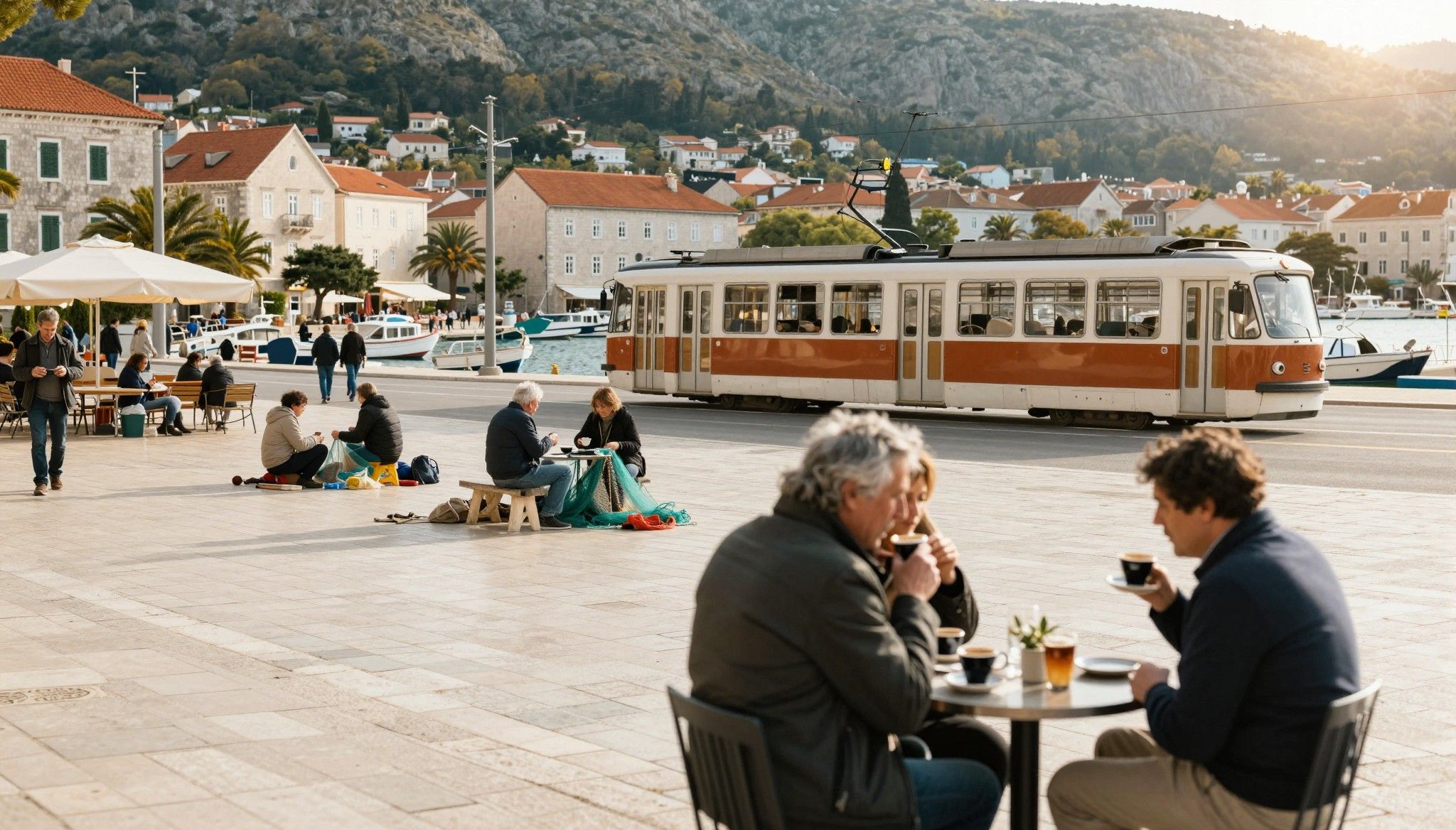
Imagine stepping out for an espresso on Triq ir-Repubblika in Valletta, the limestone facades warm under a low winter sun, and a neighbour waves as they pass the corner bakery. That compact, walkable rhythm — markets, cafés, and the sea within a 20‑minute walk — is what draws buyers here. But the Malta you fall for and the Malta you buy into are not the same thing; prices, regulations and seasonal rhythms change the story. We start with the life, then show the facts that shape smart choices.
Living Malta: light, limestone and a surprising city tempo
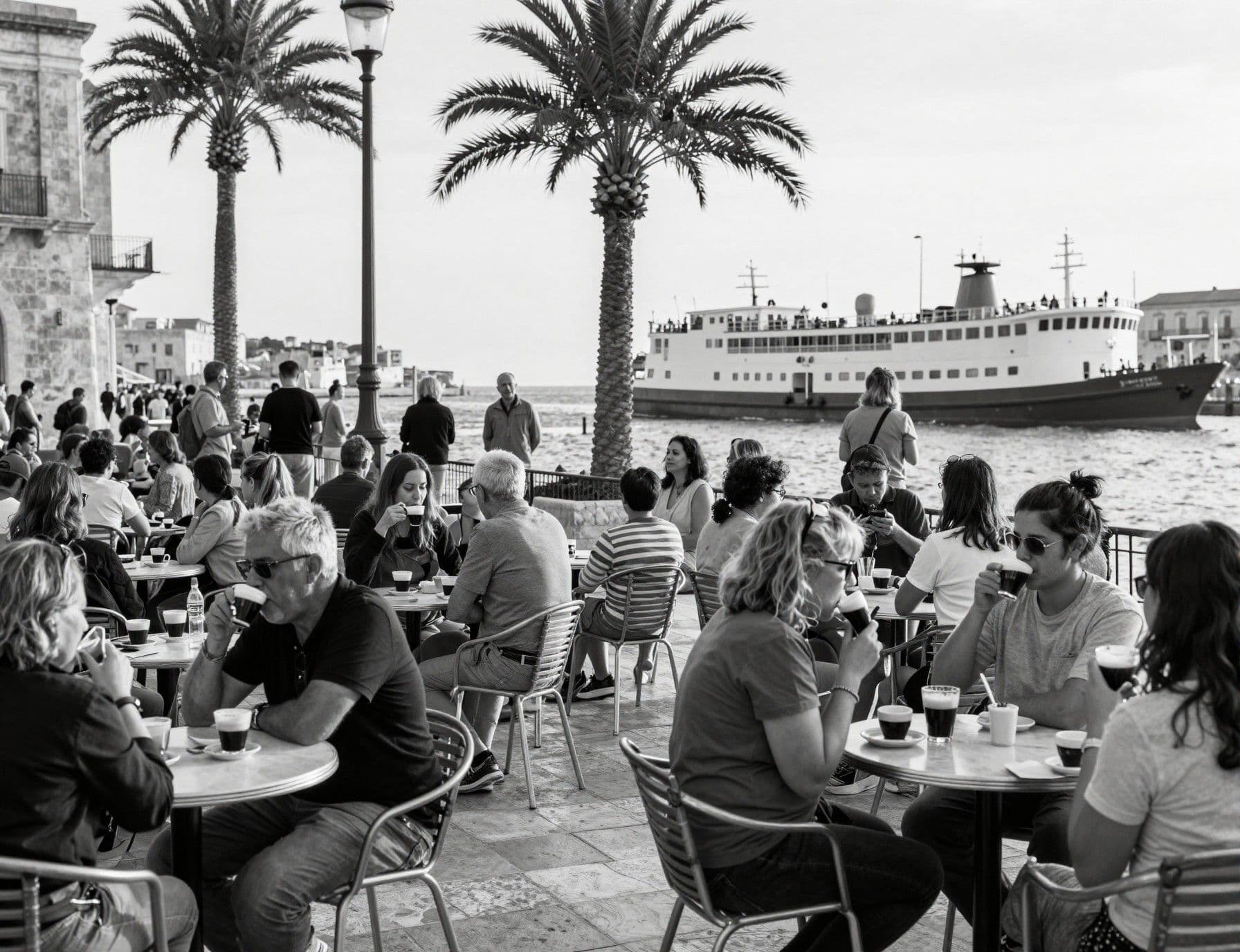
Malta feels smaller than a country and larger than a town. Days are measured by ferry timetables, market openings and the late-afternoon passeggiata. English is an official language, so you’ll overhear a mix of Maltese, English and Italian at cafés. Summers hum with tourists and boating life; winters are mild and local, when neighbourhoods breathe again and you can hear church bells at dusk.
Valletta & the Three Cities: history lived at street level
Valletta is theatrical: tight streets, baroque churches, and rooftop terraces that make you plan dinner routes by sunset. The neighbouring Three Cities — Vittoriosa, Senglea and Cospicua — offer quieter harbourside routines and restored townhouses with deep character. Expect smaller apartments, high ceilings, and the odd spiral staircase; life here is pedestrian-first and deeply social.
Sliema, St Julian’s & Gżira: cafés, co‑working and island nightlife
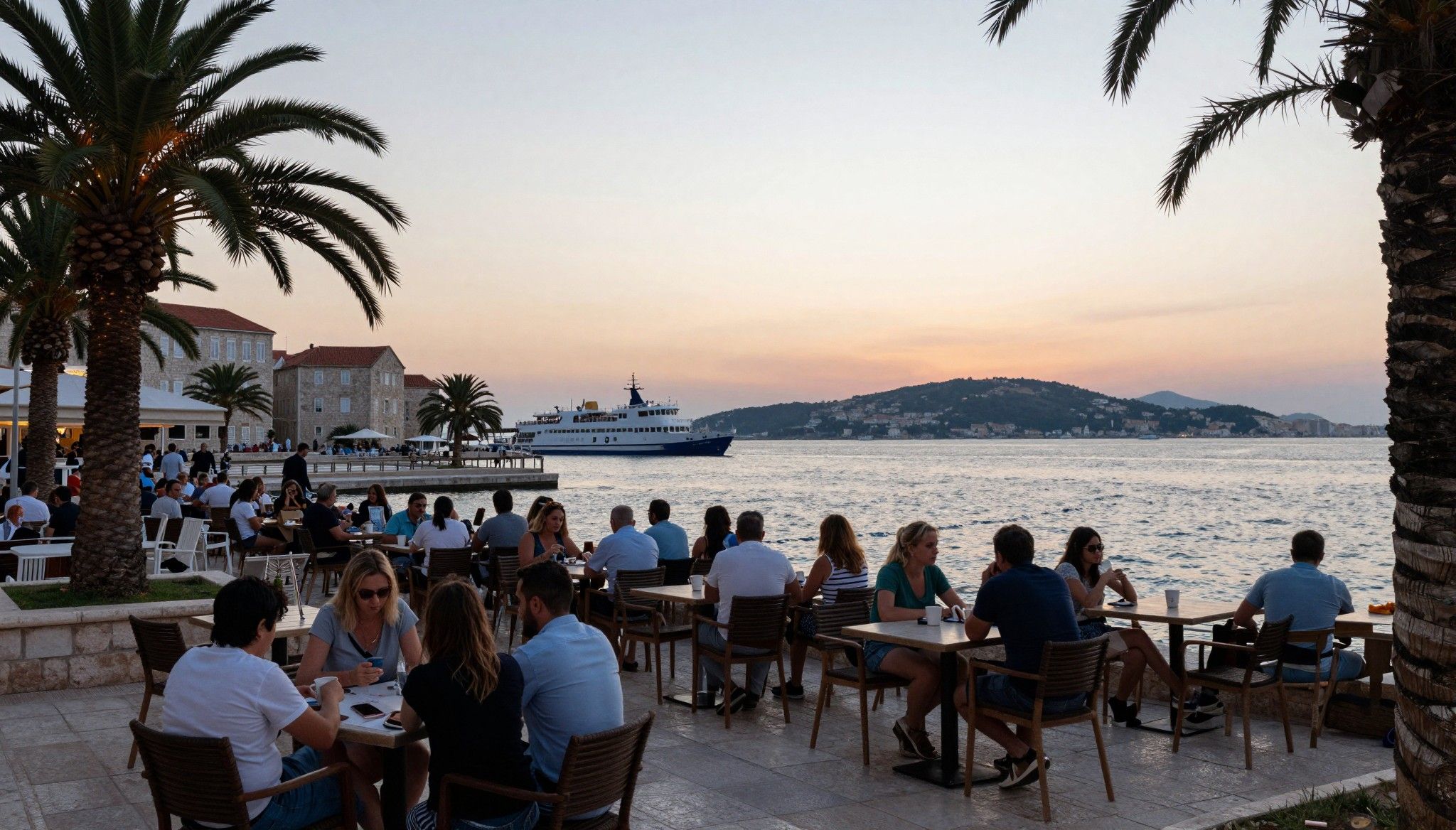
If you want regular café life, coworking spaces and a reliable ferry link, Sliema and Gżira are where international buyers often land. St Julian’s turns up the volume — restaurants, bars and a coastline of promenades. Properties here vary from modern apartments to post‑war maisonettes; terraces and sea views command premiums but make daily life feel like a holiday.
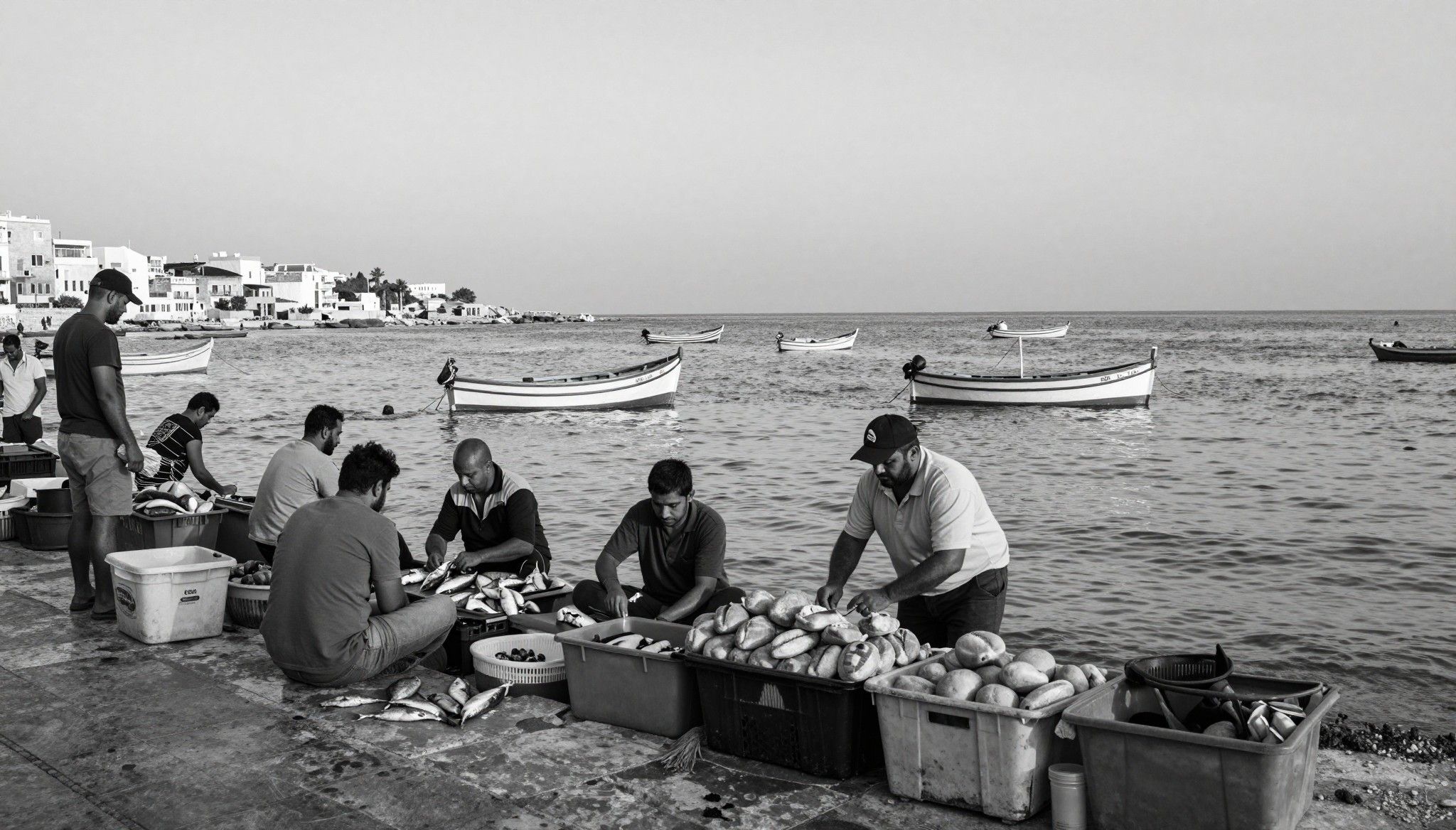
- Lifestyle highlights: Valletta’s rooftop cafés; Marsaxlokk fish market on Sundays; il‑Festa (village feast) nights; nice swims at Ġnejna Bay or Golden Bay in spring; late brunch culture in Sliema and Gżira.
Making the move: how lifestyle maps to real properties
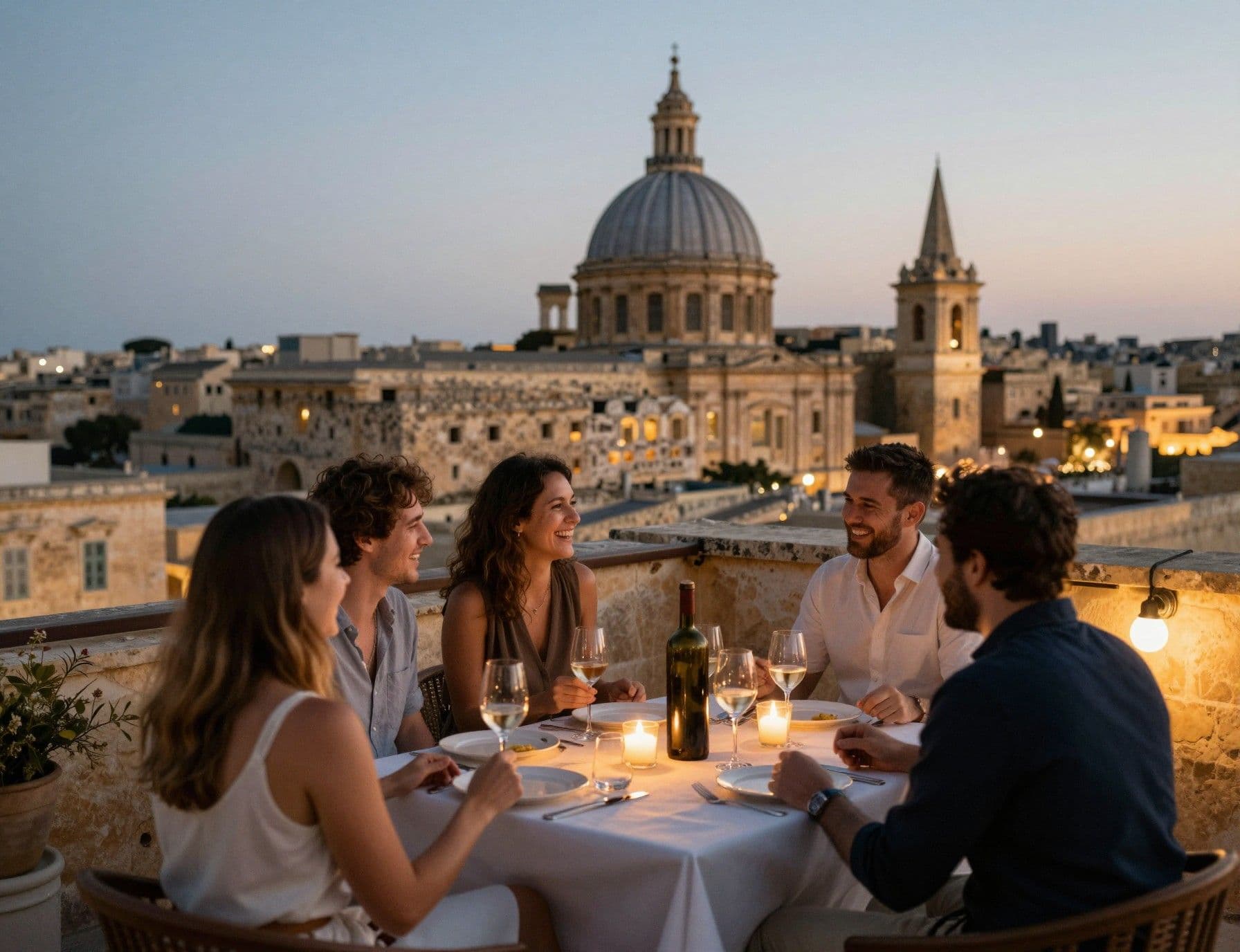
Your lifestyle wish-list determines the property type you'll chase — a Valletta walk-up, a Sliema terrace, or a quieter Gozo townhouse — but market context will decide whether that wish is realistic. Malta’s RPPI shows steady price growth through 2025, and local analysts flag affordability pressure even as the economy supports demand. Put simply: expect competition in the smallest, best‑located properties and account for slower search cycles in conservation zones.
Property types: maisonettes, converted warehouses, new blocks
Traditional Maltese maisonettes give you indoor-outdoor living with a street-level entrance and a roof terrace — great for dinner parties and small gardens. Converted warehouses and penthouses offer open plans and light but often need soundproofing. New builds supply modern systems and warranties, but can feel generic; choose them when you prioritise low maintenance.
Local process essentials: stamp duty, transfer tax variances and the need for clear title. Stamp duty is usually charged to the buyer and transfer tax rules vary by relationship and incentives. Work with a lawyer who reads deeds in Maltese and English and gets the site plans right — that’s where transactions stall if you skip it.
- Practical steps that match lifestyle goals: 1) Decide your daily non-negotiables (ferry, beach, market). 2) Shortlist neighbourhoods and view at different times of day. 3) Ask agents about conservation restrictions and terrace rights. 4) Instruct a local lawyer early for title searches and pre-contract checks.
Insider knowledge: what expats wish they’d known
Expats often romanticise Malta’s compact size and seaside life, then discover the tradeoffs: noise in summer, parking scarcity, and smaller internal space standards compared with many mainland European homes. Locals adapt by using rooftop rooms and folded furniture. Knowing these rhythms will change how you value a terrace versus an extra bedroom.
Language, customs and daily social life
English makes integration easier — official documents and many services are available in English — yet knowing basics of Maltese opens doors at local festas and family-run shops. Weekends are social: markets, barbecues at the seaside, and festa preparations fill the calendar. Learn the rhythm and you’ll be invited in faster.
Residency routes exist but they change. The Malta Permanent Residence Programme and related measures evolve with legal notices; if residency is a driver for your purchase, get up-to-date legal advice. Don’t bank on a single programme — plan property decisions around lifestyle and long-term residency options rather than a temporary incentive.
- Expat tips before you buy: ask about local rental demand if you plan to let; check conservation area constraints; view properties in winter and summer; verify terrace ownership and rights of light; and request full utility and maintenance histories.
Two statistics we keep returning to: official RPPI figures show consistent price growth through 2025, and local commentators note affordability pressures — meaning you’ll pay for prime location and small footprints. Use those facts to temper emotion: fall for the life, but let data set your budget and timeline.
Longer-term lifestyle considerations
Think five years ahead: will your seaside terrace still suit your lifestyle if you have children or switch to remote work? Areas that appeal to singles and short-term renters (St Julian’s nightlife) feel different when you want quiet or schools. Balance present joy with future needs when mapping wish-lists to property features.
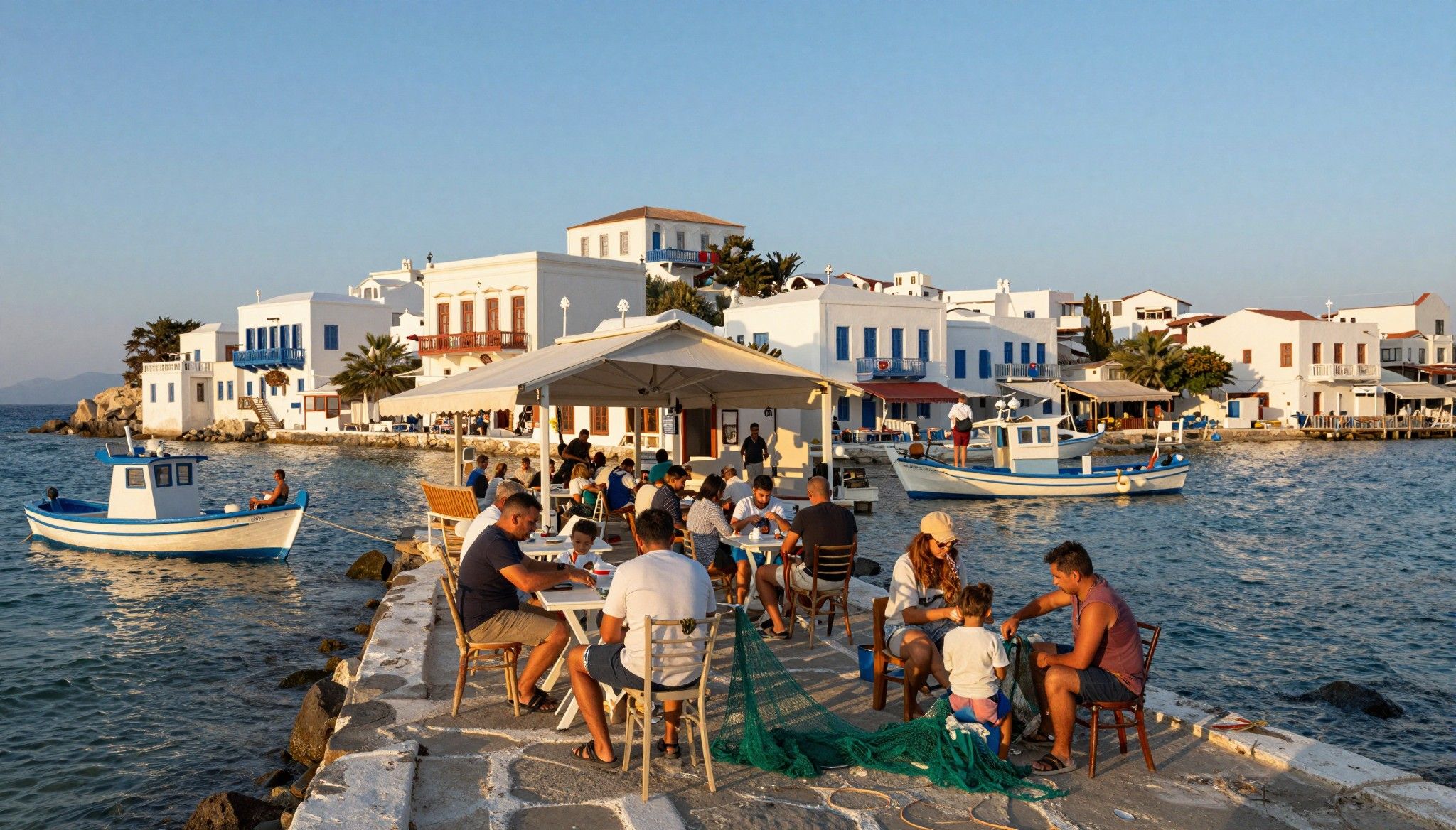
We love Malta because it rewards curiosity: walk a different street, try the fish market in Marsaxlokk, or take the early ferry to Gozo for a weekend and you’ll see how life can reconfigure itself around a terrace and a good coffee. Your next step is simple: come for the week, live like a local for three days, then call a local agent who understands both the lifestyle you want and the paperwork you’ll need.
British expat who relocated to Marbella in 2012. Specializes in rigorous due diligence and cross-border investment strategies for UK and international buyers.