Croatia: Love the Life, Close the Paper Trail
Fall for Croatia’s markets and daily life — but pair seaside mornings with a lawyer, check transfer tax (3%), and watch permits that can derail a dream purchase.
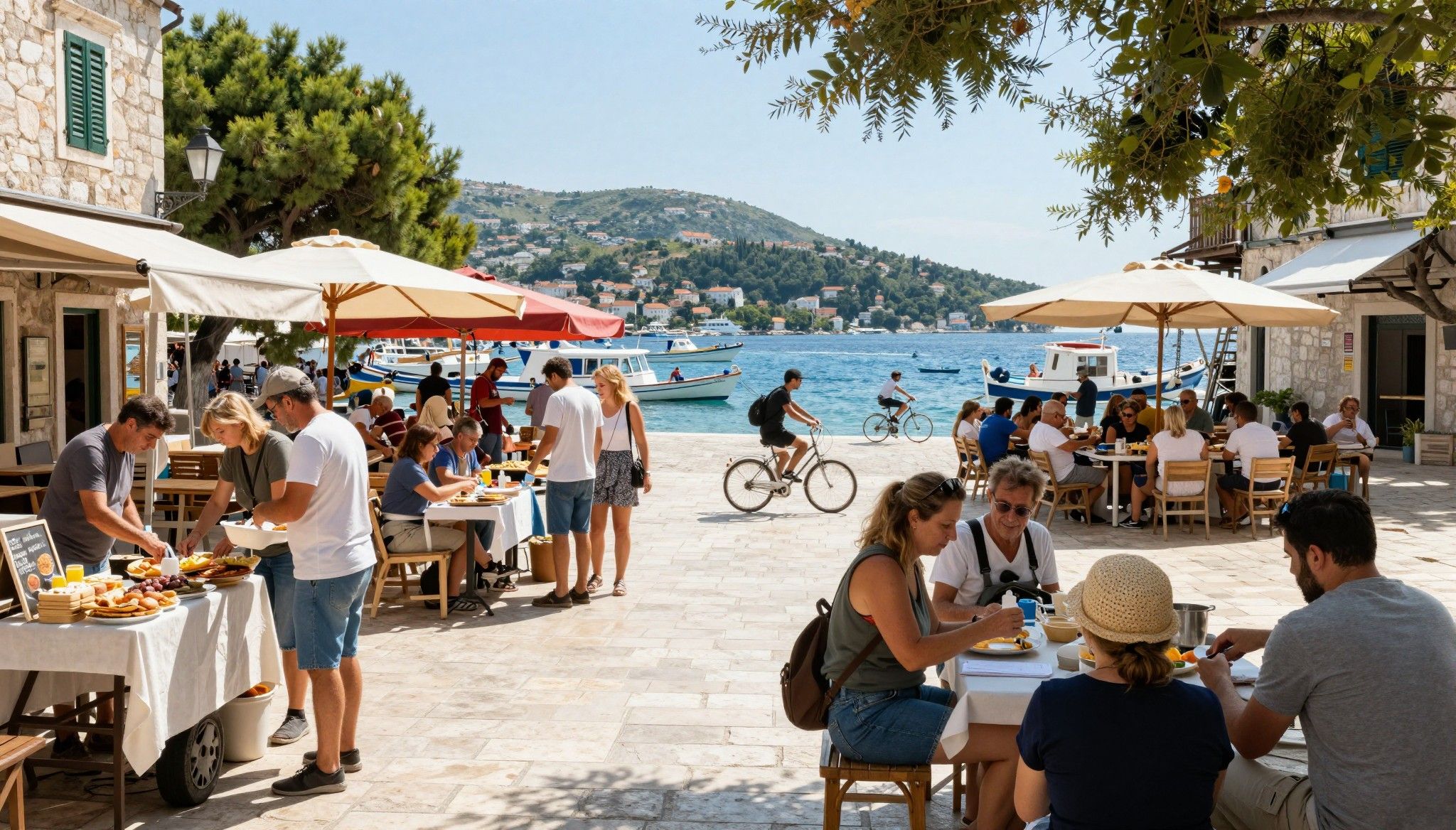
Imagine walking from a sun-warmed kafana on Split’s Marmontova into a small apartment whose shutters keep the afternoon light just right. In Croatia the daily life you see — markets in Zadar, café terraces in Dubrovnik, sailing mornings from Hvar — is the very reason people move. But the papers, rules and taxes that let that life be yours are precise and often surprising. We’ll show the lifestyle first, then the exact legal and fiscal realities you’ll need to buy with confidence.
Living Croatia: the feel, the places, the rhythms
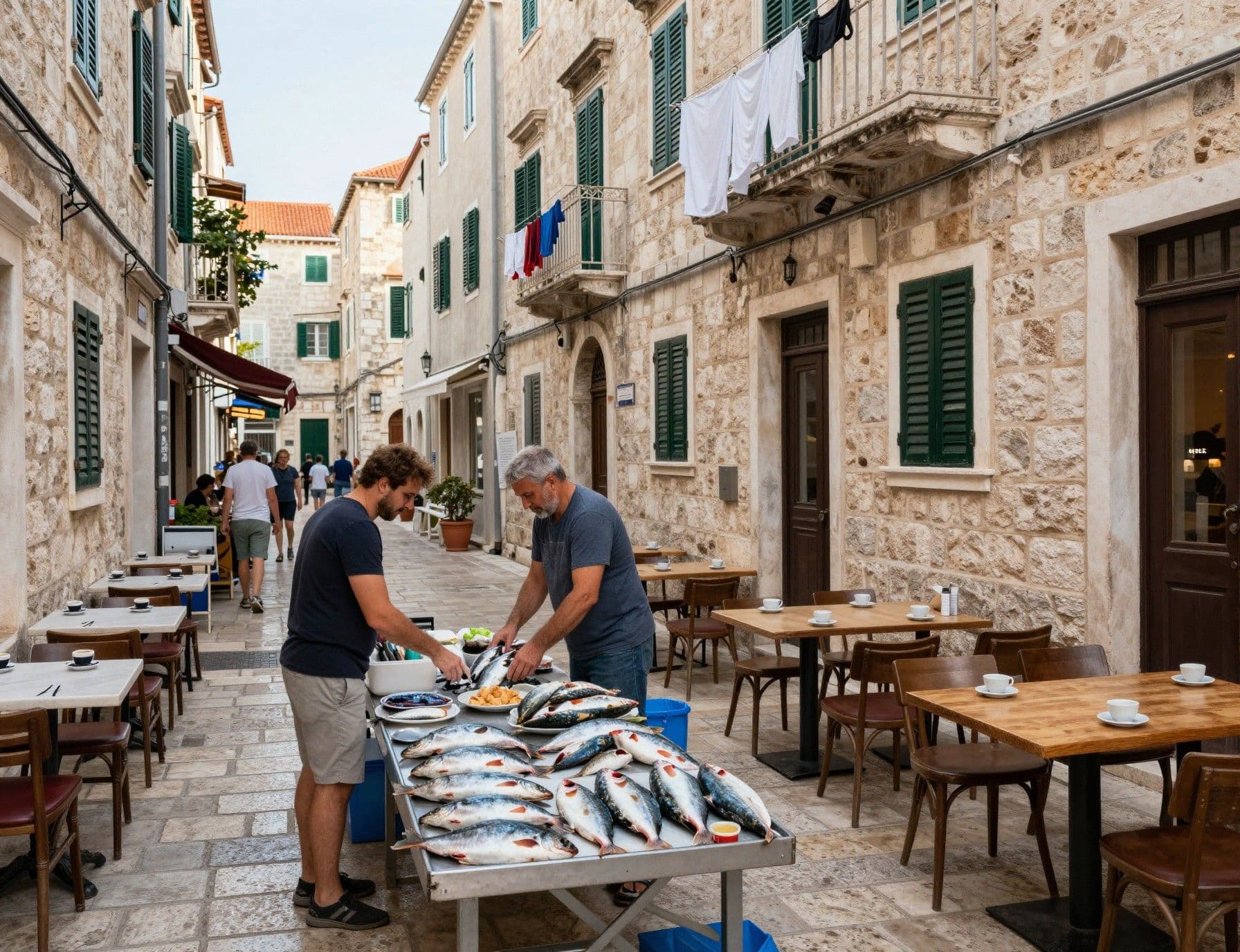
Croatia moves at Mediterranean tempo: mornings for markets and sea swims, late afternoons for cafés and conversations. Each coastal town has its signature — Split’s cathedral square bustle, Dubrovnik’s layered historic terraces, Rovinj’s narrow lanes scented with maritime pine. Inland, Slavonian fields and Baranja vineyards give a different pace: quiet roads, large parcels, and houses with substantial gardens. That variety is why a buyer’s mood — island solitude versus city sociability — matters as much as price per square metre.
Neighborhoods that tell the story
Want coastal mornings with an espresso ritual? Look at Split’s Veli Varoš or Dubrovnik’s Lapad for a mix of local life and access to services. Prefer a quiet island pulse with ferry connections? Milna on Brač and Stari Grad on Hvar still feel like villages where shopkeepers know your name. Zagreb’s Donji Grad gives tree-lined boulevards, museums and year-round conveniences for those who need city infrastructure alongside Croatian charm.
Food, festivals and seasons that shape daily life
Seasonality drives lifestyle and price. Summers pulse with tourists, open-air concerts and fresh-market seafood; autumn brings truffle foraging on Istria’s hills and calmer house-hunting. Winter is low-key: family gatherings, hearty peka dinners and better negotiation leverage on coastal listings. Knowing which season matches your dream life will also change which property type suits you — compact central flat for social life, stone farmhouse for slow-lane living.
- Lifestyle highlights to look for
- Morning fish market runs in Split (Riva) or Zadar’s foreshore
- Sunset walks along Dubrovnik’s city walls and local konobas
- Istria’s truffle season and weekend vineyard routes
Making the move: paperwork, rules and surprising costs
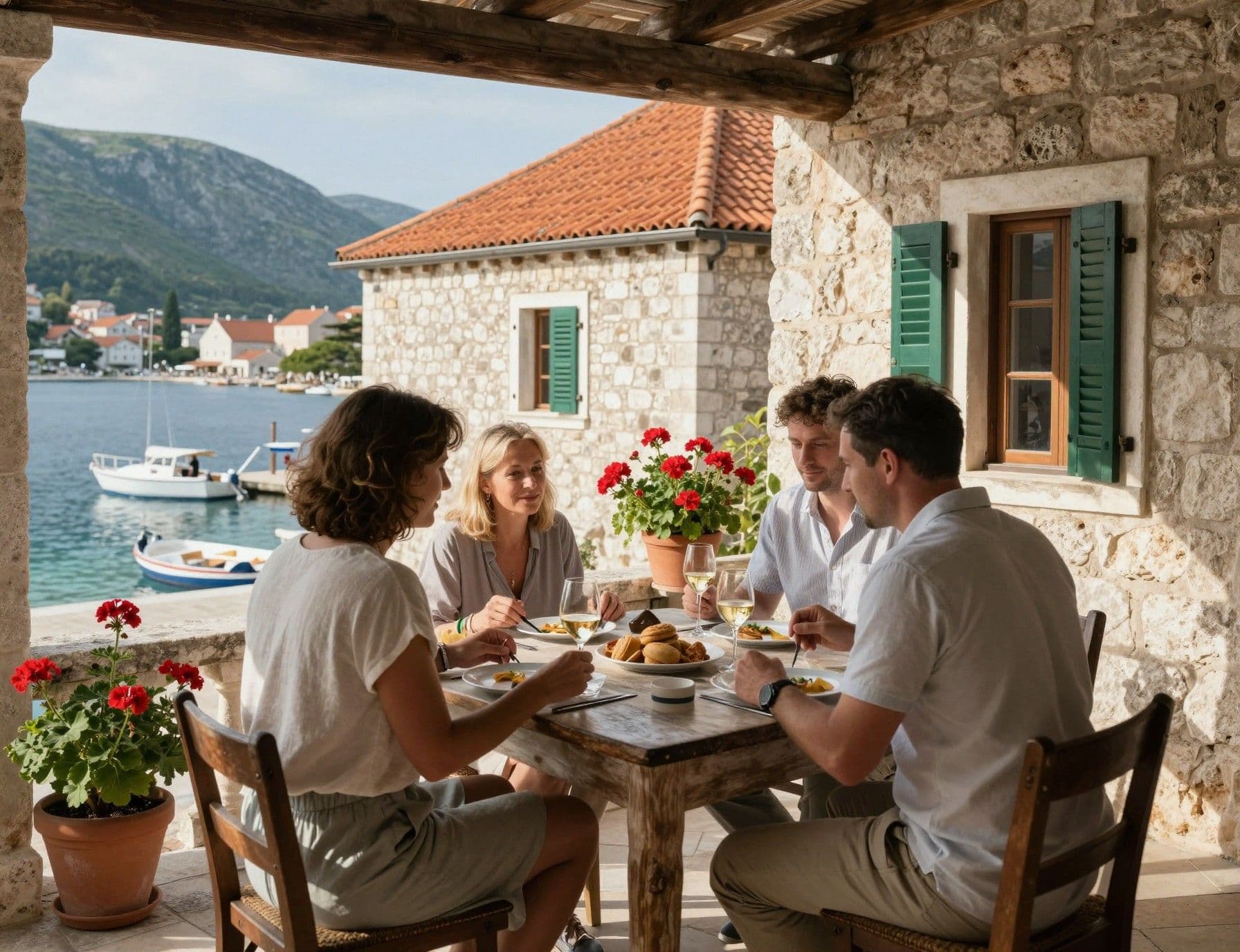
The paperwork in Croatia is registry-first: what’s in the land register (zemljišna knjiga) and tax records matters more than glossy listings. EU citizens can buy freely; non-EU buyers usually need a reciprocity check or ministry approval and must plan for extra administrative steps. Expect costs beyond the sale price: a 3% real estate transfer tax often applies unless VAT was charged on a new-build sale, and notarisation, registry and legal fees stack up quickly. These are not small line-items — they change where a property becomes good value.
Property types and the lived tradeoffs
New-build apartments on the Adriatic can feel effortless: modern plumbing, warranties and clear VAT treatment. But traditional stone houses (kamena kuća) bring character and restoration costs. Market data from the Croatian Bureau of Statistics shows strong coastal price growth in recent years, so think not just about current price per m² but about maintenance, seasonality of rental demand and local building permits for renovations. If you want terraces that open to the sea, confirm coastal protection restrictions early — they’re real and enforced.
Working with local experts who match life to law
A competent Croatian lawyer plus a bilingual agent short-circuits most problems. Lawyers check title chains, servitudes (servituti), municipal planning status and whether VAT applies. Agents who live locally can point out micro-neighborhood quirks — for example which streets in Split flood in winter, or which Dubrovnik terraces lose morning sun. For tax planning, consult Croatian tax guidance: transfer tax is generally 3%, while VAT applies to some new-builds, so structuring the purchase with accurate invoices matters for total cost.
- Steps to a secure purchase
- 1. Commission a lawyer to run a full land-registry title check and confirm no hidden encumbrances.
- 2. Verify whether VAT or transfer tax applies — this changes overall cost and may tip a deal one way or another.
- 3. If non-EU, apply for reciprocity/ministry approval early; allow weeks rather than days for paperwork.
Insider knowledge: myths, red flags and what expats wish they'd known
Myth: “The Adriatic is only for rich investors.” Reality: coastal pockets vary wildly — a two-bedroom in a lesser-known Dalmatian town can cost a fraction of Hvar or Dubrovnik. Myth: “All properties have private beaches.” False — Croatian law limits private beaches and sellers commonly overstate access. Red flag: missing usage permits (uporabna dozvola) or incomplete municipal permits for terraces and pools. These are not negotiable after purchase and often mean expensive retrofits.
Cultural and practical integration tips
Learn a few Croatian phrases and join local markets — it opens doors and helps with negotiations. Expats recommend building relationships with a local notary and a municipality clerk; small favours and clear communication speed processes that otherwise stall. Also consider seasonal property management: many buyers rent coastal properties in summer, and reliable local managers make a dramatic difference to occupancy and upkeep.
Long-term thinking: taxes, inheritance and resale
Croatian inheritance and gift rules can affect estate planning for international owners — plan with a Croatian and home-country lawyer. Capital gains tax exemptions may apply after a certain ownership period, but rules differ for residents and non-residents. Before you buy, run a three-year ownership cost projection that includes property tax, insurance, management and potential renovation, not just price per m².
- Practical red flags to walk away from
- No land-register entry tying seller to title or missing utilities declarations
- Properties advertised with 'private beach' or unclear access rights
- Sales where VAT vs transfer tax treatment is ambiguous
Conclusion: fall for the life, but close with clarity. Croatia rewards those who match lived desires to legal certainty — a morning market, a sea view, or quiet inland space must be backed by clean title, correct tax treatment and realistic upkeep. Start with a local lawyer and a resident agent who understand both the neighborhood café and the land-registry entry. If you love the cadence of Croatian life, we’ll help you get the papers in order so the dream endures.
Swedish expat who moved from Stockholm to Marbella in 2018. Specializes in cross-border legal navigation and residency considerations for Scandinavian buyers.