Malta: Neighbourhood Life, AIP Rules & Real Tradeoffs
Malta’s Mediterranean intensity is lived in neighbourhood details — learn lifestyle tradeoffs, AIP rules and local realities that shape smart buys.
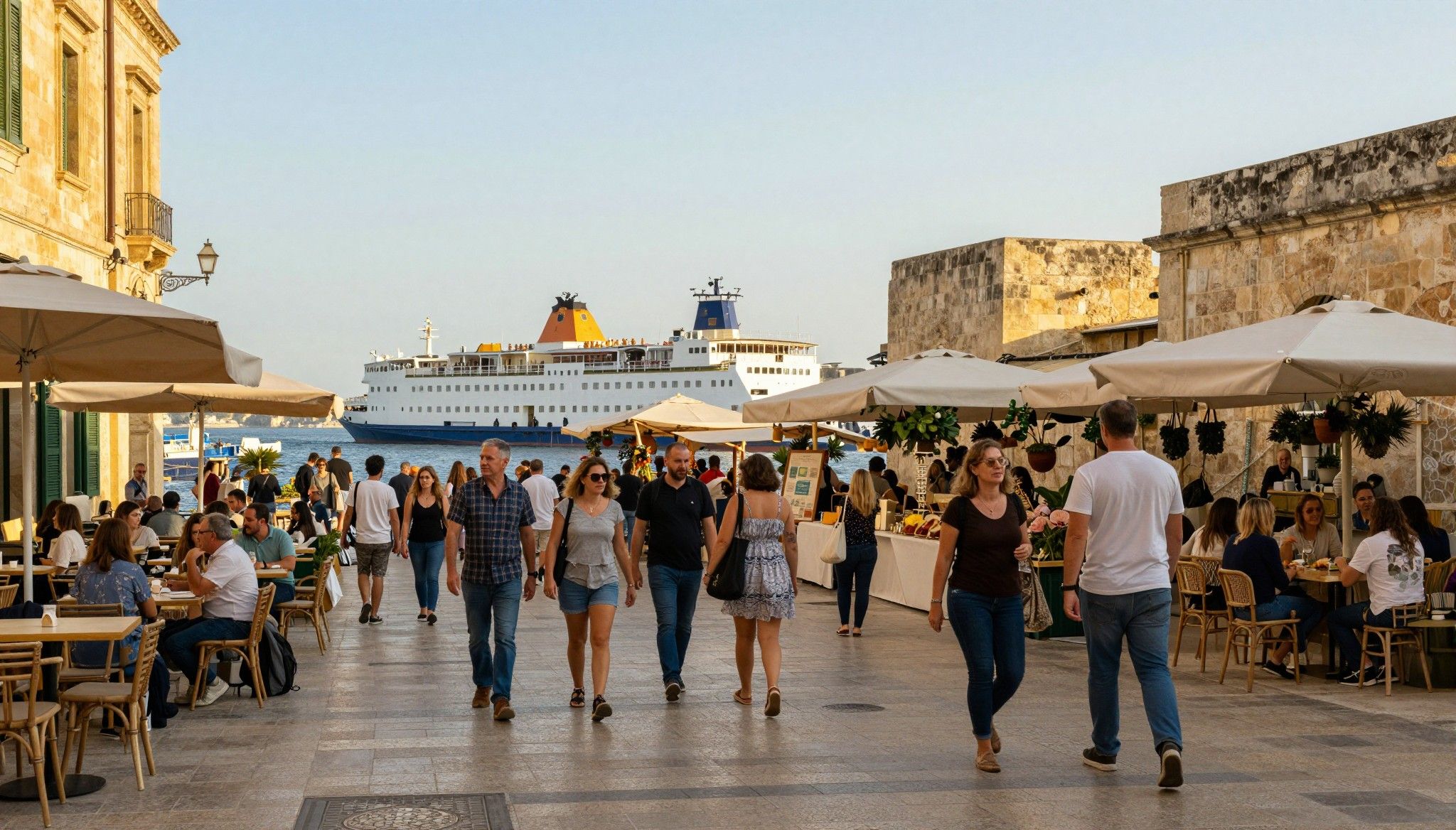
Imagine waking on a narrow terrace in Valletta, coffee steaming, the limestone catching morning light while ferries thread the Grand Harbour. That compact, sunlit rhythm — short walks, markets, cafés and a surprising mix of British ease and Mediterranean informality — is what draws many of us to Malta. But falling in love with the life and actually buying here are two different journeys. We’ll show you both: the lived experience and the exact local rules that shape where smart buyers look.
Living Malta: a compact Mediterranean life
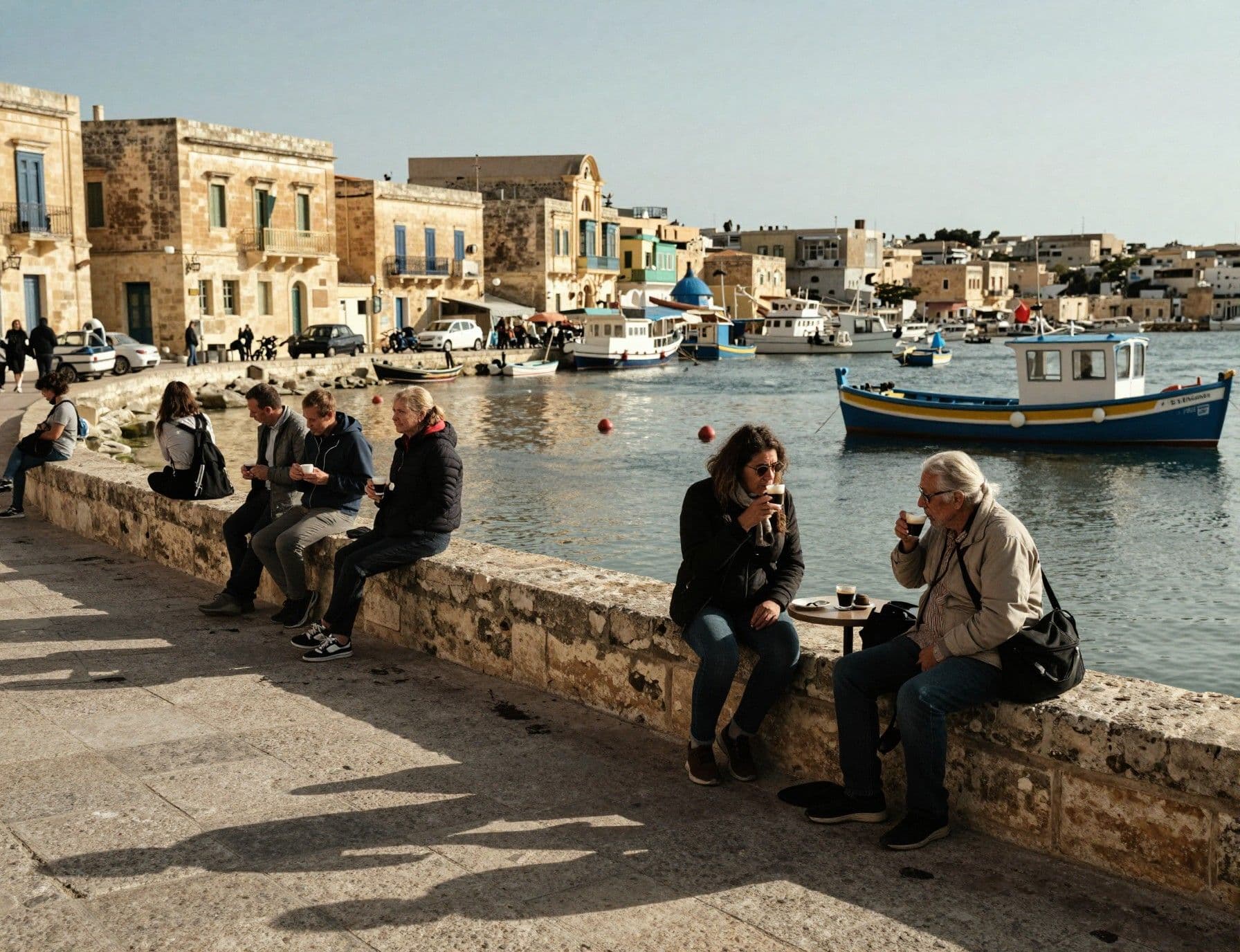
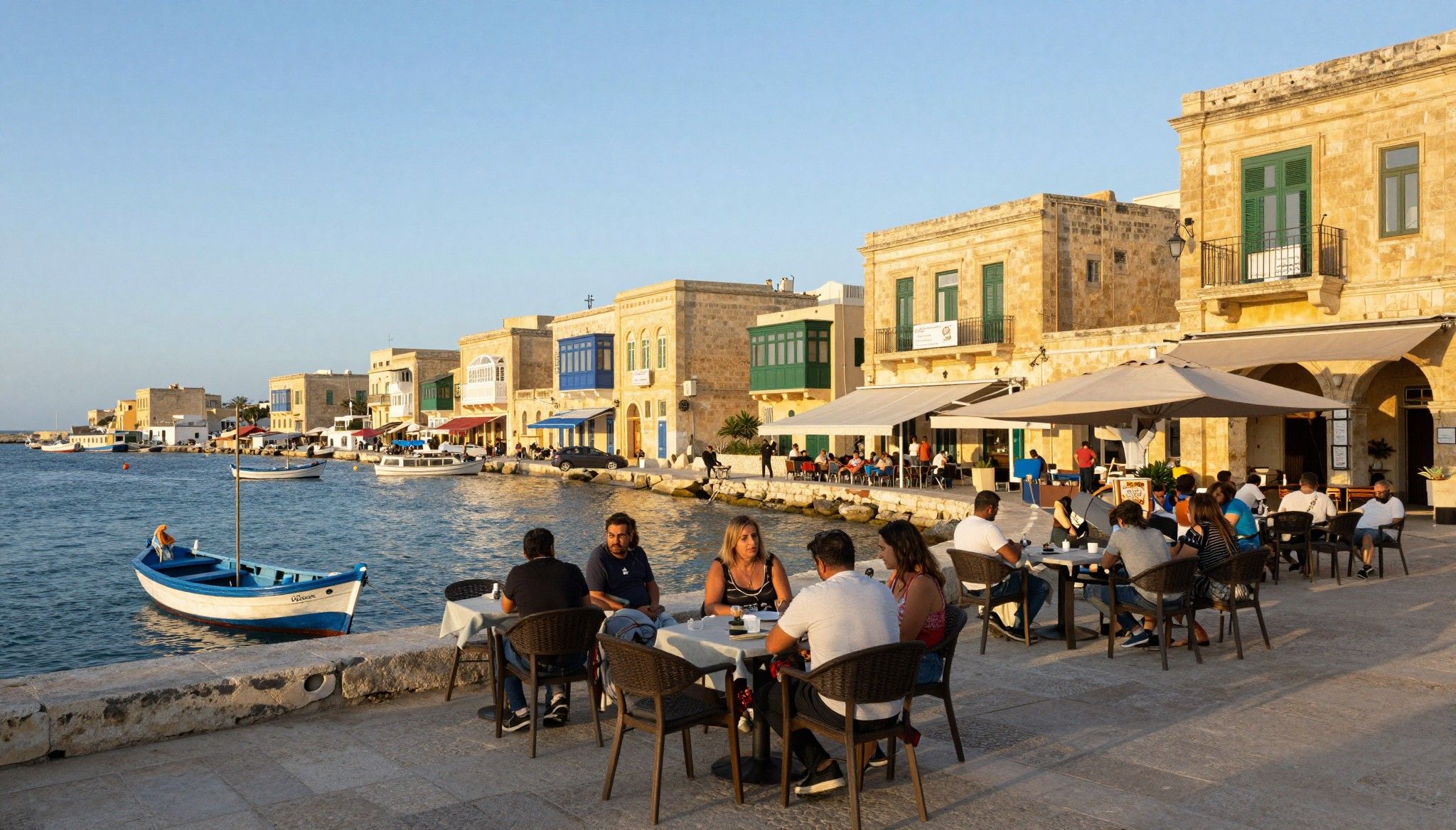
Malta is a set of small, intense neighbourhoods more than a single ‘city.’ Days here are sensory: limestone façades warm to honey at noon, fishing boats scent the air near Marsaxlokk, and evenings run from piazza chatter in Mdina to cocktail terraces in Sliema. English is co‑official and widely spoken, so practical integration tends to be faster than on many Mediterranean islands. Expect daily routines built around coffee, sea swims, and a calendar of festas that give the island a year‑round social pulse.
Valletta, Sliema & St Julian’s: city, seafront, social life
Valletta is stone, history and a surprising quiet after sunset; Sliema is cafes, ferries and long seafront promenades; St Julian’s (esp. Paceville) is where nightlife and international services cluster. If you want morning espresso on Republic Street and a short walk to theatres and museums, Valletta fits. If daily sea views and a lively expat community matter more, Sliema or St Julian’s will feel like home faster.
Gozo and the north: slower tempo, more land
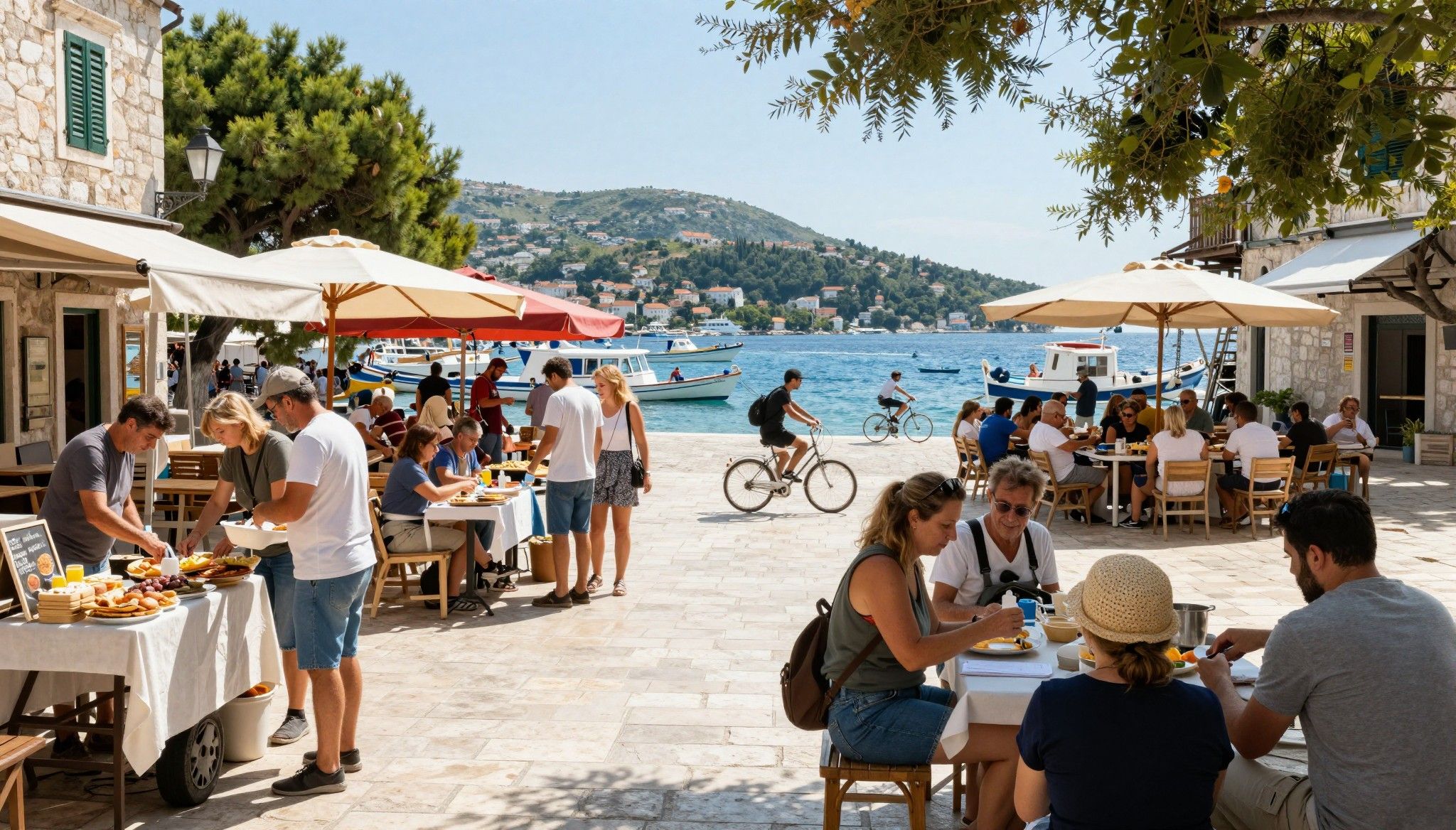
Gozo and northern towns such as Mellieħa offer a different promise: bigger terraces, quieter beaches (like Golden Bay), and village rhythms where you learn names at the market. For buyers trading urban convenience for space and calm, these areas feel like a Mediterranean village with easier parking and sometimes better value per square metre — but expect longer commutes to major services.
- Lifestyle highlights: Valletta cafés, Sliema promenade, Marsaxlokk fish market, Mellieħa beaches, Ta' Qali crafts market, evening festas in village squares
Making the move: how Malta’s rules shape choices
The romance of narrow streets meets a legal reality: not every buyer can buy anywhere. Most third‑country nationals need an Acquisition of Immovable Property (AIP) permit to buy outside special designated areas (SDAs) such as SmartCity or certain Portomaso developments. That shapes where off‑market deals and developer stock appear for foreigners, and why good local legal advice matters from the first viewing.
Property types and how you’ll actually live in them
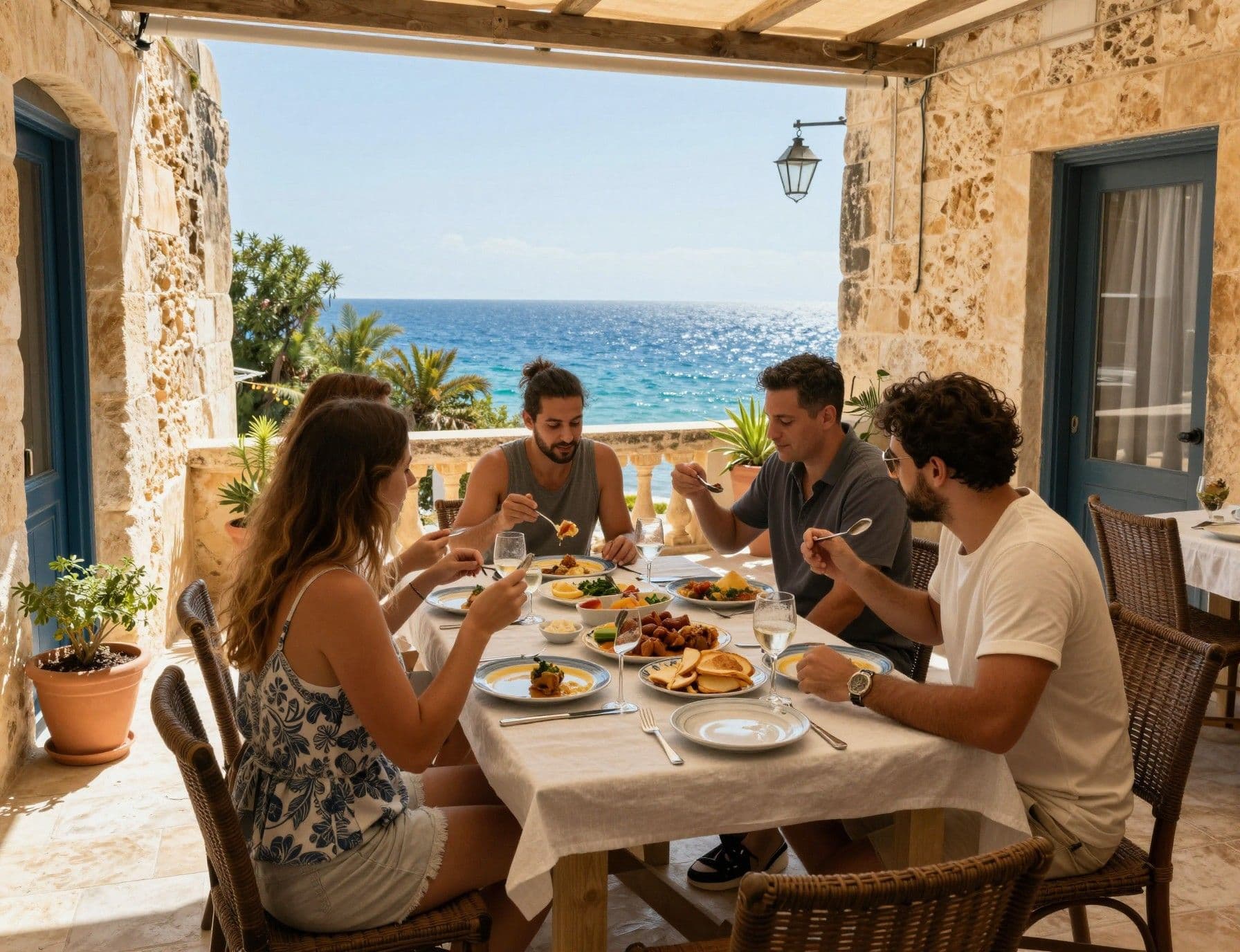
Homes range from tiny historic ‘maisonettes’ tucked under vaults, to modern seafront apartments and new‑build penthouses with terraces. If you plan to host dinners, prioritise larger terraces or duplex layouts; if ease of living matters, look for elevators and secure parking near Sliema or St Julian’s. Historic homes require careful due diligence on ownership of roofs and common parts — the law around acquisition by non‑residents alters how developers and sellers price units.
Work with local experts who understand lifestyle outcomes
- 1. Ask your agent which areas require AIP permits and which sit inside SDAs; this saves wasted viewings. 2. Insist your lawyer checks communal ownership, roof rights and any land registry notes before signing a Konvenju (promise of sale). 3. Visit at least twice: a weekday, and a festa weekend — the social life varies hugely. 4. Prioritise agents who show exact transport times, not just distance in kilometres. 5. If you expect rental revenue, ask for historic rental figures for the building rather than optimistic projections. 6. Check microclimate details — wind and sun exposure determine whether that terrace is usable year‑round.
Insider knowledge: what expats wish they’d known
Expats often tell the same small regrets: underestimating storage (houses are small), overpricing parking, and assuming summertime impressions equal year‑round life. The island is compact — that’s magic and constraint. English helps integration, but learning Maltese opens doors at village festas and with older neighbours. Healthcare and schools are accessible, but neighbourhood choice determines how easy daily life becomes.
Cultural and seasonal realities
Tourist summers can make some coastal pockets feel overrun — useful for short‑term rentals, less so if you want calm. Winters are mild, and many local rhythms (markets, church festas, community gatherings) are in low season, which is when you truly see neighbourhood character. Recent NSO and industry figures show steady price growth in recent years, so timing your buy against supply in your target micro‑market matters.
Long‑term life: what changes after move‑in
After a year you’ll notice the small wins: a favourite fishmonger, a neighbour who saves you a parking slot, and the way festas punctuate the calendar. After five years, the island economy’s constraints may influence plans — limited new land supply keeps prices elevated, and many expats shift from ‘investor’ expectations to seeking lifestyle returns instead.
- Red flags and quick checks: undeclared roof rights, confusing condominium minutes, properties marketed without AIP clarity, unrealistic rental yield promises
If Malta’s compact neighbourhoods sound like your kind of life, start with visits that prioritise living moments: breakfast on a Valletta street, an afternoon swim at Golden Bay, an evening in a Sliema café. Then bring in a lawyer who understands AIP, an agent who knows which streets quiet down after sunset, and a notary who will explain the Konvenju in plain language. We’ll help you find the part of Malta that becomes home, not just a postcode.
Swedish expat who moved from Stockholm to Marbella in 2018. Specializes in cross-border legal navigation and residency considerations for Scandinavian buyers.