Malta’s Underpriced Streets: Where Lifestyle Meets Value
Malta’s island averages miss street-level opportunities. Discover neighbourhoods where lifestyle and value align, backed by RPPI data and practical checks.
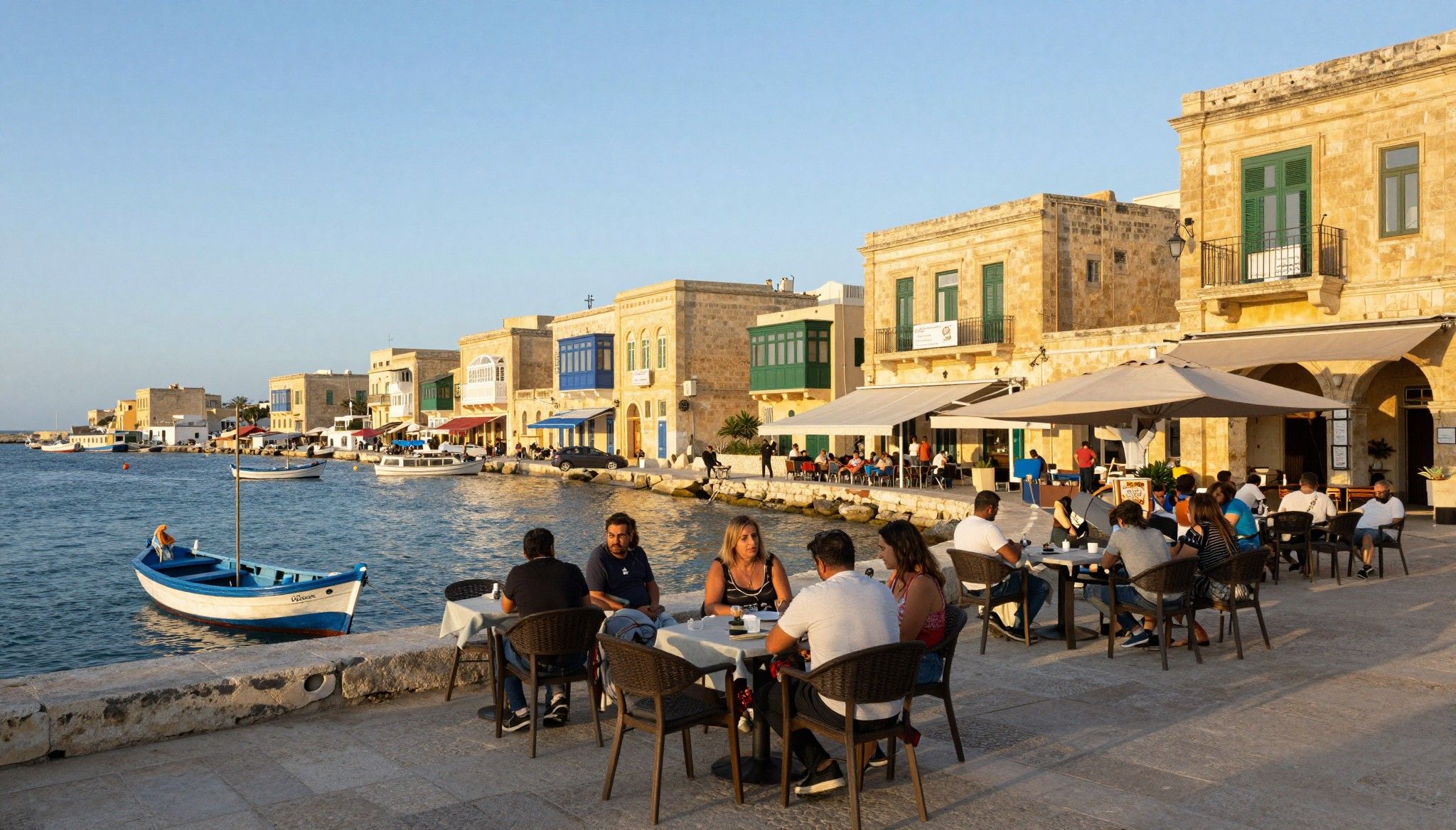
Imagine sipping an espresso on Sliema’s promenade at 8 a.m., the Valletta skyline soft in the distance, then popping into a neighbourhood bakery where everyone knows your name. That moment — compact, social, sunlit — is what draws people to Malta. But beneath the postcard there’s a quieter truth: price growth is real, yet opportunity lives on specific streets, not averages. We’ll show you where lifestyle and value still meet, and how to make a move that feels like a life change, not a spreadsheet.
Living the Malta lifestyle
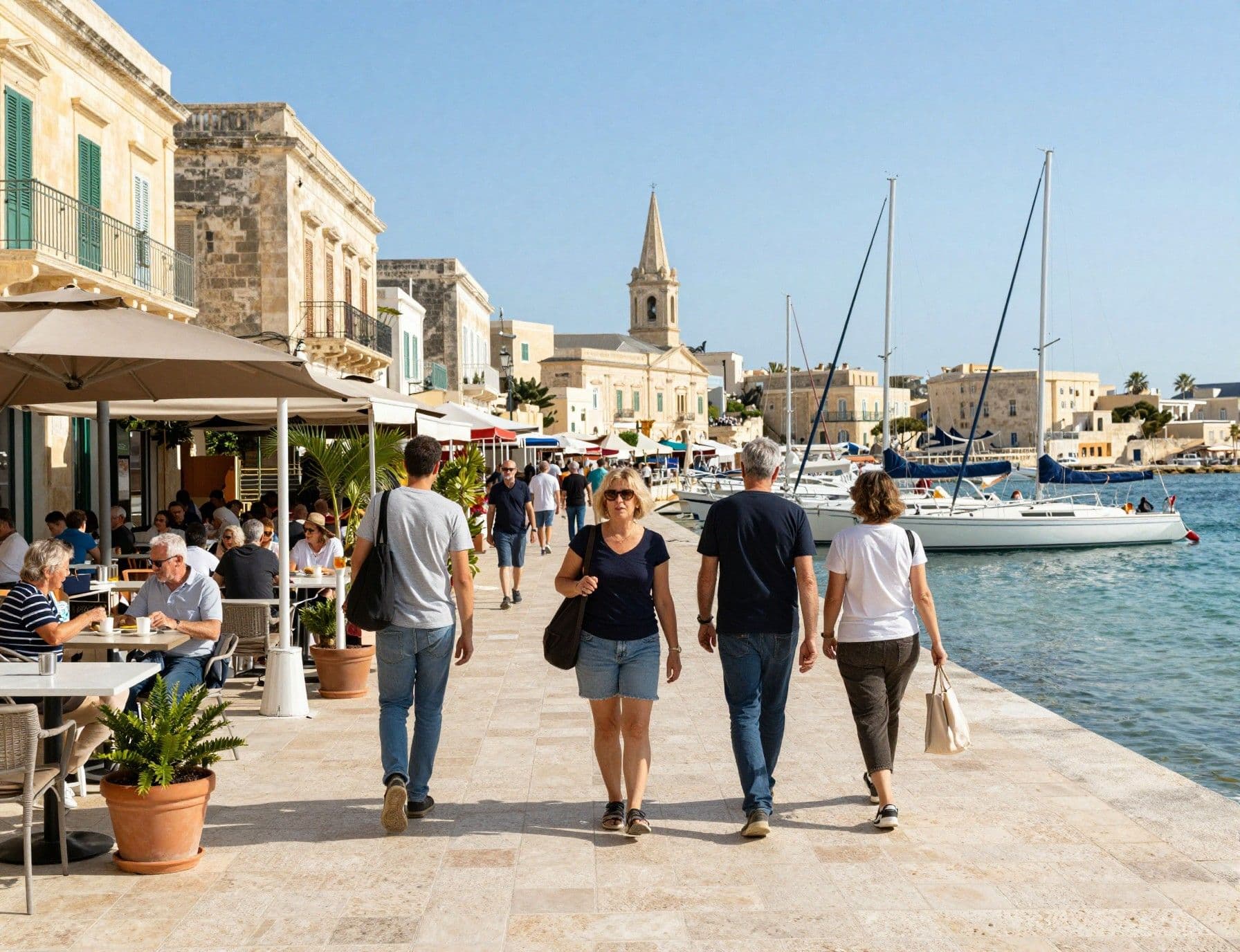
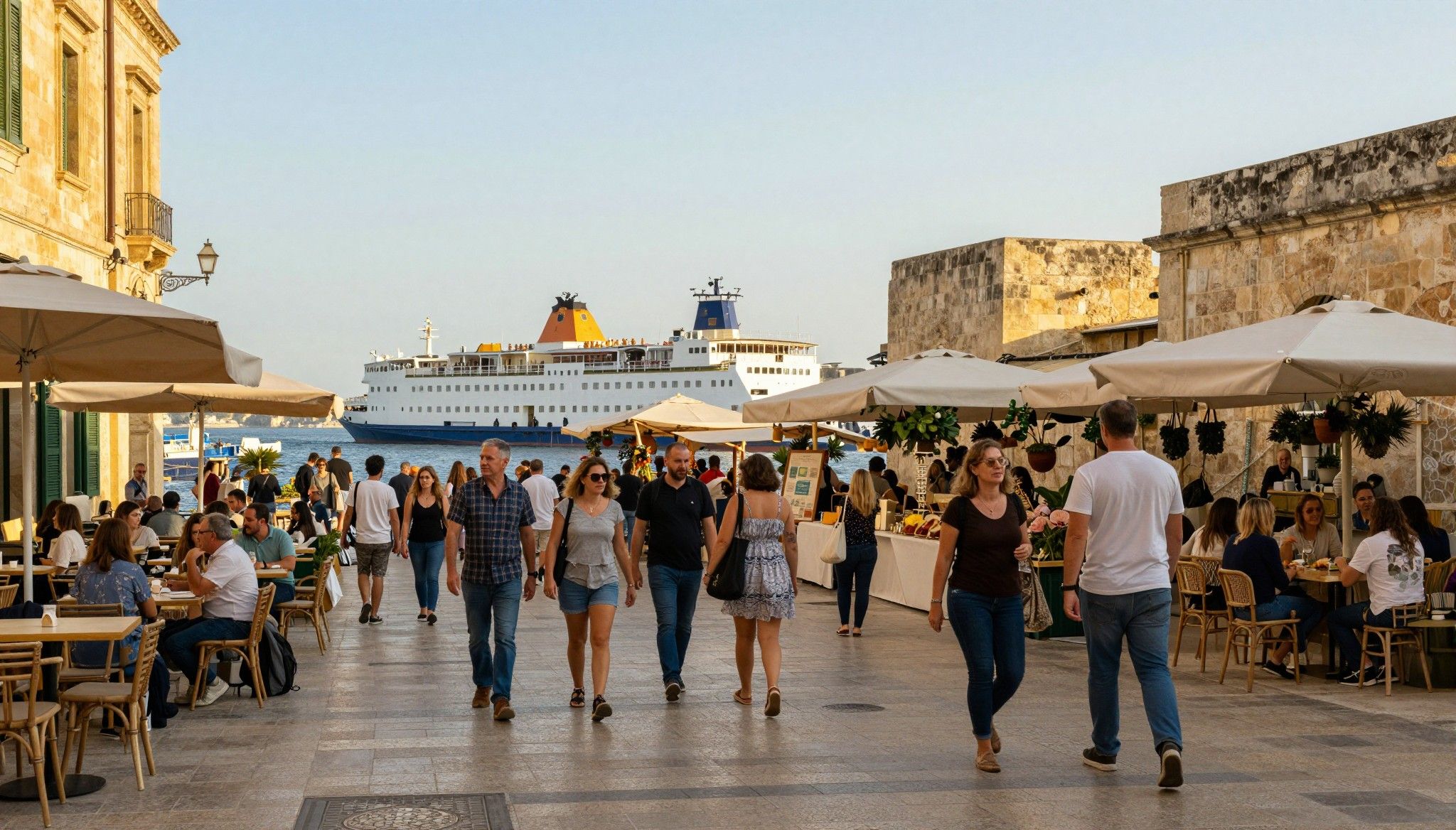
Malta is compact in the most useful way: everything fits into a weekend. Mornings mean local cafes and church bells; afternoons pull you to harbourside walks and tiny, excellent fish restaurants; evenings are about piazza conversation and slow wines. The island’s rhythm is Mediterranean but filtered through urban pockets — Valletta’s baroque lanes, Sliema’s shopfront energy, St Julian’s busy terraces and Gozo’s gentler tempo. Choosing a street here changes your daily life more than choosing a town.
Valletta: living inside history
Wake up under limestone facades and step into lanes that have seen centuries of festivals. Valletta is small — walkable to everything — but not quiet: museums, government, and cafés keep it alive year-round. Expect compact apartments with high ceilings and puzzles of storage; the tradeoff is immediate culture and front-row views of harbour light.
Sliema & St Julian’s: the social coast
This long coastal strip is Malta’s living room: promenades, shops, small gyms and busy cafés. St Julian’s adds night-life and tech-industry residents. Properties here skew modern or recently refurbished; terraces and sea views command premiums. For many international buyers it’s the easiest daily life: English is everywhere, services are close, and the expat scene is lively.
- Lifestyle highlights to scout on foot
- Morning espresso: Pjazza Regina in Valletta, then a walk along the bastions.
- Sea runs: Balluta Bay or Tigné Point for a quick dip before work.
- Sunday market: Marsaxlokk fish market for freshest catches and village life.
Making the move: lifestyle meets reality
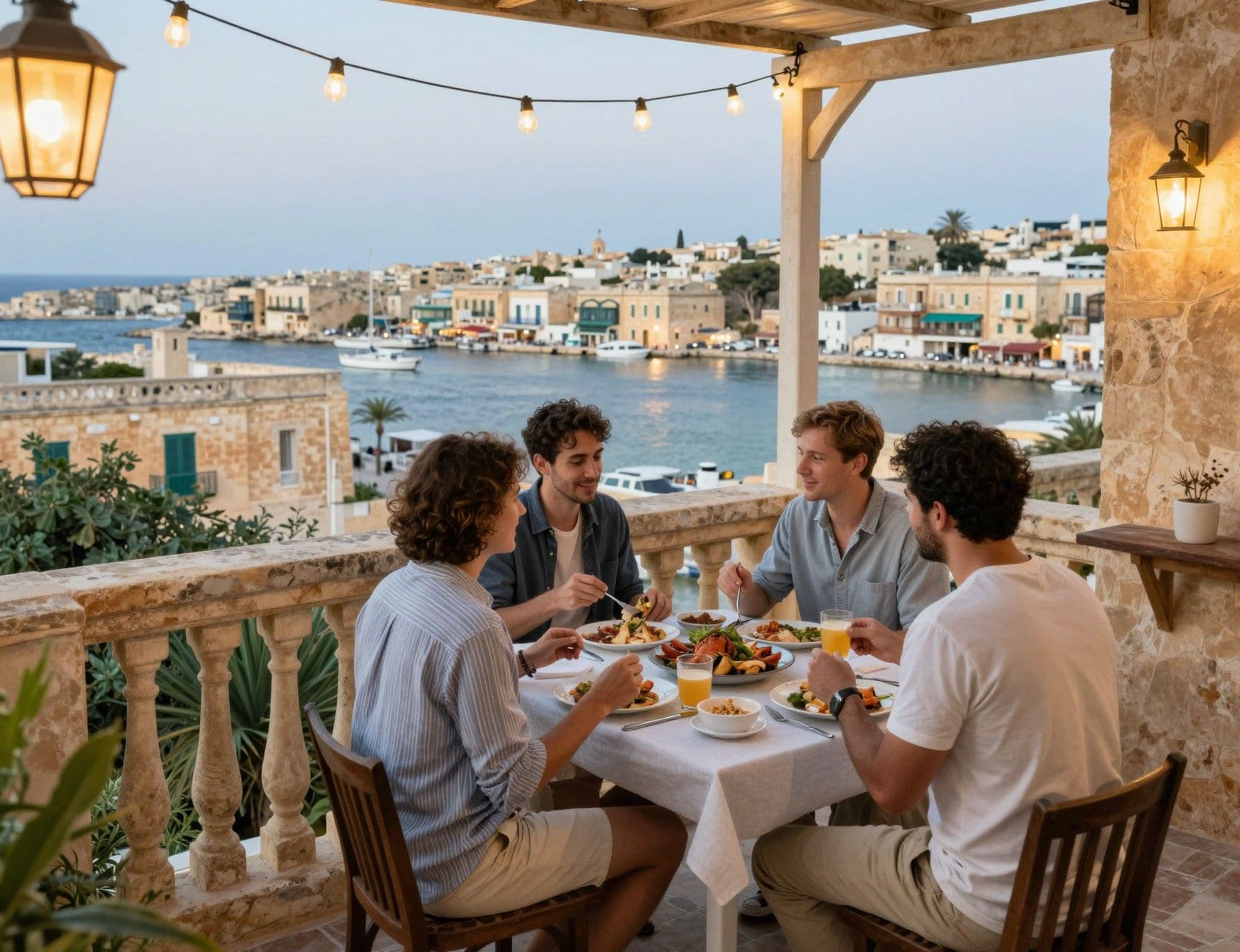
Prices in Malta have been rising — the National Statistics Office shows a steady RPPI increase over recent years — but averages hide where value persists. We’ll map the practical choices that keep the lifestyle you want while avoiding headline premiums.
Property types and how you’ll actually use them
Apartments dominate Maltese stock: traditional town apartments, modern seafront flats, and maisonettes with internal staircases. If you want terraces and outdoor living, prioritise Tigné, Sliema frontlines, or new developments around Gżira. If you want quiet village life, look to Marsaskala or southern harbours where maisonettes and terraced houses offer more space for the same budget.
Work with local experts who know the life, not just the ledger
A good agent in Malta is a translator of neighbourhood character: they’ll show you the morning routines on a street, noise at night, and where deliveries and parking are manageable. Seek brokers who can show off‑market maisonettes, understand renovation constraints in heritage zones, and have relationships with local architects and notaries.
- Steps that mix lifestyle and practical checks
- 1. Spend three full days in your shortlisted street: mornings, afternoons and evenings to feel the rhythm.
- 2. Ask the agent for comparable sales on the same street (not the area average).
- 3. Check short‑let regulations if you plan holiday rentals — compliance changes cashflow assumptions.
- 4. Factor in renovation timelines for period properties — works often uncover surprise costs.
Insider knowledge: what expats wish they’d known
Expat experience often starts romantic and then becomes practical. People love the language ease (English is official), the food, and the sense of small‑city safety. The surprises? Traffic pinch points, intermittent planning approvals in heritage zones, and short‑term tourist pressure in summer months that can change how a neighbourhood feels.
Cultural integration and daily rhythms
Maltese social life is neighbourly: village festas (feasts), bakery queues, and long lunches. Learn a few Maltese phrases, join a local club, and you’ll be invited to community events faster than you think. For families, schools cluster in different towns, so your street choice often determines practical daily routines.
Long‑term life: what grows and what plateaus
Over a decade Malta has seen steady appreciation in central areas, but value migration happens: new marinas, refurbished warehouses, and better transport links lift nearby streets faster than headline averages suggest. Expect pockets of fast change beside quieter lanes that hold value because they’re genuinely lived in.
- Red flags buyers should notice on a street tour
- Frequent delivery trucks or noisy bars at night — these are immediate lifestyle drains.
- Concentrations of short‑let listings — high tourist turnover can hollow out community feel.
- Unclear ownership lines or multiple small landlords — these complicate future sales or renovations.
To wrap up: Malta’s market statistics tell one story (steady national RPPI gains), but daily life is written street by street. If you want the lifestyle — the harbour walks, the evening passeggiata, the seafood markets — focus less on national headlines and more on micro‑markets. Spend time on the exact street, work with agents who know which terraces still underprice their neighbours, and plan for renovation and regulatory checks before you sign.
Next steps we recommend: book a three‑day reconnaissance that includes a night, ask an agent for comparable sales on your shortlisted street, and check short‑let rules if returns matter to you. When you’re ready, we’ll introduce you to brokers who live on the streets they sell — the best way to buy Maltese life, not just square metres.
Dutch relocation advisor who moved to Marbella in 2016. Guides Dutch buyers through visa paths, relocation logistics, and balance of lifestyle with value.