France: Love the Life, Read the Ledger
France’s romance hides local quirks and legal realities—use notarial records, required diagnostics (DDT) and local market data to match lifestyle dreams with transparent deals.
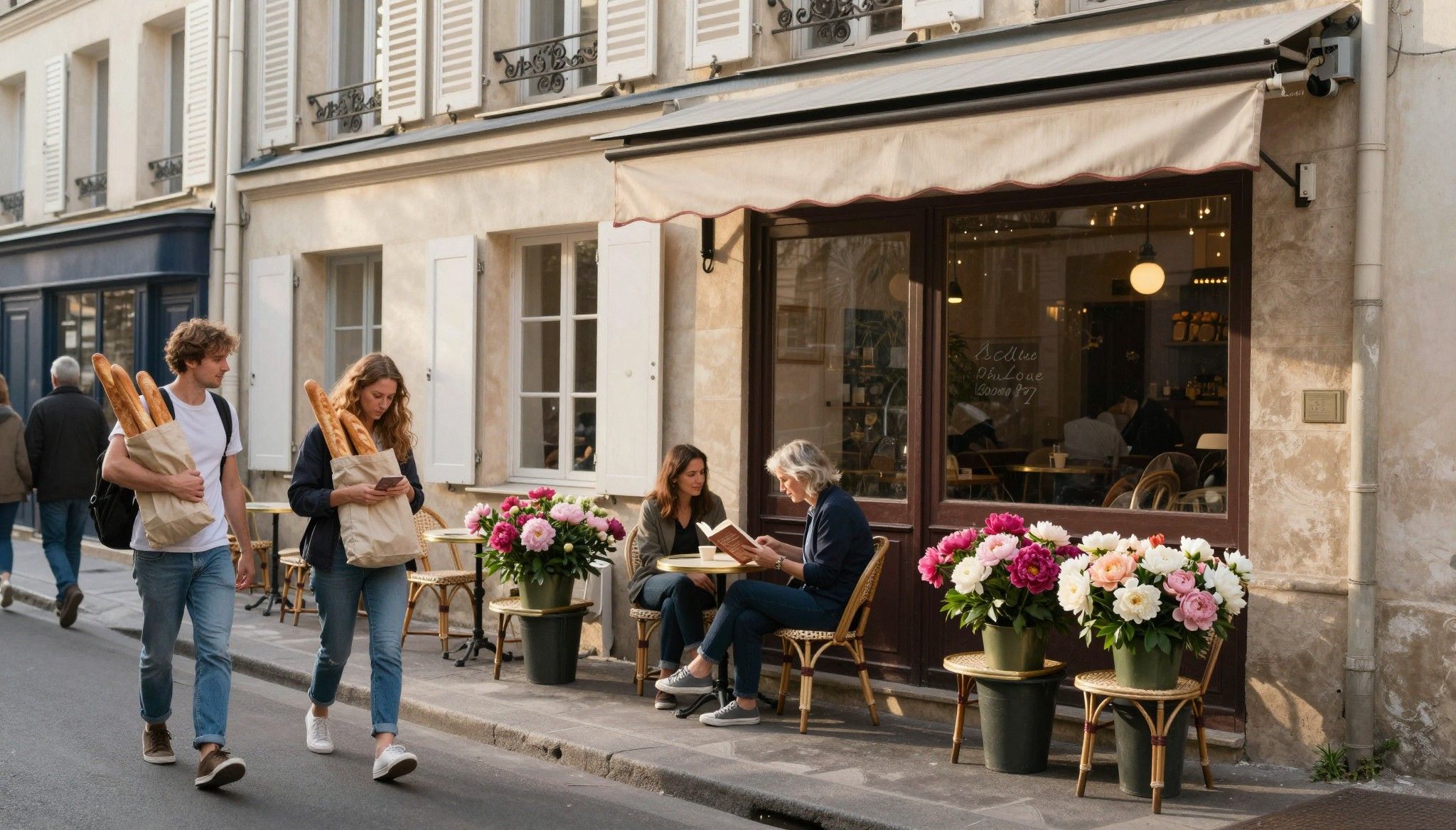
Imagine arriving on a quiet Tuesday morning to buy a croissant at Rue Cler, the market stalls still folding up, and realising the house two blocks away—stone façade, shutters, tiny terrace—has hosted three owners in twenty years. That rhythm, part neighbourhood life and part legal record, is what separates romantic buys from regret. Recent market analysis shows small national shifts hide big local stories; knowing where to read them is how you keep the dream and avoid the risk.
Living the France lifestyle
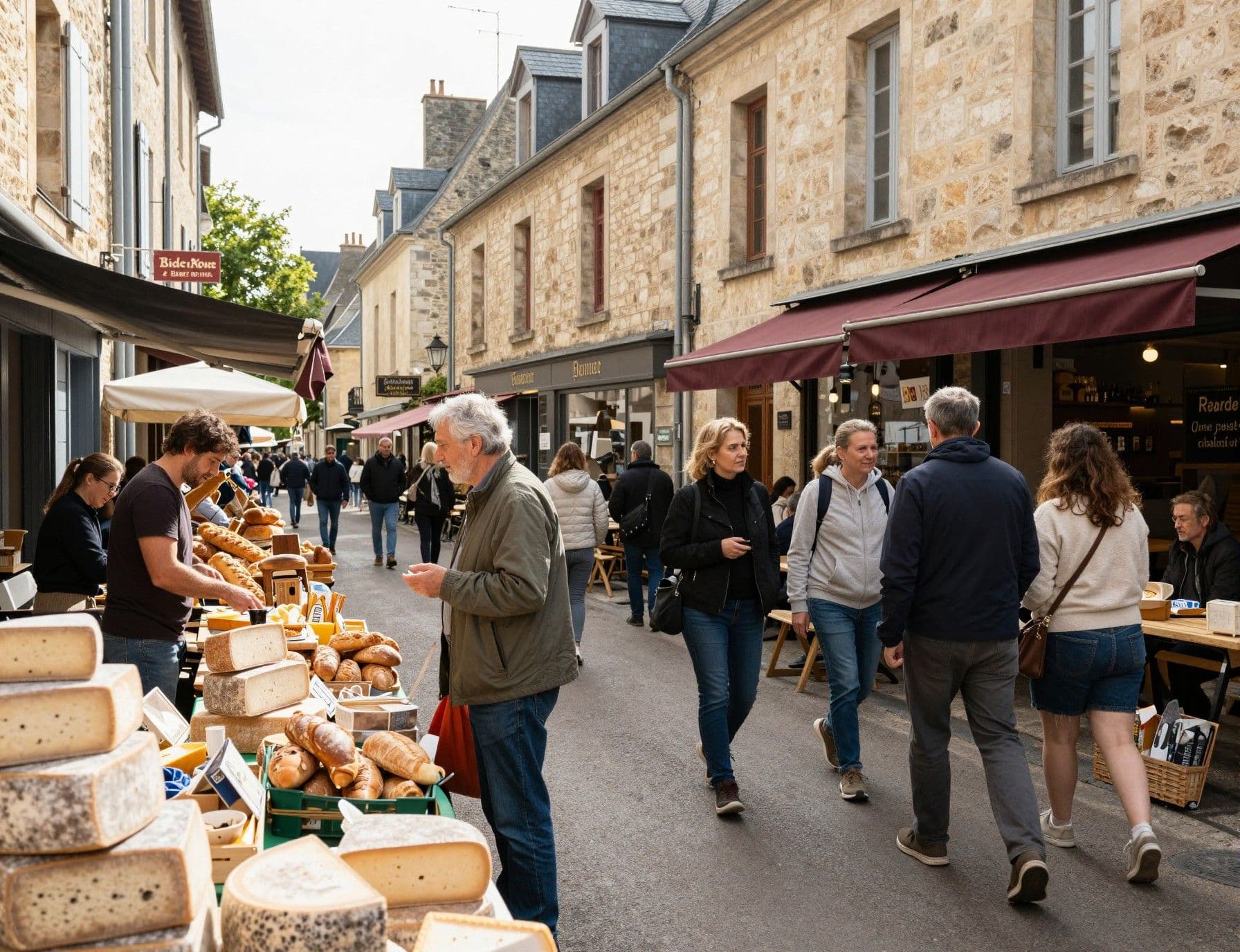
France is less a single life and more a collection of daily rituals. In Paris you time your day around a favourite café (try Café de Flore, or the quieter Rue Mouffetard mornings); on the Côte d’Azur the calendar is nautical—market at 08:00, beach at 10:00; in the Lot or Dordogne, Saturdays mean a full‑on market with neighbours testing each other’s cheese. Those rituals shape what sort of property actually works for you: a compact apartment with excellent insulation in Paris, a house with cool storage and thick shutters on the coast, a long garden and practical outbuildings inland.
Paris and Île‑de‑France: intensity and choice
Paris still rewards proximity: streets like Rue de l'Université and parts of the 7th feel like living in a museum, but the price of that calm is a smaller floorplan and fierce competition. Notaires data show prices in Île‑de‑France rose unevenly; medium cities nearby sometimes offer better value and more space if you accept a train commute. For many internationals that trade—more room, less Paris tax—is where you actually get the French life you pictured.
Coastal rhythm: Riviera to Brittany
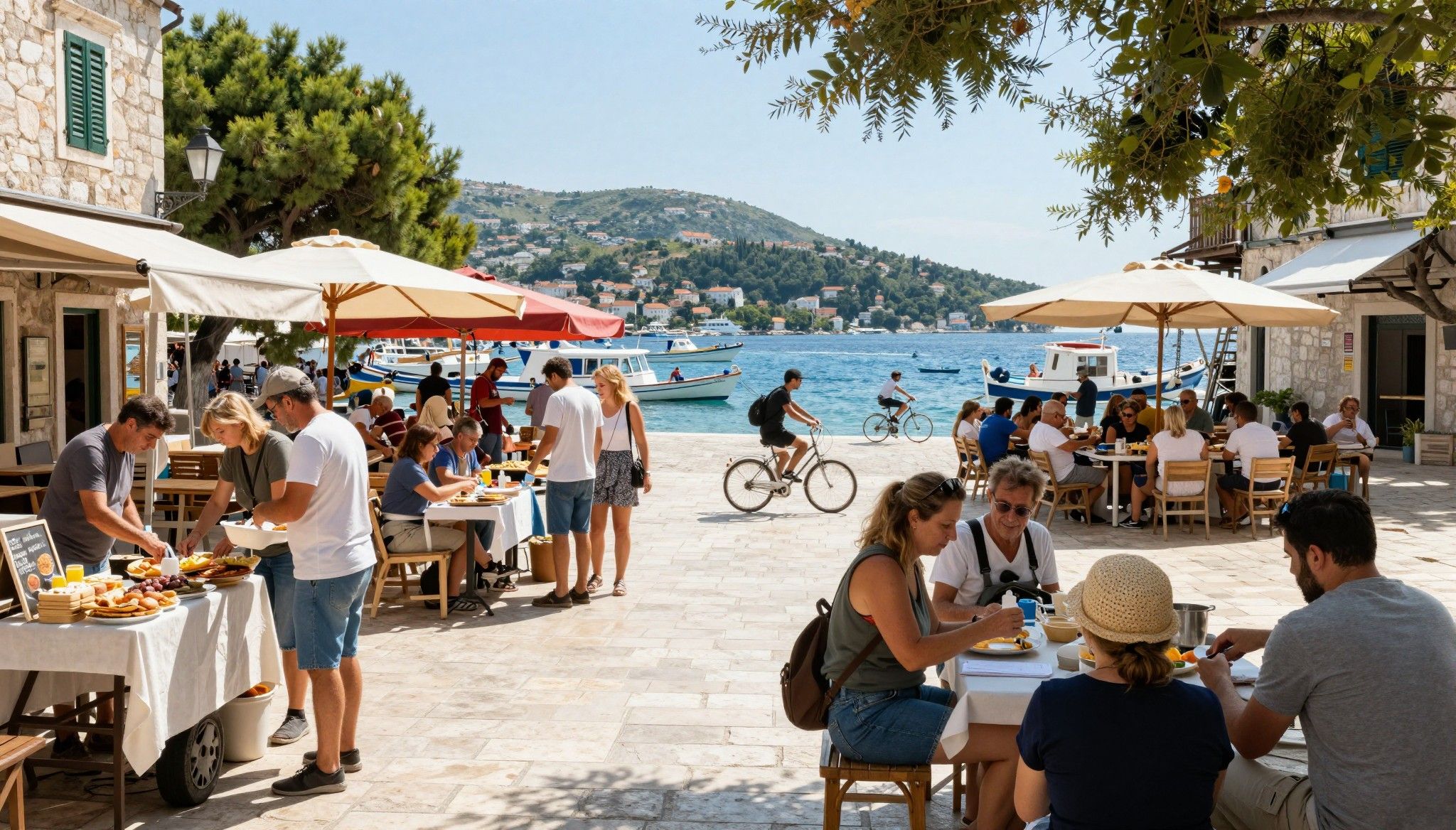
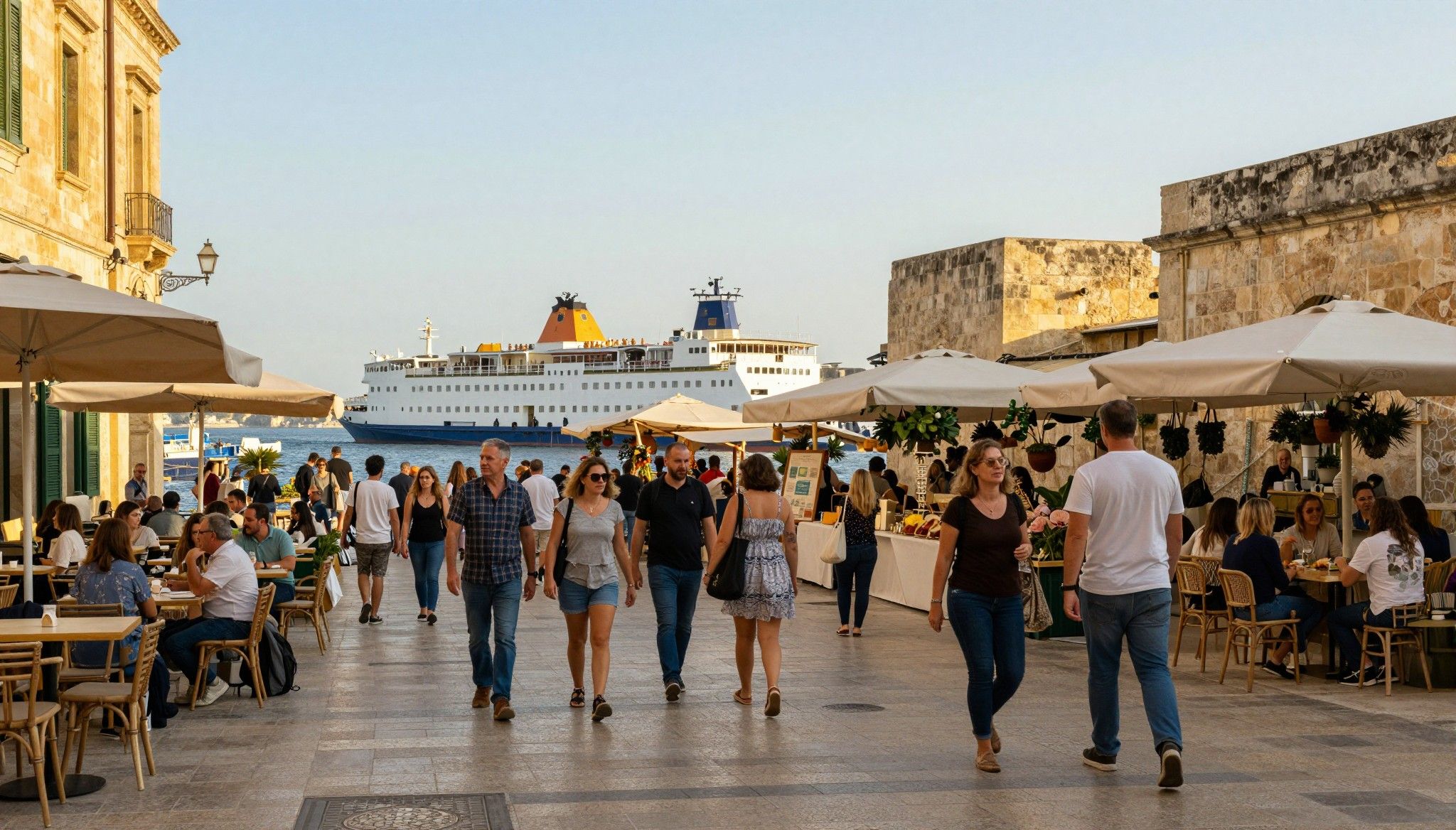
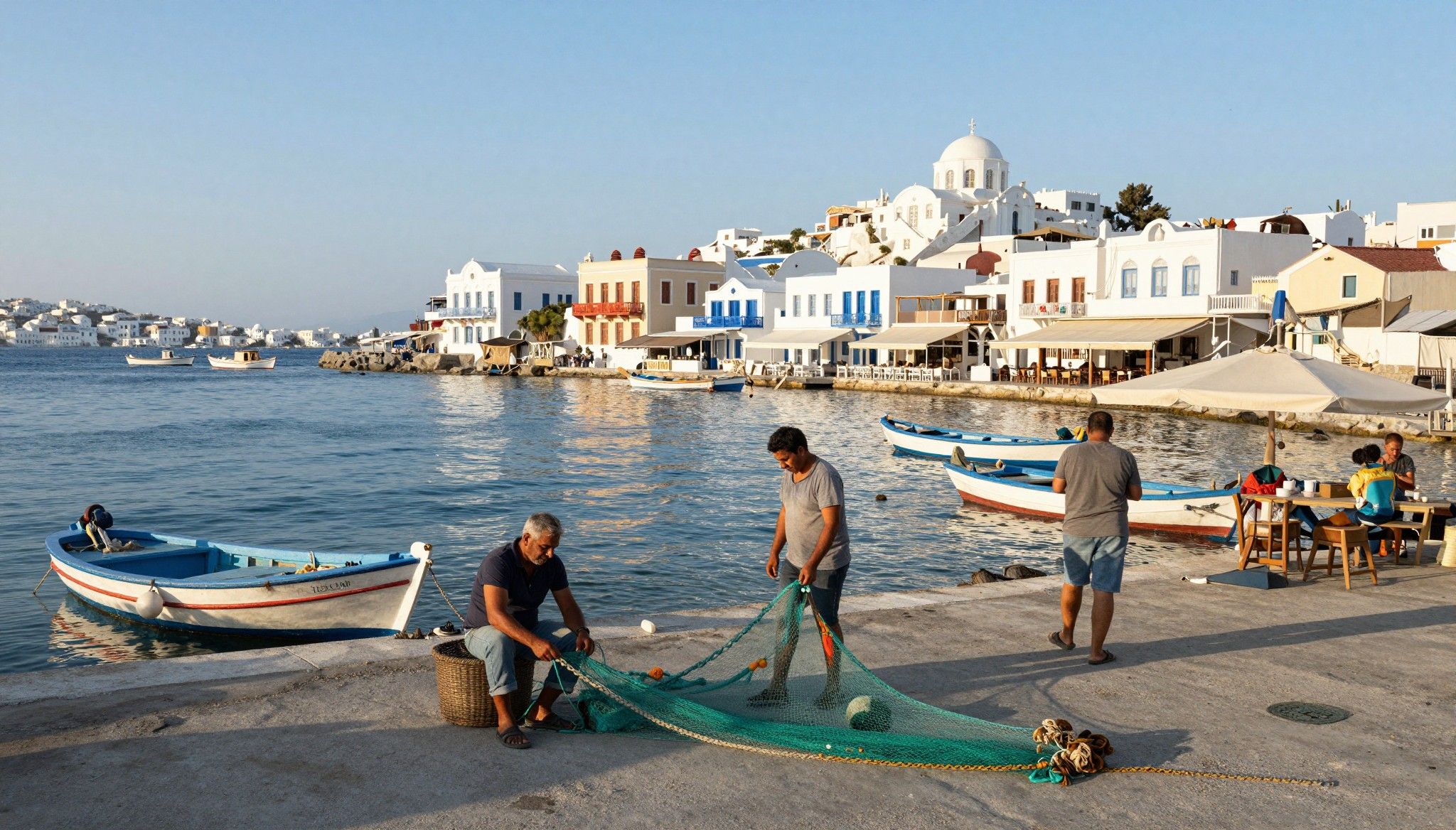
The French coast isn’t a single market. Nice and the Riviera are seasonal and serviced by international flights; Brittany is quieter, windier, and attracts buyers seeking long stays rather than headline rent. Small-town marinas and fisherman’s squares change the year: summer can feel like a festival, winter like a village. Buyers should match their life expectations—permanent move, part-time, or short-term rental—to the coast’s seasonal economics.
- Lifestyle highlights (streets, markets, cafes, hidden corners)
• Rue Cler (Paris): market-by-the-door mornings and close-knit neighbours • Cours Mirabeau (Aix‑en‑Provence): terraces and sunscreened afternoon life • Vieux‑Nice: narrow lanes, socca stands, and compact second-floor flats • Saint‑Germain‑de‑Confolens (Charente): rarely-listed village houses with gardens • Plage de l’Almanarre (Hyères): windsurfing community and a calmer off-season
Making the move: practical considerations
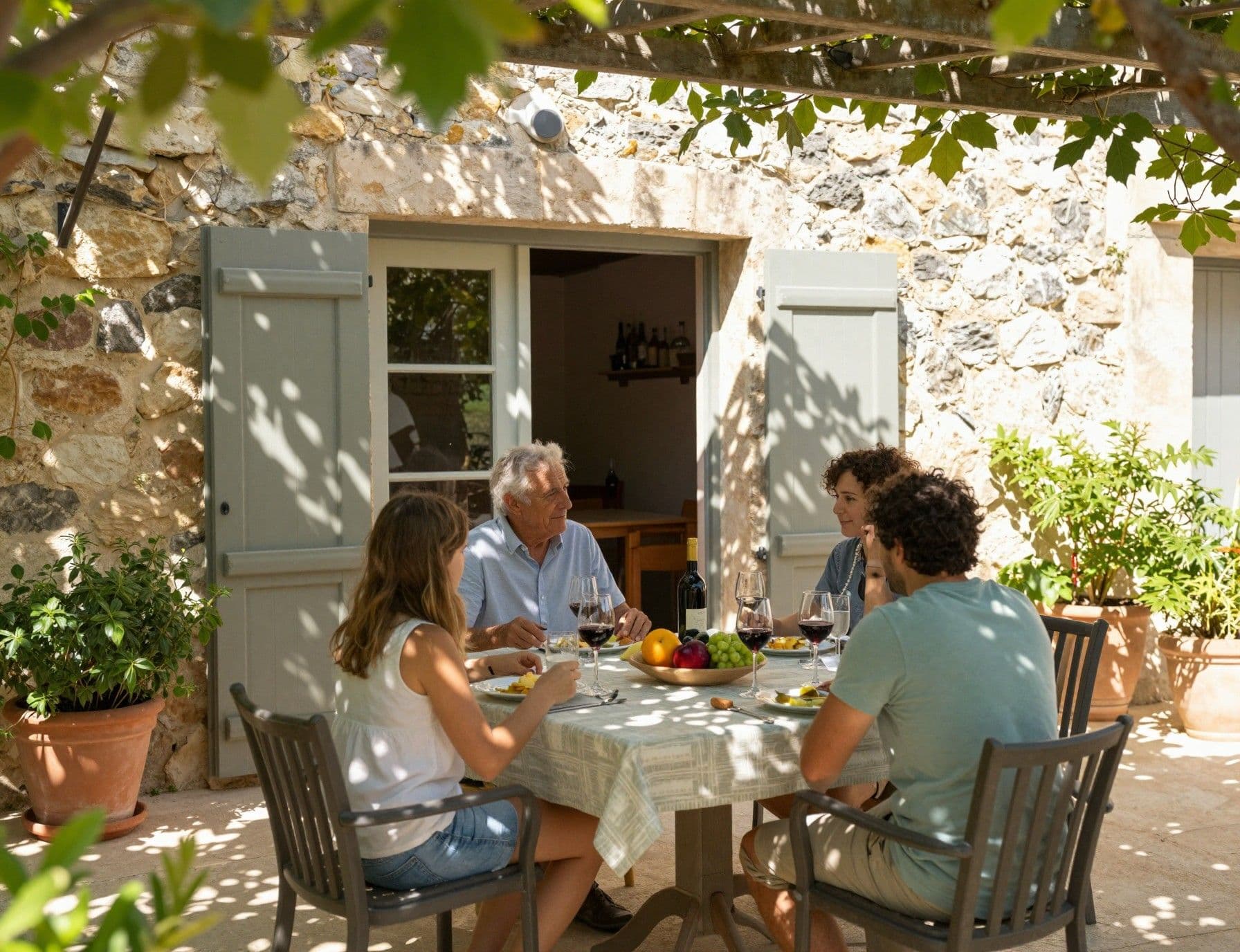
Romance needs an honest ledger. France’s notaries (notaires) and public registries record the property’s life story—previous sales, mortgages, easements—and will surface surprises like usufruct arrangements or communal access rights. The official process is slower than some markets, but that slowness is transparency: documents are checked, taxes are formalised, and records are lodged centrally. Use that rigour to your advantage; read the history before you fall for the view.
Property types and how they translate to daily life
A 19th‑century Parisian haussmannien flat demands respect for space—storage, planning permissions, and shared stairwells matter. A Provençal mas gives you gardens and potential outbuildings but may need insulation and septic upgrades. New builds (labelled BBC/RT2012 or higher) offer predictable maintenance and energy bills. Match the building to your routine: if you love markets and cafés, an apartment near a square is better than a country house you’ll visit fortnightly.
- How local experts protect your lifestyle (step-by-step)
1) Ask for the Dossier de Diagnostic Technique (DDT) early—energy (DPE), lead, asbestos, and termite reports are non-negotiable and reveal hidden costs. 2) Request the title history and check for servitudes or usufruct; a notary will flag restrictive rights that alter use of gardens, cellars, or moorings. 3) Confirm tax and local charges—taxe foncière and taxe d’habitation (where still applicable) plus copropriété budgets for apartments. 4) If you plan renovation, get a local architect or contractor to estimate realistic costs; older stone houses often hide damp and wiring that needs updating.
Insider knowledge: what expats wish they'd known
Expats often tell the same story: we fell for the light, but missed the delivery days, municipal restrictions, or the local rhythm that makes a place livable. Language is a tool—not a gatekeeper—but knowing a few administrative phrases saves weeks. Expect local conservatism in renovations, pride in façades, and a social calendar that matters as much as square metres. In short: love the life first, then read every sheet of paper that proves you can live it.
Cultural integration, language and practical social rules
French neighbours value formality and predictability: formal introductions (la bise is optional), respect for quiet hours, and clear communication about garden boundaries. Learning basics—scheduling by appointment, how to address your syndic, reading the procès‑verbal of copro meetings—makes life easier. Agencies that guide you through these social documents are not just brokers; they are community translators.
- Long-term lifestyle factors to weigh
• Seasonality: coastal towns swell in July/August and quieten after Toussaint. • Climate: stone houses stay cool in summer but need heating upgrades for damp winters. • Services: rural life rewards independence—check local doctors, schools, and broadband. • Resale: neighbourhoods with active markets and train links hold value better than isolated ‘picturesque’ hamlets.
France’s national data (INSEE and notaires) show modest national movements while regional pockets diverge—some coastal and Parisian arrondissements seeing price resilience while many medium cities fluctuate. For internationals that means two truths: the headline may say ‘stable’ while your chosen street is moving; and the bureaucratic transparency (notarial records, DDT, land registry) gives you a chance to verify reality before you sign.
Conclusion: fall in love first, protect that love with paperwork. Let the neighbourhood mornings sell you the lifestyle; let the DDT, the notary, and clear title give you the confidence to buy. We’ll help you match the life you crave—market mornings, seaside afternoons, or provincial markets—with agents who speak both the language and the local ledger. Your next step: pick three streets you love and ask your adviser to pull the last ten years of sales and the DDTs for each property on them. Start with data, choose with heart.
British expat who relocated to Marbella in 2012. Specializes in rigorous due diligence and cross-border investment strategies for UK and international buyers.