Croatia: Love the Life — Insist on the Dossier
Croatia offers Mediterranean rhythms and rising prices; insist on cadastral extracts, ZK certificates and documented renovations to avoid costly surprises.
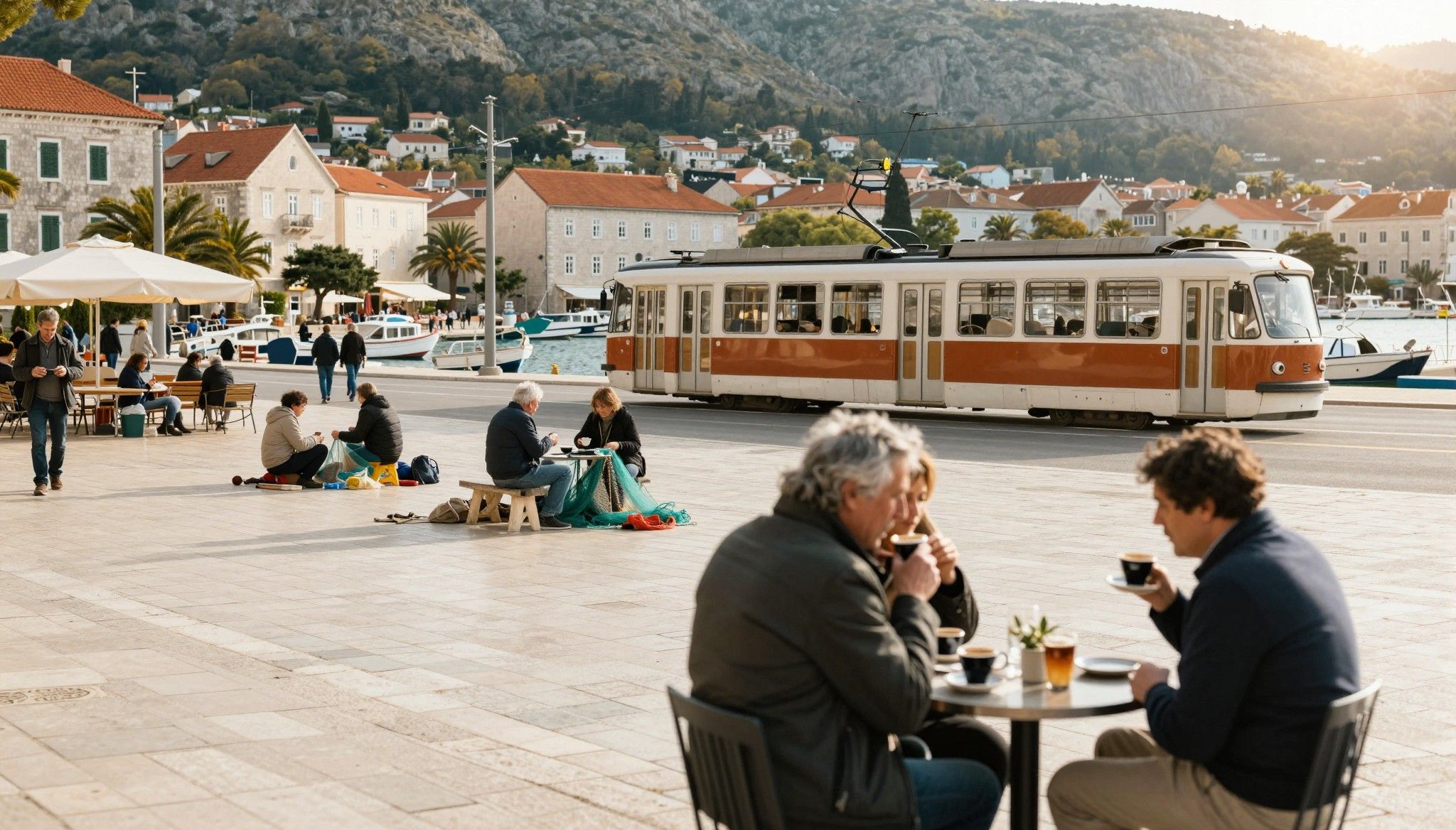
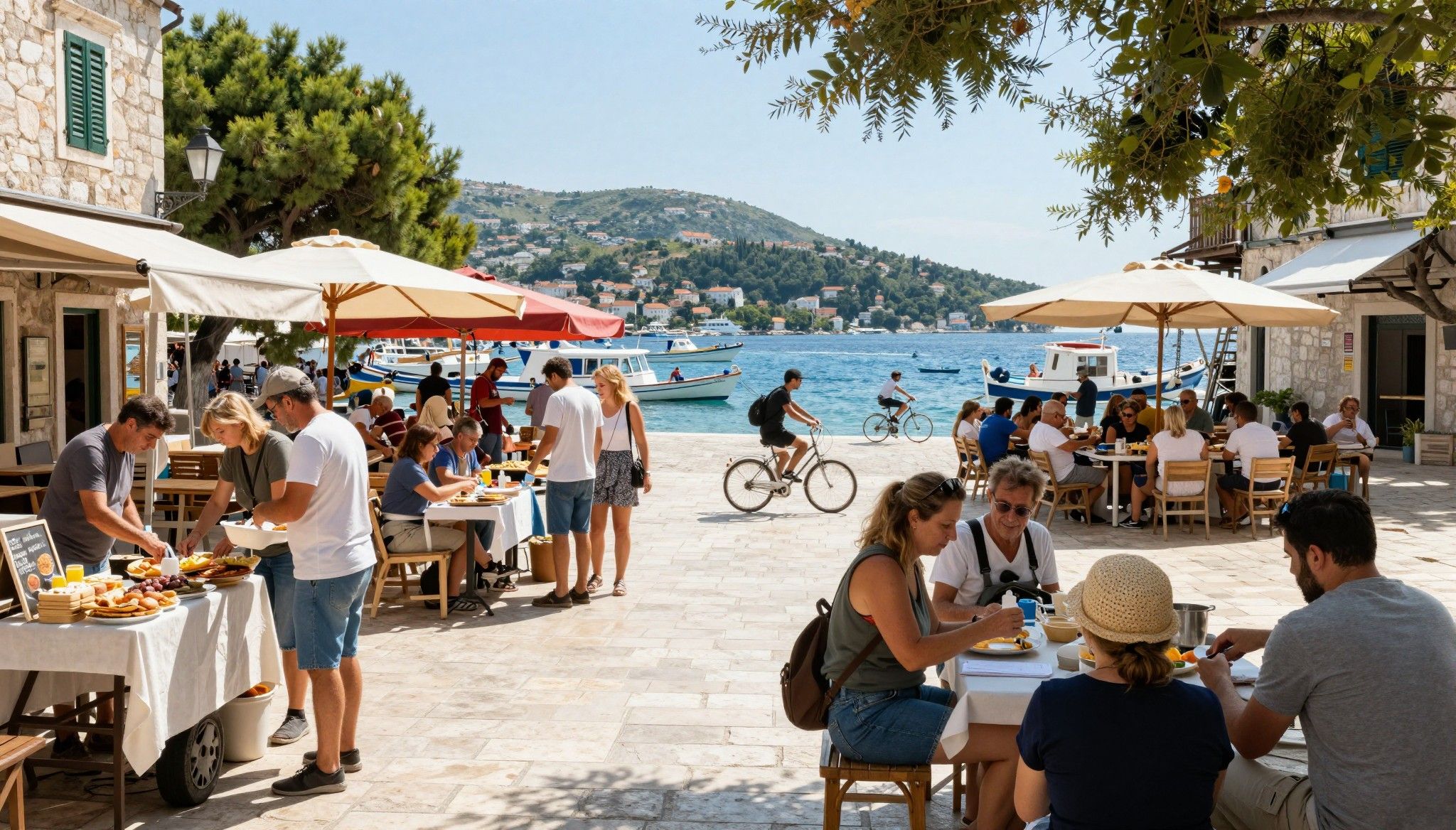
Picture this: an early-morning espresso at Dolac Market in Zagreb, a fisherman’s catch sizzling on a grill in Split’s Riva, late-afternoon light on stone alleys in Rovinj. Croatia’s rhythm is coastal slow and inland purposeful — days anchored by cafés, by the sea, by neighbourhood rituals. For many international buyers, that rhythm is the point: a life that mixes Mediterranean leisure with compact, walkable towns. But loving the life and closing the deal are different skills; transparency gaps in listing information, price momentum and foreign-buying rules can trip up even experienced buyers.
Living the Croatia lifestyle
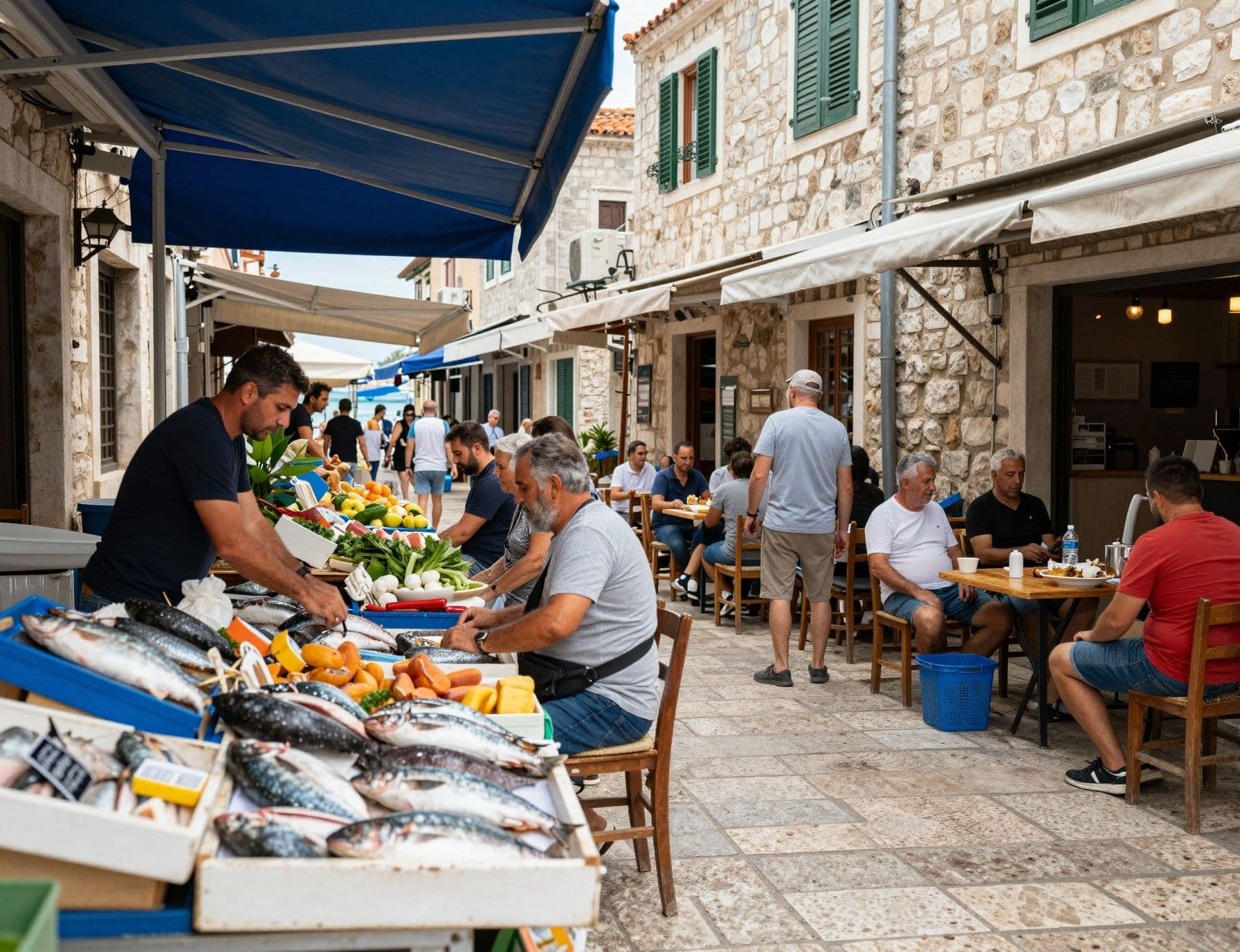
Croatia is a mosaic: Zagreb’s tram-lined mornings, Istria’s vineyards and truffle hunts, Dalmatia’s island-scooter afternoons. Streets are small and social; you’ll learn the names of cafe owners and bakers within two weeks. Expect weekly fish markets, summer festivals that transform tiny squares into music halls, and winters that quiet the coast into a slow, affordable season. That daily flavour shapes what kind of property works — historic stone houses feel fantastic for weekends, but year-round life needs heating, insulation and access to services.
Neighbourhood spotlight: Zagreb — Gradec, Tuškanac and Maksimir
Walk Gradec’s cobbles at dawn and you’ll understand why buyers prize old-town apartments: light, character and immediate cultural life. Tuškanac feels leafy and residential, with family-owned shops and parks that make everyday life calm. Maksimir offers larger flats and proximity to the green lung of Maksimir Park — practical for international families who value schools and healthcare. These neighbourhood differences matter when you weigh resale, rental demand and daily convenience.
Food, festivals and coastal rituals
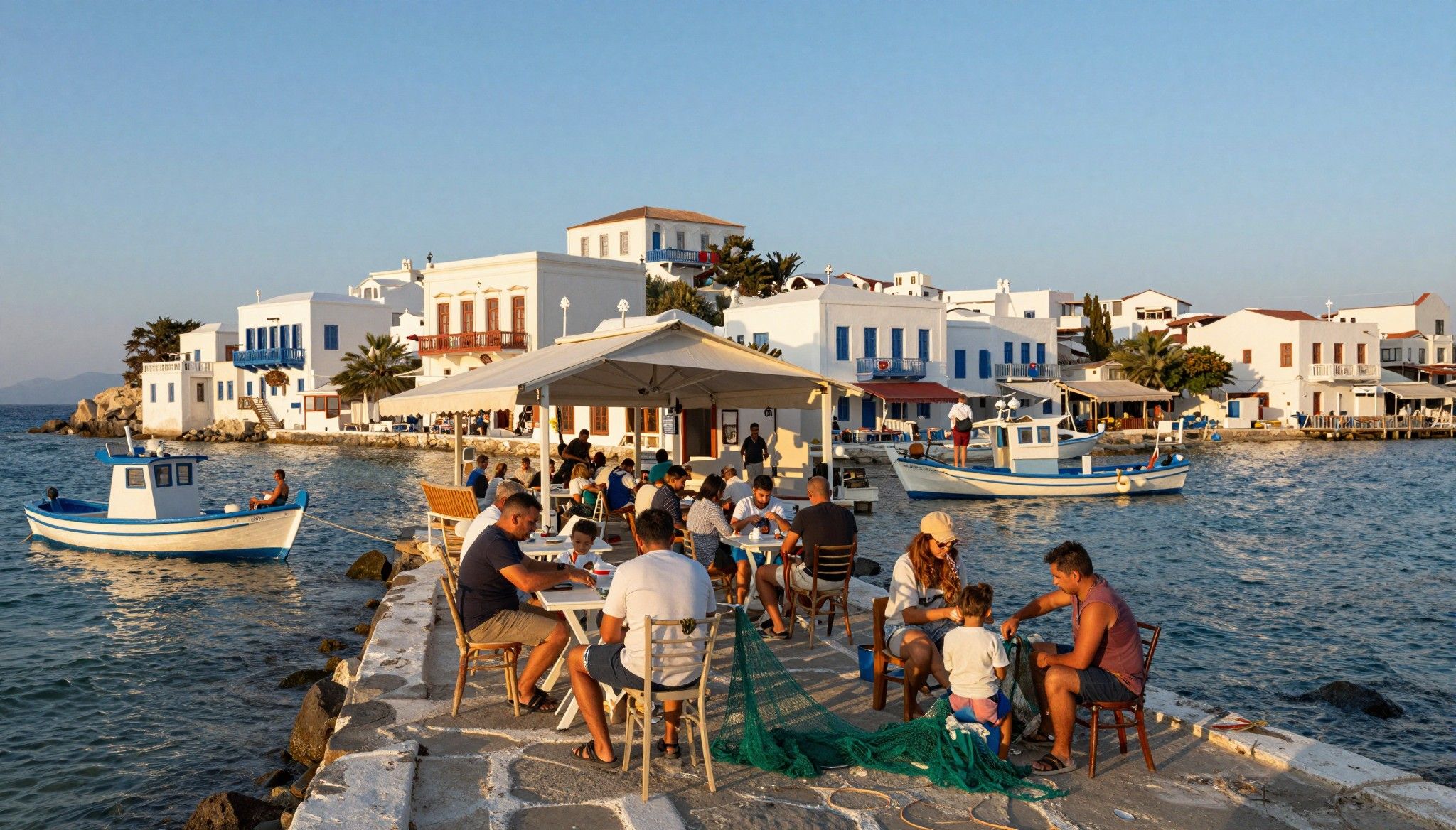
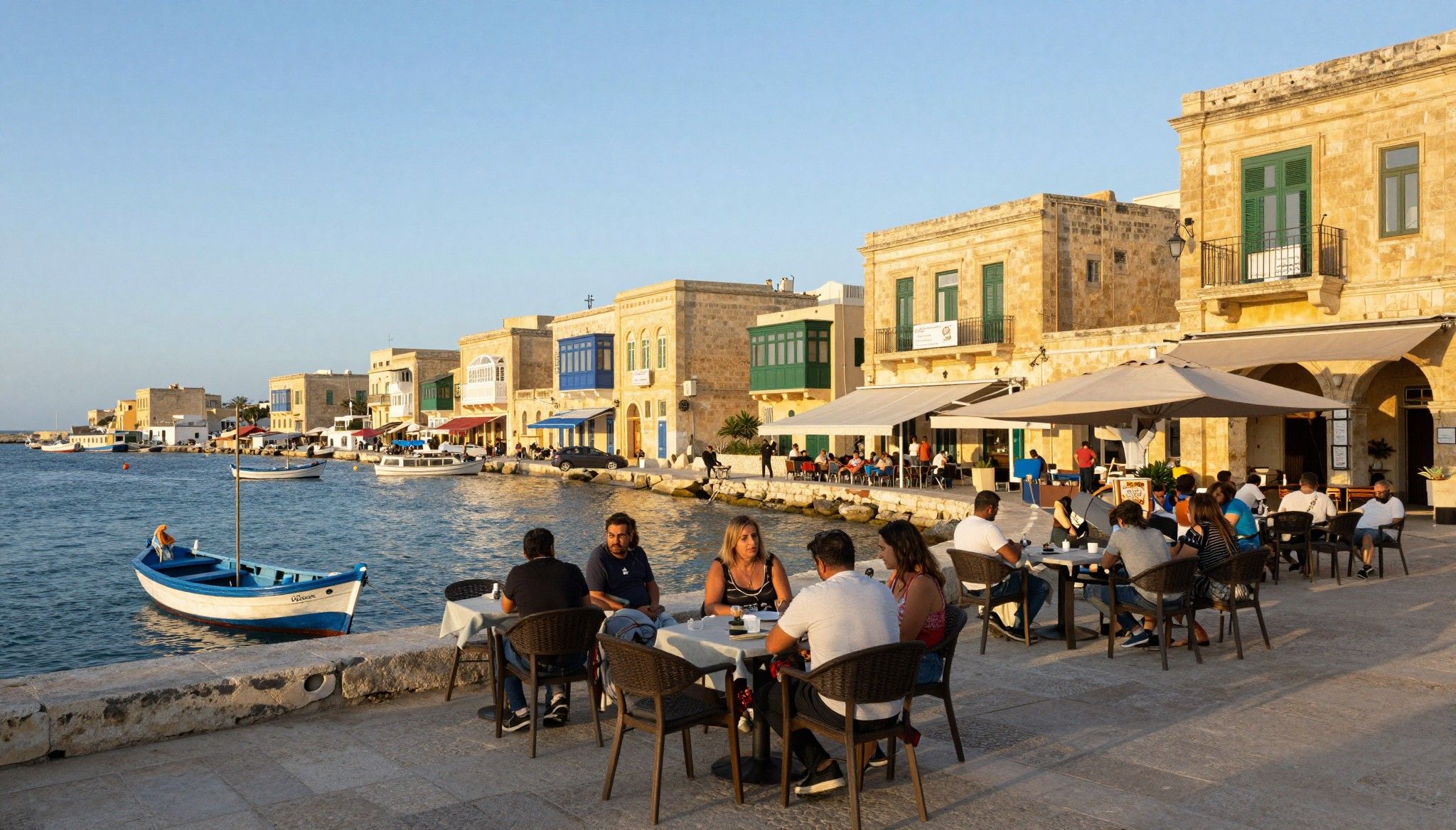
In Dalmatia, life orbits the harbour and the konoba — evenings are about grilled fish, olive oil, and long conversations. Istria’s food scene blends central European precision with Mediterranean produce; small towns like Motovun host truffle and film festivals that swell demand for short-term rentals. On the islands, summers are lively and off-season is quiet; that seasonality affects both prices and the type of property you should buy. If you imagine living here, think in seasons: where you’ll be in July matters less than where you’ll be in January.
- Dolac Market (Zagreb) morning coffee and produce runs
- Riva promenade (Split) — late-afternoon people-watching
- Truffle walks and wineries around Motovun (Istria)
- Island coves (Hvar, Brač) — summer life, off-season quiet
Making the move: practical considerations
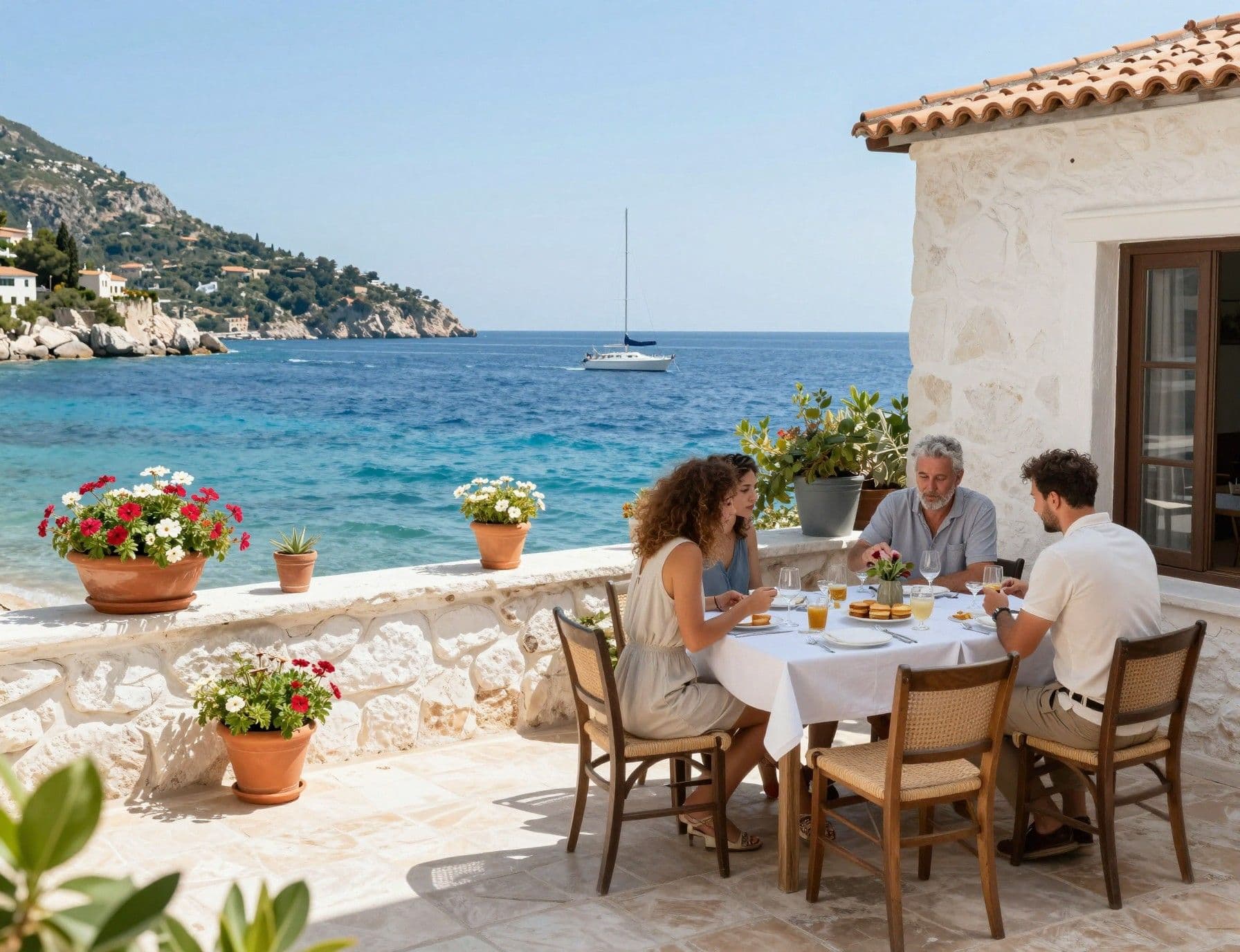
Dreams will get you to Croatia; paperwork keeps you there. Rules differ by nationality: EU, EEA and Swiss citizens largely enjoy the same purchase rights as Croatians, while many non-EU buyers need a formal consent process. That consent depends on reciprocity and can add weeks to a purchase. Beyond nationality rules, market transparency issues — incomplete title information, unclear boundaries, or ambiguous common-area agreements in condo listings — are the real risk to budgets and peace of mind.
Property types and how they shape day-to-day life
Stone houses with terraces give you romantic afternoons, but often require renovation work (plumbing, insulation, seismic strengthening). Modern apartment blocks near Zagreb or Split are low-maintenance but can lack character. Villas on the Adriatic deliver outdoors-first living — private terraces, gardens and pools — yet maintenance, utilities and seasonal water pressure issues are realistic tradeoffs. Match property type to how you want to live year-round, not just what looks great in July.
Working with local experts who know the market
A local lawyer, an English-speaking notary and an agent with a proven local track record are non-negotiable. Agents who routinely sell on the Adriatic know seasonal quirks; inland specialists understand municipal plans and utility networks. Ask for recent transaction records, cadastral references and a step-by-step timeline for their last five closings — that’s the simplest test of transparency. Good advisors translate lifestyle wants into technical checklists: insulation by room, road access in winter, and neighbourhood noise after midnight.
- Request cadastral extracts; obtain an up-to-date land registry (ZK) certificate; commission a structural and utilities survey; confirm consent status for non-EU buyers; secure tax and notary estimates before offer.
Insider knowledge: market signals, red flags and timing
Croatia’s house price indices have shown notable growth in recent years, especially along the Adriatic and in Zagreb. Rapid price rises increase the cost of mistakes; that’s where transparency matters most. Listings that omit recent renovation receipts, ground-rent clauses, or shared-access arrangements are common pitfalls and can erode value quickly. We’ve seen buyers fall for postcard coastal views without checking seasonal access roads or water service capacity — small flaws that become big headaches.
What expats wish they'd known
You will make faster social connections through local clubs than through Facebook groups; learning basic Croatian opens doors (and better prices). Expect slower bureaucratic timelines than in Northern Europe; plan at least 2–3 months for administrative tasks after your offer. And don’t assume tourist-season demand translates to year-round rental income — many islands halve their occupancy outside July–August.
Long-term view: growth pockets and durable lifestyle bets
Look for towns with year-round services (Split hinterland towns, Rijeka satellite neighbourhoods, larger Istrian centres) — they keep values steadier. Infrastructure projects and improved air links tend to lift markets faster than lifestyle headlines. Buy where you can see a 5–10 year plan: municipal investment in roads, schools or marinas is the quiet engine of lasting demand. If you plan dual use (personal + rental), choose properties with flexible layouts and independent entrances.
- Red flags: missing ZK entry, unclear common-area rules, absent renovation receipts, informal parking arrangements, seasonal water or road access issues.
- Signals of market transparency: full cadastral reference in listing, recent energy performance certificate, documented utility ownership, and a written statement on shared costs.
Conclusion: fall for the life, but buy with clear eyes. Croatia delivers neighbourhood intimacy, coastal rituals and a slower pace that many international buyers crave. That life is best supported by transparent dossiers: cadastral extracts, renovation records, clear title and an advisor team who knows both the local rhythms and the legal mechanics. If you want to explore options, start by asking for the ZK extract and the last three utility bills — it’s a simple test that separates the serious listings from the postcards.
Danish investment specialist who relocated to Costa del Sol in 2015. Focuses on data-driven market timing and long-term value for Danish buyers.