When Coastal Hype Masks Value: Croatia's Price Reality
Croatia's headline price rises hide micro‑market opportunities — coastal hotspots drive averages while quieter towns and suburbs offer lifestyle and value backed by DZS and Eurostat data.
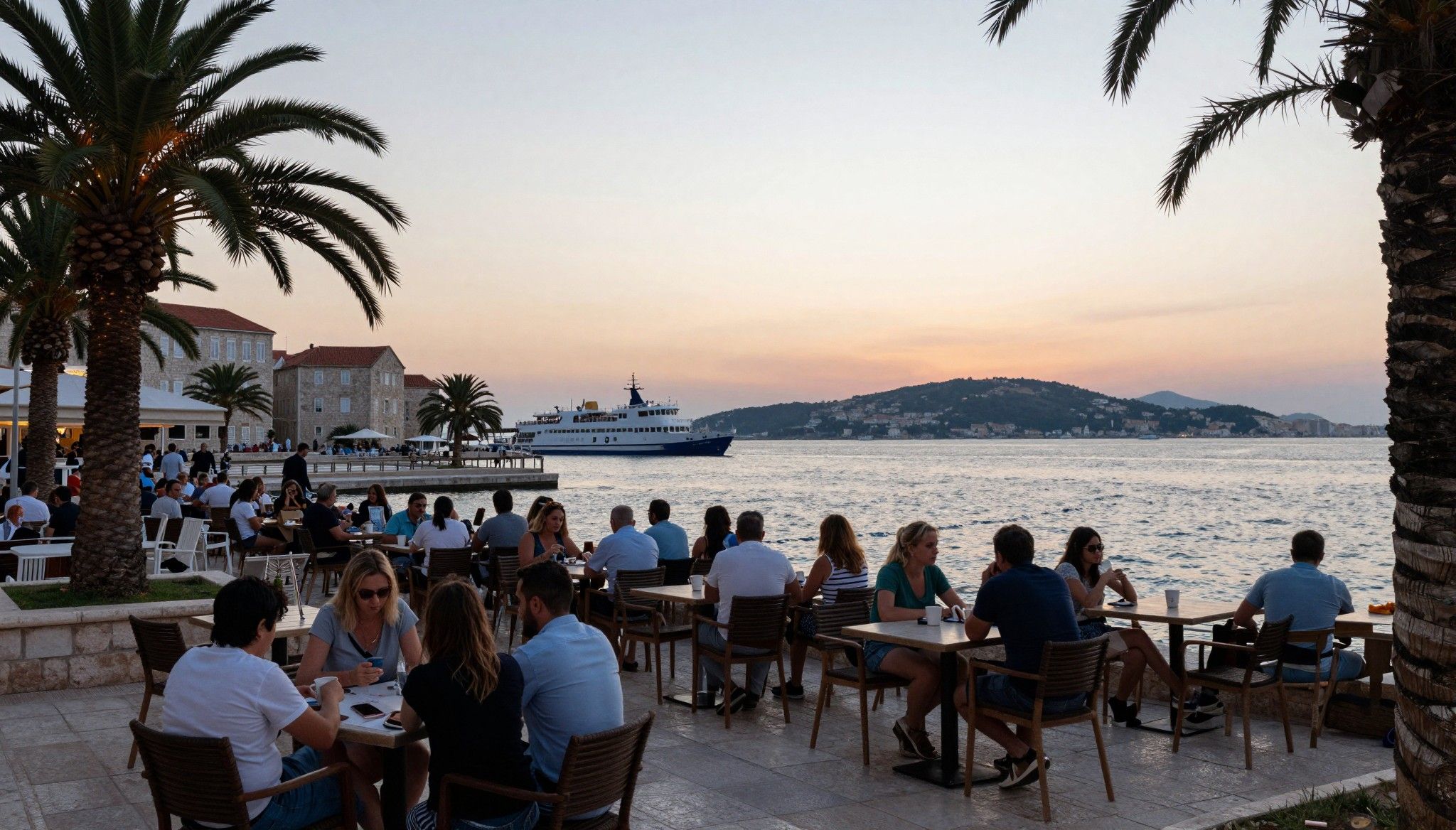
Imagine sitting at a shaded table on Split’s Riva at 9am, espresso in hand, then swapping the afternoon for a short ferry hop to a quiet Dalmatian island. Croatia sells that pace of life — stone streets, market mornings, easy sea — and the numbers have been catching up. But the story you hear abroad — “Croatia is expensive” — needs a closer look. Recent national data show strong price growth concentrated in specific places, not evenly across the country. (We’ll show where value still hides.)
Living the Croatia lifestyle
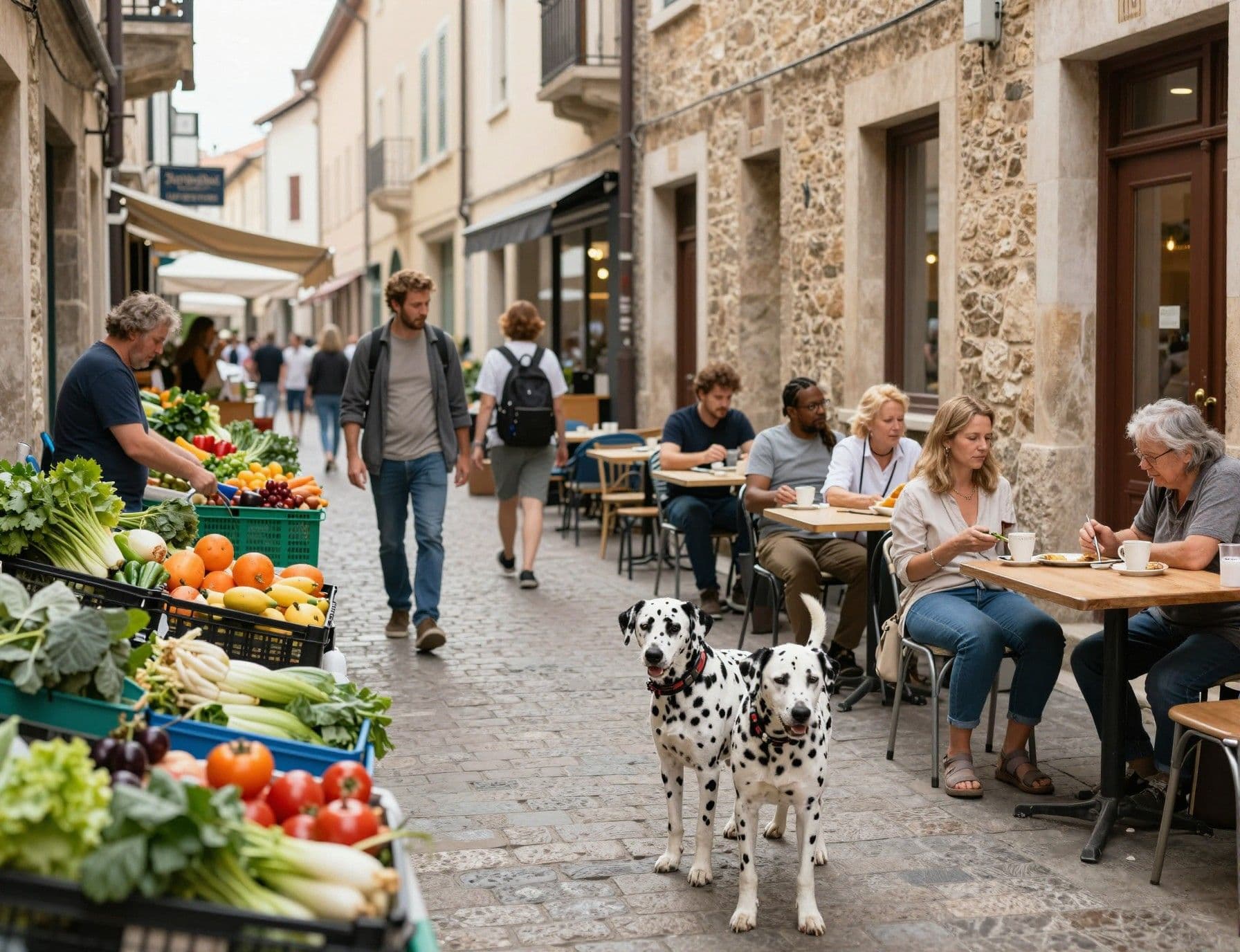
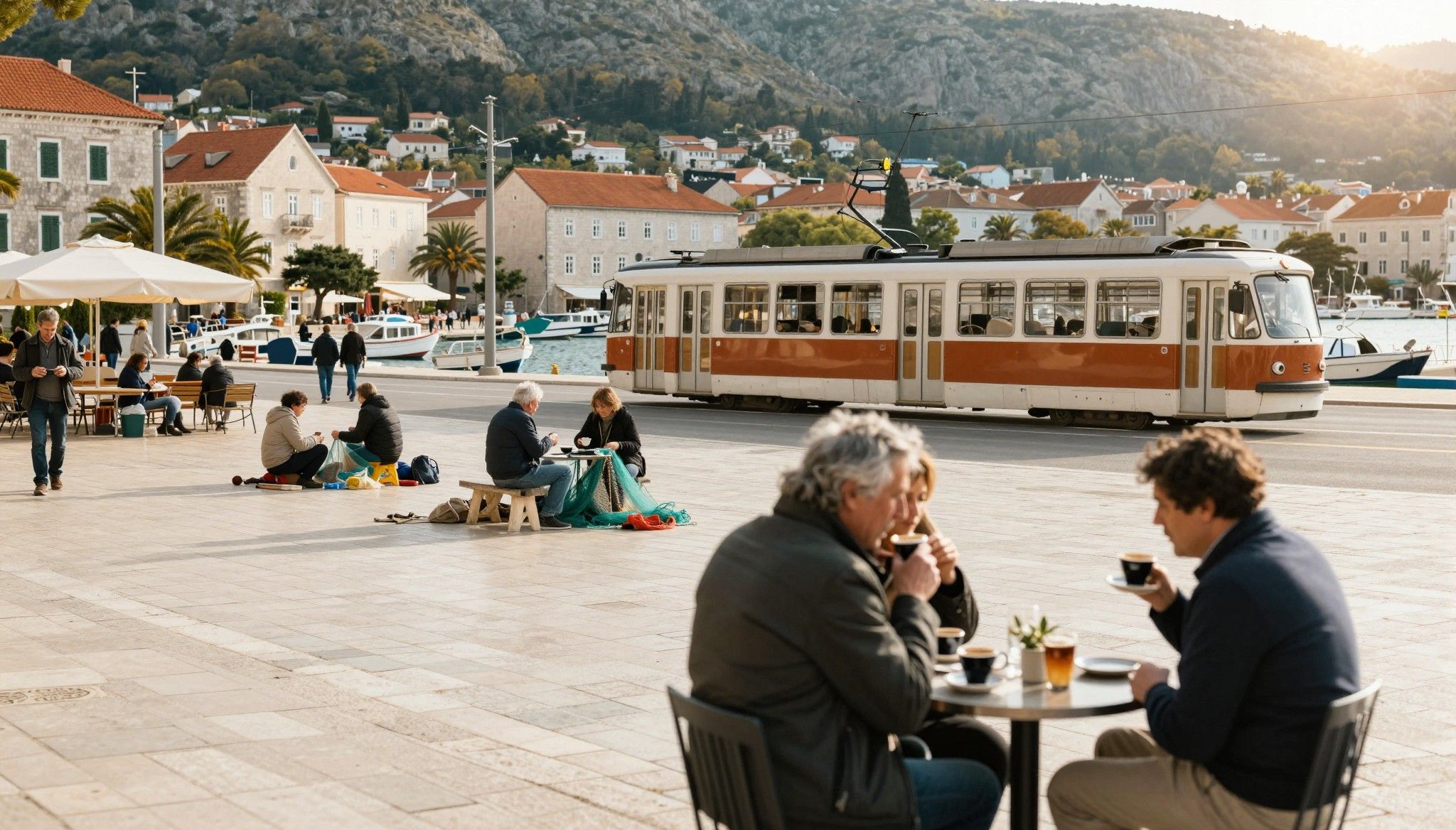
Croatia moves at different speeds depending on where you land. In Zagreb, mornings are brisk with trams and artisan bakeries; along the Dalmatian coast — Split, Trogir, Hvar — days are shaped by the sea: pelinkovac-scented terraces, late lunches, and evening promenades. Inland Istria trades sea air for truffle-hunting weekends, hilltop villages and a slower calendar of markets and communal meals. This variety is central to both life and price behaviour: you aren’t buying “Croatia” as a single market, you’re buying a tempo and a place.
Zagreb, Split, Dubrovnik — very different beats
Zagreb feels city‑practical: good healthcare, year‑round culture, and neighborhoods like Donji Grad where 19th century buildings meet cafés. Split centers life around Diocletian’s Palace and Bacvice beach — it’s livelier in summer and quieter beyond the waterfront. Dubrovnik is unmistakably touristic; prices there reflect two things: limited stock inside the Old Town and strong short‑let demand.
Coastal micro‑markets: where postcards meet practical life
Walk away from the main promenade and you’ll find neighbourhoods where locals live — narrow lanes, small grocery konobas, and modest apartment blocks. Places like Šoltanska side streets in Split’s suburbs, Komiža on Vis, or Pula’s Veruda offer calmer daily life and lower per‑m² prices than headline coastal hotspots. That’s where lifestyle and smarter pricing sometimes align.
- Lifestyle highlights: markets, cafés and hidden beaches
- Morning espresso at Kava Tota in Split; olive‑oil tasting in Istria’s Motovun hinterland; weekend market at Dolac in Zagreb; late afternoon swims at Zlatni Rat (Bol) off‑peak; sunset oysters in Ston.
Making the move: practical considerations
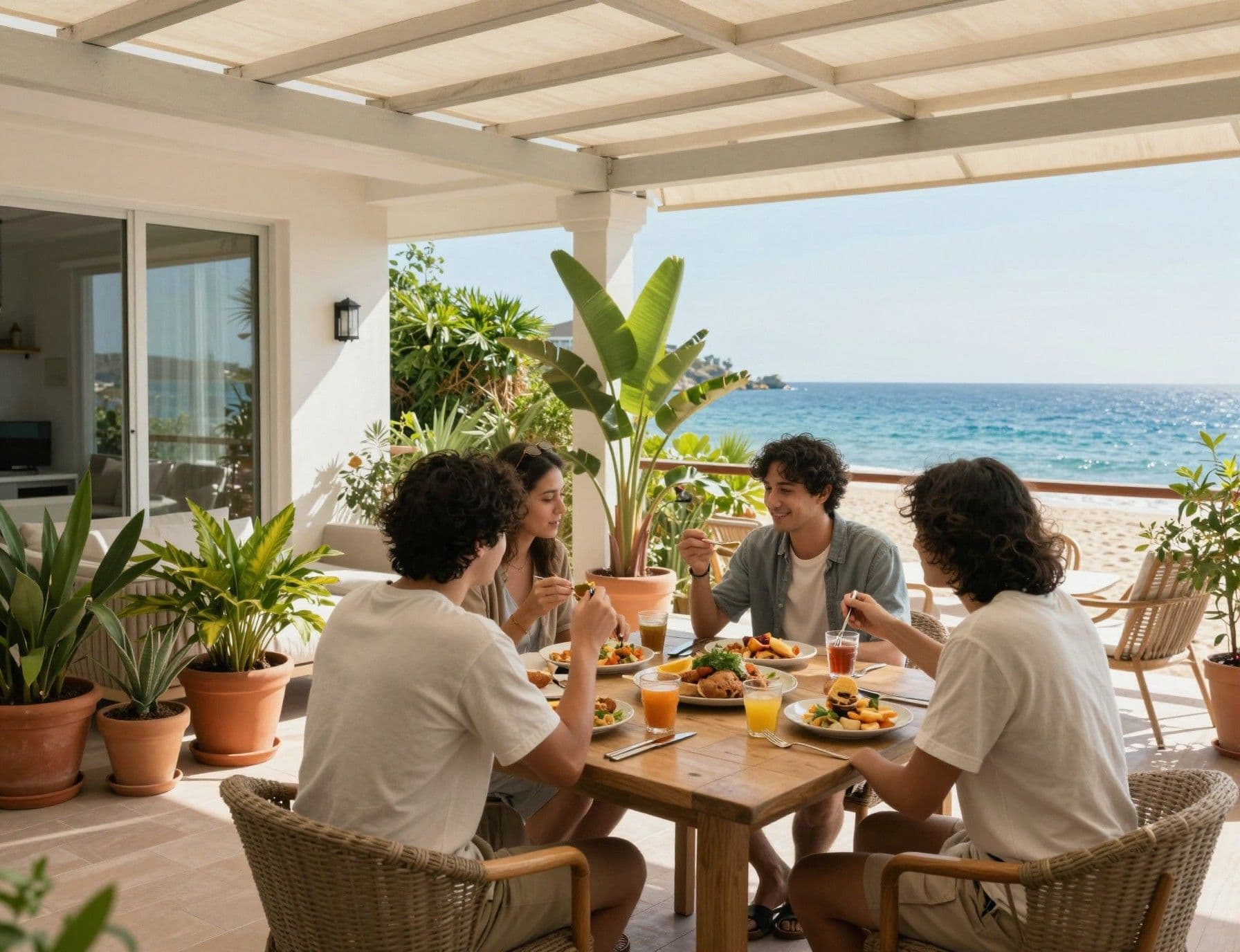
The data matter because they show where demand has concentrated. The Croatian Bureau of Statistics reports double‑digit year‑on‑year house price rises in recent quarters, but Eurostat and local releases both show this rise is concentrated in cities and favourite islands. For buyers who want a lived‑in local life rather than a postcard view, that concentration matters: the right neighbourhood can give you the lifestyle you want and a more moderate price trajectory.
Property styles and how they shape living
Stone town flats, mid‑century apartments in Zagreb, new‑build complexes on the coast, and converted rural houses each sell a different life. A 60m² stone flat in an old town is intimate — great for café‑centric solo life — while a new apartment block with parking is practical for families. Consider maintenance: stone façades need periodic pointing; coastal homes require corrosion‑resistant fittings. These details affect your monthly budget and the property’s long‑term value.
Working with local experts who know the tempo
- 1. Ask an agent for micro‑market comparables — not just national averages. 2. Visit outside peak summer to see everyday life. 3. Request recent utility and maintenance bills before bidding. 4. Ask about short‑let pressure if you want quiet year‑round life. 5. Insist on copies of land‑registry extracts and recent tax assessments.
Insider knowledge: what expats wish they'd known
Here’s the candid truth from people who made the move: the coastal summer is theatre; the real test is a January weekday. Many buyers buy on holiday feeling; soon after they notice empty streets, collection times for trash, and the cadence of local shops. Those are not flaws — they’re the rhythms you’ll live with. The smart buyers we meet plan for two realities: the postcard year and the ordinary year.
Cultural integration and everyday practicalities
Croats take coffee seriously, bureaucracy more seriously. Learning a little Croatian opens doors at market stalls and with notaries. Expat communities cluster around language schools, international cafés, and co‑working spaces in Split and Zagreb — they’re useful social hubs but they aren’t substitutes for local life. For families, local schools and health clinics are high priority; for retirees, proximity to transport and services becomes decisive.
Long‑term lifestyle factors that affect value
- Seasonality of demand, infrastructure projects (airport, ferry routes), zoning changes, and the rise of remote work communities all change neighbourhood momentum. Follow local planning updates and ask agents about pipeline supply — a new complex two streets over can shift demand and price.
If you want the coast but not the summer circus, look at towns with year‑round employment and services: Šibenik’s broader catchment, Pula’s hinterland, and certain suburbs around Split. Data show price growth has been fastest in headline hotspots; that’s good if you have short‑term yield plans, less so if you want stable, lived‑in value.
- 1. Visit off‑season to see everyday life. 2. Compare 3 years of sold prices, not just current listings. 3. Factor in maintenance and sea‑air fittings for coastal homes. 4. Ask about local rental demand only if you plan to short‑let. 5. Use a local notary and independent surveyor before signing.
Conclusion: Croatia rewards curiosity. The coastal headline prices are real — but they’re concentrated. With the right neighbourhood knowledge, off‑peak visits, and data‑led comparables you can buy into the life you want without overpaying for a postcard. If you’d like, we’ll map three micro‑markets that match your lifestyle and budget and pull recent sold comparables so you can see the real numbers, not the brochure.
Dutch relocation advisor who moved to Marbella in 2016. Guides Dutch buyers through visa paths, relocation logistics, and balance of lifestyle with value.