Malta: Where the Neighbourhood Defines Value
Malta’s compact lifestyle — Valletta mornings, Sliema promenades — shapes which properties actually deliver. Prices rose 5.7% in Q3/2025; match neighbourhood to daily life and use local experts.
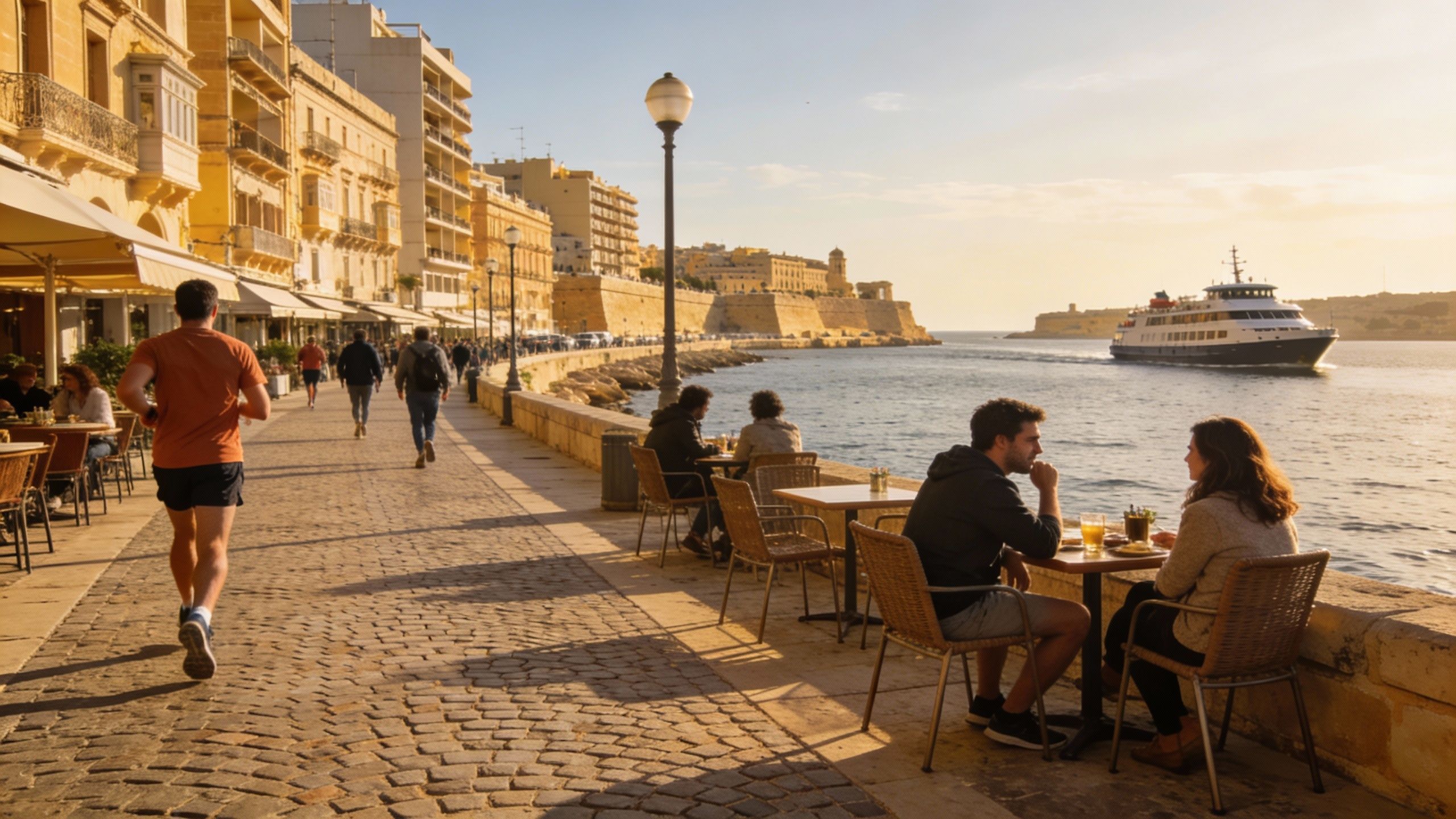
Imagine waking to espresso on a narrow balcony in Valletta, the harbour glittering, then taking a twenty-minute ferry ride to a working market where fishmongers shout and neighbours trade news. Malta is compact enough that weekend plans can include a capital museum, a coastal swim at St George's Bay, and a sunset aperitivo in Sliema without changing hotels. For many internationals, that compressed variety is the hook — and it shapes how people choose homes here: you buy not just a property but a rhythm of daily life.
Living Malta: atmosphere, neighbourhoods, daily rhythms

Malta’s urban hubs read like a set of distinct lifestyles. Valletta is stone-walled mornings, chandeliered cafés and a late-evening cultural calendar; Sliema and St Julian’s are seaside walks, smart cafes and apartment living with easy services; Marsaxlokk and the South offer a quieter fishing‑village cadence. People choose neighbourhoods by how they want to spend a day — market strolls, sea swims, or social evenings — and that choice often matters more than square metres.
Valletta & the Three Cities: historic heartbeat
Walk Valletta at dawn and you feel the city loosening — tradespeople sweeping thresholds, small bakeries opening with ftira and strong coffee. Streets like Merchants and Strait Street are where continental-style living meets Mediterranean bustle; apartments often have thick limestone walls and high ceilings that keep interiors cool. For buyers who value culture, proximity to theatres, restaurants and the Upper Barrakka views matter more than a modern kitchen — and an older apartment in Valletta can be a lifestyle upgrade if you like city life on foot.
Sliema & St Julian’s: sea, cafés, and modern apartment life
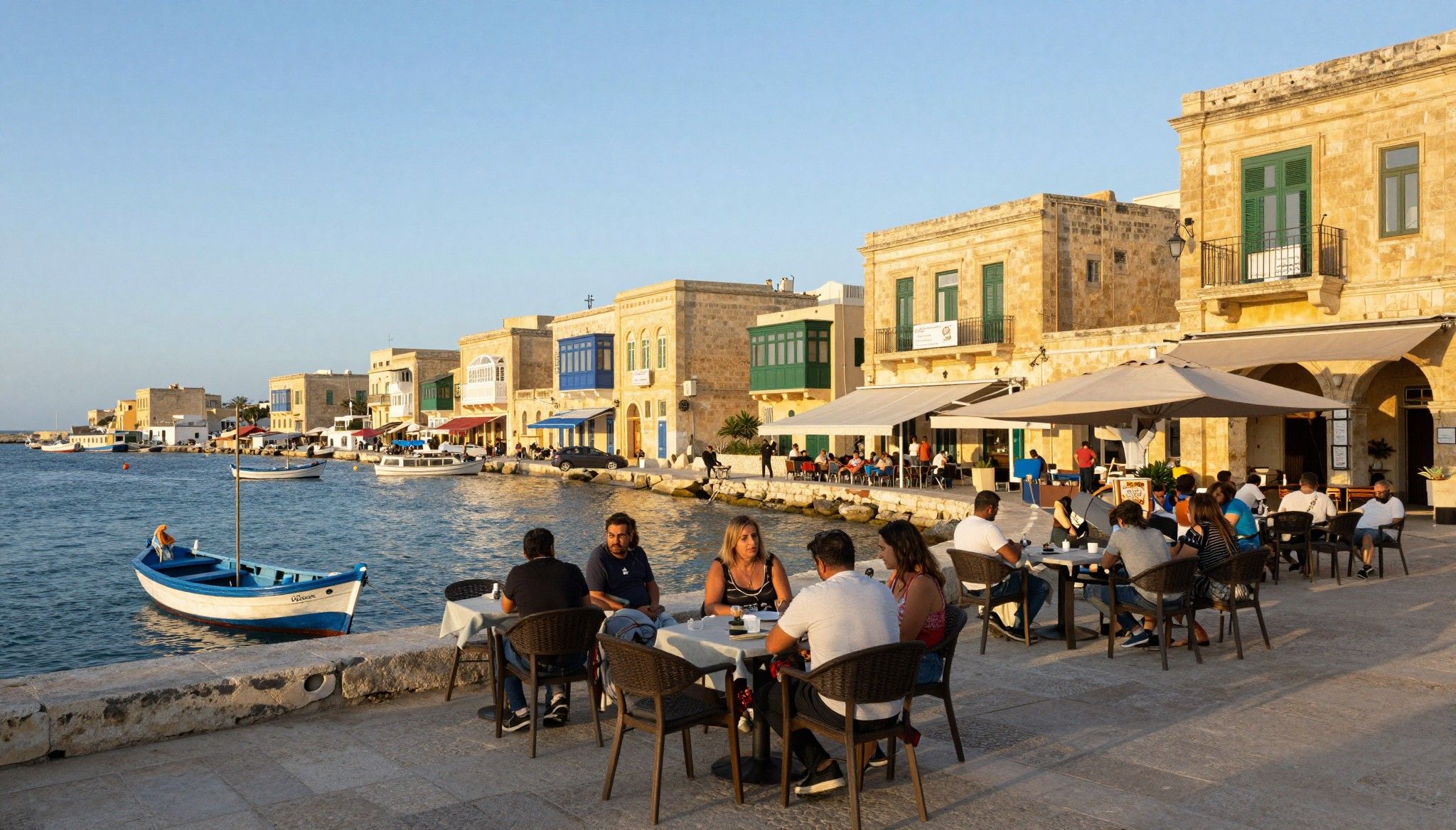
If you prefer a long shoreline walk and a morning café table, Sliema’s promenades and St Julian’s cluster of bars deliver that routine. Buildings here range from 1960s concrete apartments to freshly finished penthouses with sea views; terraces and glass-fronted living rooms are common selling points. Expect noise on summer evenings in Paceville-adjacent pockets, but also easy access to ferries, English-speaking services and established expat networks that smooth relocation.
- Lifestyle highlights — neighbourhood moments to love
- Sunday fish market at Marsaxlokk — seaside lunches and brightly painted luzzu boats.
- Café culture in Sliema: espresso at Café del Mar before a waterfront walk.
- Late‑night theatre in Valletta — concert or play, then a glass of malta red on a baroque street.
Making the move: how lifestyle maps to property choices
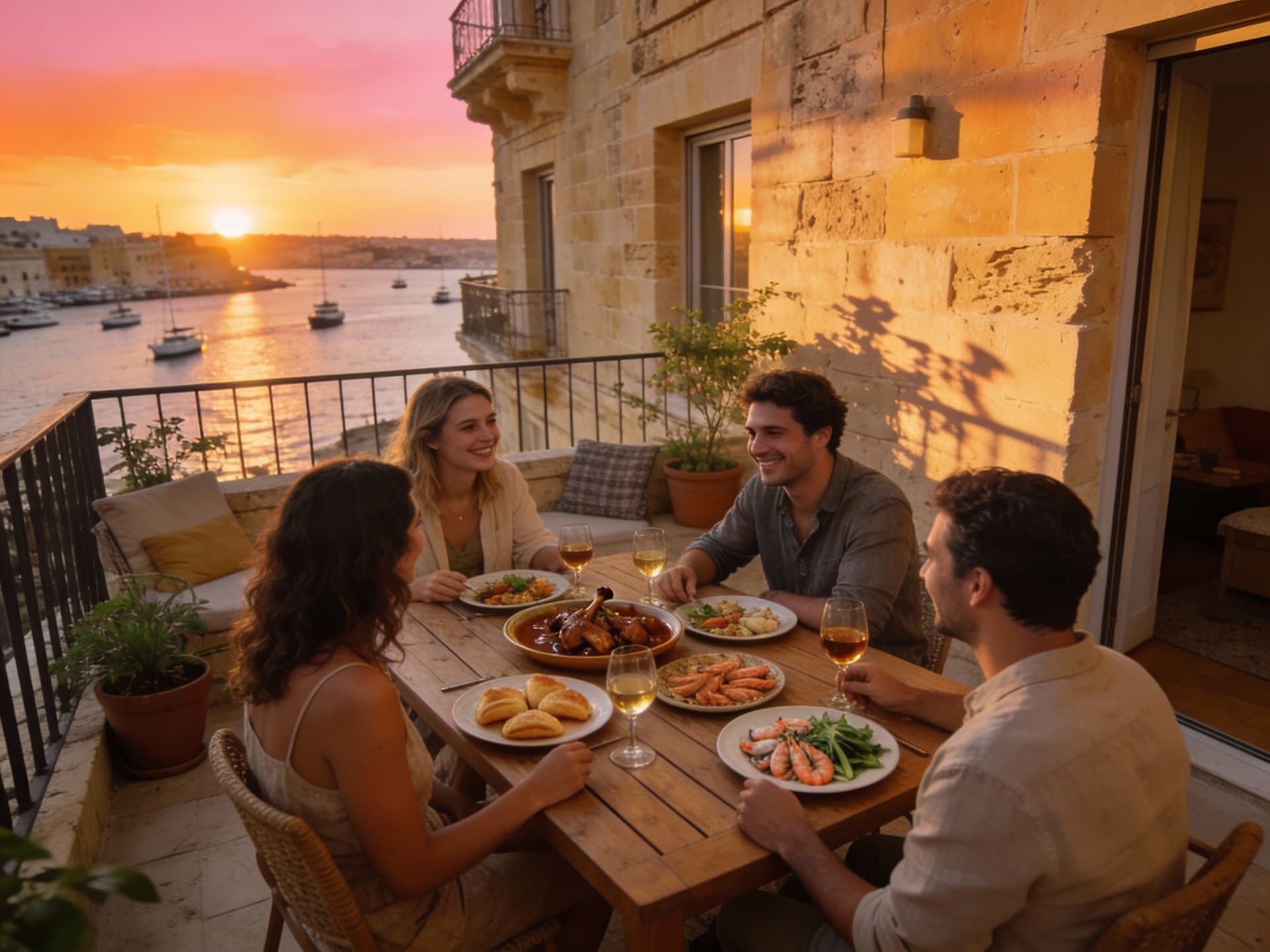
Dreams meet numbers quickly in Malta. National statistics show residential prices rising materially through 2024–2025, so the easy lesson is: if your lifestyle demands central Valletta or Sliema sea views, budget for a premium. That said, the market is nuanced — apartments are driving the gains while some houses of character have softened — so matching neighbourhood to real daily habits still buys you value beyond headline price-per-metre figures.
Property types — what suits which life
Stone townhouses and houses of character reward people who want room, private terraces and a sense of history, but they often need renovation and carry renovation costs and planning permissions. Modern apartments are plentiful and efficient — ideal for working internationals who value walkability and proximity to services. Consider bedrooms vs terraces: for Mediterranean living, an outdoor space often changes how you use the home and can be worth the price premium.
How local experts make lifestyle-led buying practical
We work with agents who double as local translators of daily life: they’ll point out which streets strip noise, which buildings have better insulation, and which terraces capture the sunset. Good agents also flag regulations that affect lifestyle — e.g., whether a property sits in an Urban Conservation Area limiting external changes, or if a maisonette has rights-of-light issues that affect rooftop use. For internationals, that local advice preserves the lifestyle you came for and prevents surprises after move‑in.
- Six move‑practical steps that keep lifestyle first
- Visit at different times: morning market, afternoon promenade, and after‑dinner evenings to sense real noise and life.
- Ask agents for comparable daily‑life evidence: communal costs, lift reliability, neighbours’ profiles and nearby services.
Insider knowledge: expat realities and contrarian truths
Here’s the real talk: Malta’s small size means good choices are limited and local quirks matter. Many internationals assume seaside equals best value — but coastal hotspots command premiums and summer noise; inland villages can offer more space and calm. Another surprise: English is widely used, which eases daily life but doesn’t replace local networks — joining clubs, markets or language groups accelerates integration and can reveal off‑market opportunities.
Cultural cues that change where you buy
Maltese social life gravitates around family, festivals and the parish church calendar; that means weekends can be surprisingly local and social noise is normal in many neighbourhoods. If you value late-night cafés, choose Sliema or St Julian’s; if you prefer ritualized calm and seaside fishing mornings, consider the South or Gozo. Translating those preferences into property choices keeps lifestyle and resale aligned.
Longer view: how life changes after move‑in
In year one you’ll be orienting to micro‑rhythms: laundry services, favourite bakeries, and where to get a good plumber. Over three to five years, neighbourhood changes — new finishes, small developments, traffic tweaks — will shift convenience. Buying with a modest renovation plan and local contacts gives you the flexibility to shape the home as your life settles, and it’s what many expats tell us made Malta feel truly like home.
- Red flags to spot that erode lifestyle value
- Properties in Urban Conservation Areas with restricted external works if you want terraces or rooftop use.
- Listings that highlight ‘sea view’ but are actually distant glimpses from third‑floor windows — visit at different angles and times.
- Older stone houses with unresolved moisture or wiring issues — charm costs if you don’t budget renovation.
Conclusion: fall for the life, plan the move
Malta sells a compact, lived-in Mediterranean life, and that’s the right place to start your property search. Use lifestyle criteria — daily walks, favourite cafés, weekend routines — as your primary filter, then bring data and a good local agent to translate those wants into realistic budgets and checks. If you want, we can introduce agents who know the streets, the people and the paperwork, so your move is about living the life you pictured, not chasing a postcard.
British expat who relocated to Marbella in 2012. Specializes in rigorous due diligence and cross-border investment strategies for UK and international buyers.