Malta: A Neighbourhood Few Buyers Notice (But Should)
Discover Malta’s lived-in neighbourhoods and why off‑postcard streets often offer better value and a truer Mediterranean life—backed by NSO data and recent policy shifts.
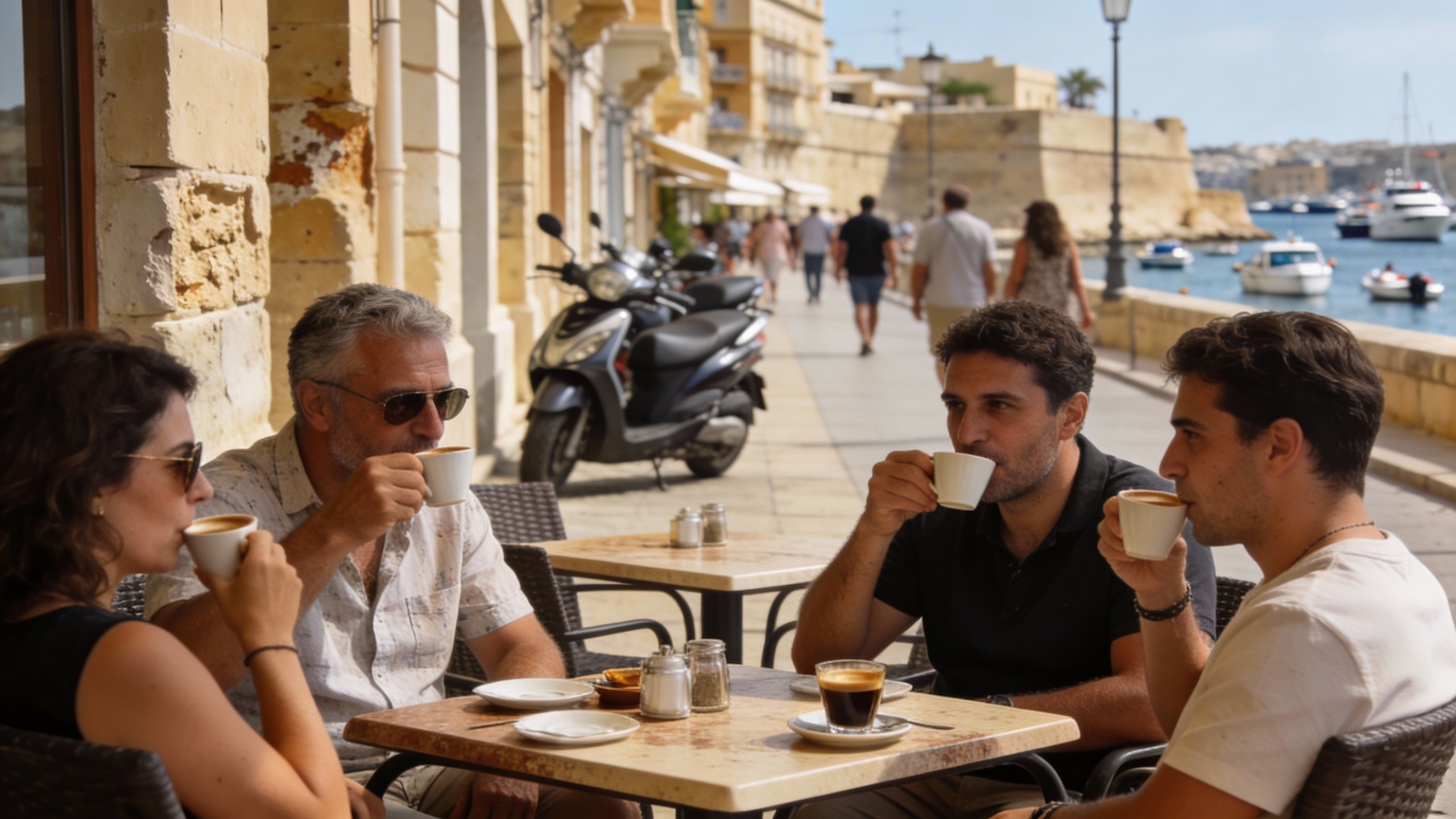
Imagine sipping an espresso on a narrow Valletta street at 9am, the harbour light silvering the limestone, then walking ten minutes to an unexpected quiet terrace where neighbours garden tomatoes on a fire-escape. Malta is compact enough for these contrasts: sun-soaked coastlines and a sleepless marina exist beside sleepy lanes where life slows for long lunches. For international buyers, that contrast is the asset—if you look where locals actually live rather than the postcard neighbourhoods everyone cites.
Living Malta: texture, time and place

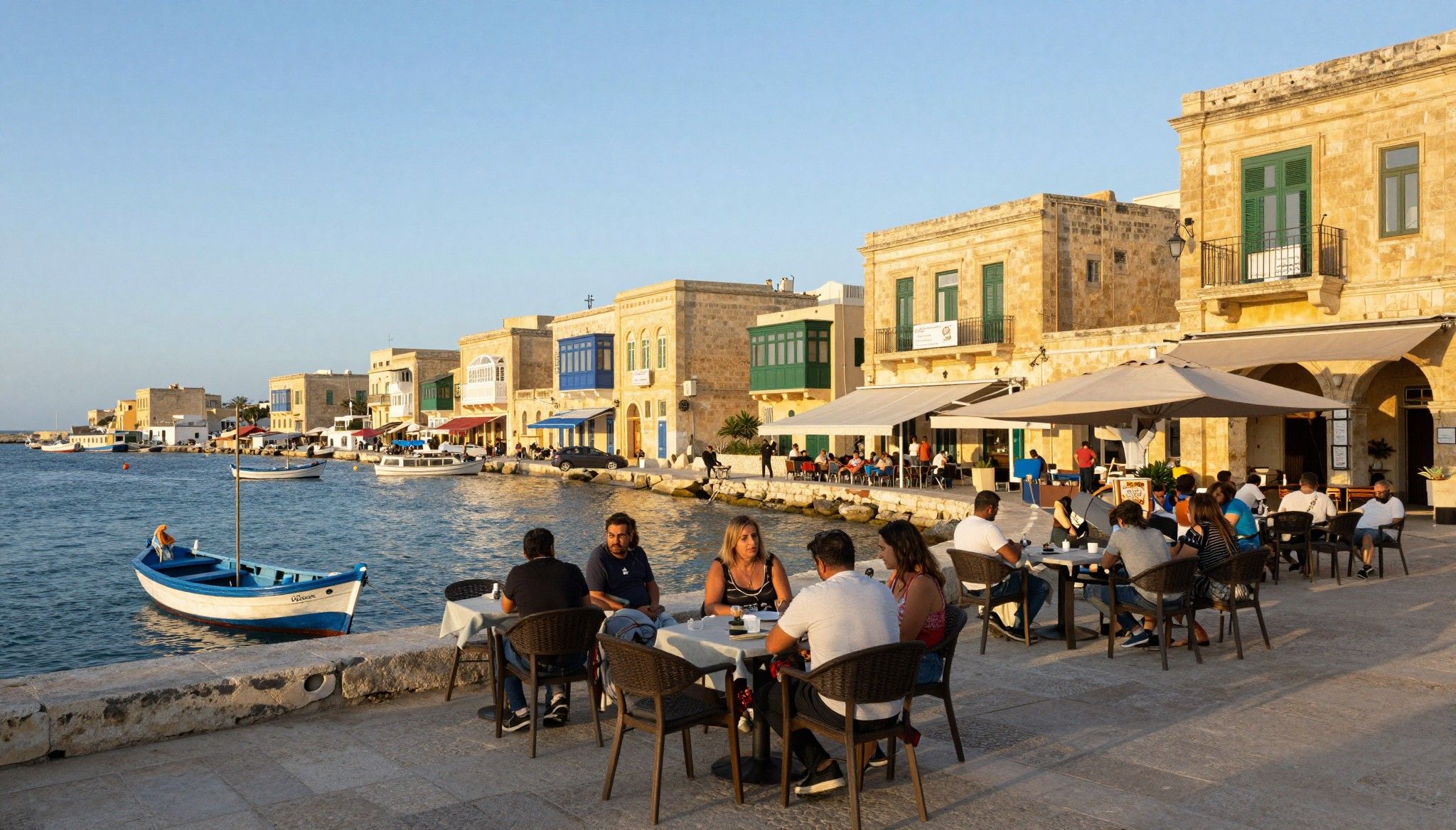
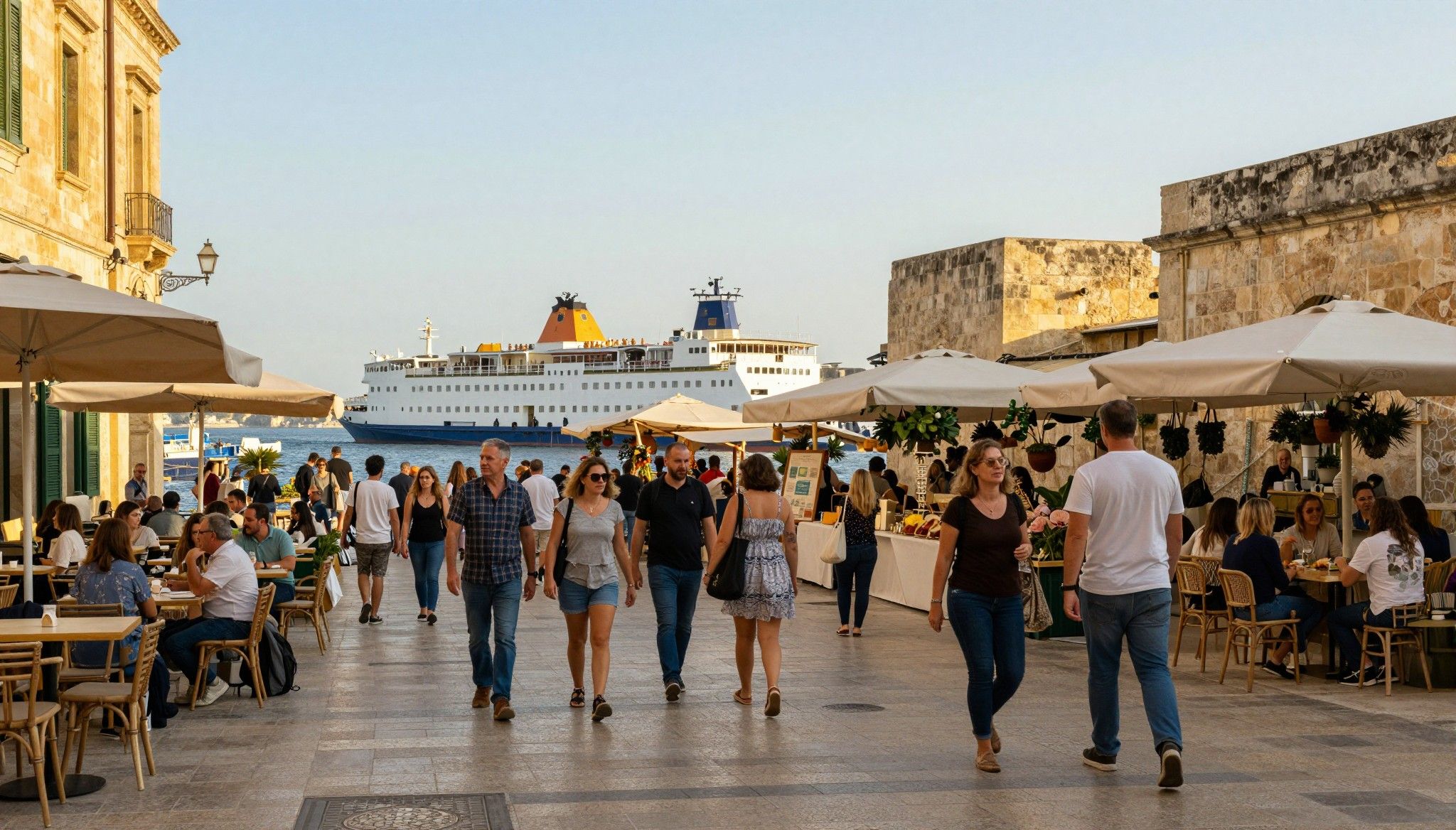
Malta’s day-to-day is tactile: limestone dust, the brine smell at dawn, scooters threading past café tables. Valletta, Sliema and St Julian’s deliver the city rhythm—markets, ferries, late dinners—while towns such as Marsaxlokk, Zebbug and Gzira offer quieter neighbourhood patterns. English is an official language, so daily life for many internationals feels immediately navigable, but local rhythms—siesta‑light pauses, Sunday family lunches—still shape where you want to live.
Valletta and the capital fringe: lived-in rather than labelled
Valletta’s fortresses and cafés are famous; less talked about are the back lanes off Strait Street and the residential terraces near St. Barbara Bastion. These micro‑neighbourhoods offer small apartments with generous light and breezes off the Grand Harbour. Locals prize practical proximity—grocers, a barber, a small piazza—over sweeping views. That makes these spots resilient: fewer speculative listings, steadier rents, and, often, better value than waterfront towers.
Coast, cafés and the after‑work scene
Sliema and St Julian’s host the island’s social life—promenades, rooftop bars and modern apartments—but if you want local pace choose Gzira or Pembroke for terraces and family-run eateries. Weekends shift to beaches (Mellieha, Golden Bay) and market mornings in Marsaxlokk. The takeaway: lifestyle variety on a small island means you can trade five minutes more commute for a dramatically different daily rhythm.
- Lifestyle highlights to scout in person
- Valletta back lanes near St. Barbara Bastion — quieter mornings and local grocers
- Gzira promenade and small rooftop terraces — short commute, long café life
- Marsaxlokk fish market on Sunday — seafood culture and family-run restaurants
- Mellieha and Golden Bay beaches — weekend escape within an hour
Making the move: the island quirks that affect property choices
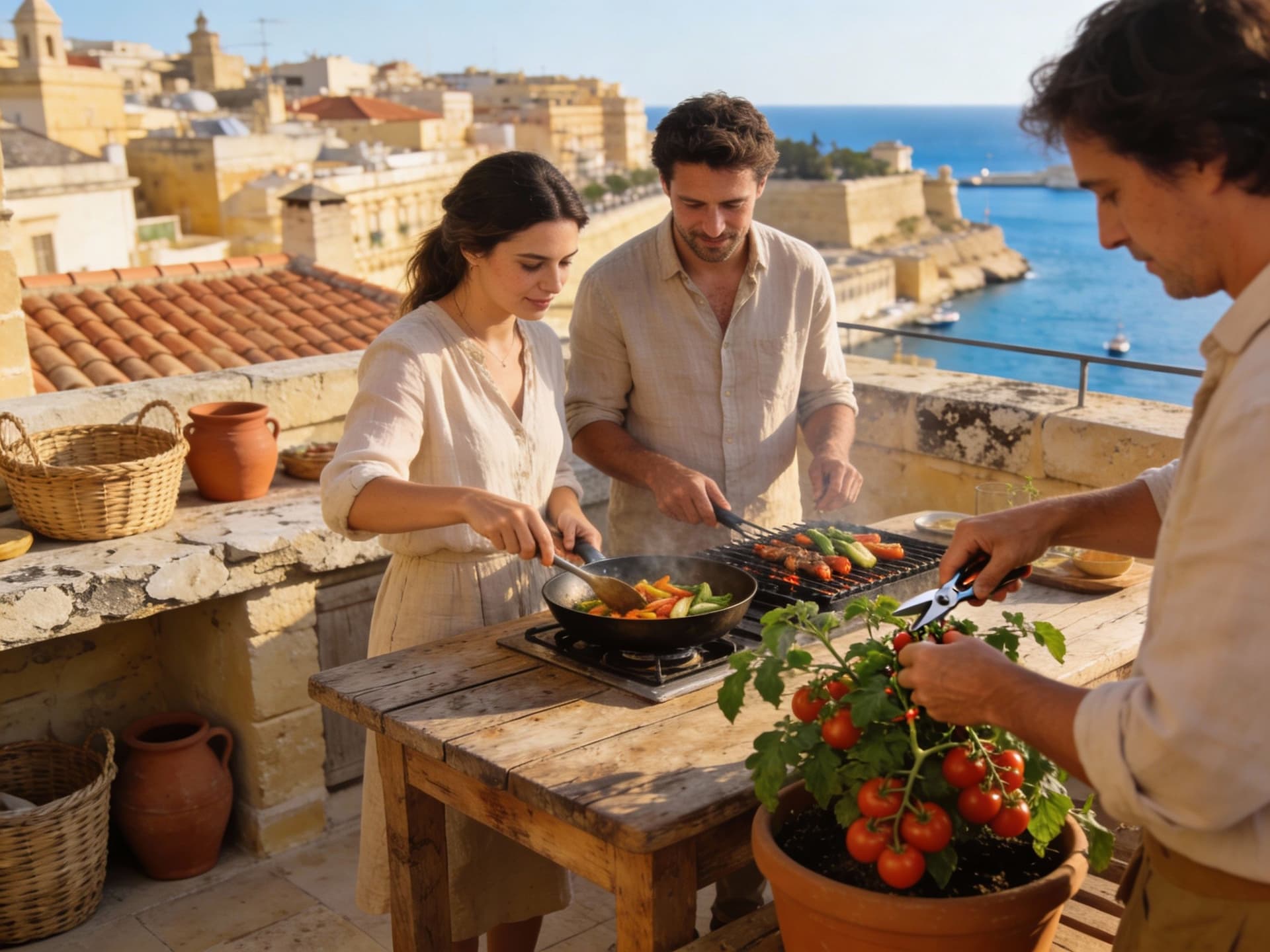
The dream of terrace dinners meets technical realities: Malta’s buildings are old, the climate is Mediterranean and maintenance matters. Prices have been rising steadily—official figures show the Residential Property Price Index at 165.22 in Q4 2024, a c.5% year‑on‑year rise—so timing and neighbourhood choice affect both lifestyle and long‑term value. Use data to temper romance: where locals shop, commute times and maintenance cadence shape costs you’ll live with.
Typical property types and how they suit life here
Apartments dominate the market—light-filled, compact units with terraces are common in older quarters. Maisonettes and terraced houses appear in quieter towns. If you want outdoor living, prioritise south-facing terraces and wind-sheltered courtyards; for rental-return potential, central, walkable addresses near transport hubs matter most. Architecturally, expect limestone façades and layered interiors that often need modernising for efficient heating and insulation.
Working with local experts: what good counsel looks like
A capable local agent does three things well: explains micro‑neighbourhood dynamics, connects you to reliable surveyors and helps translate local administrative steps. In Malta, agencies with a street‑level presence (not just online listings) spot where value sits beneath headline prices. Insist on documented comparable transactions and ask for recent RPPI data to ground offers. Agencies should also advise on maintenance realities for older stone buildings.
- Steps that mix lifestyle and practicality
- Visit morning markets and at least one weekday—observe delivery patterns, noise and local services
- Request three recent comparable sales from your agent and cross-check against NSO figures
- Commission a local structural and damp survey—Mediterranean climates hide water ingress issues
Insider knowledge: myths, seasons and community realities
Two myths worth challenging. First: "Malta is only for holiday buyers." False—a substantial resident community works year-round, and English-language services reduce friction for relocation. Second: "Citizenship-for-investment is an open route." That programme was ruled incompatible with EU law and effectively closed after legal challenges, changing how some buyers weigh residency routes. These shifts matter: the market that followed the programme’s era included speculative demand that is cooling into more stable, resident-led demand.
Cultural cues that shape daily life
Integration in Malta happens through routine places: the bakery, the church square, the fish market. Learn a few Maltese phrases, attend a festa or two, and you’ll find neighbours generous with help. Social life clusters around family and food—expect invites to long lunches—and the expat community is active but often centred in particular towns, not spread evenly.
The season to house-hunt (counterintuitive advice)
Many buyers come in summer to see Malta at its liveliest. I recommend visits in late autumn or winter instead. You’ll experience everyday logistics—school runs, grocery shopping, ferry timetables—and see how a flat handles winter winds and damp. Official price data suggests steady annual growth rather than sharp seasonal swings, so winter viewings give a more accurate sense of lived reality than sunlit showrooms.
- Red flags local buyers watch for
- Persistent damp or salt damage on internal walls
- Unclear ownership chains or missing registry entries
- High turnover street (sign of short‑stay letting pressure rather than stable neighbours)
Practical closing notes
If Malta’s compactness and culture appeal to you, approach purchase as lifestyle-first but evidence-driven. Cross-check agent claims with NSO data, visit outside high season, and prioritise neighbourhoods where daily life matches the rhythm you want. A grounded local agent and a good surveyor protect the lifestyle you sought when the postcard first called you here.
Swedish expat who moved from Stockholm to Marbella in 2018. Specializes in cross-border legal navigation and residency considerations for Scandinavian buyers.