Why Malta’s Quiet Neighbourhoods Outperform the Postcard Price
Malta’s compact neighbourhoods reward buyers who prioritise daily rhythm over seaside headlines; legal rules (AIP) and neighbourhood rituals shape which properties actually work.
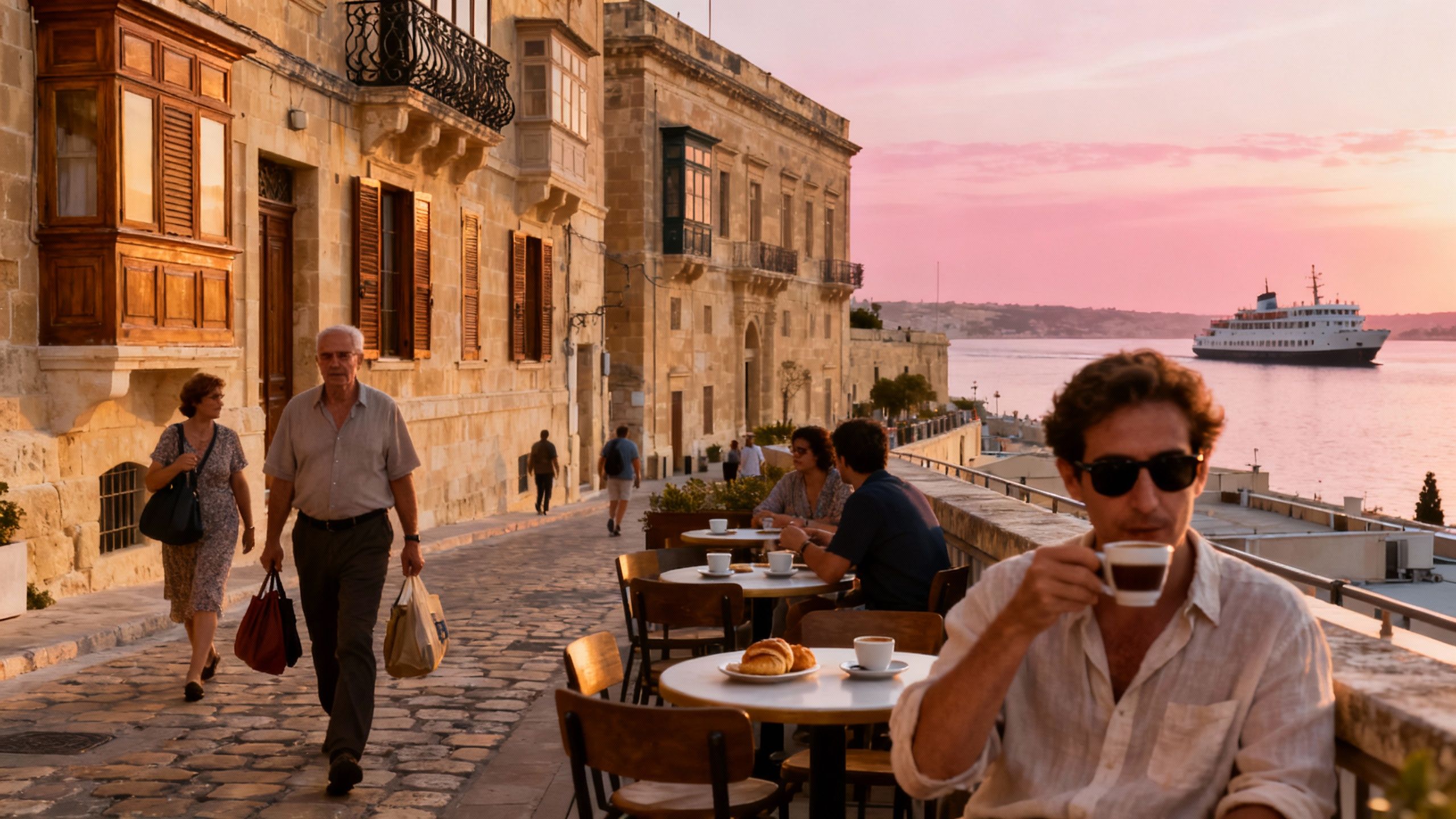
Imagine stepping out at dawn onto Valletta’s limestone steps, espresso steam and sea air in the same breath. In Malta you can move from five‑century bastions to a modern café in fifteen minutes. That compactness shapes daily life more than any headline: proximity to water, walkable streets and a pace that alternates between industrious and unhurried. For many international buyers, the island’s romance arrives first — the practical questions follow fast.
Living Malta: more than the postcard

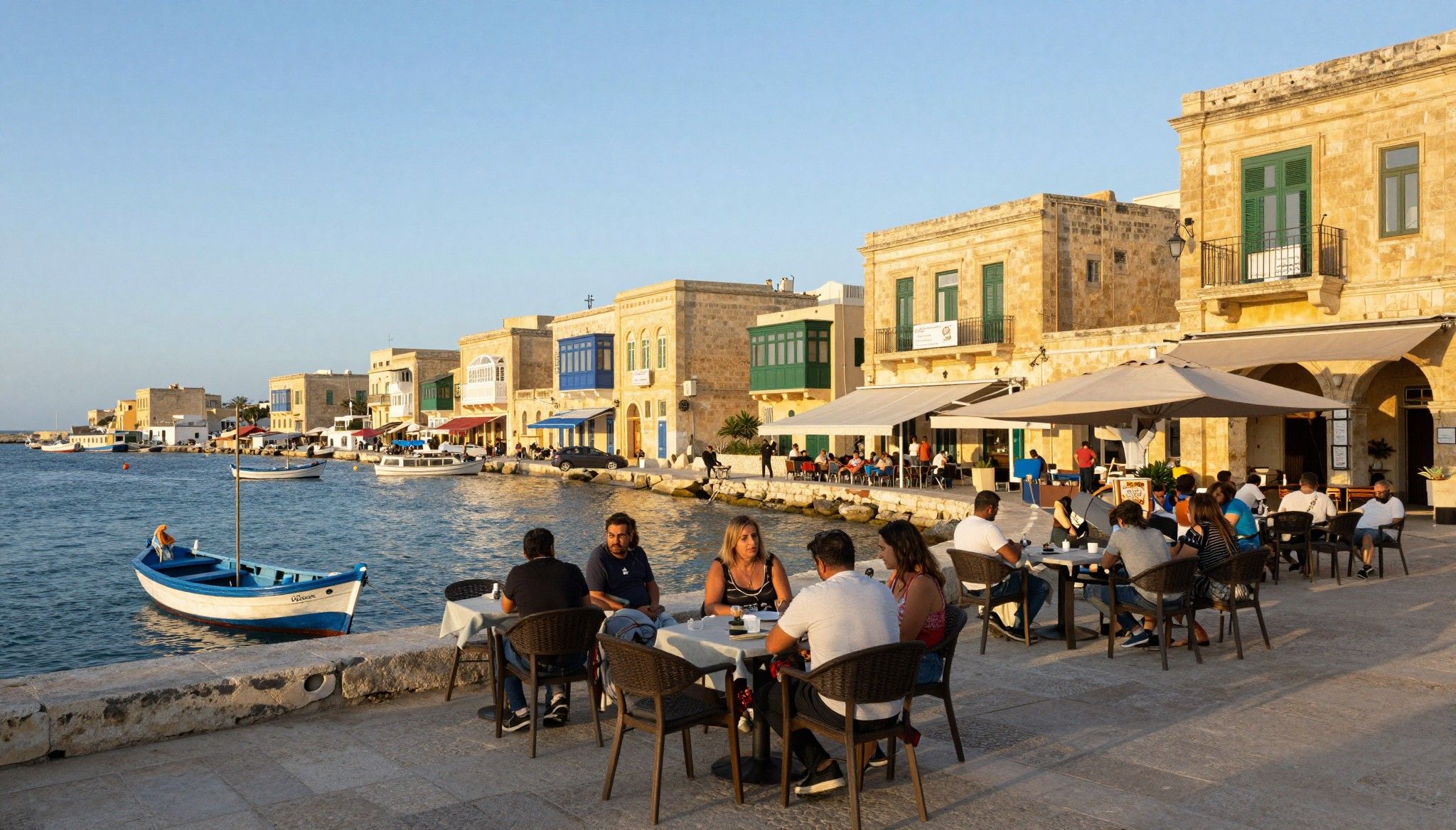
Life here begins in small rituals. Picture buying warm pastizzi at Crystal Palace, taking the ferry from Sliema to Valletta for an office meeting, or lingering over a second espresso at Caffe Cordina while the city wakes. Streets are layered with history — Baroque facades, narrow alleys and rooftop terraces — and those textures shape how you use space: rooftops for summer dinners, glazed balconies as winter sunrooms. That daily geometry matters when you judge a property; size alone never tells the full story.
Valletta, Sliema and St Julian’s: different days
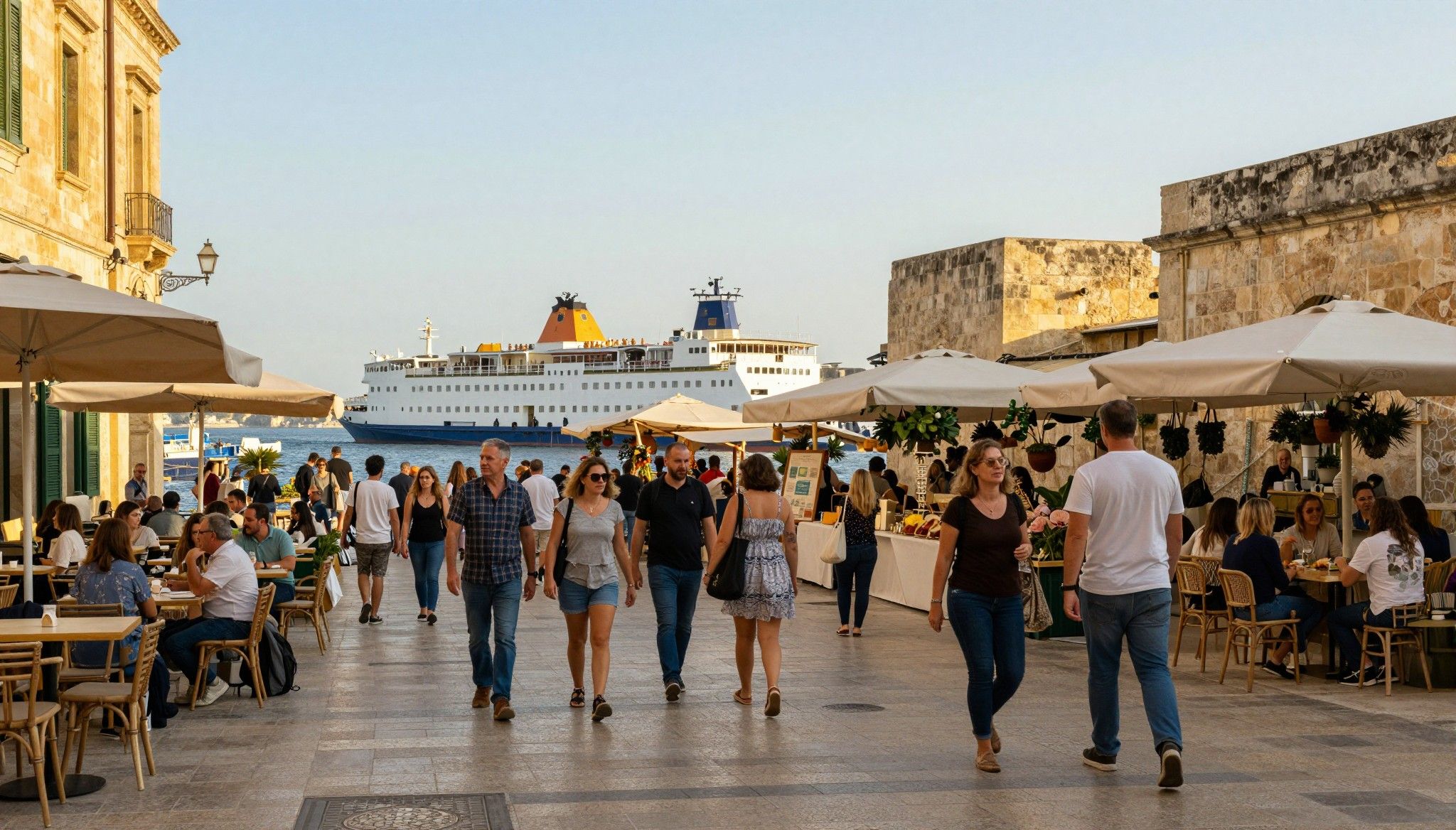
Valletta feels ceremonial: museums, state offices and concentrated heritage that quiets traffic and raises apartment premiums. Sliema is waterfront pragmatism — ferries, promenades and cafés where families and expats gather. St Julian’s pivots around an active night economy and newer apartment blocks. Choose a neighbourhood by daily rhythm, not by tourist density; the roof terrace view that looks glorious at sunset may be noisy on Saturday night.
Food, markets and tiny pleasures
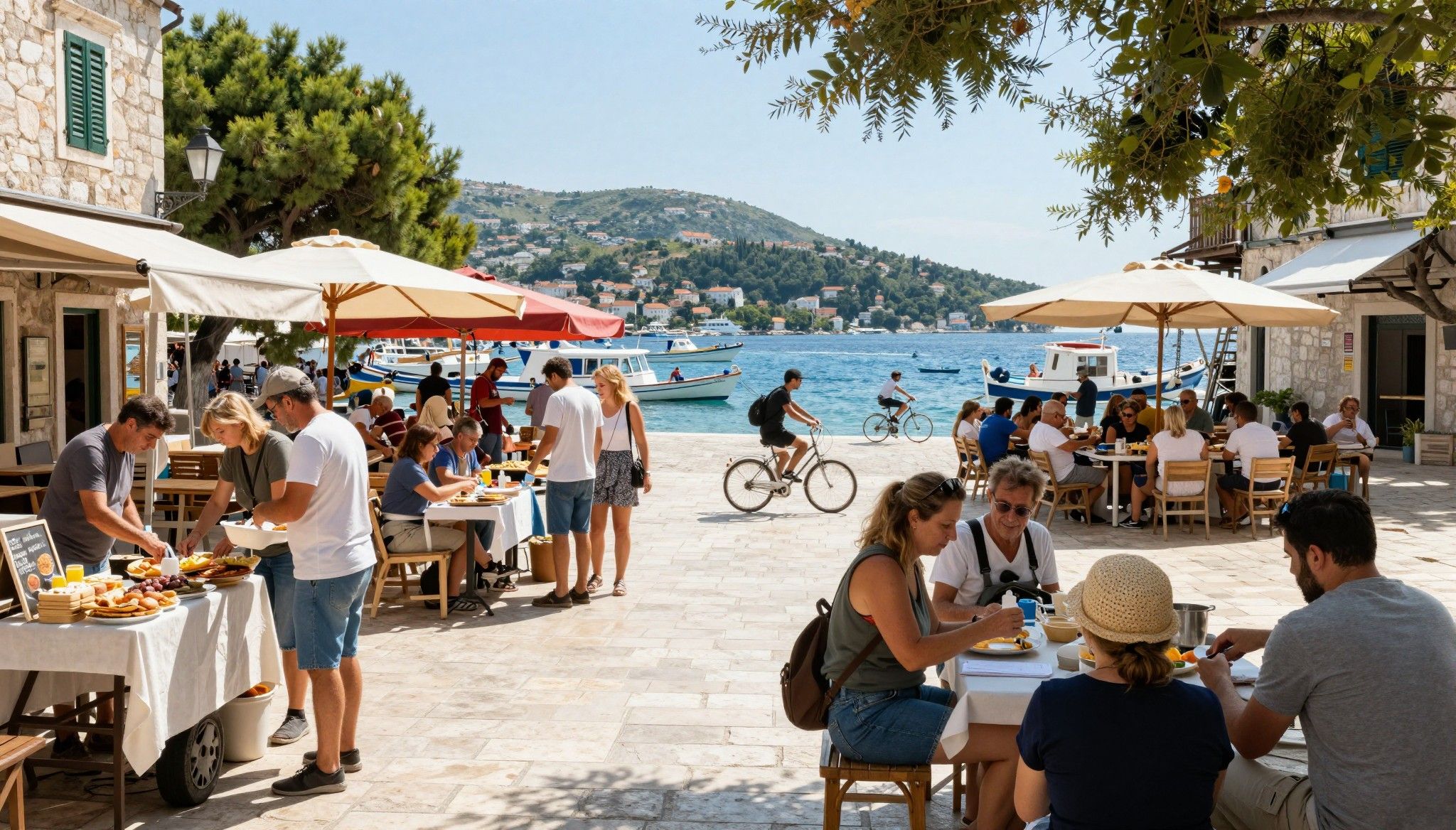
Markets and cafés are where neighbourhoods reveal themselves. The Saturday market in Marsaxlokk is both fish stall and social calendar; a table at Fontanella in Mdina is a weekly ritual for locals and visitors who prize the view. These everyday places determine lifestyle: are you a morning market person or an evening harbourwalker? When we match buyers to properties in Malta, these micro‑choices matter as much as square metres.
- Lifestyle highlights: Valletta’s Republic Street and Upper Barrakka Gardens; Sliema promenade and Tower Road cafés; St Julian’s Paceville for nightlife; Marsaxlokk fish market and seaside lunches; Mdina’s Fontanella Tea Garden views; rooftop terraces in Gzira and Msida.
Making the move: practical rules that shape lifestyle choices

Malta’s regulatory framework is compact and consequential. Non‑EU buyers generally need an Acquisition of Immovable Property (AIP) permit; the permit limits non‑resident ownership unless a property is in a Special Designated Area. The rules influence what you look for: a family wanting rental flexibility may prefer SDA locations, while someone after a historic Valletta pied‑à‑terre needs to understand occupancy restrictions before signing a promise of sale.
Property types and how they feel in daily life
Traditional Maltese townhouses come with thick walls, internal courtyards and narrow staircases — they are atmospheric but can be expensive to retrofit for insulation or wiring. Modern blocks in Sliema and St Julian’s offer elevators, balconies and straightforward maintenance but sit higher in price per square metre. If rooftop living, sea views or an internal courtyard matter, weigh the maintenance and seasonal usability against monthly costs and lifestyle use.
How local experts convert lifestyle into a shortlist
- 1. Define your daily routines — commute on foot, ferry, or drive; that pins neighbourhood suitability. 2. Check legal constraints (AIP, SDA) before making offers so lifestyle options aren’t legally curtailed. 3. Prioritise service‑access: supermarkets, clinics, schools — lifestyle without convenience is fragile. 4. Visit in different seasons; Malta’s summer vibrancy is not the same as winter calm. 5. Assess rooftop, balcony and ventilation for real year‑round use, not just summer Instagram shots.
Insider knowledge: what expats wish they’d known
There are a few truths that only show after months on the island. First, headline residency schemes have changed: recent legal challenges to Malta’s citizenship‑by‑investment pathway have altered the policy landscape and made long‑term residency routes more conventional and documentation‑driven. Second, English is an official language, which eases integration but does not replace local social networks. Third, small islands mean small markets: off‑market opportunities and local goodwill matter enormously when you want to close a deal cleanly.
Cultural practicalities that affect day‑to‑day living
Malta’s social life orbits around family and church festivals; Sundays can be quieter in shops but fuller in squares. Expect bureaucracy to require patience: permits, notarial appointments and public office processes are efficient but formal. Learn a few Maltese phrases; a little Maltese opens doors beyond the obvious English advantage. For buyers, building rapport with agents, notaries and the AIP unit speeds approvals and preserves lifestyle intentions.
Long‑term lifestyle considerations
If you’re planning a life here, consider healthcare access, schooling options and the seasonal population swing. Areas such as Pembroke and Madliena attract families seeking quieter suburban plots while Sliema and Gzira remain favourites for professionals who prize connectivity. Reassess needs after a year: what felt perfect in summer may reveal noise or service limits in winter — that’s normal in compact island markets.
- Red flags and practical checks: confirm AIP eligibility early; demand recent structural surveys for older stone properties; verify service bills and communal charges; check exact land‑registry titles with your notary; confirm noise/holiday rental activity near the property.
Malta rewards buyers who prioritise lived experience over headline metrics. Start with the day you want — morning market, evening harbour walk, roof‑top supper — and work backwards to the legal and property checks that secure that life. Engage local advisers early: a good agent and a thorough notary translate lifestyle intent into a clean title and a permit. If you value routine proximity to the sea and an easy international community, Malta delivers; if you need large private gardens and continental space, the island’s trade‑offs matter.
If you’re intrigued, visit in two different seasons, shortlist neighbourhoods by daily rhythms, and ask your agent to produce an AIP eligibility check before making offers. That sequence keeps the romance honest and the purchase executable — and it lets the island’s best asset show itself: a life lived close to history, water and a well‑worn café chair.
Dutch relocation advisor who moved to Marbella in 2016. Guides Dutch buyers through visa paths, relocation logistics, and balance of lifestyle with value.