Malta: Street‑Level Trade‑Offs That Change Everything
Malta’s compact streets shape value more than headline indices — match the neighbourhood rhythm to your lifestyle and inspect street‑level trade‑offs before you buy.
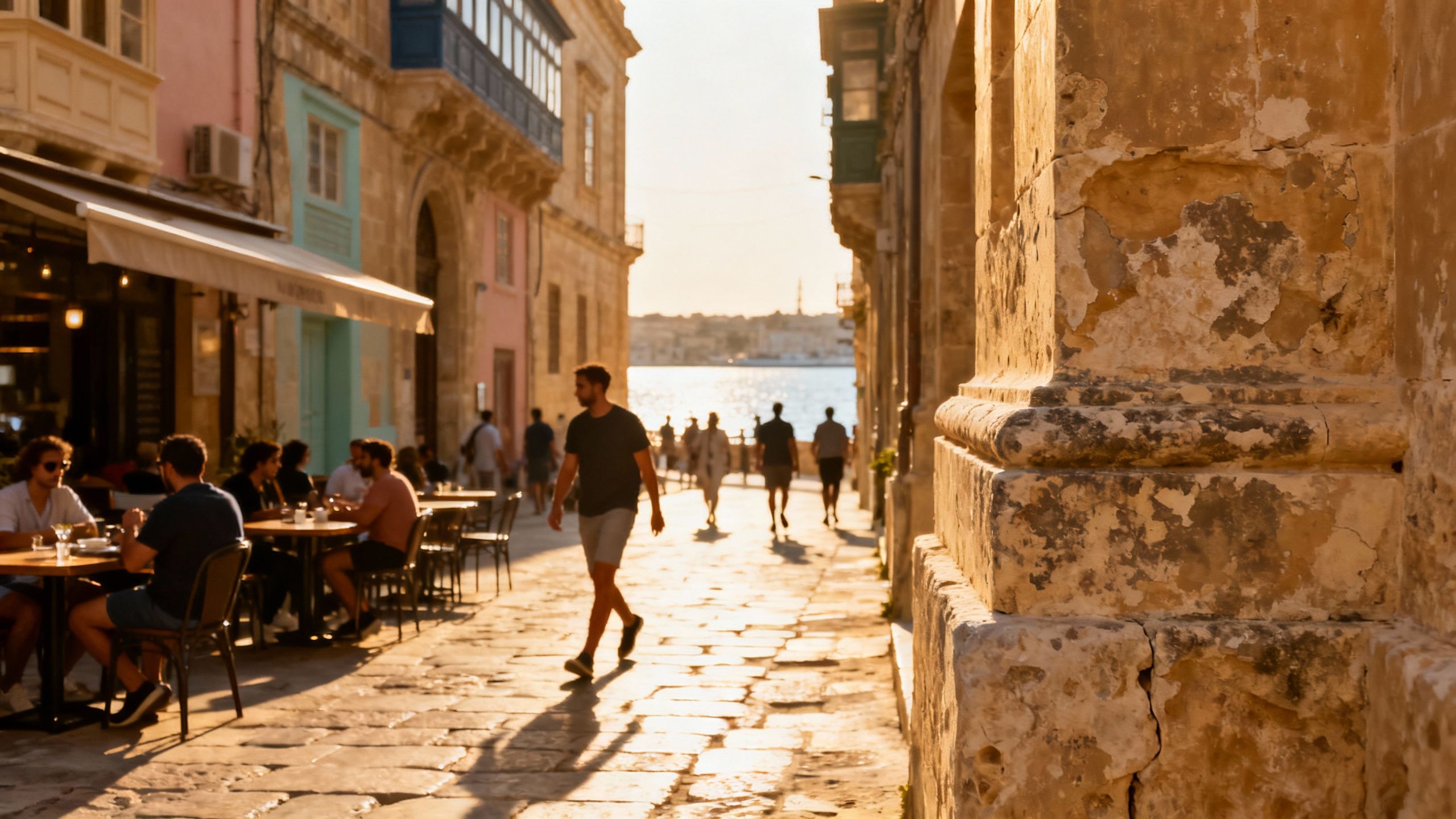
Imagine walking from a narrow Valletta alley into a sunlit café on St. Paul Street, the smell of fresh ftira blending with espresso and the distant lapping of the Grand Harbour. Malta compresses so much — history, sea, modern apartment blocks and quiet village lanes — into a space you can cross in an hour. That compactness is central to the purchase decision: your street determines whether you live by nightlife in St Julian's or weekend markets in Marsaxlokk. Understanding those street-level differences is more important here than headline median prices.
Living the Malta life: compact, social, sunlit

Daily life in Malta is lived outdoors. Morning markets in Is-Suq tal-Belt or a pastry at Caffe Cordina bookend workdays. On weekdays the island hums with commuters between Sliema, Birkirkara and Valletta; at dusk the seaside terraces fill with neighbours and visiting friends. This rhythm explains why buyers prize terraces, cross‑ventilation and street access more than square footage.
Neighborhood spotlight: Valletta, Sliema, St Julian's
Valletta is walkable stone and shuttered balconies; buy here for history and short walks to museums, government services and the harbour. Sliema offers a stronger retail and ferry connection to Valletta — apartments here are practical for weekly life and cashflow from short-term rentals. St Julian's (Paceville) is nightlife and dining: choose it if you want an energetic social life, but expect noise and higher management costs for rental use.
Food, weekend and hidden corners
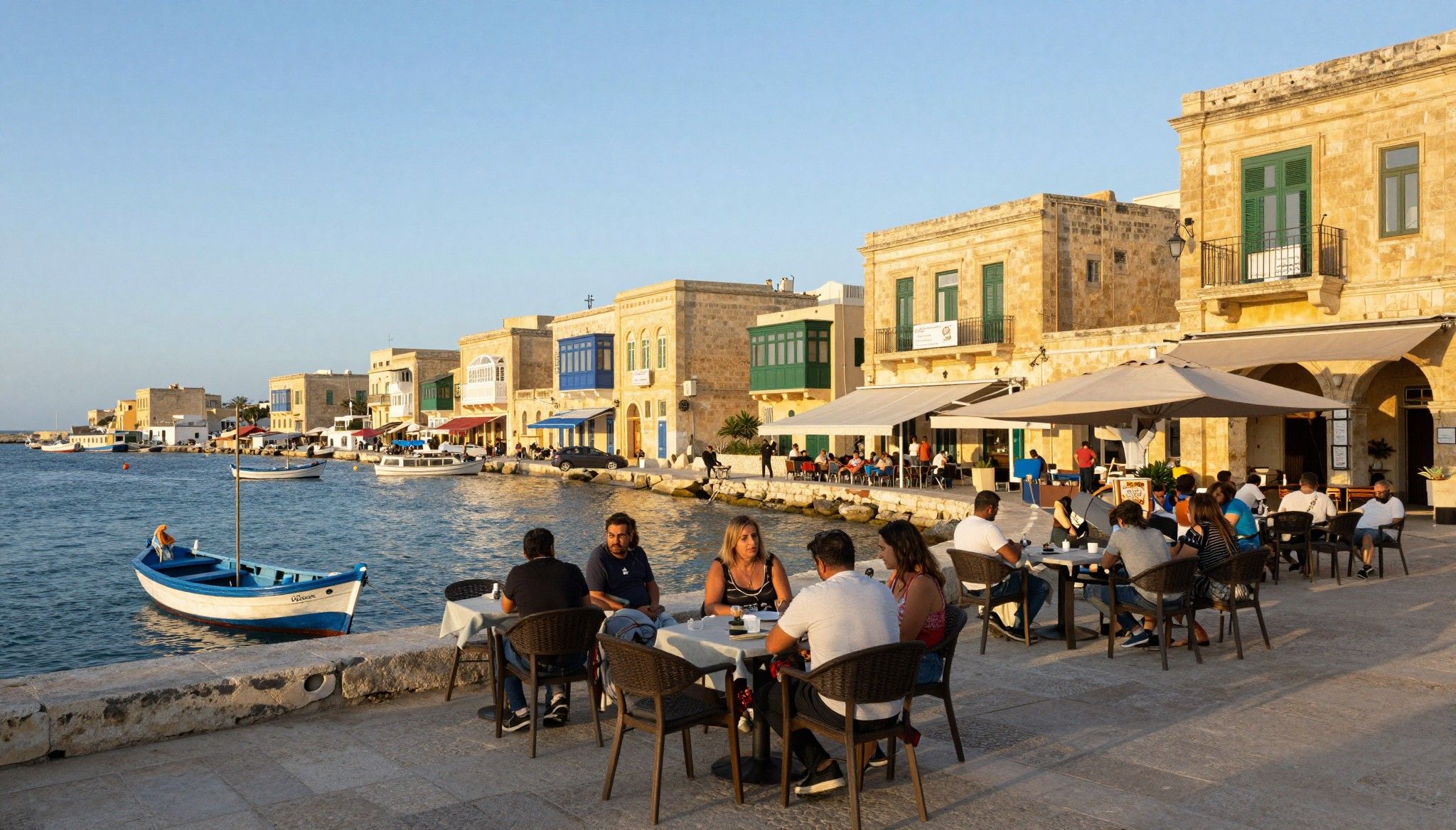
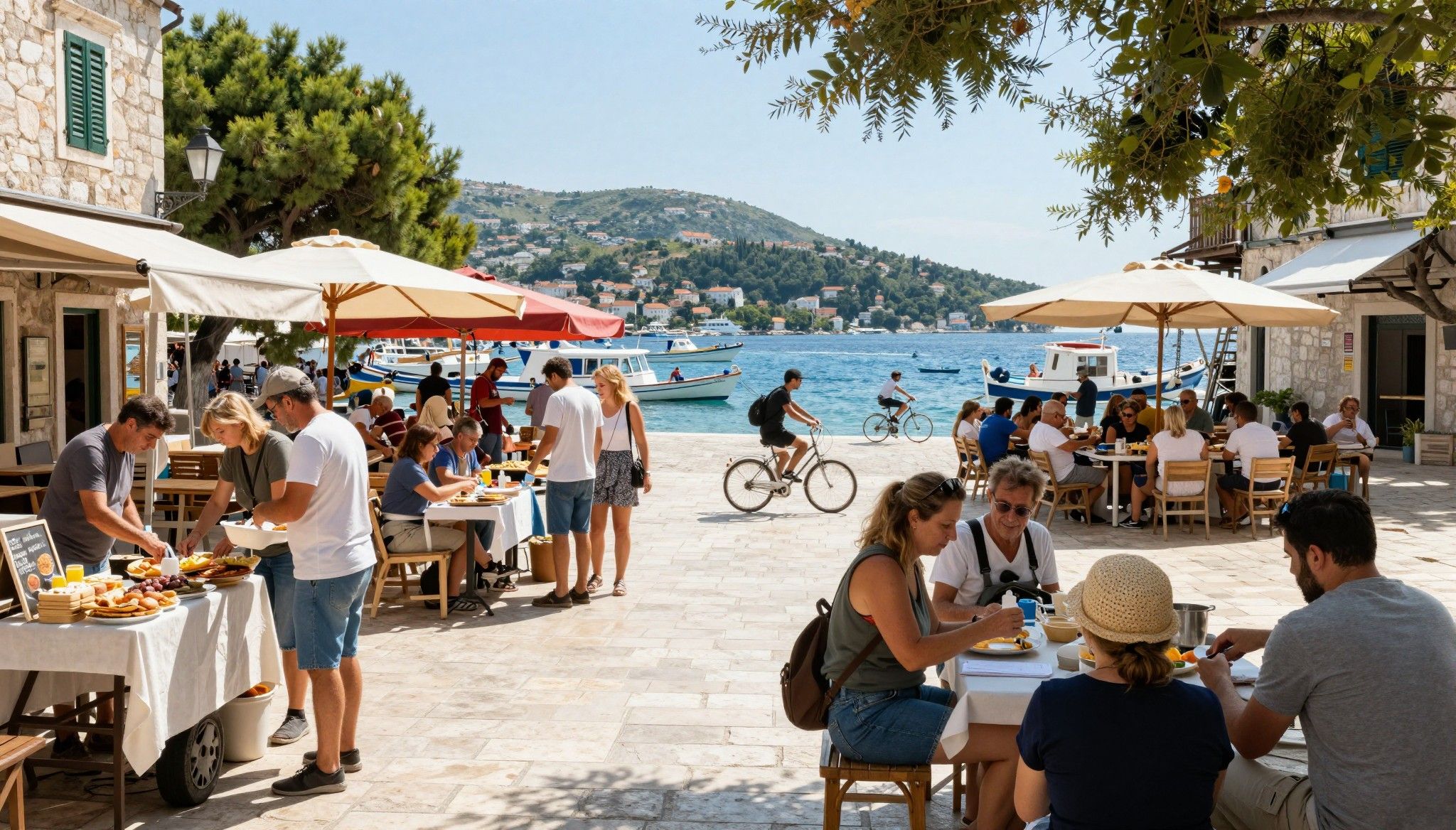
Weekends feel Mediterranean: fishermen selling lampuki in Marsaxlokk, families on Mellieħa Bay, and pop‑up food stalls around boat harbours. Hidden pockets — a quiet lane off Tigne Point or a maisonette near Dingli Cliffs — radically change the living experience. Local cafés, bakeries and ferry timetables are practical considerations that shape where you’ll feel at home more than headline yields.
Making the move: how lifestyle choices alter market realities
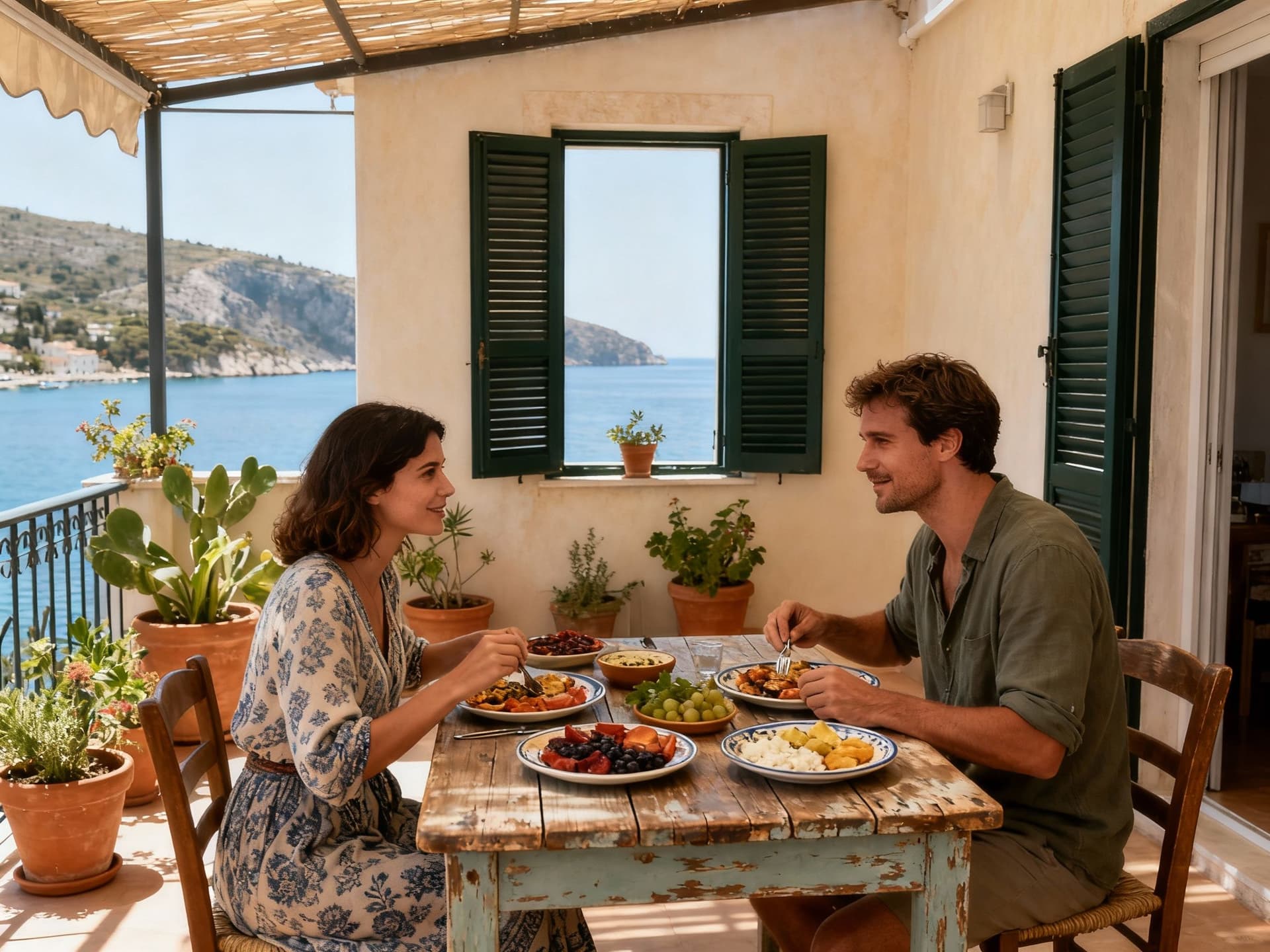
The statistics matter, but they tell only part of the story. Malta’s Residential Property Price Index rose around 5% year‑on‑year in recent releases, showing steady demand; yet this rise does not translate evenly across neighbourhoods. Price pressure concentrates in compact, amenity-rich streets where terraces and harbour views are on offer. Match your lifestyle wish list to property type — and accept trade‑offs when space or quiet is non‑negotiable.
Property types and how you’ll live in them
Apartments and maisonettes dominate the market; maisonettes offer ground‑level living and private terraces, while modern apartments provide amenities and easier management. A 19th‑century townhouse in Mdina gives space and quiet but higher maintenance; a Tigne Point flat gives convenience and contemporary finishes. Think how you want to spend weekends — balcony breakfasts or boat trips — and let that steer whether you prioritise outdoor space or proximity to cafés.
Work with the right local expertise
Agencies that combine neighbourhood knowledge with legal clarity matter here. Recent regulatory shifts — notably the European Court ruling on citizenship‑for‑investment schemes — have changed the investor profile and property demand patterns. A local agent should explain how recent policy decisions affect availability, buyer background checks and likely buyer competition on specific streets. Expect practical guidance on title checks, local zoning and management options.
- Match lifestyle with property: quick checklist
- Step‑by‑step: street-level house‑hunt in Malta
Insider knowledge: what expats wish they’d known
Expats often underestimate micro‑seasonality: St Julian’s vibrancy in summer strains services while winter reveals the quieter community many buyers actually wanted. English is widely used, easing integration, but social life still clusters around longstanding neighbourhoods and clubs. Practical surprises include parking scarcity, drainage on older streets and the value of a veranda for summer living. Those small, local realities determine whether a house feels like home.
Cultural integration and daily routines
Language is less a barrier than social rhythm; many services operate in English, but community membership grows through local rituals — festa celebrations, market mornings and café tables. Join a band club, volunteer at a market or frequent a neighbourhood bar and you’ll meet the people who shape local life. These connections also become informal sources of property leads and reliable renovation contacts.
Long‑term thinking: seasonality, maintenance and resale
Malta’s population density and ongoing demand can support resale value, but maintenance costs for older stone buildings accumulate. Anticipate periodic waterproofing, shutter repairs and air‑conditioning upgrades for summer comfort. If you plan to rent, factor in variable tourist seasons and local rental rules; if you plan to settle, prioritise neighbourhood cohesion and daily conveniences.
Conclusion: feel the street before you sign
Picture yourself on a Maltese balcony at dusk: the real decision is whether your daily life will match the image. Use national indices to understand trend direction, but let street‑level realities decide the specific purchase. Work with an agency that knows which lanes keep their value, which terraces face prevailing winds and which streets empty in winter. Make time to live on the street before you sign; in Malta, that small effort often defines long‑term satisfaction.
Danish investment specialist who relocated to Costa del Sol in 2015. Focuses on data-driven market timing and long-term value for Danish buyers.