Malta: Street Rhythm, Market Realities
Malta condenses urban life and seaside calm; NSO figures show prices rose 5.6% in Q2 2025 — buy for street rhythm and rigour, not just views.
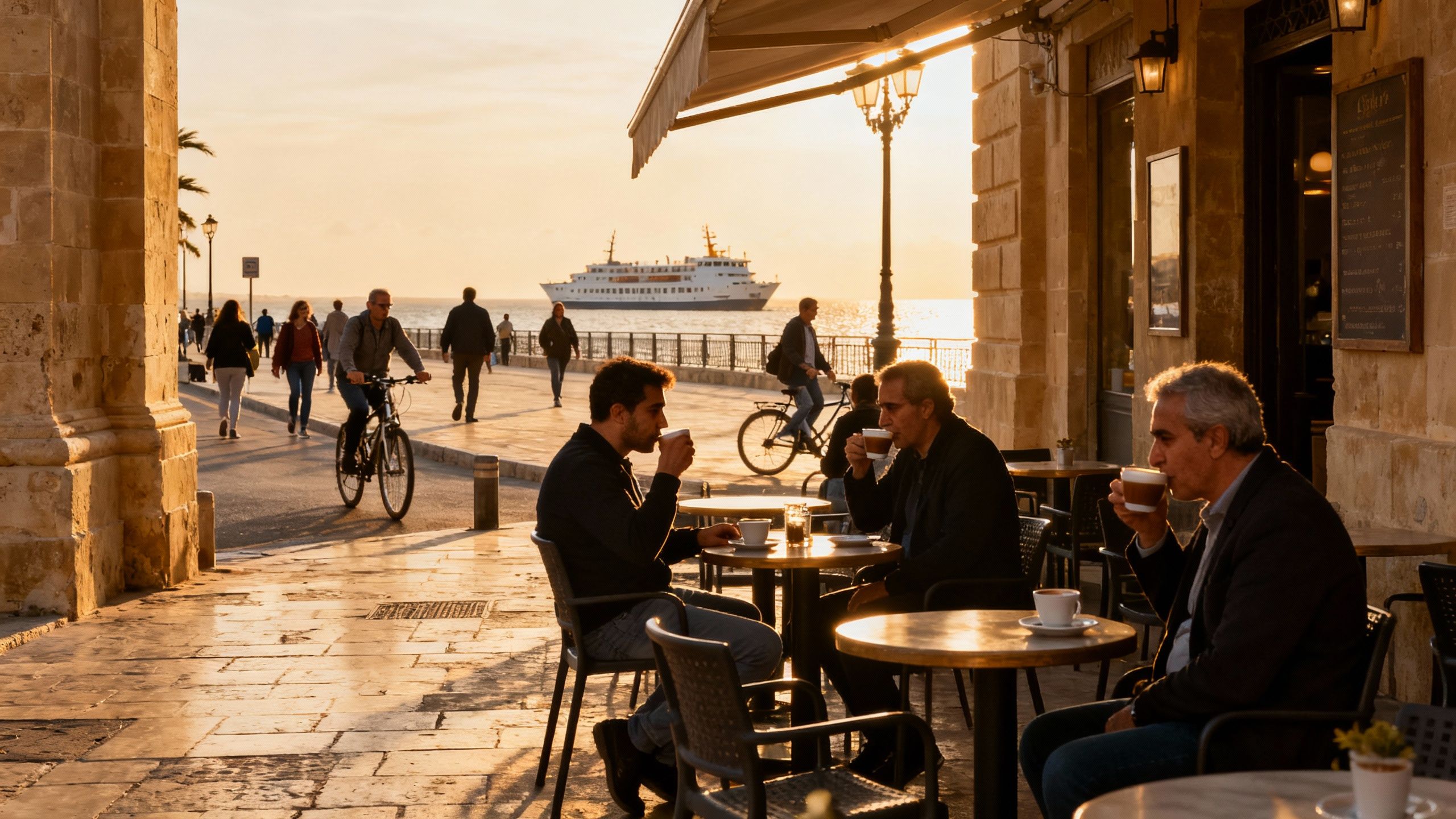
Imagine stepping out onto Triq ir-Repubblika at dawn: bakers pulling trays of ftira from ovens, a neighbour sweeping limestone steps, ferries slicing the harbour light. Malta’s compact islands condense urban rhythms and seaside calm into thirty-minute commutes and walkable afternoons. For international buyers the appeal is immediate — English is widely spoken, Mediterranean weather shapes daily life, and history is literal: buildings you can live in are centuries old. Yet beneath the romance are market quirks that change how you buy and live here; that matters before you sign.
Living the Malta Life

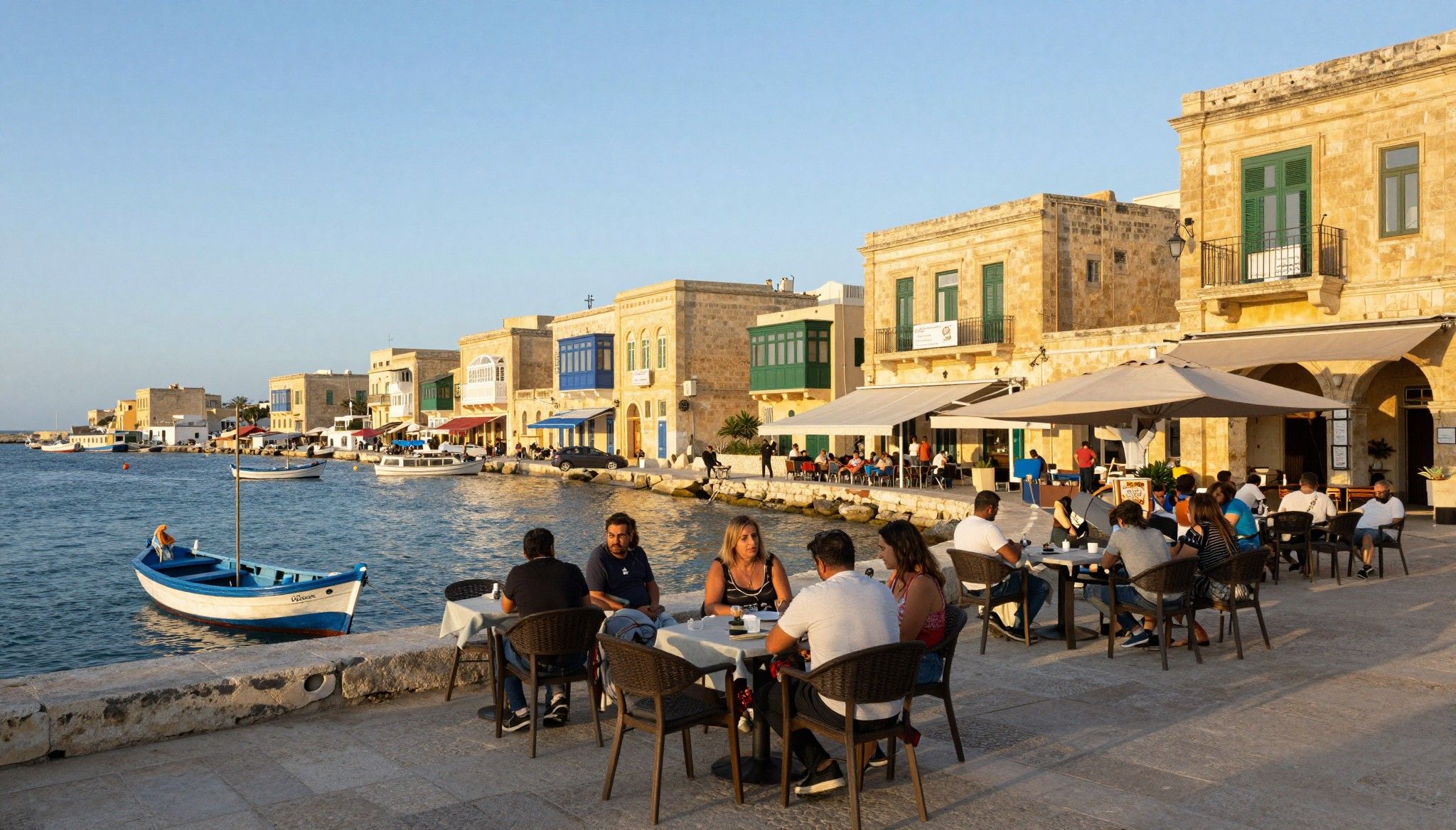
Living in Malta feels like urban life folded into island scale. Valletta hums with morning cafes and late‑night culture; Sliema and St Julian’s trade in terraces, promenades and English‑language services; Rabat and Mdina offer quiet lanes, churches and cool stone courtyards. Weekends move outdoors: sandy coves in Mellieħa, cliff swims in Dingli, fishermen selling fresh catch in Marsaxlokk market. The result is a property market where lifestyle choices are tightly bound to micro‑locations — a street or bay can change both your daily routine and your capital costs.
Neighborhood spotlight: Sliema, St Julian’s, and Valletta
Sliema: morning espressos on The Strand, small boutiques, and long sea promenades that draw walkers and families. St Julian’s (Paceville edge) serves nightlife and polished apartment blocks aimed at short‑term renters and professionals. Valletta compresses museums, state offices and boutique living into a grid of limestone streets where a rooftop terrace often doubles as your living room. Each area attracts different buyer profiles: retirees seeking calm courtyards, remote workers choosing reliable internet and cafes, and investors chasing holiday‑rental demand.
Food, markets and weekend rituals
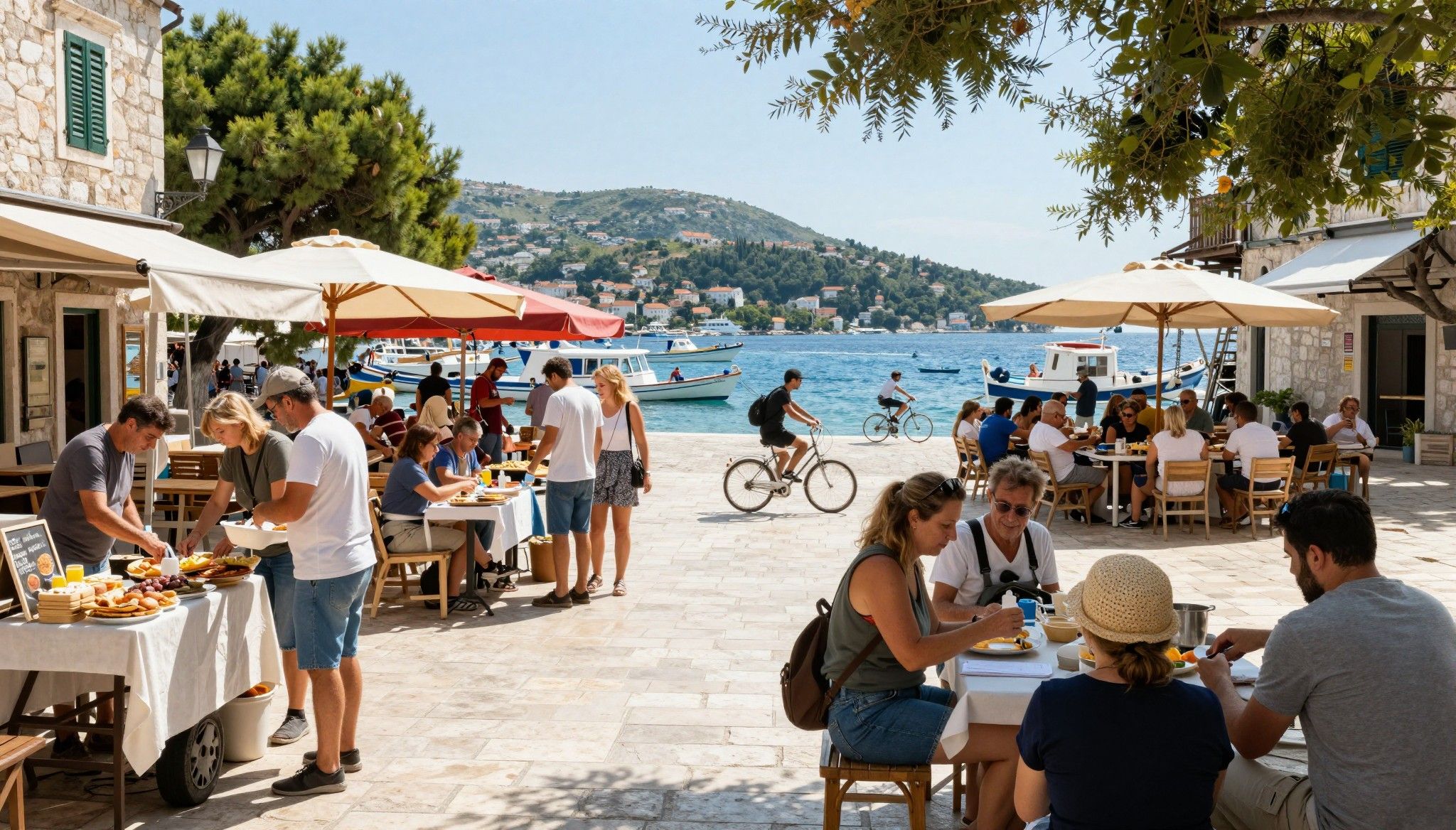
Picture Saturday at Marsaxlokk: colourful luzzu boats, fish stalls, and espresso at the quay. Evenings turn to shared plates of lampuki pie or rabbit stew in family restaurants off narrow alleys. There’s a rhythm to buying here — the market is both social hub and supply chain for home cooks. That rhythm extends into property decisions: proximity to markets, bakeries and ferry links matters as much as square metres for everyday quality of life.
- Lifestyle highlights - Morning coffee on Sliema's Strand and a lunchtime swim at Exiles beach - Valletta rooftop dinners with harbour views and classical concerts at Manoel Theatre - Sunday fish market runs in Marsaxlokk followed by seaside lunch - Cliff walks at Dingli and weekend trips to Gozo for quieter pace - Community events: village festas, band marches, and open‑air cinema nights
Making the Move: Practical Considerations

Lifestyle must meet ledger. Malta’s Residential Property Price Index rose 5.6% year‑on‑year in Q2 2025, reflecting steady demand and limited land supply; that drives premiums in central harbourside districts. Policy shifts around investor residency and citizenship have also changed buyer profiles and availability. For international buyers this means timing, local knowledge and a clear brief are no longer optional; they materially affect price paid, rental prospects and long‑term liquidity.
Property types and how they shape living
Apartments dominate urban supply and suit buyers wanting walkable life and low maintenance. Maisonettes offer terraces and street access — prized for family living and year‑round outdoor space. Period townhouses in Mdina or Vittoriosa bring character but often need structural upgrades and specialist conservation input. Choose by use: live full‑time and favour quality fittings and insulation; buy for income and prioritise access, parking and easy maintenance.
Working with experts who know the island
- Practical steps for international buyers 1. Commission a local title search and request cadastre extracts to confirm boundaries and rights of way. 2. Verify planning permissions and conservation orders — period façades often carry restrictions. 3. Ask for recent energy and structural reports; older stone buildings can conceal damp and electrical work. 4. Align mortgage pre‑approval with a Maltese bank or international lender experienced in local valuations. 5. Agree an occupancy plan with the agent: furnished short‑lets attract tourists but affect insurance and tax. 6. Budget for transfer taxes, notary fees and a realistic renovation contingency.
Insider Knowledge: Expats and Local Realities
Talk to long‑term residents and you’ll hear consistent themes: integration happens through neighbourhood rituals, not property listings; heat and humidity shape materials and furniture choices; and the market rewards patience. The EU court ruling against Malta’s investor citizenship scheme in 2025 has recalibrated some investor flows, redirecting attention to genuine residency and long‑term rental markets. Those changes matter because they're already shifting where buyers look and what stock is available.
Social life, language and making a community
English is an official language and eases administration, healthcare access and schooling for internationals. Yet integration is local: join a village festa, volunteer at a band club or take a Maltese cooking class and neighbours notice. Expect a slower bureaucracy but a helpful network of professionals: estate agents, notaries (notarji) and architects deeply familiar with limestone maintenance and planning etiquette. Those relationships are the practical route to feeling at home here.
Long‑term considerations for life and value
Malta's value drivers are clear: constrained land, tourism and strategic location in the central Mediterranean. That supports steady demand but also creates affordability pressures for local buyers and limits upside if supply is capped. For buyers planning to live here long‑term, prioritise quality of life features — outside space, insulation, and community — alongside capital metrics. For investors, expect stable rental demand in northern harbour areas but tighter yields and increasing regulatory scrutiny for short‑term lets.
- Red flags to avoid - Properties without clear title history or cadastre mismatch - Buildings lacking structural or damp reports in a humid climate - Listings relying on short‑let income without confirming licensing - Overpaying for “harbour view” without checking noise or access constraints - Agents or sellers unable to produce recent utility and planning records
Malta is intimate: you don’t buy a distant lifestyle, you buy into a street, a marina and a rhythm. If that appeals, begin with neighbourhood visits in different seasons — summers show the buzz, winters reveal day‑to‑day life. Work with advisers who combine legal rigour, local conservation knowledge and an honest assessment of lifestyle trade‑offs. When you pair that realism with the island’s warmth, you’ll find the life you imagined — and a sensible path to owning it.
- Next steps 1. Shortlist three neighbourhoods and spend at least two weekend visits at different times of year. 2. Commission an initial title and planning check through a Maltese notary. 3. Seek a pricing brief from a local agent with verifiable recent sales in your chosen streets. 4. Budget for immediate maintenance — limestone repairs and humidity control are common first‑year expenses.
A final note: fall in love with the place first, verify the ledger second. Malta rewards those who treat lifestyle and due diligence as equal partners. If you’d like, we can connect you to vetted local notaries, structural surveyors and agents who specialise in the neighbourhoods above.
Norwegian market analyst who serves Nordic buyers with transparent pricing and risk assessment. Specializes in residency rules and tax implications.