Malta: Streets, Sea and Sensible Due‑Diligence
Malta offers compact, sea‑framed urban living—Valletta courtyards to Sliema promenades—but rising prices and local rules mean fall‑in‑love choices must be backed by street‑level due diligence.
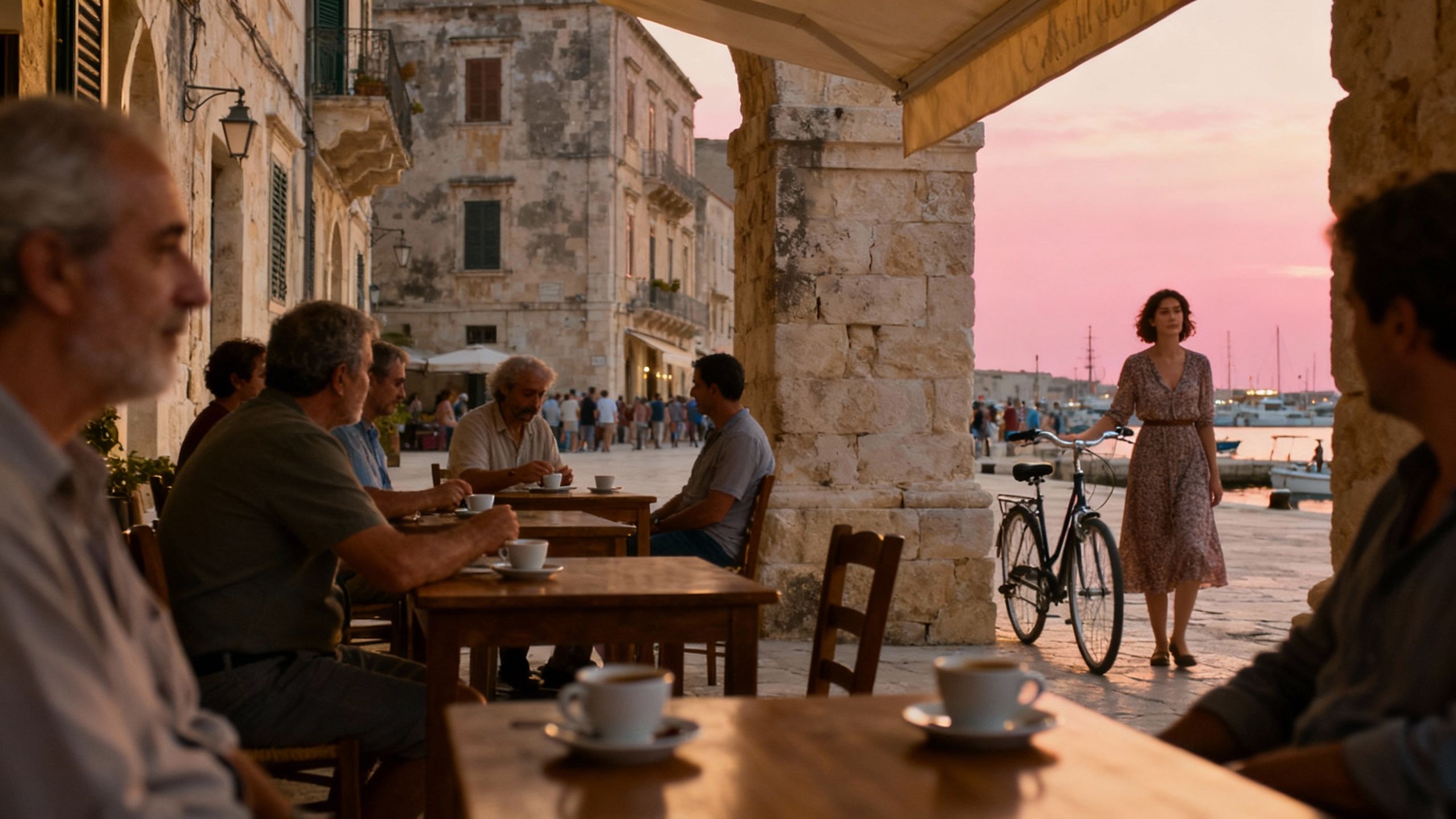
Imagine waking to the smell of strong espresso on Strait Street, walking past limestone façades cooled by morning shade, and ending the day with fishermen’s braised lampuki on a harbour terrace. Malta is compact enough to make such routines habitual, and its urban centres fold history, sea and modern life into a single, walkable day.
Living the Malta Lifestyle — urban, compact, sea‑framed
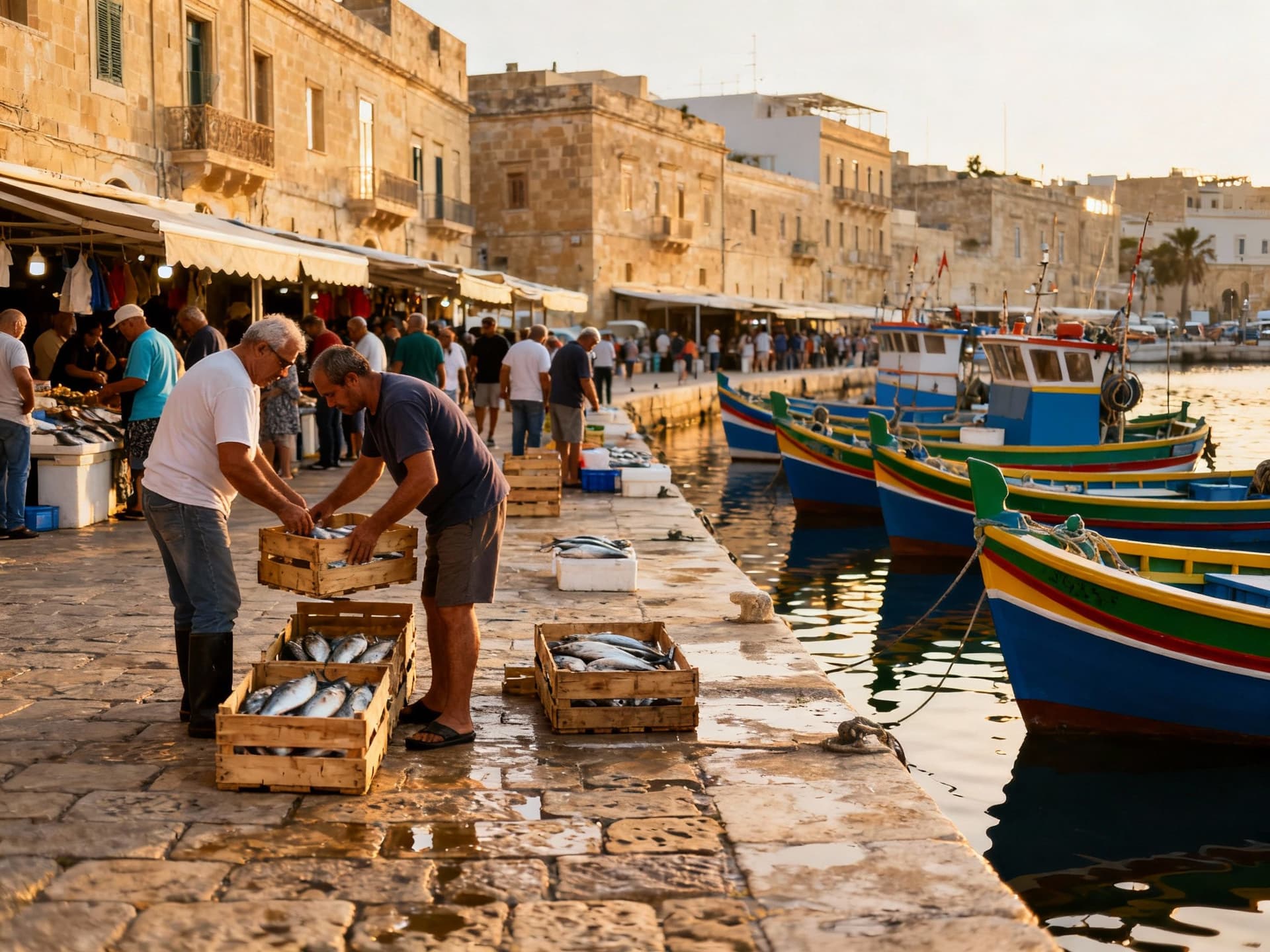
Day-to-day life in Malta moves at Mediterranean pace and urban proximity. Valletta’s grid and narrow streets concentrate cafés, museums and small grocers; Sliema and St Julian’s pulse with cafes and yacht harbours; Mdina and Rabat offer quieter, inland rhythms. Recent official data shows price momentum across residential types, a reminder that lifestyle choices interact directly with market forces.
Valletta & The Three Cities: history meets compact living
Living in Valletta is to live inside a UNESCO-sized postcard: limestone courtyards, quiet early mornings, and evenings that feel like a continuous cultural programme. The Three Cities—Birgu, Senglea, Cospicua—offer harbourside terraces and a calmer, local neighbourhood feel. Properties here are often period floors or restored townhouses; expect heritage constraints and restoration costs alongside unmatched location value.
Sliema, St Julian’s & Gzira: coastal urban energy
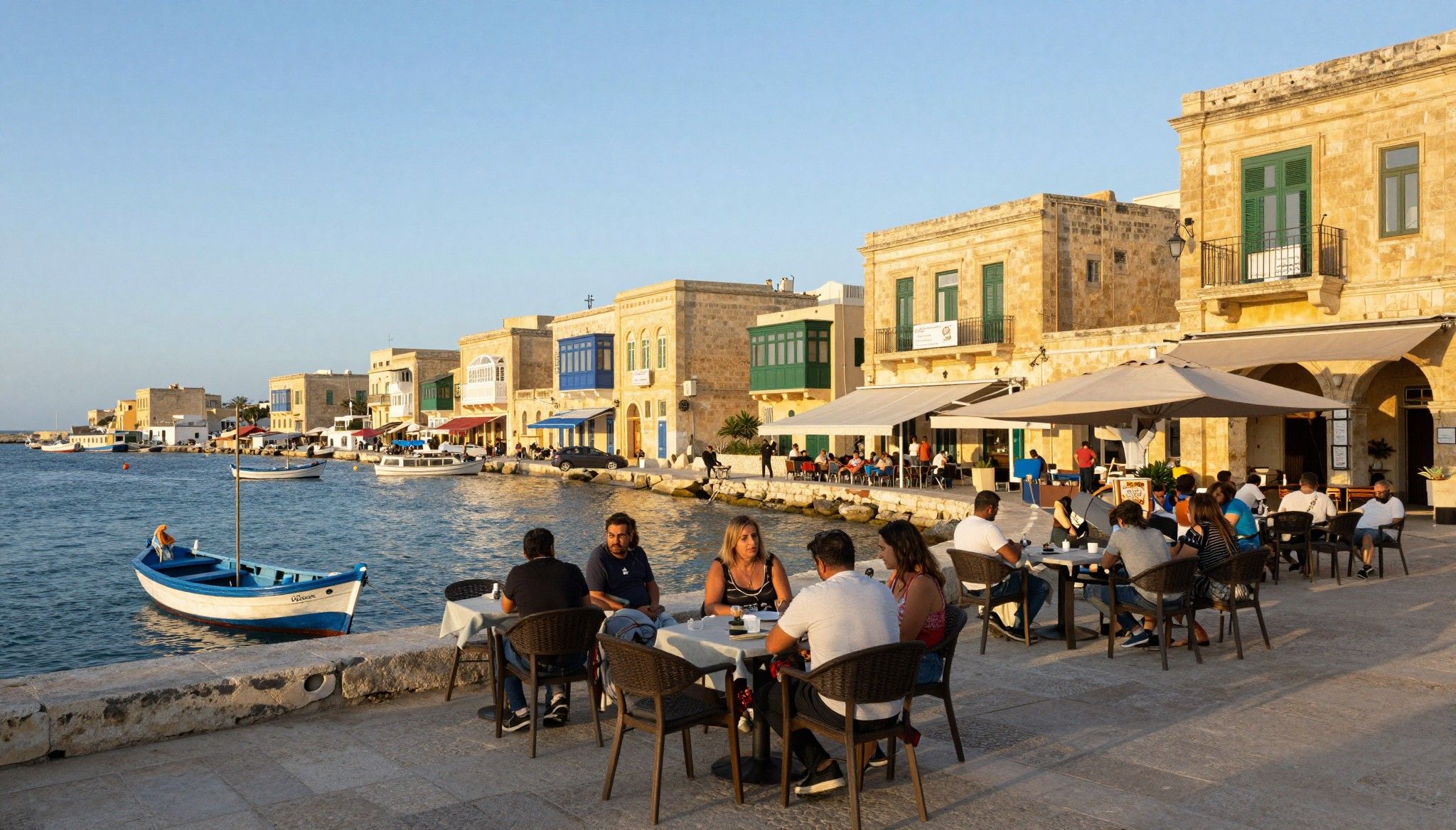
If you want cafés spilling onto promenades, evening promenades and modern apartments with sea views, Sliema and St Julian’s deliver. Gzira sits between both, offering smaller streets and a local rhythm. These neighbourhoods are popular with expats and short‑stay demand; the result is strong rental interest but also seasonal density that affects lifestyle in summer months.
- Lifestyle highlights: Valletta’s theatre nights, Sliema promenade espresso, Marsaxlokk fish market Sundays, Dingli cliffs sunset walks, Paceville nightlife pockets, hidden quiet courtyards of Mdina.
Making the move: lifestyle choices that should shape property decisions

The impulse to buy by view or by neighbourhood brand is strong in Malta. But lifestyle intent—daily routine, proximity to schools or marinas, and tolerance for tourist season—should determine property type. Choose a townhouse if you value shade and courtyard life; take an apartment in Sliema for easy cafés and commuting; prefer a maisonette for terraces and private outdoor life.
Property styles and how you’ll actually live in them
Malta’s common types—period townhouses, modern apartments, maisonettes—each shape routines. Townhouses need maintenance and offer privacy; apartments grant convenience and amenities but often limit outdoor private space; maisonettes strike a middle ground with terraces that extend living outdoors. Factor in summer heat when assessing insulation, shutters and roof terraces.
Working with agents who understand life, not just listings
- 1) Ask agents for street-level examples of daily life near listed properties; 2) Request recent utility and maintenance records for older homes; 3) Confirm holiday‑rental history if you plan to let; 4) Check planning constraints on rooftop use and restorations.
Insider knowledge: what expats wish they’d known
Expats often arrive charmed by streets and sea but surprised by three realities: the pace of bureaucracy, the prevalence of micro-climates between bays and valleys, and the impact of short-term tourism on some neighbourhoods. Those who plan for these factors integrate faster and turn properties into sustainable homes rather than seasonal investments.
Language, community and everyday integration
English is an official language in Malta, which lowers the barrier for daily life. Still, learning Maltese opens doors to deeper local networks—neighbourhood festa committees, local clubs and small businesses. Join community markets in Marsaxlokk or volunteer at a local festa to find neighbours who'll tell you the practical, unadvertised things about drainage, parking and local tradespeople.
Long-term lifestyle maintenance and neighbourhood change
Expect neighbourhoods to evolve. Areas that were quiet five years ago can see new developments and denser rental flows. Use official indices to understand price momentum, then layer local knowledge—planned shoreline projects, conservation orders, and short‑term rental patterns—to estimate how your chosen area will feel in five years.
- Practical red flags: questionable renovation permits, unclear communal maintenance records, high seasonal noise near nightlife hubs, unusually low utility usage (a sign of vacancy), and sellers who push 'historic charm' without a full condition report.
- Step-by-step: how to align lifestyle with a safe purchase 1) Define daily routines (commute, cafés, schools) and map 3 candidate streets; 2) Visit at multiple times (weekday morning, weekend evening, mid‑August) to sense seasonality; 3) Request vendor utility and maintenance records; 4) Commission structural and moisture surveys before offer; 5) Verify planning history and permitted works.
Two broader realities for international buyers: official data confirms ongoing property-price rises in 2024–2025, and recent legal scrutiny of investor‑citizenship schemes has changed how some purchasers think about buying solely for fast residency. For lifestyle buyers who want community, that change is a net positive—less speculative inventory, more homes occupied year‑round.
Conclusion — fall in love, then do the homework
Malta sells a life: sea on the doorstep, small‑city convenience, and festivals that animate entire neighbourhoods. If you want that life, start with sensory visits and street‑level checks, then bring local experts who translate lifestyle wants into legal and technical protections. The right agency turns imagined afternoons into reliable routines.
Norwegian market analyst who serves Nordic buyers with transparent pricing and risk assessment. Specializes in residency rules and tax implications.