Milan, Genoa, Naples: The Urban Trade‑Offs You Didn't Expect
Practical, sensory comparison of Italy’s urban hubs — where neighbourhood life, rental yields and regeneration create unexpected value.

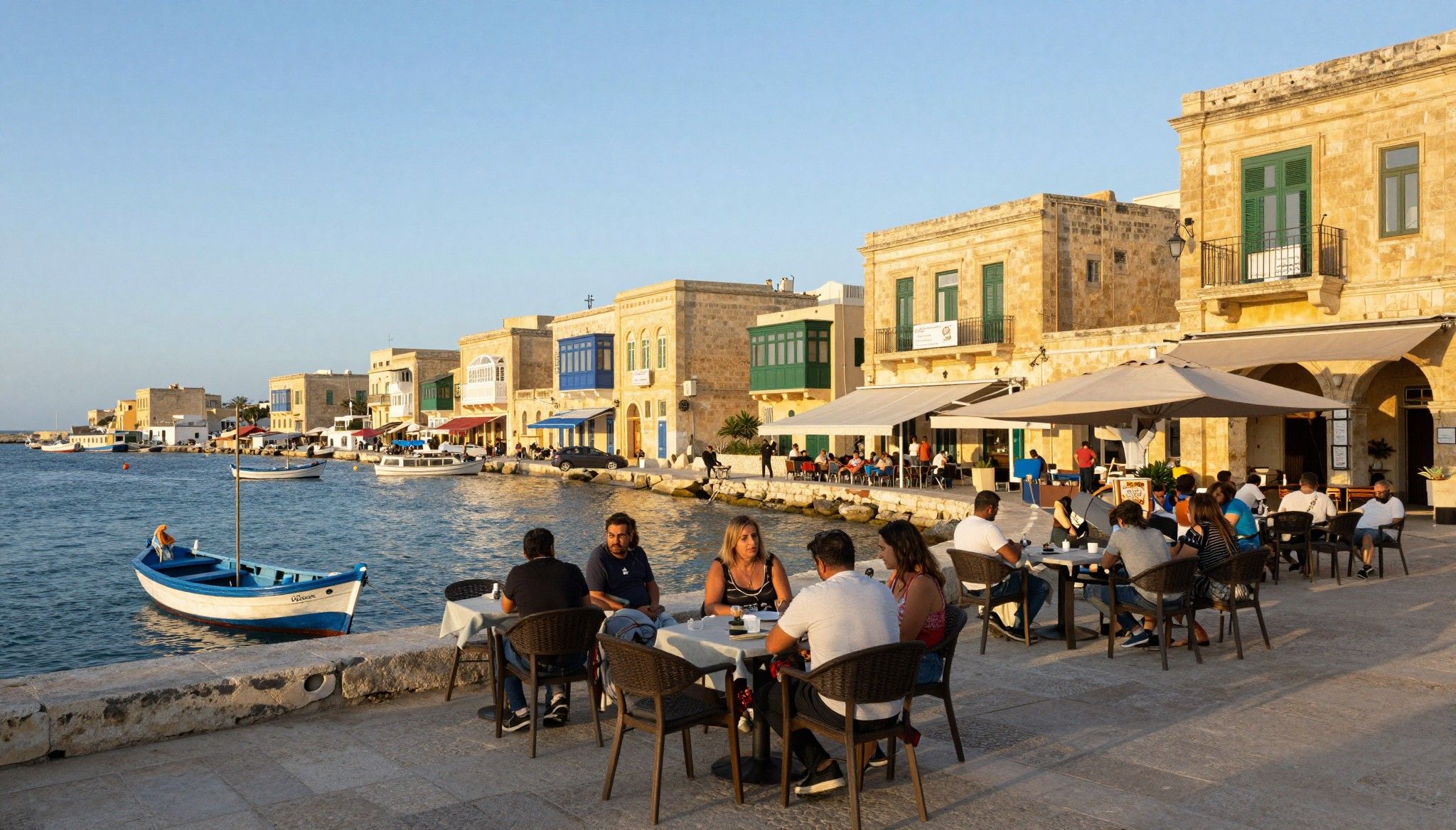
Imagine stepping out at 8am to pick up a brioche in Porta Romana, Milan, then hopping a tram to a waterfront aperitivo in Genoa by dusk — the urban life in Italy folds together centuries of ritual and effortless everyday pleasure. For many international buyers, that rhythm is the point. But the trade-offs between price, lifestyle and long-term value across Italy’s cities are not what most travel articles tell you.
Living Italy’s city life — more sensory than status
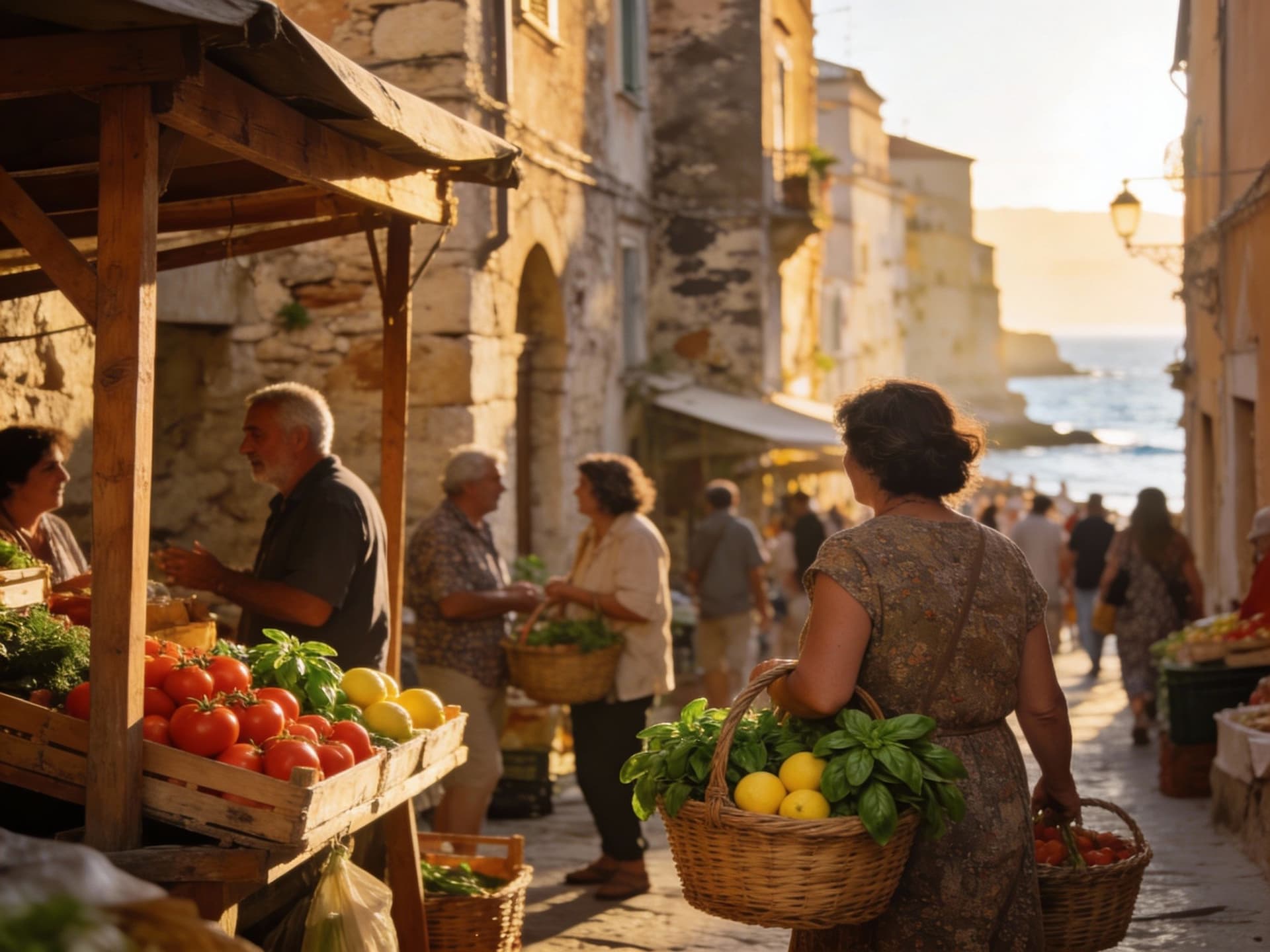
Italy’s great cities feel lived-in rather than staged. In Rome you hear church bells, scooters and market vendors; in Milan you feel the geometry of wide boulevards and late-night aperitivi; Naples smells of espresso and fried street snacks with the sea in the distance. These are places where a piazza is both living room and theatre — and where the quality of neighbourhood life matters more than the headline price per square metre. Official data shows prices moving modestly year-on-year, but the local experience you buy into is what really changes your daily life. (Source: Istat HPI Q1 2025).
Neighborhood spotlight: Milan — Porta Romana to Brera
Porta Romana gives you a weekday coffee culture, short walks to parks and better value than central Brera; Brera gives you galleries and cobbles but comes at a premium. If you want culinary energy mixed with quick international connections, aim for neighborhoods close to the Centrale or Navigli tram lines — you’ll pay more for convenience, but you’ll also live like a local without sacrificing access.
Neighborhood spotlight: Genoa and Naples — reappraised
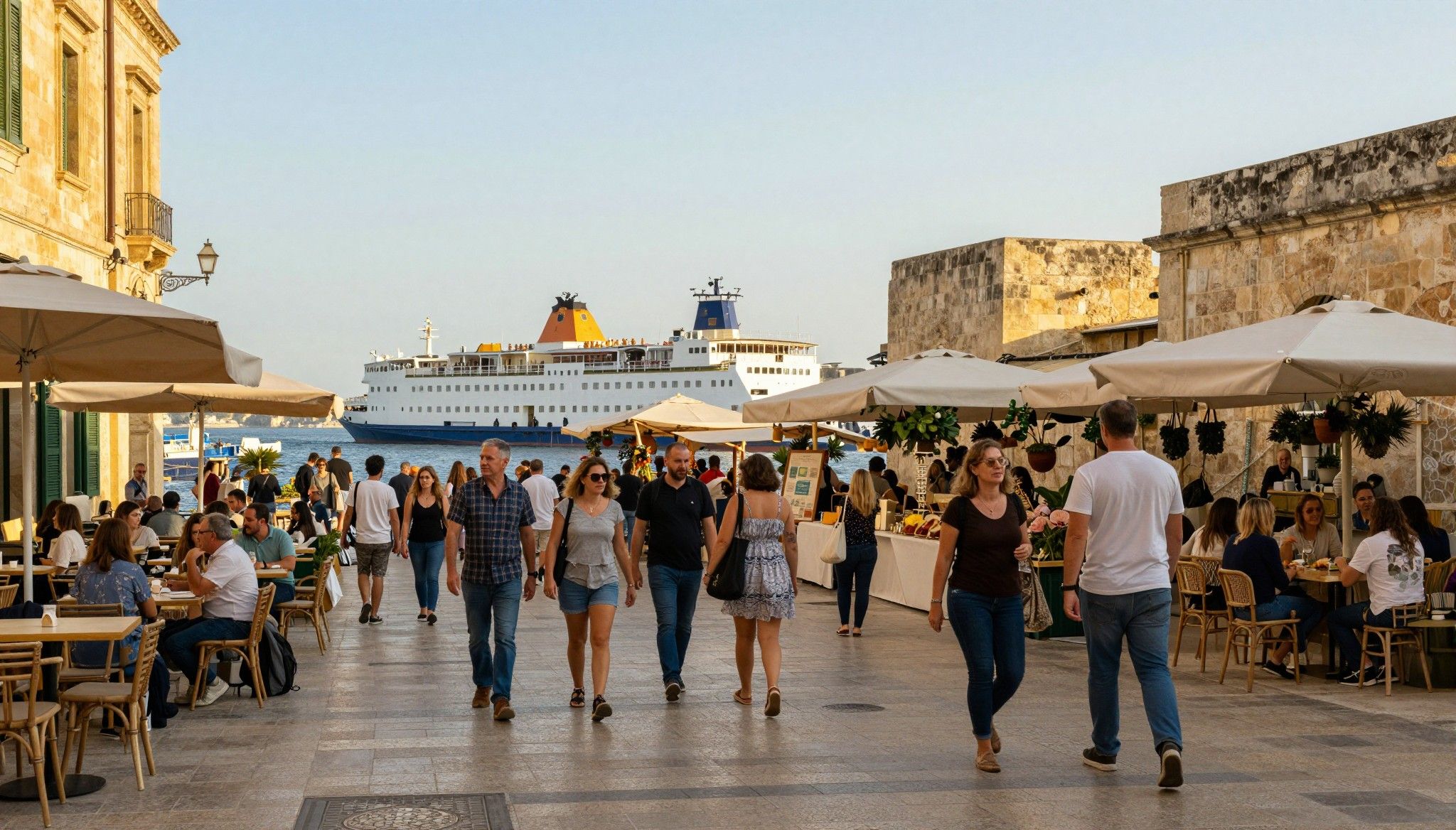
Genoa’s waterfront and patchwork hills are undergoing slow, resilient regeneration that gives international buyers the chance to own spaces with dramatic character at lower entry prices than Milan. Naples, meanwhile, combines historic centre intensity with lower rents and surprising rental yields — if you’re prepared to accept a more chaotic, authentic urban life. Both cities reward curiosity and local partnership more than a quick flip. (See reporting on regeneration and market interest.)
- Lifestyle highlights to test in each city
- Milan — Aperitivo on Navigli, Sunday walk at Parco Sempione, neighbourhood trattorie in Isola
- Rome — Morning market at Campo de' Fiori, evening passeggiata to Trastevere, tiny artisan bakeries in Testaccio
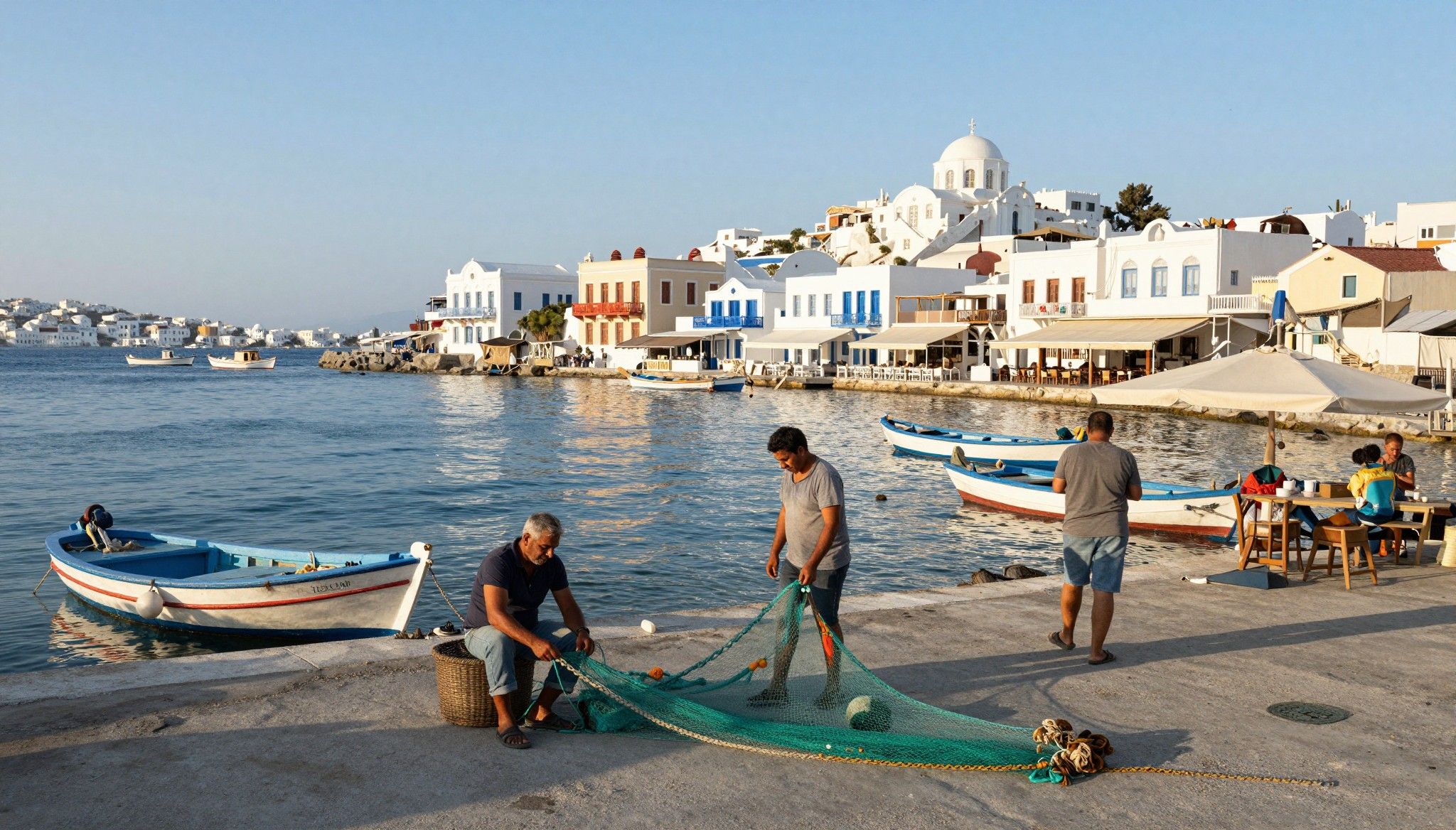
- Genoa/Naples — Harborfront fish markets, rooftop terraces with sea views, local bars where everyone knows your name
Making the move: how lifestyle shapes what you buy

Dreams drive the shortlist — the quiet courtyard, the terrace with a view — but pragmatic choices determine whether that dream lasts. Know which city gives you what: Milan trades price for access and higher-quality stock; Rome trades grandeur and tourism for uneven neighbourhood affordability; smaller hubs like Genoa offer character and renovation opportunities. National-level rental yields and city differentials matter if you want income as well as lifestyle. (Rental data: Global Property Guide).
Property types: historic flat, modern loft, or renovated palazzo?
A 19th-century Roman flat can feel like living inside history but usually needs works for heating and insulation. Milan’s newer stock or converted industrial lofts cost more upfront but often need less immediate investment. Genoa and Naples reward buyers who embrace renovations; local craftsmen are part of the lifestyle you’re buying. Choose the fabric of daily life — tiles, shutters, balcony — not just square metres.
Working with local experts who understand the life you want
Agencies that specialise by neighbourhood — not just city — will save you weeks of false leads. Good local partners know where the morning markets still run, which blocks are quiet at night, and which apartments have legal quirks. They’ll also help align your lifestyle wish-list (terrace, elevator, bike storage) with realistic budgets and renovation timetables that fit local building rules. Use an agent who can show long-term lived experience, not just listings.
- Steps to match lifestyle to purchase
- Define a daily routine you want (commute time, cafes, weekend escapes) and shortlist neighbourhoods that fit.
- Visit at different times: a Saturday morning market, a weekday evening, and a quiet early Sunday.
- Ask agents for three comparable sales and renovation estimates — signage often masks the true condition.
Insider knowledge: what expats wish they’d known
People underestimate seasonality and neighbourhood micro-economies. Prices can be stable nationally while pockets accelerate because of a new office, rail link, or cultural project. Istat’s releases show modest national movement but hide vibrant local stories — a high-speed rail link or a regeneration plan can change a neighbourhood within two years. That’s where you find real opportunity and real risk.
Cultural reality: language, social life and the slow bureaucratic beat
Learning basic Italian will change everything. Neighbours, builders, notaries — all move faster for someone who can listen and joke. Community life is built in bars and markets; show up and you’ll be introduced. Also expect bureaucracy to be deliberate: permit timelines and conservatory approvals can add months. Plan for time and for warm local relationships.
Longer‑term lifestyle realities: what changes after year three
After a few years you’ll notice neighbourhood shifts: cafes turn into co-working spaces, shops change hands, and tax rules for residents can alter the math of renting vs owning. New tax incentives for incoming high-net-worth residents have reshaped demand in Milan, for example. Expect life to evolve — and factor that change into where you buy.
- Red flags locals warn international buyers about
- Unpermitted alterations in older buildings (ask for permits and energy certificates)
- Buildings without proper condominium accounts or pending disputes
- Buying based on weekend impressions — visit mid-week and off-season too
Conclusion: buy the life, not the headline price. Italy’s cities are full of trade-offs — Milan offers access and services, Genoa offers character and upside, Naples offers warmth and yield. The data (Istat, market reports) give you context; local expertise and lived experience give you the edge. Start by visiting the neighbourhood at ordinary times, ask for comparable sales, and work with an agent who knows the streets as well as the numbers.
British expat who relocated to Marbella in 2012. Specializes in rigorous due diligence and cross-border investment strategies for UK and international buyers.