Milan’s Premiums, Rome’s Quiet Value: Street Life vs Ledger
Italy’s cities sell rhythms as much as real estate. Learn where lifestyle and value diverge — data, neighbourhood specifics and actionable checks for confident international buyers.
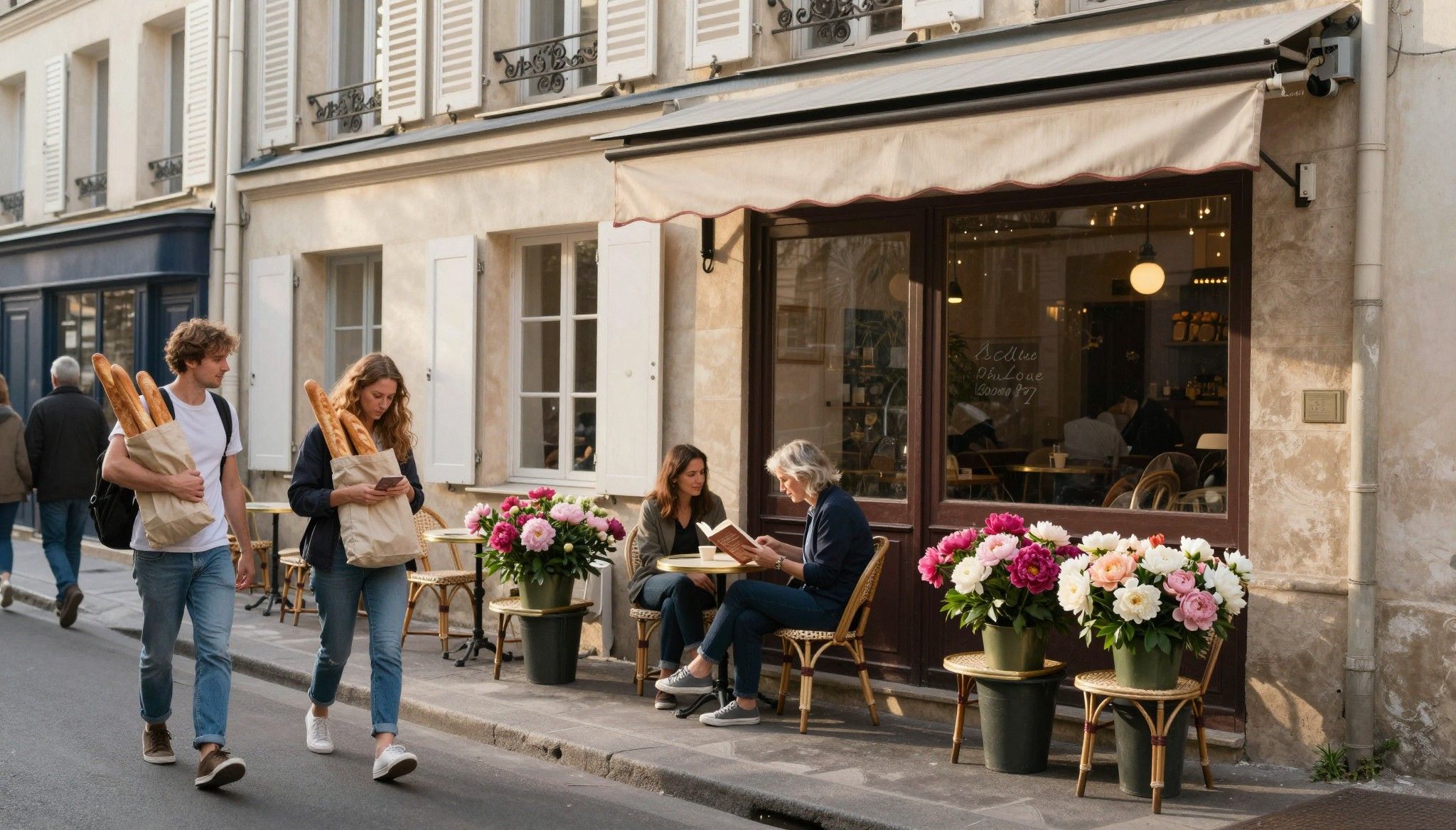
Imagine standing outside a corner café on Via dei Coronari in Rome at 9am. The barista pulls an espresso, a delivery van hums by, and an elderly neighbour chats with a younger professional about upcoming festivals. Italy’s cities move at multiple speeds: slow mornings, animated late afternoons, decisive planning seasons. That rhythm is the first currency international buyers must understand — the second is data. Recent market analysis shows sharp contrasts between Milan’s record‑high pockets and quieter value pockets elsewhere; context changes everything for a buyer dreaming of city life in Italy.
Living the Italian urban life
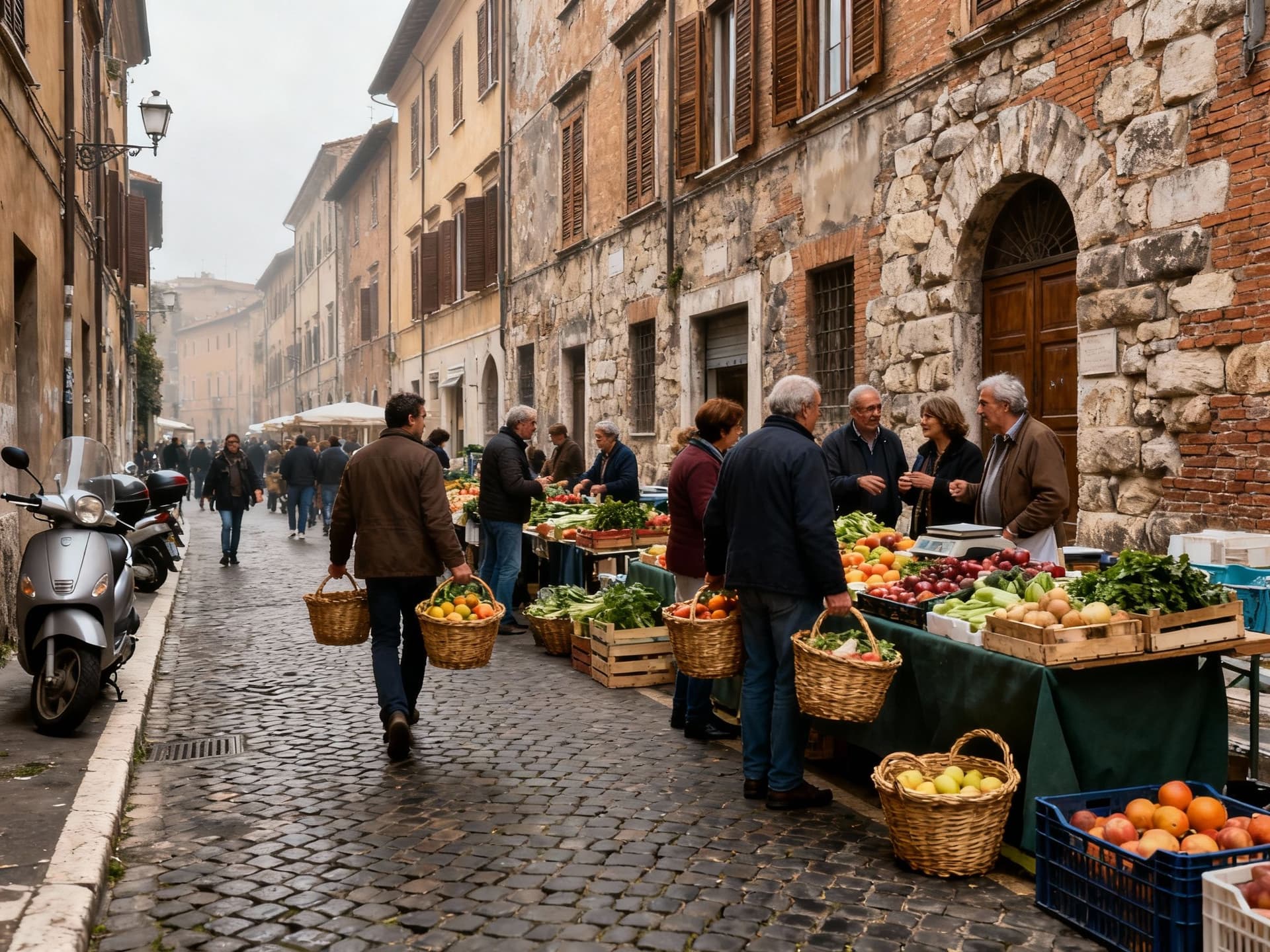
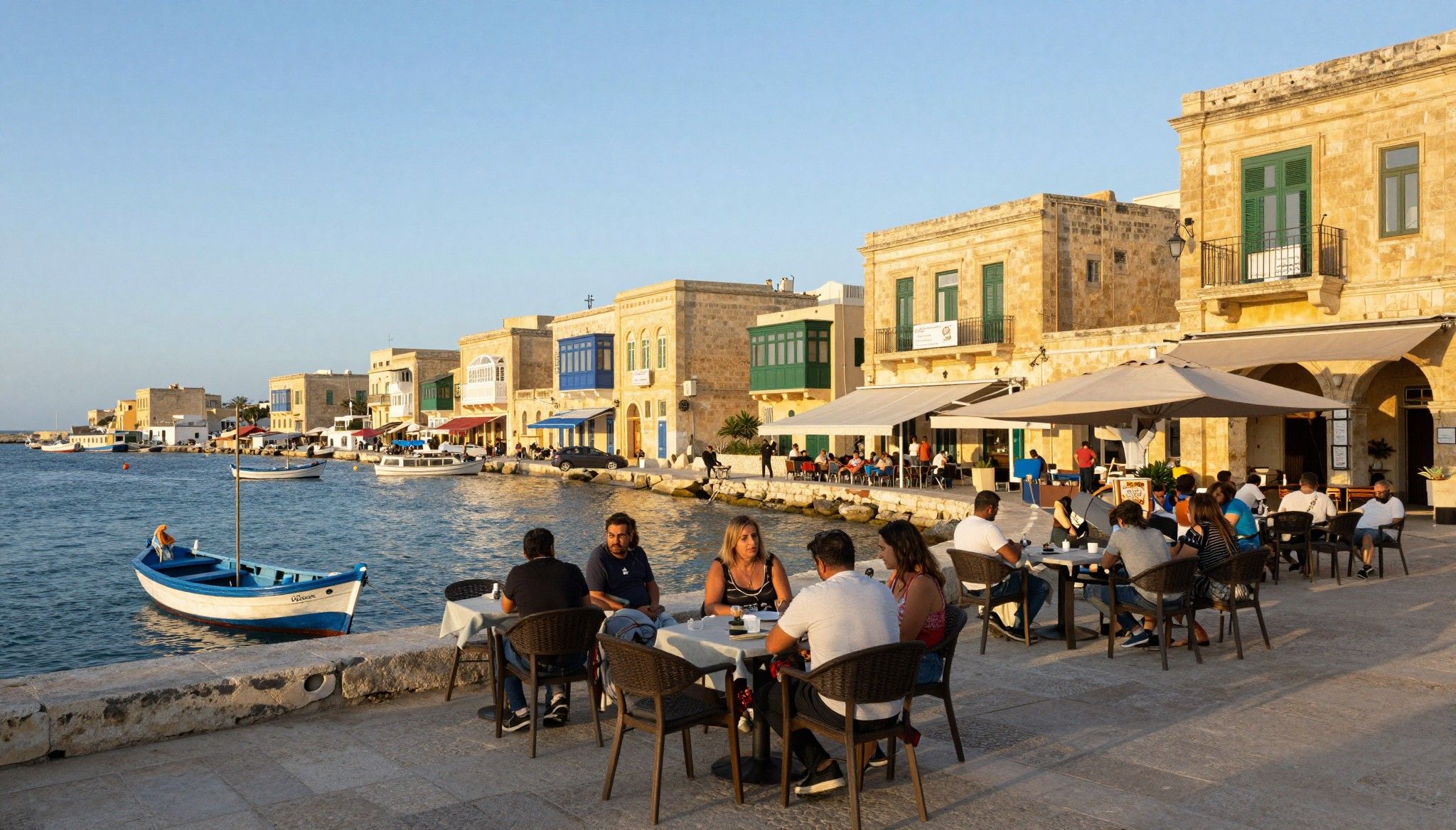
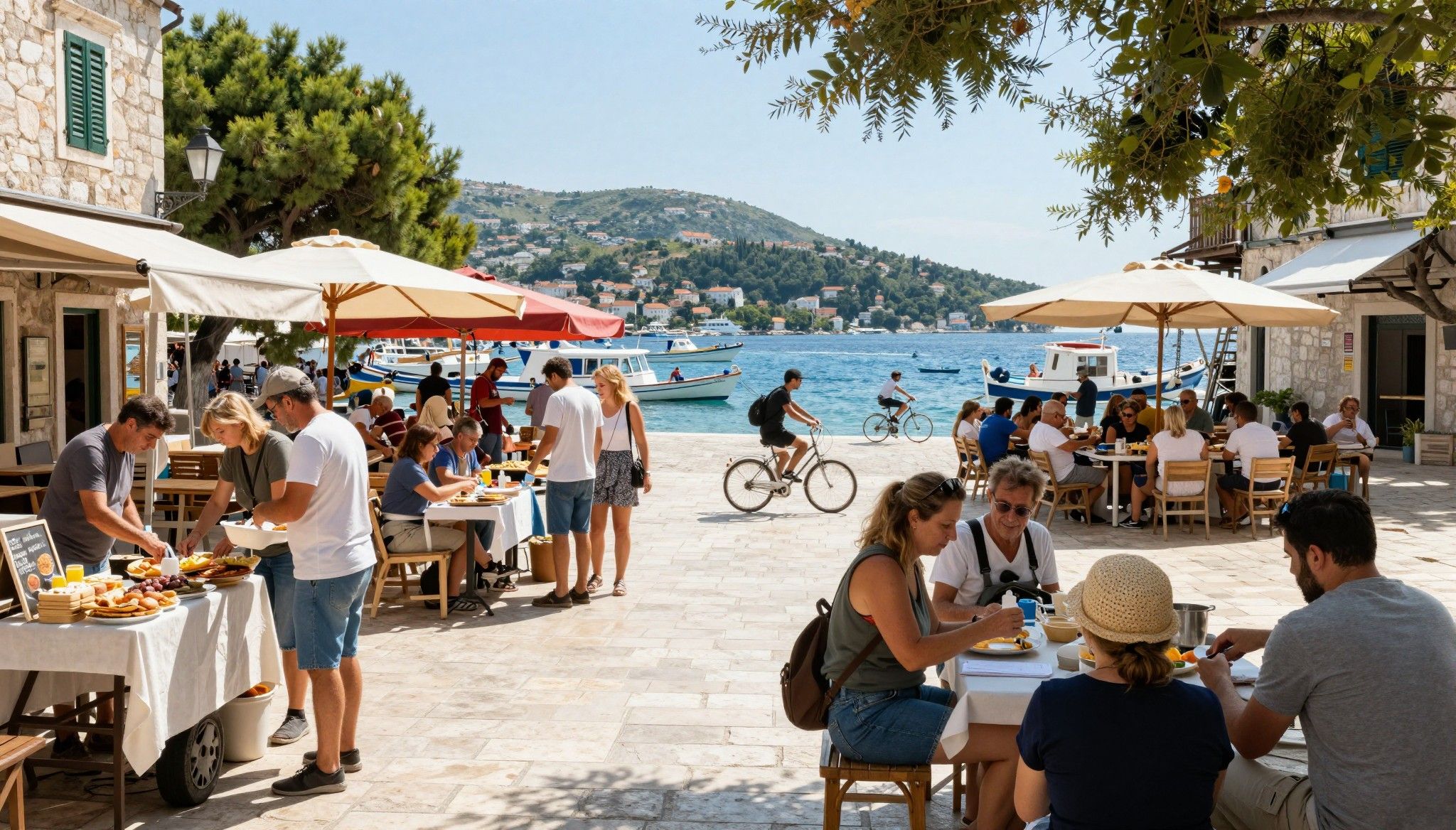
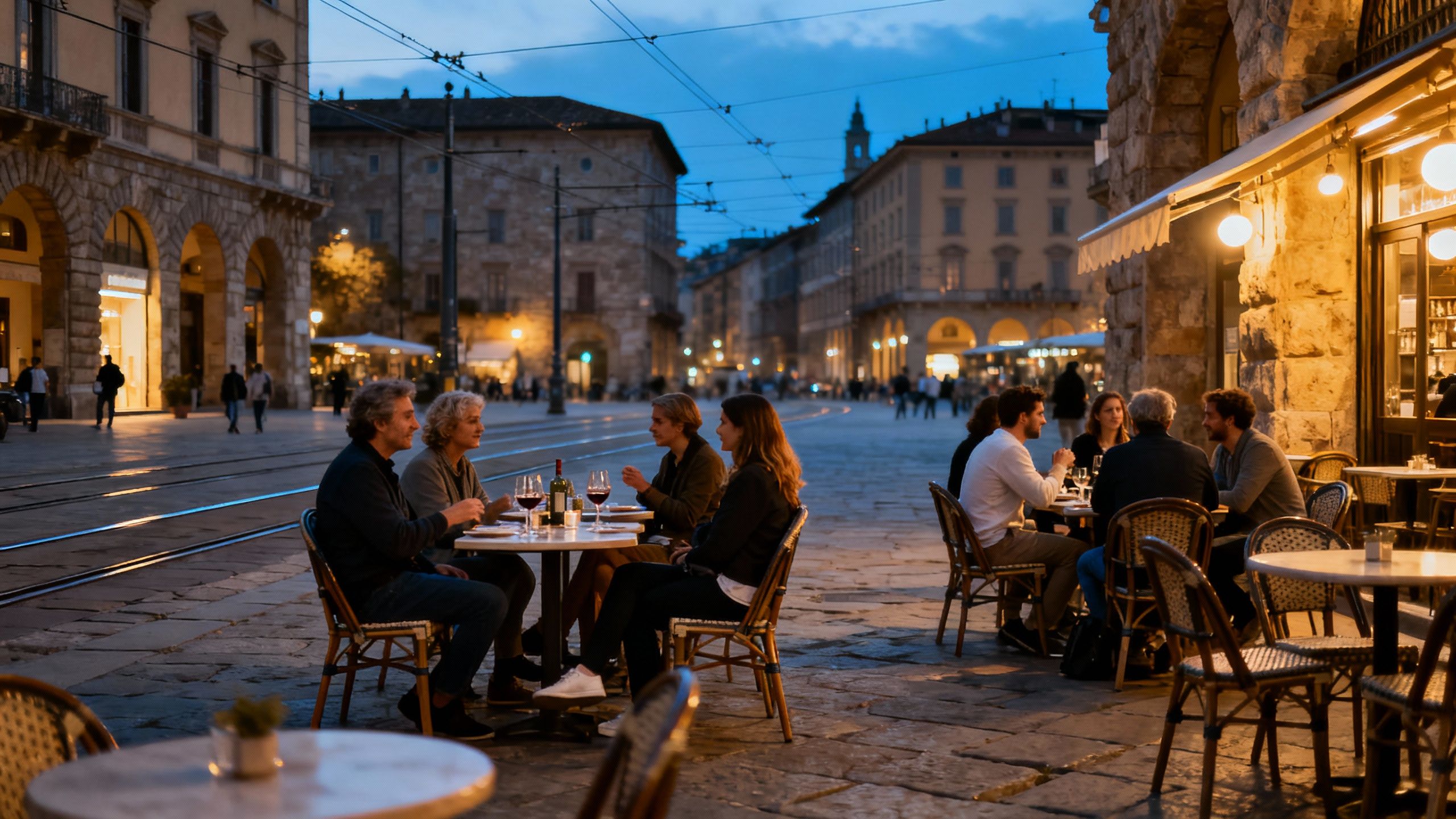
City living in Italy is sensory and practical at once: narrow streets that funnel conversations, weekly markets where you buy produce by weight and relationship, and neighbourhood squares that serve as informal living rooms. Milan’s Navigli hum with aperitivo crowds; Rome’s Trastevere still keeps weekday market stalls and late‑night trattorie; Bologna’s Quadrilatero is workaday charm with a student pulse. These are not postcards — they are the routines you buy into, and they shape what type of property makes sense year‑round.
Milan: measured modernity and immovable premiums
Milan feels efficient. Streets like Via Manzoni and Brera’s tucked lanes trade history for boutiques and late‑night bars for design studios. Expect polished cafés at every corner and commutes that favour fast public transport over car dependency. That convenience has a price — central averages surpass many Italian cities — but it also buys you liquidity, international services, and strong long‑term demand. For lifestyle seekers who value easy international flight links and a vigorous professional scene, Milan often justifies its premium.
Rome & Naples: layered history, seasonal heartbeats
Rome’s streets — Via dei Coronari, Monti, Testaccio — fold history into everyday life. Prices are softer than Milan in many quarters, and that gap is drawing investor interest as public projects and a loosening of local bureaucracy reshape opportunity. Naples and its Chiaia quarter offer a different rhythm: dense street life, strong local networks, and pronounced seasonality. These cities reward buyers seeking texture and authenticity but require patience with bureaucracy and renovation realities.
Making the move: property types that match how you’ll live
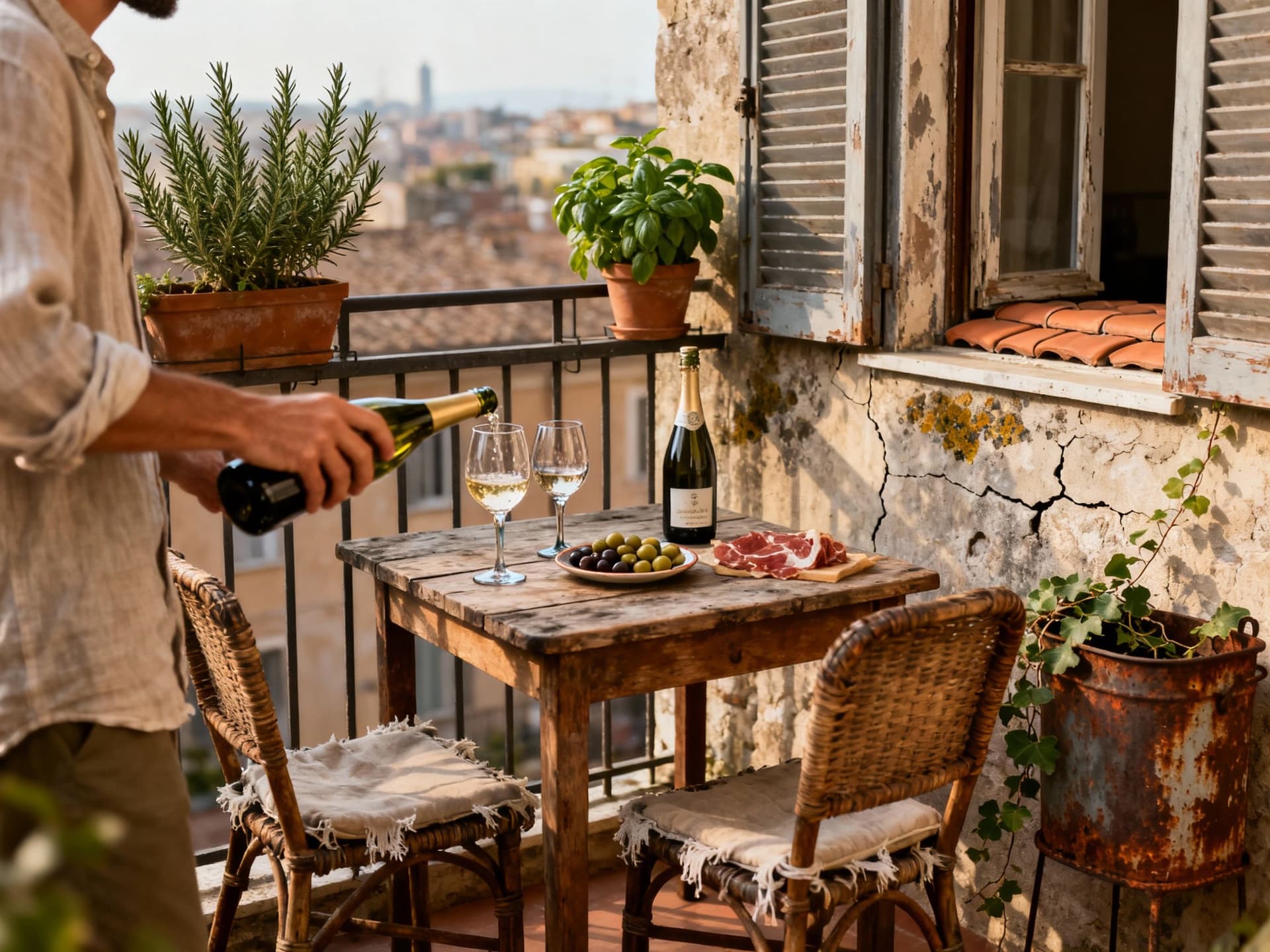
Choosing an apartment, a restored palazzo flat, or a compact canal‑side loft is about daily life as much as investment. In Milan and Florence, modernized apartments near transport hubs suit professionals who travel. In Rome or Bologna, restored units with high ceilings deliver the atmospheric living that many buyers prize. Southern cities and smaller towns offer larger square metres for the same budget and often higher rental yields, but expect different maintenance needs and local market liquidity.
How building type shapes routine
Historic buildings give you thick walls and character but involve stricter renovation rules and higher conservation costs. Newer developments offer elevators, insulation, and warranties — useful if you value low‑maintenance living. Terraced apartments with a balcony will change your day: morning coffee outdoors, neighbourly chats, and easier resale in lifestyle markets. Match property type to how you want to live, not just the headline price per square metre.
Steps to align lifestyle with structure
Make a short list of daily non‑negotiables (commute time, market access, elevator), test them in person during a 48‑hour stay, then compare three properties against those criteria.
Prioritise wiring/plumbing and roof condition in older buildings — these are the frequent ‘surprises’ that eat budgets and patience.
Consider proximity to a trusted local agency or property manager; day‑to‑day life in Italy often depends on responsive local relationships.
Insider knowledge: myths, red flags and practical truths
Myth: ‘Italy is uniformly cheap outside Milan.’ Fact: regional variety is extreme and fast‑moving. Data shows Milan and other northern nodes command premium prices, while southern regions and smaller towns can be strongly underpriced relative to demand. Watch for local administrative backlog, and the frequent mismatch between advertised condition and operative systems (wiring, boilers). These are the items that determine whether life there is effortless or a project.
Cultural cues that change where you buy
Italians treat neighbourhoods as long‑term relationships. In practical terms that means: pick an area where you can imagine repeating the same rituals (market run, café, park) and you will integrate faster. Language helps, but consistent presence and respect for local rhythms (shop hours, riposo, festival days) matter more to daily contentment than a headline property feature.
Red flags to spot on viewings
Damp smells in basements or closets; unclear ownership records; recently altered internal layouts without municipal approvals; repeated short‑term lets in stairwell (noise and wear indicators); and sellers pushing fast cash deals without paperwork.
Italy’s market shows resilience and regional divergence. National figures indicate steady transaction volumes and incremental price rises in major hubs, while yields and opportunity pockets persist in the south and secondary cities. Use official statistics and reputable market reports to benchmark prices in your target neighbourhood before making offers. Local agencies with deep street‑level knowledge are indispensable: they translate data into where the life you want is actually affordable and sustainable.
Practical checklist before making an offer:
1) Confirm cadastral records and ownership chain; 2) Commission an independent condition survey; 3) Estimate running costs (condominium fees, heating, maintenance); 4) Ask whether short‑term letting is common in the building (affects use and wear); 5) Verify projected local infrastructure projects that may change value.
Conclusion: fall for the life, check the ledger
Italy sells a life first and numbers second. Start with the routine you want — the café corner, the weekday market, the ferry at dusk — then test properties against that life. Back every emotional decision with three practical steps: verify records, survey the property, and engage a local agency with proven street knowledge. Do those things and you buy more than a home; you buy a neighbourhood you will recognise tomorrow.
Swedish expat who moved from Stockholm to Marbella in 2018. Specializes in cross-border legal navigation and residency considerations for Scandinavian buyers.