Milan, Rome, Florence: Urban Trade‑Offs That Matter
Compare Milan, Rome and Florence through lived experience and market facts—neighbourhood rhythms, property types, and actionable checks backed by Nomisma and listing data.
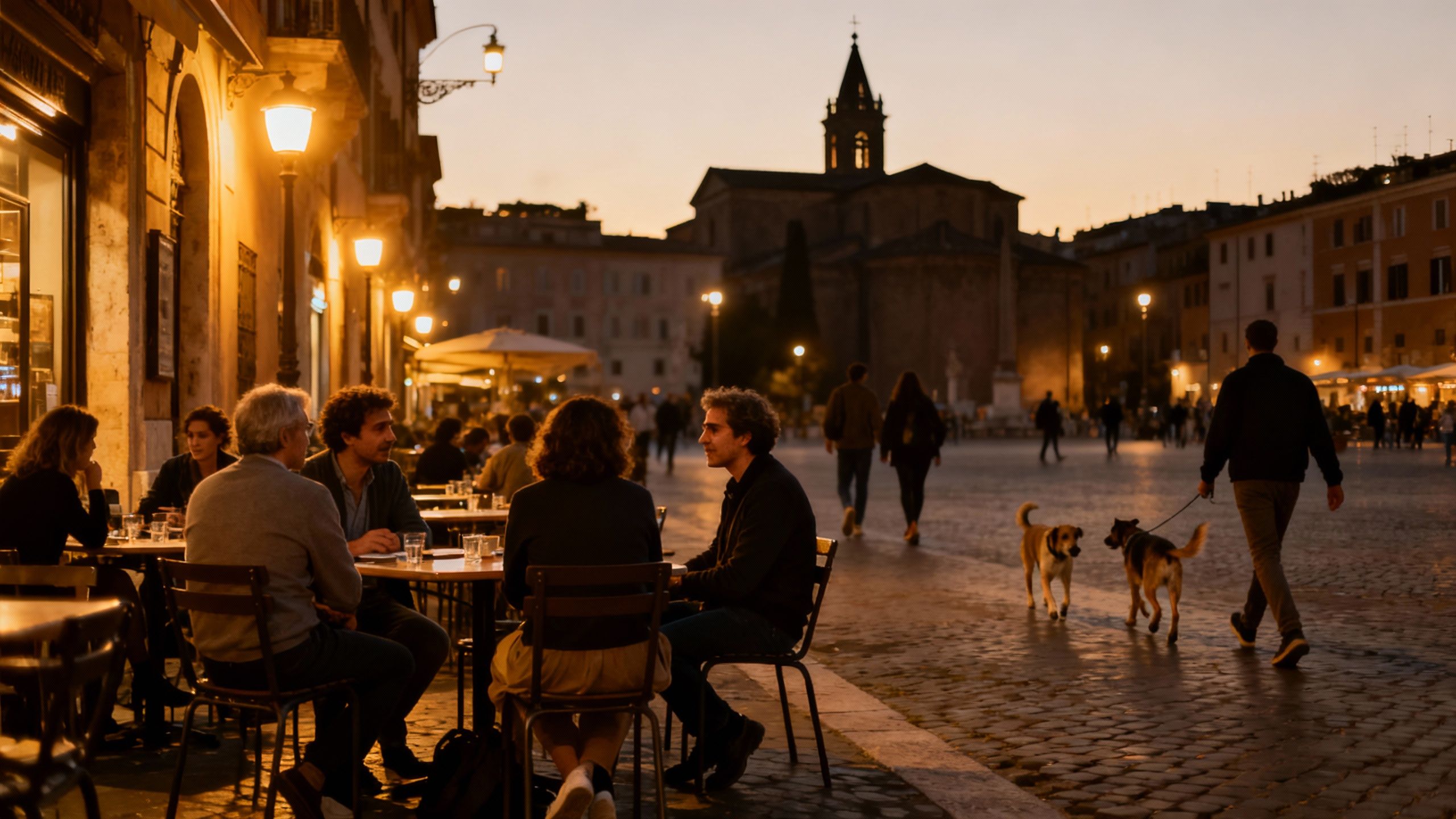
Imagine stepping out for an espresso on a narrow Milanese street, then taking the tram home past renovated factories turned galleries. Picture a Roman evening—aperitivo near Piazza Navona, a different tempo, a different set of compromises. This piece compares the lived experience and practical trade‑offs across Italy’s major urban hubs—Milan, Rome and Florence—so you can match daily life to the property decision that will shape it.
Living the Italian Urban Life
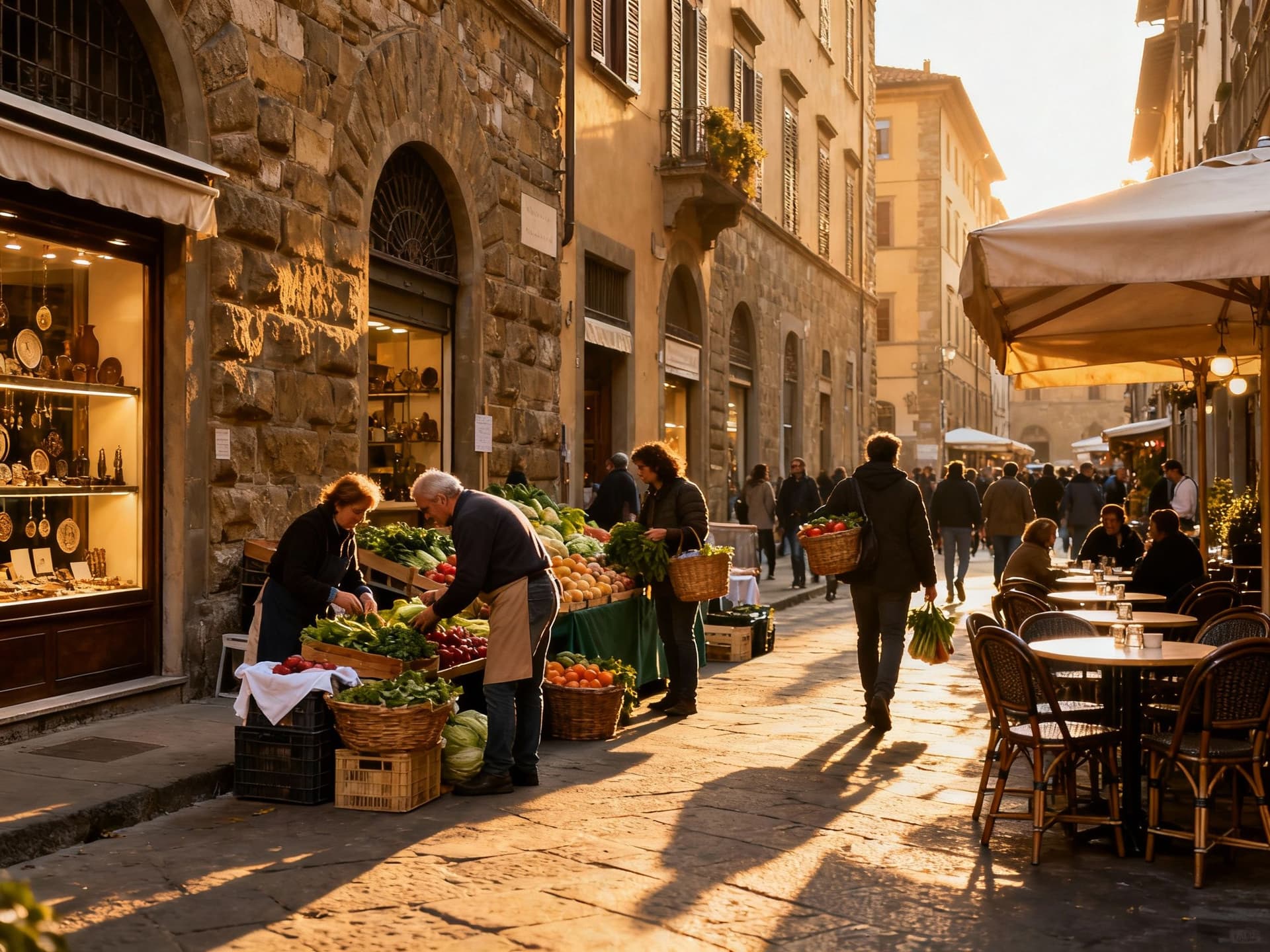
City living in Italy is not a single flavour. Milan moves fast: design shows, late-night restaurants in Brera and Navigli, efficient transit and a clear skyline of new developments. Rome layers history into everyday life—the streets are older, regulations tighter, and neighbourhood rhythms more provincial in parts. Florence feels compact and lived-in: Oltrarno workshops, streets that close early, and a local social life closely tied to markets and craft studios. Prices and rental dynamics are city-specific; recent market reports show modest national price growth but sharp local variation. See national and city data for verification.
Milan: Business, Design and the Faster Pace
In Milan you live around work and culture. Neighbourhoods such as Brera, Porta Nuova and Navigli combine late dining, boutiques and co‑working. The city’s recent tax incentives and international flows have attracted professionals, which pushes premium stock and squeezes historic central apartments. For daily life expect short commutes, good international schooling options, and a high concentration of services—at a price premium compared with many other Italian cities.
Rome: History, Scale and a Slower Tempo
Rome’s appeal is visceral—piazzas, churches and a patchwork of neighbourhoods from Trastevere to San Lorenzo. Life is broader in scale and more household-oriented. Bureaucracy and tighter renovation rules are real factors; successful buyers work with local architects and lawyers familiar with heritage buildings. Prices are generally lower than Milan for comparable central locations, offering space for similar budgets if you accept slower administrative processes.
Florence: Compact, Cultural and Walkable
Florence sells lifestyle in small radius: morning markets at San Lorenzo, studio workshops in Oltrarno, and immediate access to the Tuscan countryside. Expect strict conservation rules in the centro storico, a scarcity of modern stock, and high seasonal tourist demand that supports short‑let income if permitted. For buyers seeking a strong cultural life and compact urban form, Florence rewards with walkability and artisanal neighbourhoods.
- Brera, Trastevere, Oltrarno, and Santo Spirito: lifestyle highlights and local corners to know
Making the Move: Lifestyle‑Led Practicalities
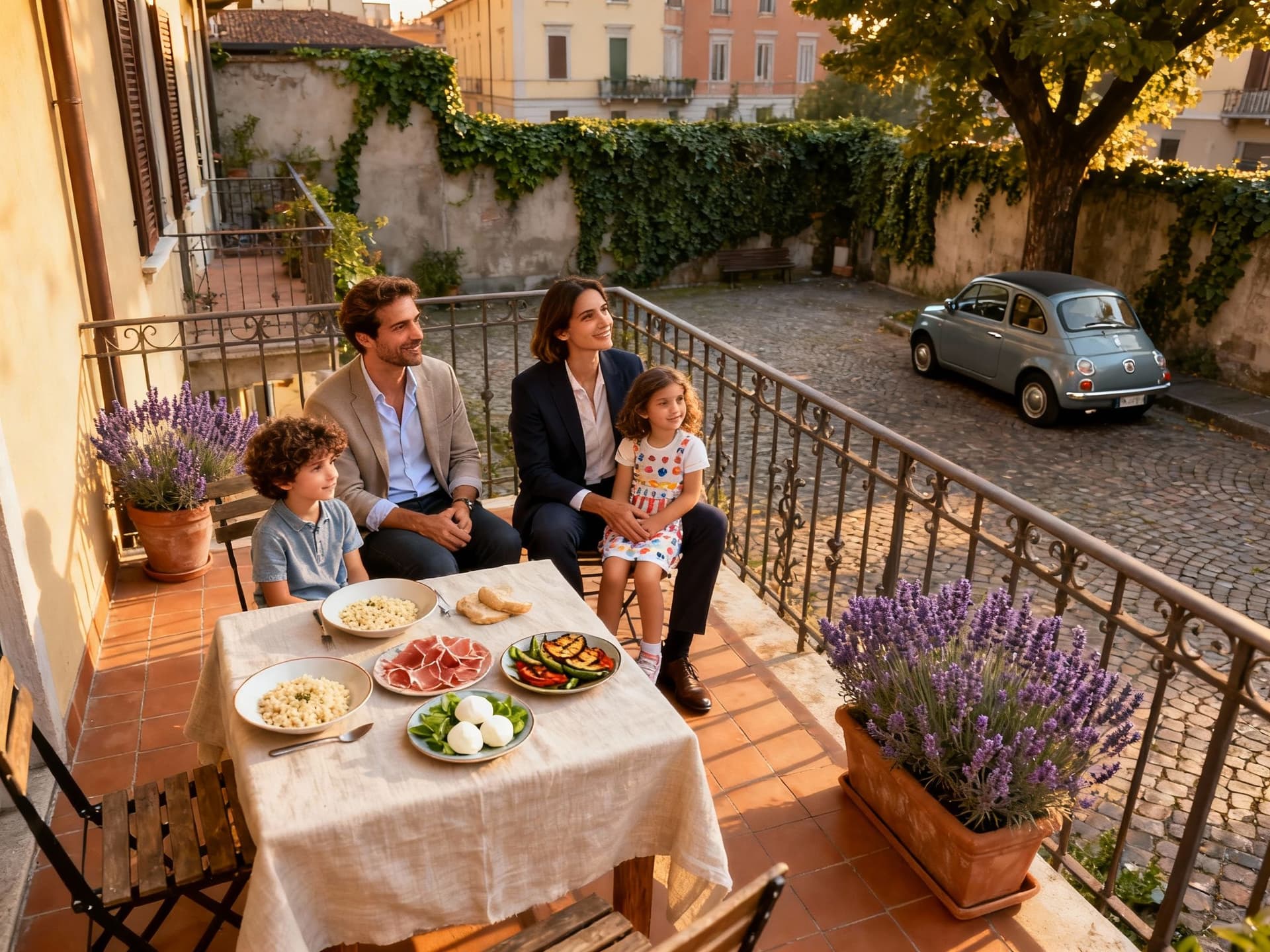
If neighbourhood rhythm drives your choice, let it also shape the property brief. In Milan you may prioritise new builds or converted industrial flats for insulation and lifts. Rome buyers often accept older stock with character but budget for structural work and slower permits. In Florence, conservation rules mean restoration costs are likely—factor that into both purchase price and renovation timeline. Across cities, recent listing data show rising rents in central hubs, which matters if you plan part‑time rentals.
Property types and how they change daily life
Apartments in historic blocks offer volume, location and old‑world details, but often lack parking, air conditioning and modern insulation. New builds add convenience and energy efficiency, important for long‑term running costs and for remote working comfort. Terraced homes near city edges provide gardens and outdoor space, which changes weekend rhythms—less piazza life, more home entertaining. Choose the property type that aligns with routines: entertaining, remote work, family life or rental income.
How local experts translate lifestyle into workable purchases
- Work with an agent who knows local permit timelines, renovation costs and short‑let rules. Ask for recent transaction comps within a single street, not just the neighbourhood. Require references from other international buyers and a checklist covering heritage constraints, seismic upgrades and energy certification (APE). Involve a notary early: they confirm titles and outstanding liens before you sign. These steps reduce surprises and align the property to the life you pictured.
Insider Knowledge: What Expats Wish They'd Known
Expats often underestimate how much daily life is shaped by micro‑neighbourhood differences. Two streets in the same district can have different noise levels, sundays markets and parking regimes. Seasonal life matters: many central streets are lively year‑round in Milan, but in Florence and Rome some blocks quiet dramatically outside tourist season. Practically, this affects rental potential, renovation feasibility and your relationship with neighbours.
Language, customs and community
Learning basic Italian pays off—neighbourhood shops and municipal offices respond faster when you show effort. Social life forms around markets, café tables and church events more than expat meetups in most places. If community integration matters, prioritise districts where families, shops and schools create daily connection rather than tourist footfall. Local networks will help with everything from trusted builders to seasonal rental demand.
Long‑term lifestyle sustainability
Think five‑to‑ten years ahead. Will your chosen street remain serviced by transit improvements? Are energy upgrades and seismic retrofits practical? Cities like Milan are prioritising new development and incentives that attract professionals; Rome’s public investment may lift underutilised districts; Florence will continue to command cultural premium. A measured view of urban planning, not just current charm, protects lifestyle and value.
- Quick practical checklist before you sign: - Confirm recent comparable sales on your street. - Get a provisional energy certificate (APE) and structural report. - Review short‑let regulations for tourist seasons. - Estimate realistic renovation timelines with local trades. - Check parking and condo rules for deliveries and daytime life.
Italy’s urban markets reward buyers who match the daily life they want to the practical realities of property type, neighbourhood rules and seasonal rhythms. Work with local experts who translate market data into a lifestyle plan. If you prioritise design and speed, look to Milan and its new builds; if you want layered history and space for family life, Rome offers scale; for compact cultural intensity, Florence delivers. The next step is a shortlist—three streets, three property types, and two trusted local advisers.
Norwegian market analyst who serves Nordic buyers with transparent pricing and risk assessment. Specializes in residency rules and tax implications.