Skip Summer: The Smart Season to Buy in Greece
Skip the summer glare: autumn and winter viewings reveal Greece’s true urban life and better value — backed by Bank of Greece price trends and local market reports.

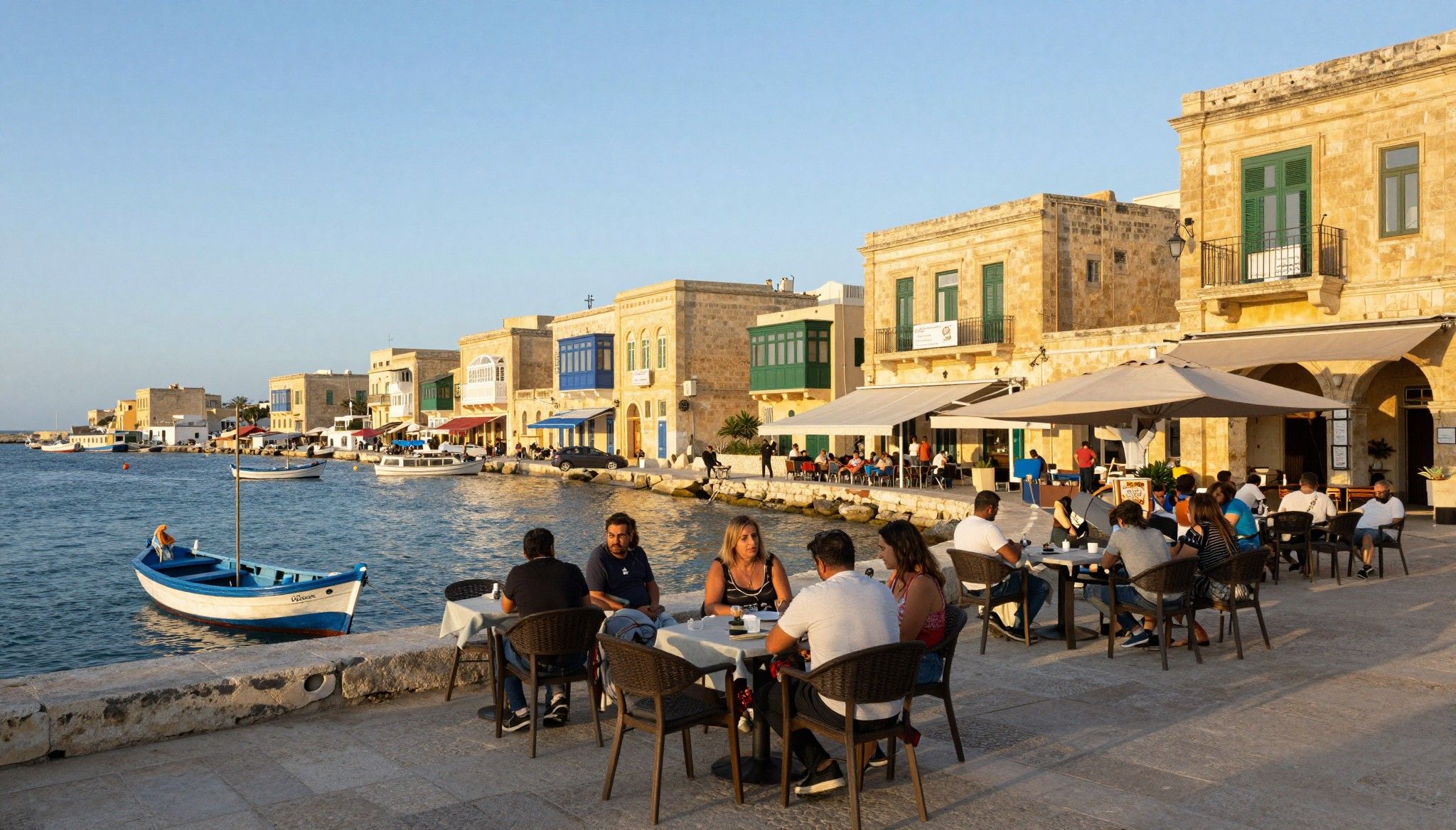
Imagine stepping out at 09:00 to a Koukaki café, the air bright with espresso and sea salt from the bay. That everyday scene is why people fall for Greece — but summer listings and surface impressions can mislead. We’ll show you the season, streets and market signals where the life you want lines up with the smartest time to buy.
Living the Greek urban life — what it actually feels like
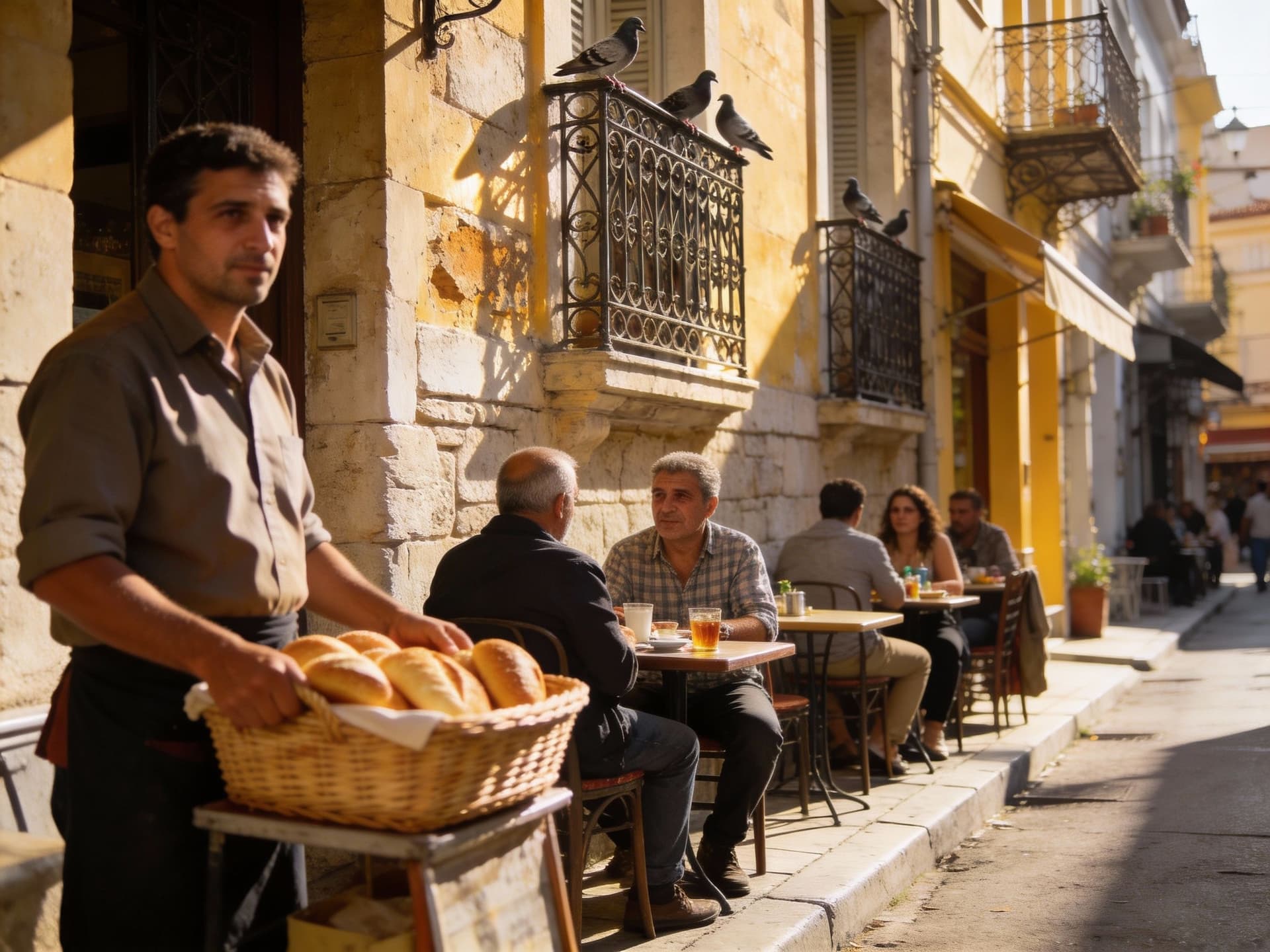
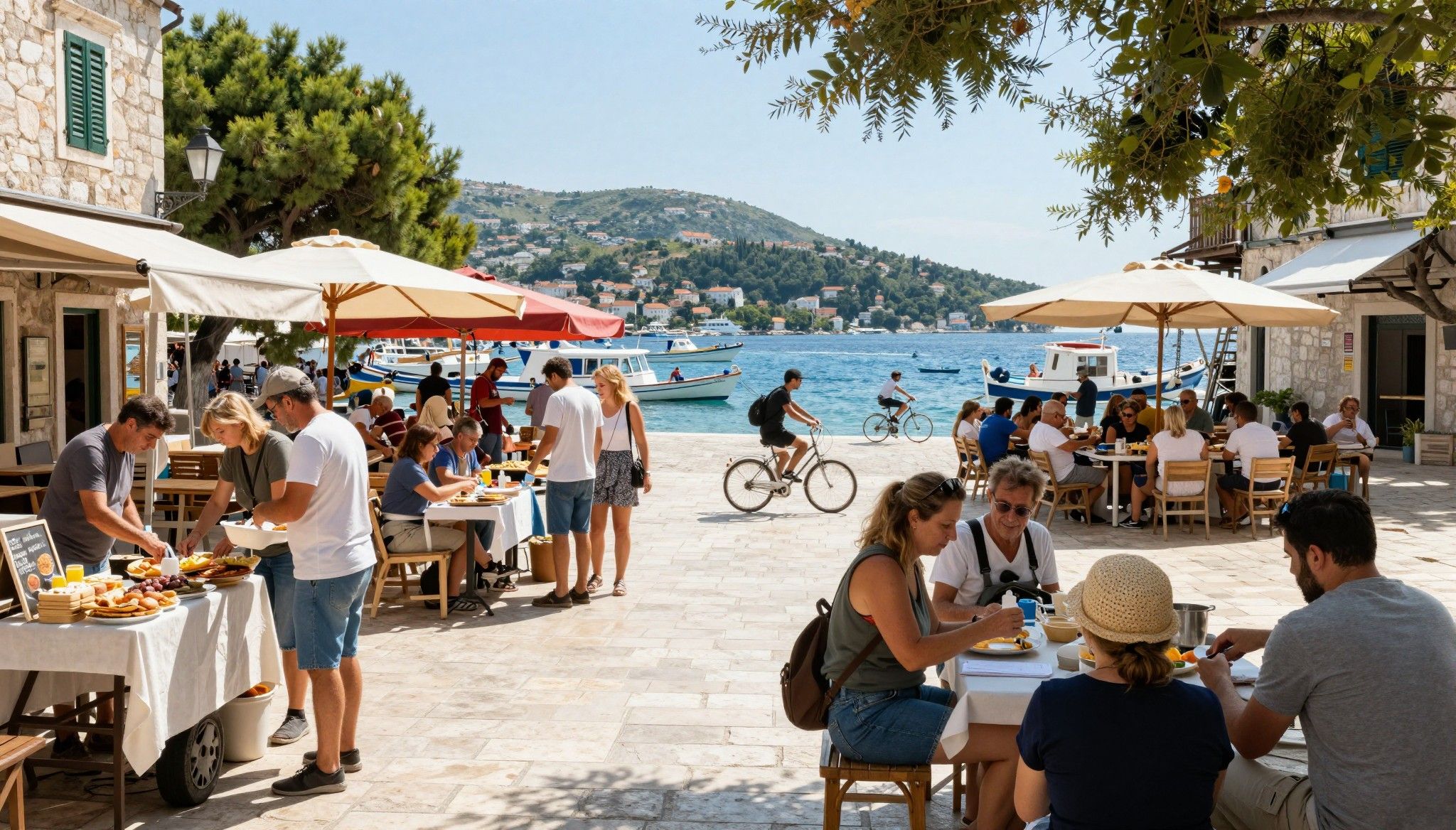
Daily life in Greece’s cities blends slow mornings and lively evenings. In Athens you’ll swap a rushed café for a lingering frappé on a sunlit balcony; in Thessaloniki, markets hum with fishermen selling fresh octopus and bakers bringing out koulouri. The city is seasonal — winters are quieter, autumn and spring brim with festivals, and summer’s tourist pulse reshapes neighbourhood character.
Athens: Koukaki, Pangrati, the Riviera fringe
Koukaki smells of roasted coffee and street food; Pangrati has parks and a local vibe where neighbours still do weekly markets. Further south, Glyfada and the Athens Riviera trade city convenience for beaches and modern developments like Ellinikon — new projects that have rapidly changed demand and price dynamics along the coast.
Thessaloniki & other urban hubs: Ano Poli to the waterfront
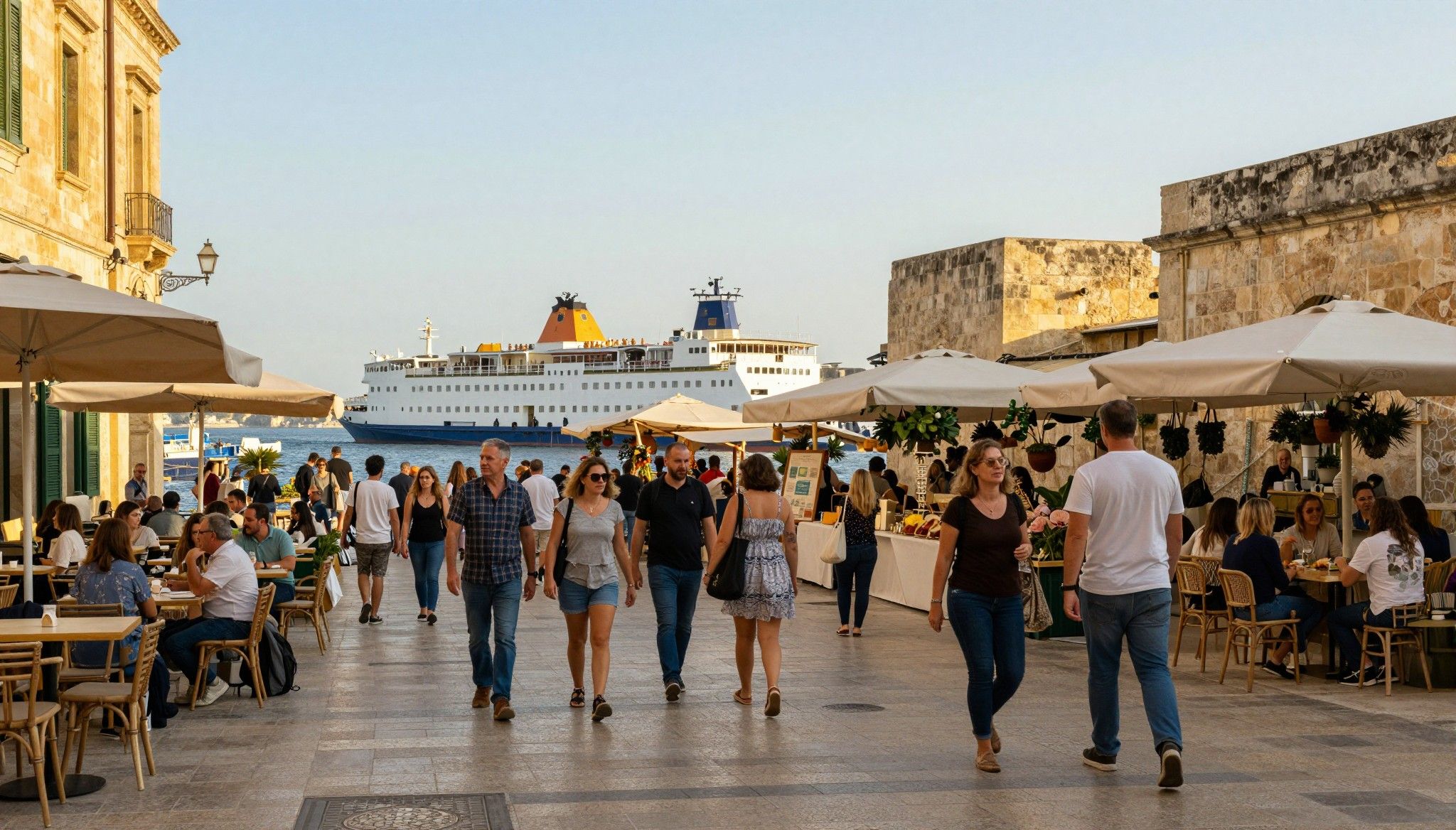
In Thessaloniki, Ano Poli’s narrow streets contrast with the waterfront’s cafés and nightlife. Secondary cities like Heraklion and Patras combine university life with port economies — useful if you want affordability without sacrificing urban services. Each centre has its rhythm; locals choose by commute, market, and where friend networks gather.
Making the move: when the market helps (and when it doesn’t)
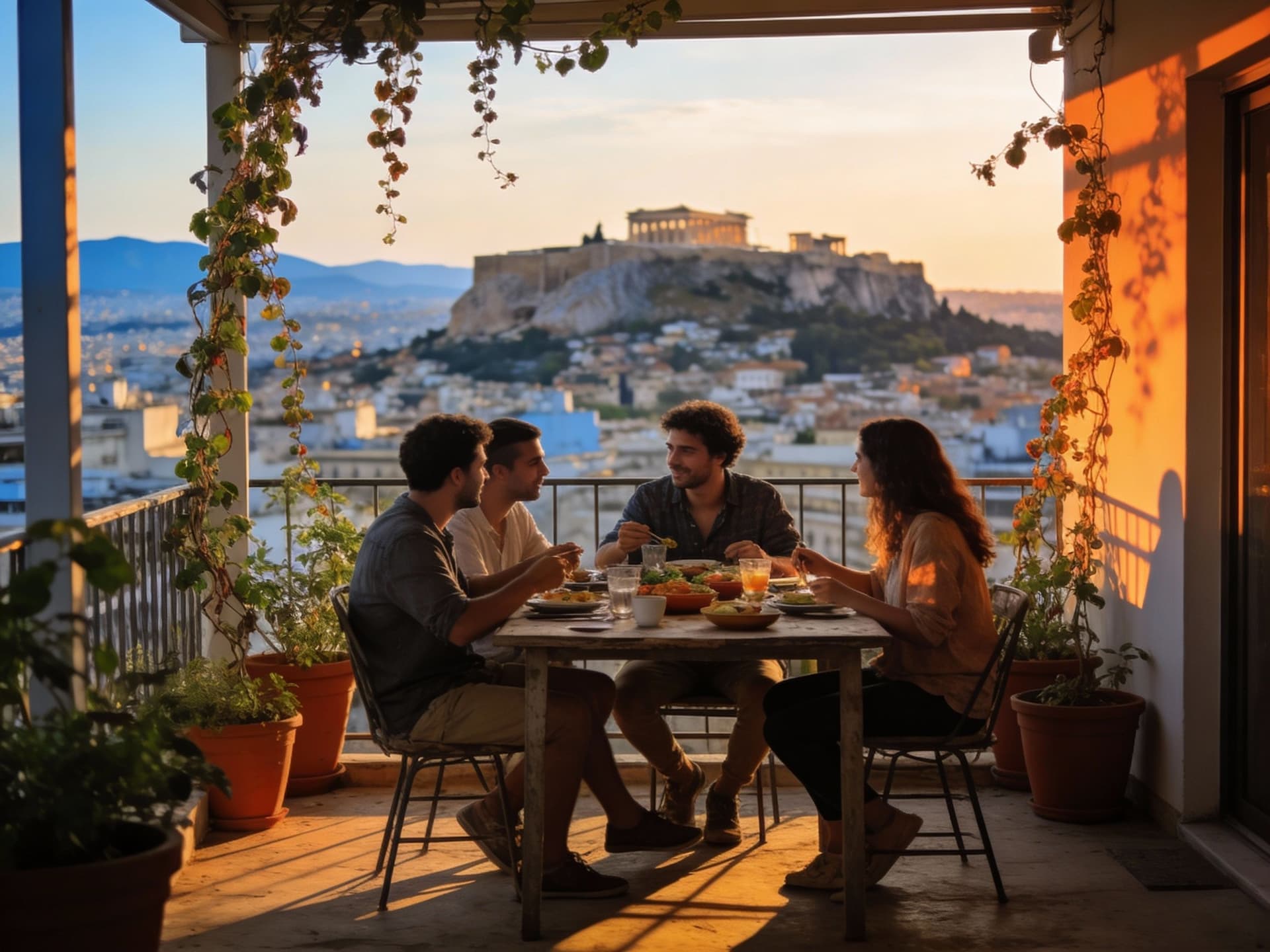
Here’s the contrarian take we mean to prove: summer is the worst season to start a serious property search in Greece. Listings multiply, prices look inflated by seasonal demand, and agents show the most photogenic — not necessarily the most liveable — homes. Bank of Greece data shows steep price rises in recent years; that doesn’t mean every summer listing is fair value. Timing matters.
Property styles and what they mean for daily life
From listed neoclassical apartments near Athens’ historic centre to new-build terraces on the Riviera, the choice changes how you live. Old stone flats have thick walls that keep summers cool and show authentic street life; new builds trade character for insulation, parking and modern layouts. Think about midday temperature, balcony orientation, and whether you want a rooftop community in summer months.
Work with local experts who know both market and life
Agencies grounded in a neighbourhood help you separate summer theatre from year-round reality. A Glyfada-focused agent will point out where beachside traffic chokes December mornings; an Athens centre specialist will tell you which side streets keep morning light and which have late-night bars. Seek agents who show you weekday life, not just sunset views.
Insider knowledge — what expats wish they’d known
Expat experience moves from dreamy to comfortable when you align property with seasonality and services. Prices vary dramatically between islands and cities — Engel & Völkers lists Athens averages well above many islands. Buyers we speak to wish they’d checked winter light, grocery options outside summer, and how local transport operates off-peak.
Cultural tips that change where you buy
Neighborhood life is social. Greeks meet at cafés, municipal markets and neighbourhood squares. Learning a little Greek eases bureaucracy and opens doors; knowing the siesta rhythm helps with planning renovations and deliveries. Expect administrative steps to take longer than in northern Europe — factor that into move timelines.
How life evolves after you move
At first you live like a visitor; a year in, routines shift. You’ll know the baker by name, choose a favourite taverna, and learn which streets are quiet after midnight. That evolution should drive your property choice more than holiday-season showings.
- Lifestyle highlights to check on a neighbourhood visit
• Weekday footfall (is the street alive or deserted Monday–Thursday?) • Local food market quality and frequency (not just summer stalls) • Public transport hours and frequency off-season • Proximity to healthcare and municipal services • Noise patterns: bars vs. residential quiet • Winter sun exposure and wind patterns
- Steps to smart timing and purchase
1. Visit in autumn or winter to see true rhythm and off-peak prices. 2. Ask agents for weekday viewings and local utility bills. 3. Check recent price trends from the Bank of Greece and local brokers. 4. Review transport and service access outside tourist months. 5. Reserve conditional offers that protect you from summer price theatrics.
Conclusion — fall in love with the right season and the right street
Picture morning markets, honest light on a balcony, neighbours who know your name — that’s the Greek life we mean to help you reach. Use off-season visits, local agents who live the neighbourhood, and reliable data to separate summer theatre from year-round value. When you buy with that clarity, you get both the lifestyle and the smart purchase.
Danish investment specialist who relocated to Costa del Sol in 2015. Focuses on data-driven market timing and long-term value for Danish buyers.