When Milan’s Price Tag Hides Street‑Level Opportunity
Italy’s city prices mask block-by-block opportunity: national indices show growth, but street-level checks reveal livable, lower-cost pockets worth pursuing.

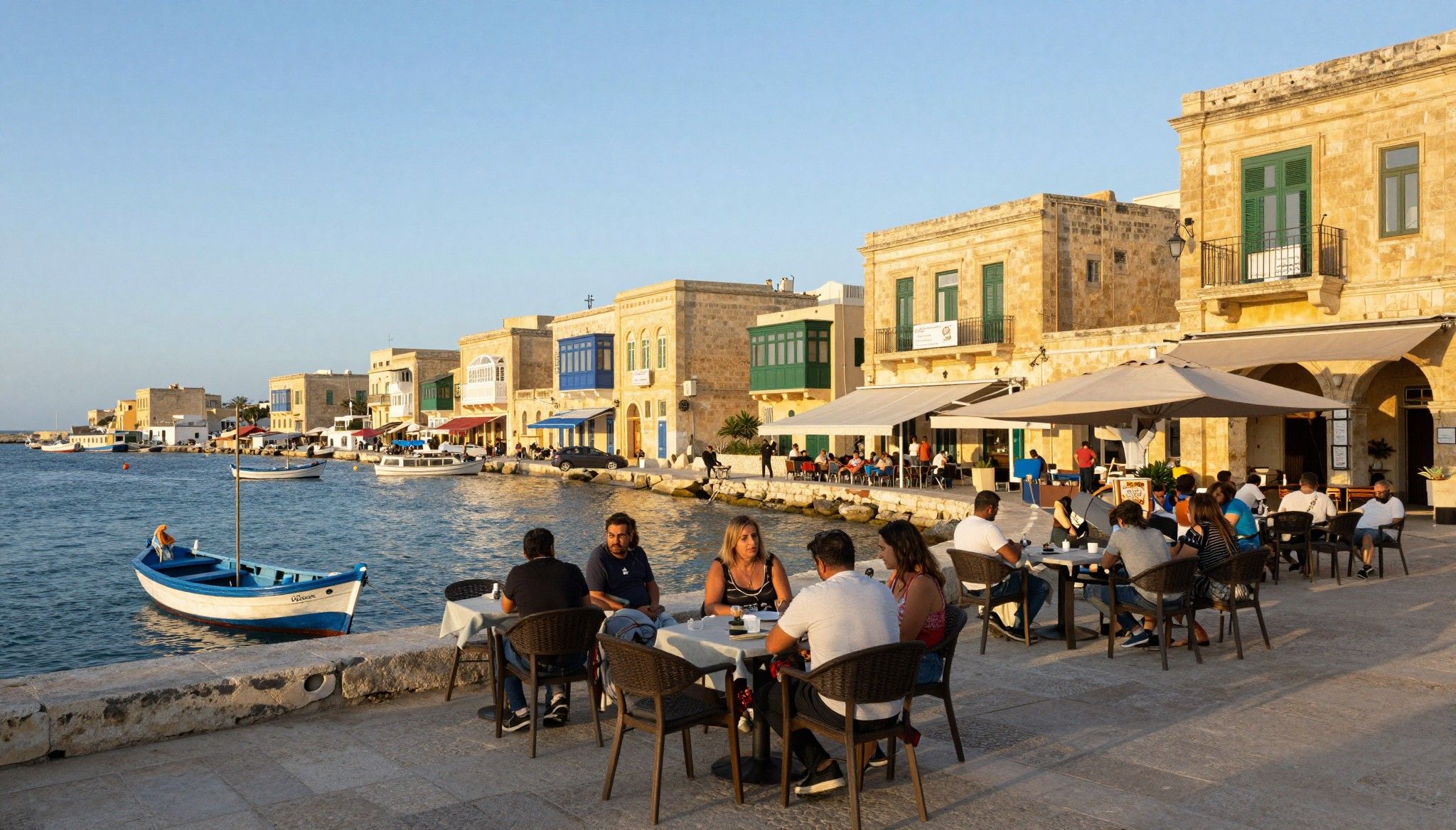
Imagine stepping out for an espresso on Via Solferino in Milan, then walking ten minutes to a quieter street where a thoughtfully restored 80 m² apartment lists for half the price. Italy’s big-city headlines—Milan, Rome, Florence—tell one story. The street-level signals tell another.
Living the Italy city life: textures and rhythms
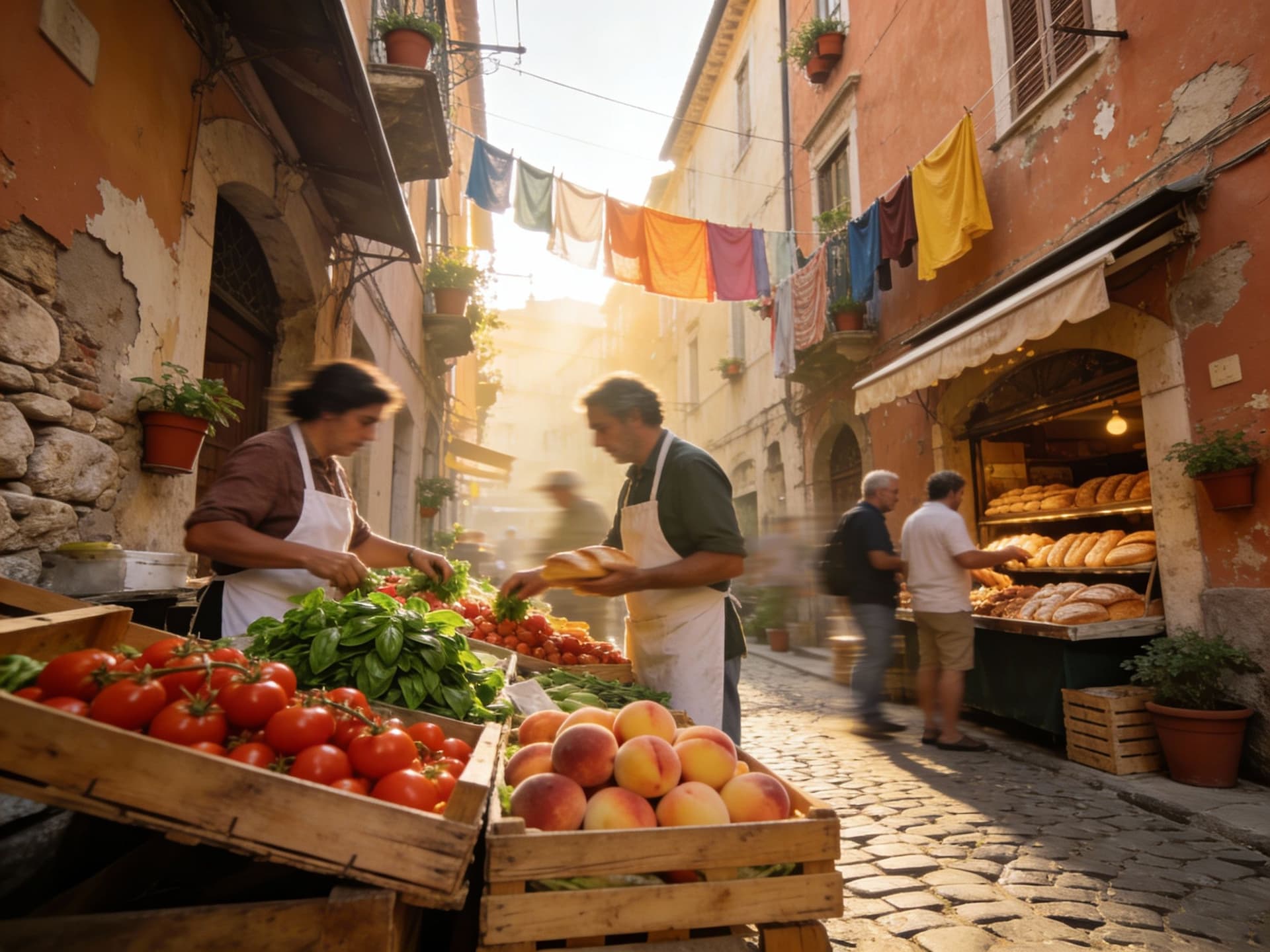
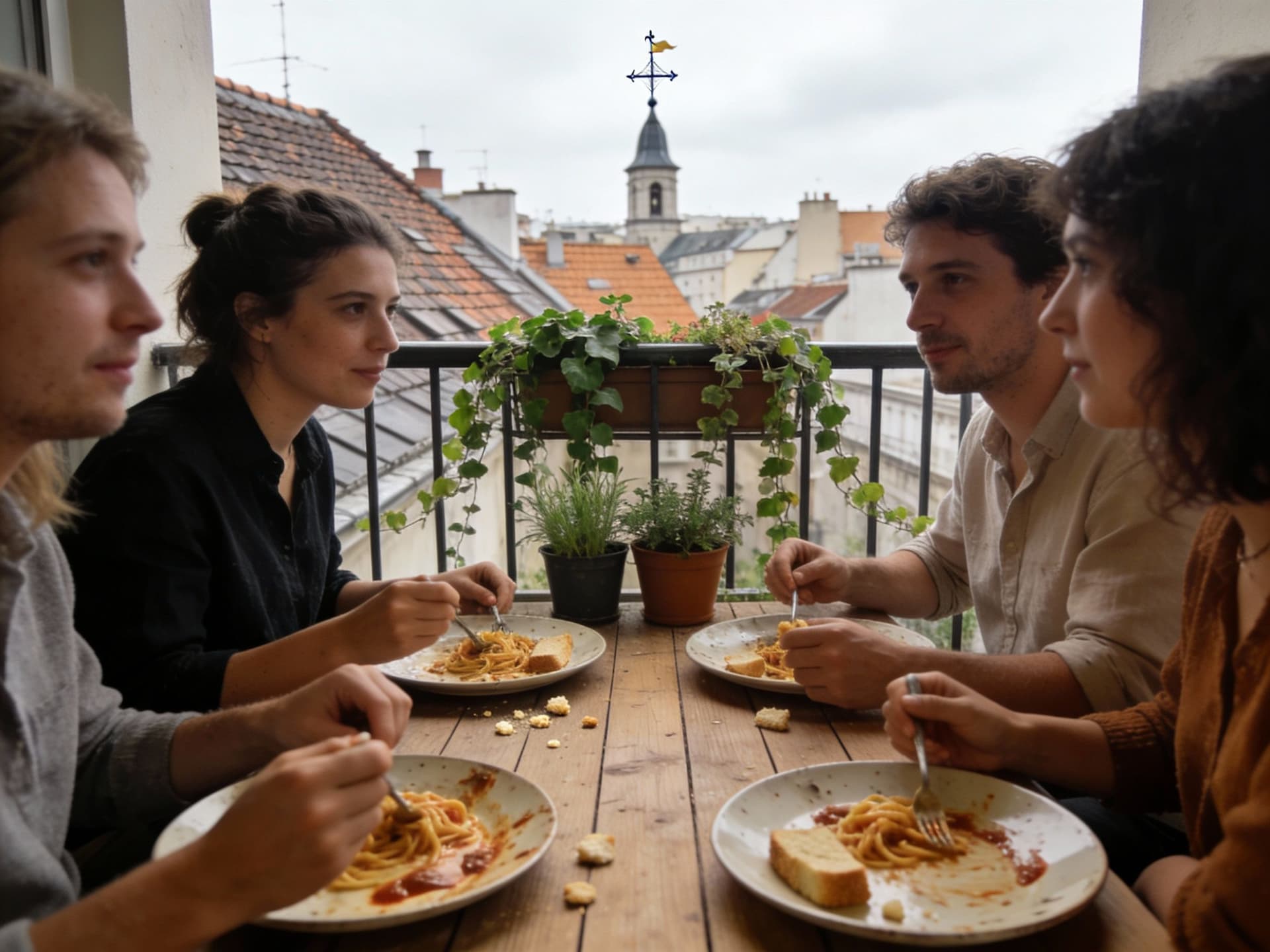
Italy is a kit of daily rituals: a morning espresso at a corner bar, markets where vendors know your name, and late walks past lit piazzas. In cities the rhythm changes block by block — fashion boutiques and coworking hubs in Brera, family-run bakeries and quieter interiors in Navigli’s side streets, or student cafés around Bologna’s university district. These micro-variations shape how you live more than municipal boundaries do.
Neighborhood spotlight: Milan — beyond the headline neighbourhoods
Milan’s headline prices (Brera, Quadrilatero) are real, but they sit alongside clusters where value and life quality intersect. Walk from Porta Romana toward Corso Lodi and you’ll find mid-century buildings with high ceilings and courtyards, local trattorie, and better price per sqm. The same pattern repeats in Rome: central Trastevere commands mood and price, but streets one tram stop out — San Saba or San Giovanni’s periphery — often offer comparable life at lower cost.
Food, markets and the weekday cultural calendar
A weekday in an Italian city is a study in texture: morning markets like Mercato Centrale (Florence) or Mercato di San Lorenzo (Naples) supply dinner, lunchtime aperitivi spill onto pavements, and municipal theatres and galleries provide monthly rhythms of concerts and openings. These cultural patterns determine which streets stay lively year-round and which become quiet in August — a factor that matters for rental demand and resale.
- Lifestyle highlights to look for on the street level
- Daily market within 10 minutes walk (fresh produce, fish, regional specialities)
- Public transport node within two stops of central business districts
- Local café culture (three independent cafés rather than a single chain)
- Year-round community life (weekday commerce, a strong local school or university presence)
Making the move: practical realities that match the life
The headline: Italian house prices rose 4.4% year-on-year in Q1 2025, driven by existing housing stock, while new-builds softened. That national trend matters — but it won’t tell you which street has momentum. For international buyers the priority is translating macro data into micro decisions: which streets combine life, liquidity and lower entry points.
Property styles and how they shape daily life
In Italy, historic centre flats offer immediate atmosphere but come with maintenance, noise, and heating quirks. Modern conversions in peripheral blocks deliver outdoor space and parking. If you need a home office and quieter evenings, prioritise mid‑century buildings with courtyards or newer blocks near parks. If rental yield matters, student districts (Bologna, Padua, Pisa) and central Milan neighbourhoods near universities remain strong.
How local experts convert lifestyle wishes into listings
Agencies that excel here are street-savvy: they track asking-price corridors by block, know which vendors accept staggered renovations, and can show off‑market flats before they hit portals. Ask an agent for recent comparables on the same street (not the same district) and proof of neighbourhood transaction volumes; if they can’t provide both, look elsewhere.
- Step-by-step street-level buyer checklist
- Walk the block at 08:00, 13:00 and 20:00 to check daily rhythms and noise levels
- Request three recent sales on the same street and the notary’s deed dates to verify liquidity
- Confirm local service costs (condominio, heating) with current invoices, not estimates
- Check planning pipeline nearby (tram extensions, redevelopment) that could shift desirability
Insider knowledge: what expats wish someone had told them
Expats often arrive enchanted, then learn that municipal boundaries don’t explain daily life. The real questions are: where do neighbours shop, when does the street sleep, and will a late‑night tram ruin weekend naps? Those answers are on the street, not in the city report.
Cultural integration and the small customs that matter
Language matters, but so do small rituals: the midday pause at family bakeries, the importance of building custodians (portineria) in older blocks, and the etiquette of local markets. Spend time at these micro-places: learn vendor names, join a neighbourhood WhatsApp group, and you’ll convert anonymous streets into trusted daily life.
Longer-term: fiscal regimes and residency incentives (flat-rate foreign income tax for new residents in Italy) can change who buys where. These policies feed demand in certain neighbourhoods; be clear whether you are buying to live year-round or to benefit from a temporary fiscal window.
- Red flags spotted at street level
- Repeated short-term rentals on one block (tourist churn often kills day-to-day life)
- Large vacant storefronts — signs of commercial decline, not redevelopment
- Frequent roadworks or municipal notices on the same street (could signal infrastructure disruption)
Conclusion: buy the life you want, and use data to prove it. National indices (ISTAT) and platform reports (idealista) set context — they tell you whether Italy’s market is rising or stalling. But the decisive work for international buyers happens where you will actually live: the street, the small market, the corner bar. Bring an agent who reads both data and daily life, ask for street-level comparables, and schedule visits across times of day. Then make the decision that blends both feeling and proof.
British expat who relocated to Marbella in 2012. Specializes in rigorous due diligence and cross-border investment strategies for UK and international buyers.