Where Malta’s Price Myths Break Down
Malta’s island charm masks wide price dispersion. Live-first advice: choose neighbourhoods by daily rhythms, verify permits for non‑EU buyers, and use street-level comparables before offers.
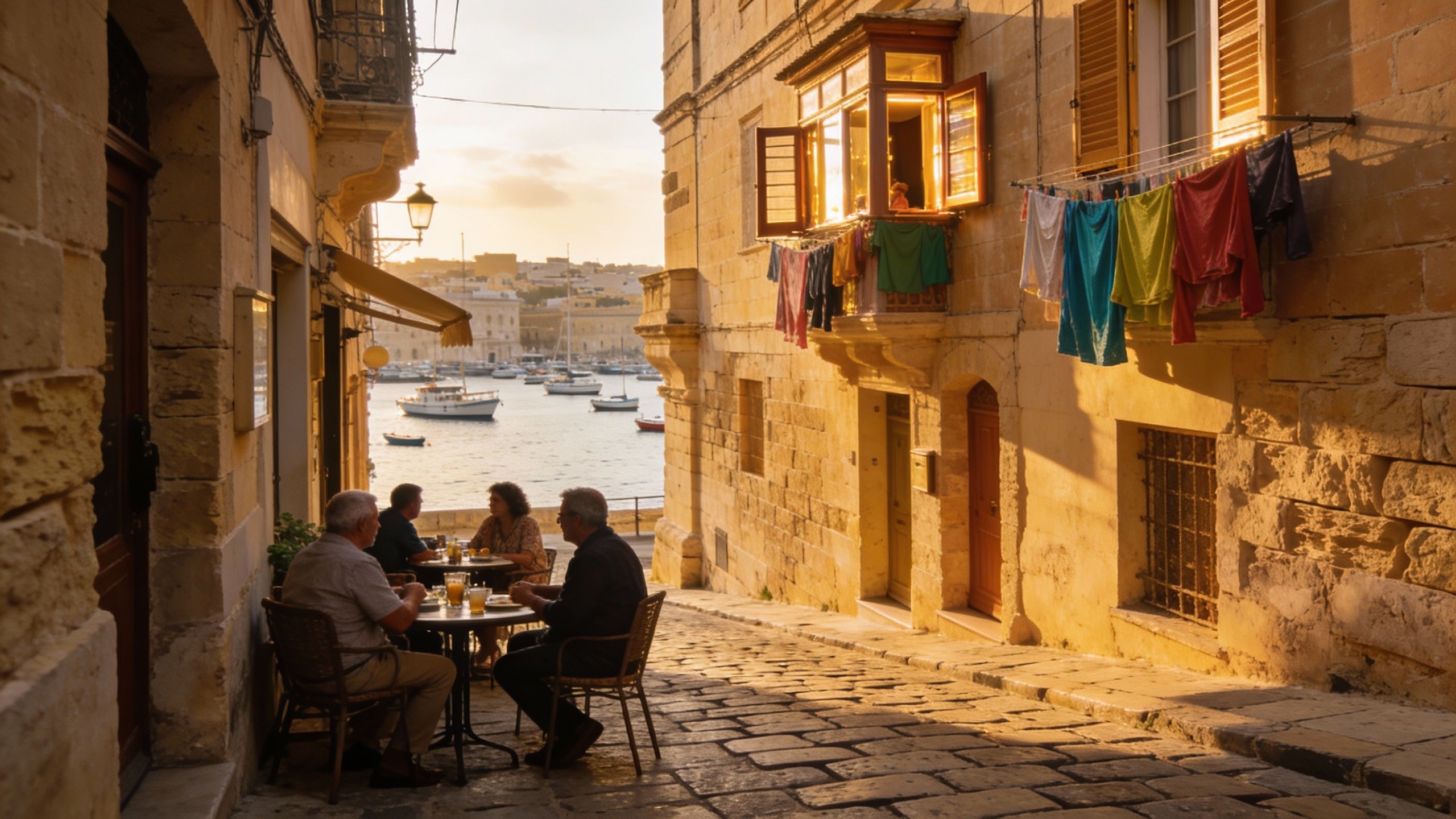
Imagine standing on a Valletta balcony at dusk, sea breeze carrying conversations from cafés below, while a developer three streets over converts an old townhouse into two gleaming flats. Malta feels small and lived-in, yet its market is complex in ways the postcards rarely show.
Living the Malta lifestyle: compact, social, surprising

Daily life in Malta is tactile: morning markets in Marsaxlokk, espresso at Caffe Cordina in Valletta, weekend swims at Għajn Tuffieħa. Demand has pushed prices up—Malta’s RPPI rose year‑on‑year—yet the experience remains neighbourhood-driven, not uniform across the islands.
Valletta, Sliema and St Julian’s — three different hearts
Valletta is historic and compact—stone streets, small piazzas, apartments with high ceilings. Sliema trades on promenade life and higher prices per square metre. St Julian’s is nightlife and serviced-apartment density. Each area gives a distinct daily rhythm and explains why 'Malta' can't be treated as a single price point.
Food, weekend rituals and the human scale
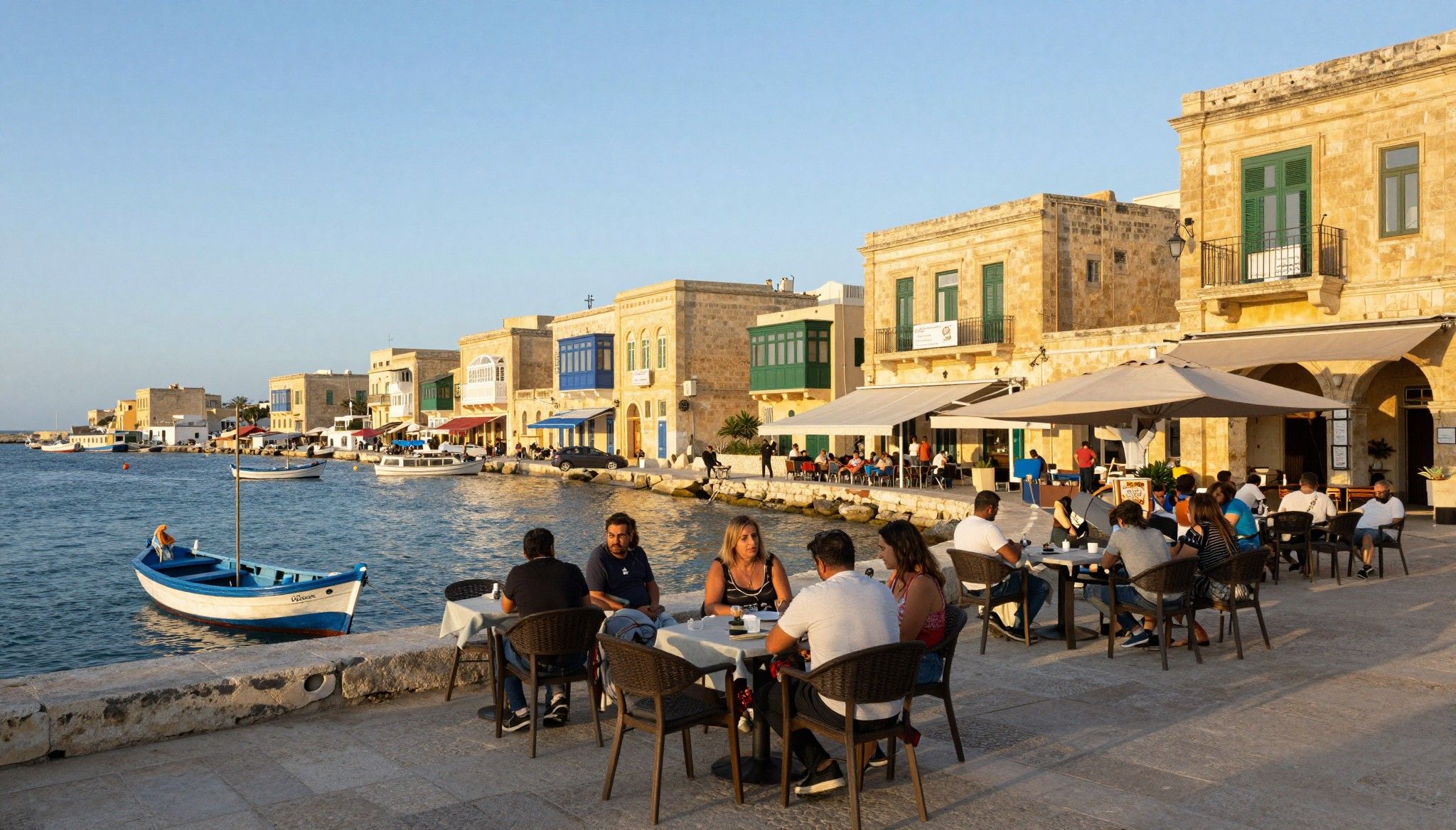
Weekends mean fish markets in Marsaxlokk, aperitifs in St Paul’s Bay and early-morning runs along the Sliema promenade. These lifestyle anchors influence where locals and expats choose to live—walkability, café culture and access to the sea often matter more than square metres.
- Lifestyle highlights: Valletta’s café corners; Sliema promenade walks; Marsaxlokk fish market; Għajn Tuffieħa beach swims; Paceville’s nightlife edges; quiet residential lanes in Mellieħa.
Making the move: lifestyle choices meet property reality
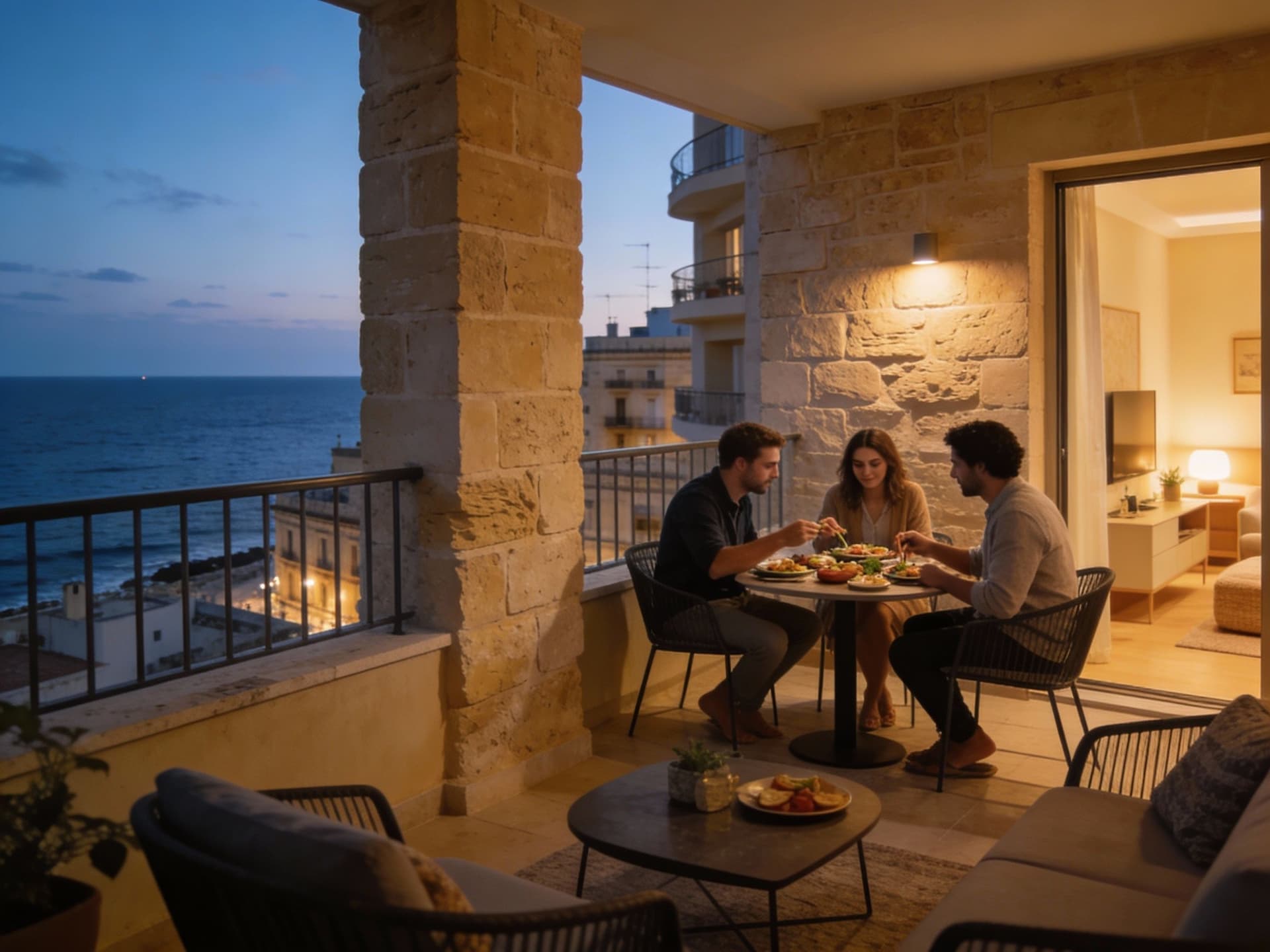
Wanting a seaside terrace is different from being permitted to buy a second home. Non‑EU buyers face permit regimes; EU citizens have simpler routes depending on residence. These rules change where you can buy and the types of property worth pursuing.
Property types that match daily life
Stone maisonettes suit a resident who values indoor-outdoor flow; modern apartments deliver concierge and low upkeep for frequent travellers. In Gozo, terraced houses deliver space and garden access. Choose the type that aligns with how you’ll actually live, not how you imagine weekends to feel.
Working with local experts who understand lifestyle signals
- 1. Ask agents about street-level demand: which cafés or markets keep buyers interested? 2. Request recent comparable sales within three months, not year-old listings. 3. Ask for energy and maintenance records for older stone properties. 4. Confirm permit status for non‑EU purchases before offers.
Insider knowledge: myths, surprises and expat lessons
Myth: 'Malta is uniformly expensive.' Reality: price dispersion is wide. Central harbour localities and promenades command premiums while inland villages and Gozo remain relatively more affordable. Data shows rising indices overall, but local context determines value.
Cultural notes that change where you buy
English is an official language, which eases transactions and daily life. But social integration follows rituals: neighbourhood festas, market days and church calendars shape community ties. Buyers who attend local events tend to find better long-term satisfaction than those who build isolated lifestyles.
Longer-term practical considerations
- Key practical factors: availability of mortgages for non-residents; permit zones (SDA) where foreigners can buy freely; rising land values that concentrate price risk; seasonality of rental demand if considering buy-to-let.
Step-by-step: how to move from dreaming to offer — 1) Visit three neighbourhoods at different times of day. 2) Verify permit eligibility with the Lands Authority. 3) Commission a structural survey for older stone properties. 4) Insist on recent comparables and clear title before earnest money.
Conclusion: Malta is intimate and immediate. The island’s social life and compact scale deliver a quality of living many buyers prize. But 'living well' and 'buying well' require different evidence: street-level knowledge, permit clarity and honest comparables. A local advisor who understands both the café on the corner and the permit on the file is the difference between a happy move and a costly surprise.
Swedish expat who moved from Stockholm to Marbella in 2018. Specializes in cross-border legal navigation and residency considerations for Scandinavian buyers.