Why Autumn — Not Spring — Is Italy’s Smart House‑Hunt
Autumn’s harvest rhythm (truffle fairs, quieter streets) exposes real neighbourhood life and seller motivation — making October–November a strategic time to buy in Italy.
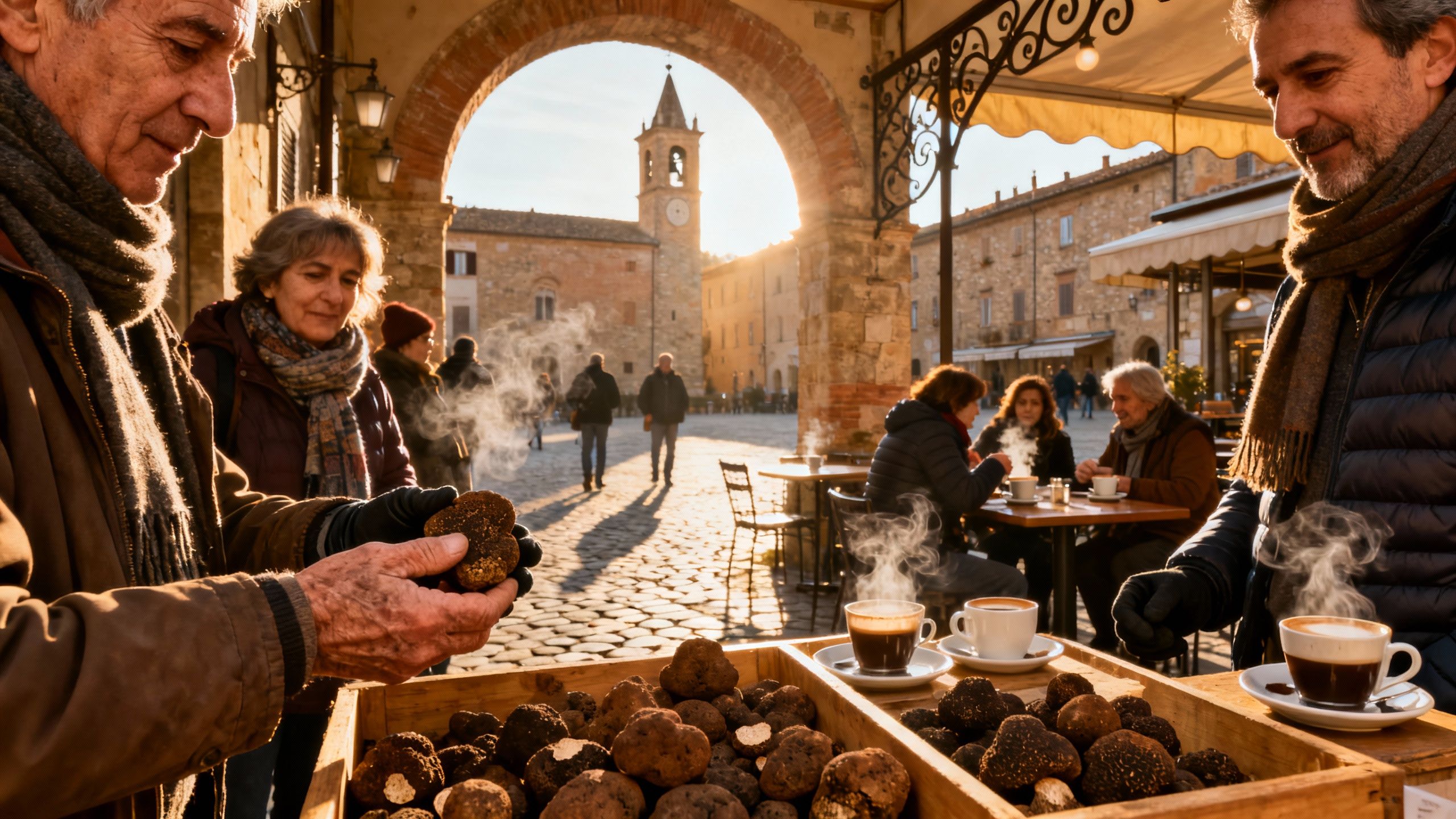
Imagine a November morning in Perugia: markets full of walnuts and white truffles, cafés steaming with espresso, and streets warmed by late autumn light. For many international buyers that scene is the dream of Italy — intimate neighbourhoods, seasonal rituals, food that defines the calendar. But the best time to look for the key to that life is counter‑intuitive. Autumn’s harvest rhythm and slower market create opportunities that spring’s hype and summer’s tourists often hide.
Living the Italian Rhythm — Why Season Matters
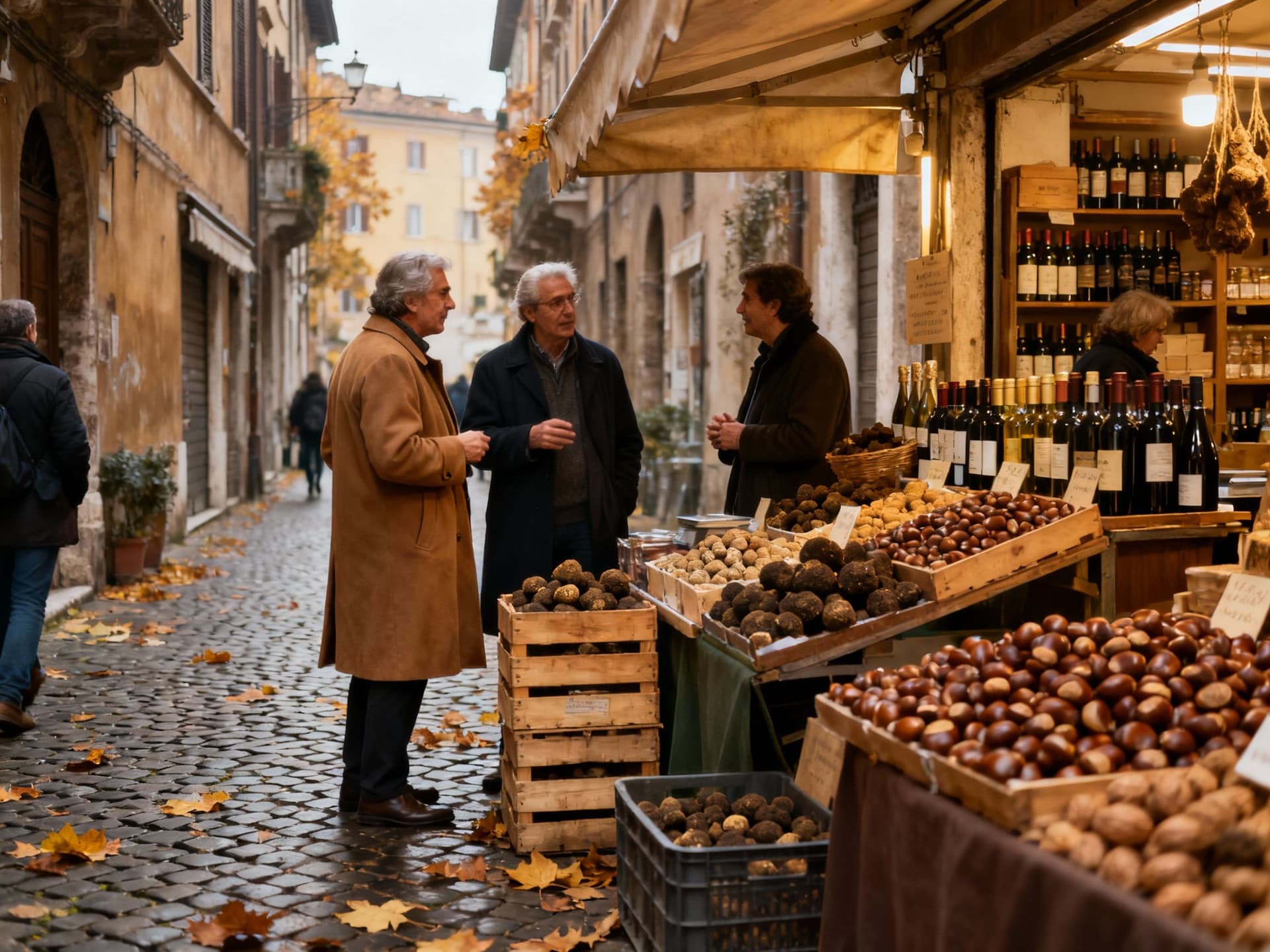
Italy is a country of seasons and rituals. Autumn (September–November) brings harvest festivals, truffle fairs and restaurant menus that change overnight. Streets feel more local as summer visitors leave; neighbourhoods return to their daily pace. That seasonal contraction alters supply and seller motivation — owners who kept a property listed through summer often price more realistically as autumn sets in.
Neighbourhoods that breathe in autumn
In Florence, Oltrarno’s workshops feel more present after tourists leave; in Milan, Brera’s cafés resume long lunches; in Perugia and Alba the truffle fairs define the month. These neighbourhoods reveal their everyday charms when the crowds diminish. You can test a morning routine — coffee at a known bar, a walk through the market, an evening aperitivo — and see if the life on offer matches the brochure.
Food, markets and the social calendar
Autumn is when local life gathers around food: weekly markets brim with preserved goods, village sagre serve chestnuts and porchetta, restaurants test new menus. These events are practical tests of a place: can your shopping, entertaining and weekend plans fit the local tempo? If you want to live in Italy, those questions matter as much as square metres.
- Lifestyle highlights to check in autumn: visit the Mercato Centrale in Florence before lunch; try an Alba or San Miniato truffle fair; take an evening walk on Milan’s Navigli after weekday crowds leave; eat at a neighbourhood osteria in Perugia mid‑week; sample Ligurian markets in late October.
Making the Move: Autumn’s Practical Advantages

Autumn affects both emotion and economics. Market reports show foreign interest rising but supply softening after high summer demand spikes. Sellers who missed summer’s best offers may reprice in autumn. Meanwhile, being on the ground in October–November gives you negotiating clarity — you can see a property in true use (heating, light, local services) rather than staged for tourist eyes.
Property types and seasonal fit
Different properties reveal seasonal weaknesses — a coastal apartment may look costly to heat in winter; a stone farmhouse’s damp shows in late autumn. Use autumn visits to check insulation, damp, heating systems and access after rain. Recent research also highlights climate risks (flood frequency affects prices over time), so inspect drainage and local flood history before committing.
- Practical autumn checklist for buyers
- 1) Schedule viewings in cooler, wetter conditions to test heating and damp control. 2) Meet neighbours mid‑week to judge everyday life. 3) Ask for recent utility bills to estimate winter costs. 4) Work with an agent familiar with off‑season negotiation tactics.
Insider Knowledge — What Expats Wish They’d Known
Expats often tell the same story: they fell for a postcard view in summer and only later discovered the daily reality. The reverse wins in autumn — places show character, neighbours reveal routines, and restaurants revert to regular service. Those who buy after autumn visits report fewer surprises and better long‑term satisfaction.
Cultural integration and local rhythm
Language, local customs and small‑town protocols matter. In many towns, decisions are social as well as legal — a friendly shopkeeper or a locally respected fixer can ease renovations or registration. Spending time in autumn lets you practise basic Italian phrases at market stalls and assess whether you’ll fit into the social fabric.
Longer‑term lifestyle realities
Think beyond purchase: autumn shows how heating, schooling cycles, and local healthcare operate in low season. For remote workers, it reveals year‑round connectivity; for retirees, it reveals the nearest clinic’s winter hours. These realities influence which regions and property types remain livable over a decade.
- When to prefer autumn buying: lower competition, realistic pricing, better due diligence. When to avoid autumn buying: limited new listings, if you must move immediately for schools or work. Consider a hybrid: autumn scouting, spring offers.
Conclusion: If Italy’s lifestyle drew you here, test it in autumn. You’ll see neighbourhood life, seasonal services and the unvarnished condition of homes. Work with local agents who understand off‑season dynamics and can interpret market signals honestly. Visit markets, speak with neighbours, check heating and drainage — then decide with clearer eyes and fewer myths.
Swedish expat who moved from Stockholm to Marbella in 2018. Specializes in cross-border legal navigation and residency considerations for Scandinavian buyers.