Why Italian city centres are not always overpriced
City life in Italy is sensory and seasonal. Use OMI transaction data plus neighbourhood visits across seasons to match lifestyle with real value.
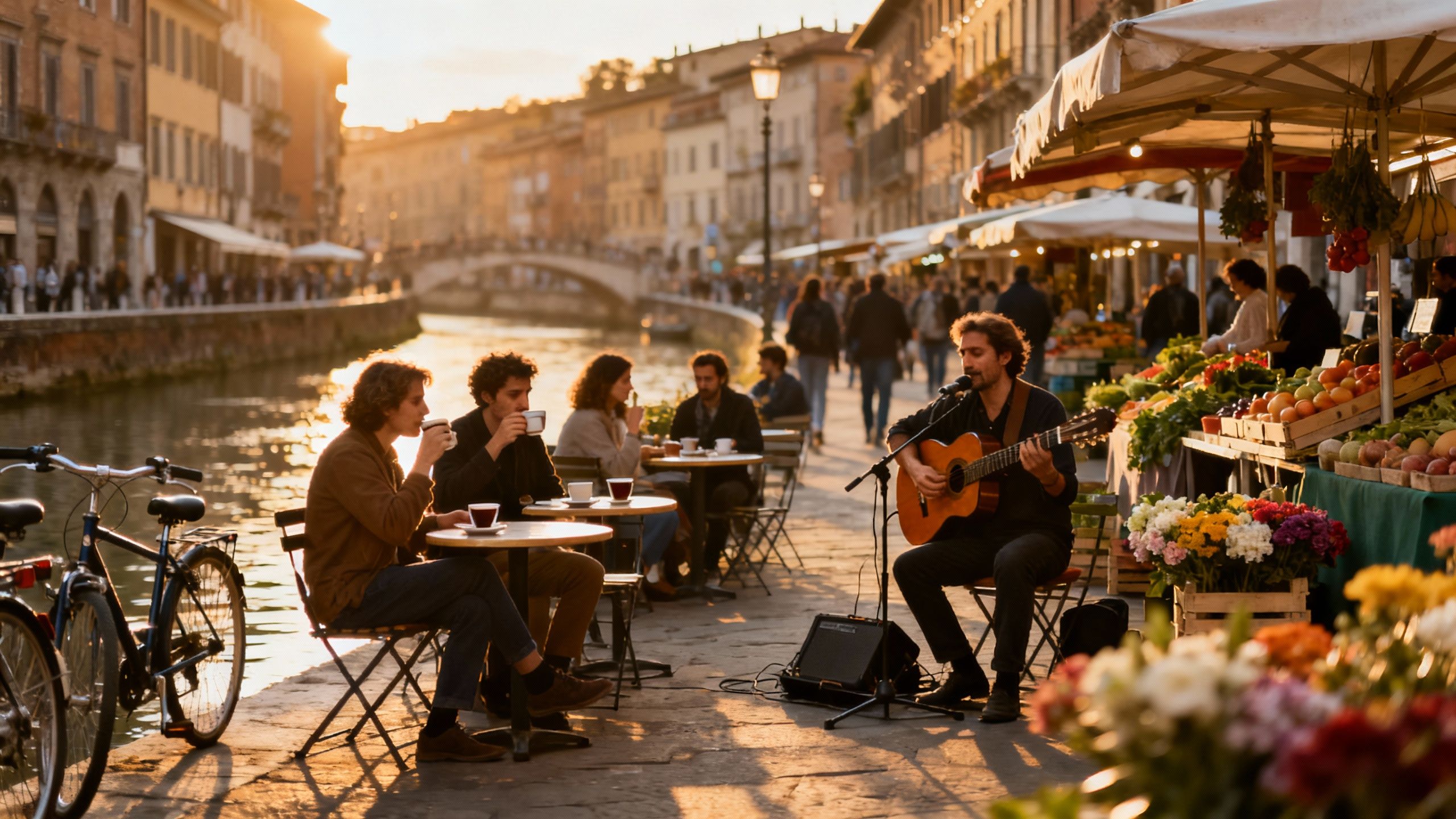
Imagine stepping out at dawn on Via dei Condotti in Rome, espresso in hand, then catching a tram to Navigli for an aperitivo as the light drops over the canals. Italy’s cities are lived-in theatres: sun-washed facades, neighbourhood markets that set the rhythm of the week, and narrow streets where conversation spills from cafés into the evening. For international buyers the romance is immediate — but so are the trade-offs. This piece pairs the lived reality of Italy’s urban hubs with practical, research-backed signals that reveal where value and risk really sit.
Living the Italian city life: what you actually wake up to

City mornings in Italy are sensory and incremental: pastry steam from a bar on the corner, municipal sweeping crews clearing Piazza Santa Maria Novella, and commuters folding into trams. In Rome, Milan, Florence or Bologna the day unspools by neighbourhood — and neighbourhood matters more than citywide headlines. A compact apartment on a lively street can feel larger in lifestyle value than a pricier, quieter penthouse two kilometres away.
Trastevere’s cobbles still host morning markets and late-night trattorie. For buyers wanting instant community, narrow lanes and family-run cafés beat polished tourist strips. Expect older buildings, occasional plumbing quirks and neighbours who’ve lived there for generations — all part of the price calculus.
In practical terms, properties in Trastevere often require renovation work that preserves character while upgrading systems. That translates to upfront budget and time, but also the chance to capture value by improving energy efficiency and living standards — common premiums in Italian urban refurbishments.
Navigli, Milan — canals, cafés and convivial life
Navigli hums from afternoon into late night with bars and restaurants clustered along the canals. It attracts young professionals and creative buyers seeking street life. Street-facing flats command higher per-square-metre prices, but smaller interiors with terraces or canal views sell quickly when correctly priced and staged.
Food, markets and the seasonal tempo
Weekends are market days: Campo de’ Fiori in Rome, Mercato Centrale in Florence, Mercato di Porta Palazzo in Turin. Seasonal rhythms matter — winter slows tourist noise and reveals true neighbourhood life; summer hides infrastructure limits. For buyers, attending markets in different seasons reveals daily rhythms that influence long-term satisfaction.
- Mercato highlights and place cues: Campo de’ Fiori (Rome) morning market; Mercato Centrale (Florence) for weekend produce; Navigli canalside aperitivo scene; Brera neighbourhood cafés in Milan; Piazza Santo Spirito artisan culture in Oltrarno.
Making the move: property realities that match the lifestyle
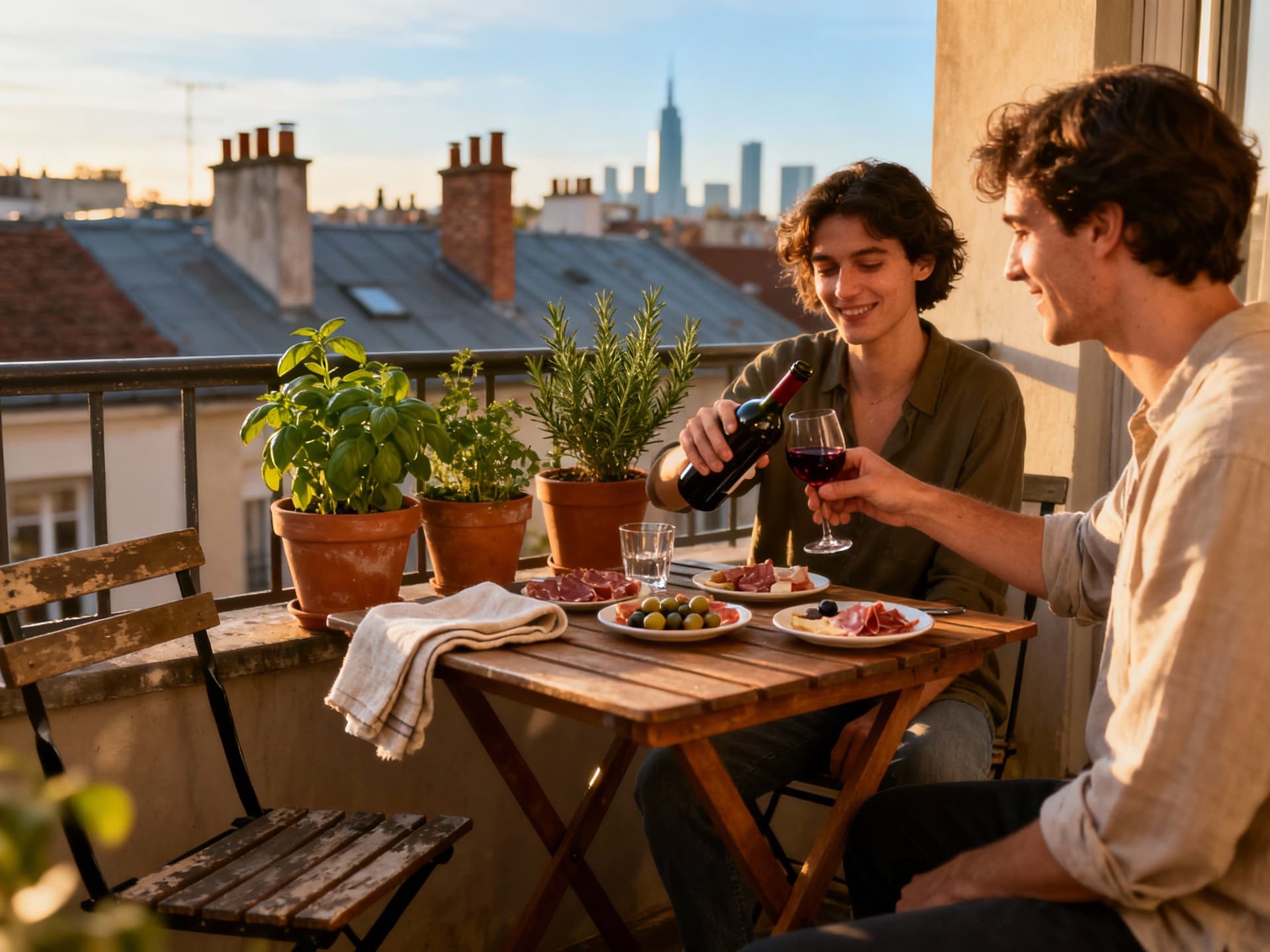
Dreams meet deeds in the notary’s office and the municipal records. Recent OMI statistics show a rebound in transactions during 2024’s later quarters, which changes negotiation dynamics: more buyers in play, but also more defined market signals on where value sits. Match the property style to the life you want — not the postcard image.
Property styles and how they shape daily life
A historic centro storico apartment delivers immediate character and proximity to cafés, but often lacks insulation and outdoor space. A renovated building in a secondary neighbourhood trades some charm for modern systems and terraces. For buyers who want the city life, small terraces and dual-aspect living rooms matter more than a skyline view.
Working with local experts who understand rhythm and records
Local agents and architects reveal hidden trade-offs: which streets flood, which neighbours hold key permissive documents for renovations, and which historic buildings accept modernisations. Use an agent who can read OMI/municipal data and translate it into lifestyle outcomes — not just price per metre. They should also recommend a local surveyor and a notary with urban-project experience.
- Step-by-step move checklist: 1) Visit across seasons to feel the tempo; 2) Commission a technical survey focused on structure and systems; 3) Ask for OMI zone quotazioni and recent transactions list; 4) Get written estimates for necessary upgrades; 5) Agree a phased closing with contingencies for permits.
Insider knowledge: the things expats rarely expect (and smart buyers use)
Expats often arrive enchanted and then are surprised by local quirks: strike days that close public offices, long permit timelines for restorations, and quiet condominium politics that affect access to terraces. These are manageable, but only if anticipated. Knowledge of local governance and seasonal behaviour turns surprises into predictable steps.
Cultural integration, language and neighbourhood belonging
You don’t need perfect Italian to belong, but learning the rhythm of greetings, market bargaining and local calendar events opens doors. Join community classes, volunteer at a market stall, or take a cucina course. These activities both enrich life and accelerate local references that help when negotiating for repairs or municipal approvals.
Long-term lifestyle sustainability depends on infrastructure and demographic trends. OMI data shows 2024 gains concentrated in large cities but with heterogenous city-level performance: Rome and some mid-sized northern cities led increases while Milan saw pockets of slowdown. For long-term value, consider local economic drivers (universities, corporate hubs, transport upgrades) more than short-term tourist flows.
- Practical red flags to check on any urban purchase: pending building restoration orders; flood-zone or subsidence indicators; unresolved condominium disputes; inconsistent land registry entries; and permits missing for past work.
Buying in Italy is both a lifestyle decision and a records exercise. The OMI data and municipal records will tell you where volumes are increasing; your local network will tell you where life is actually worth living. Pair both: read the statistics, then spend a week living the street life you intend to buy into before signing.
Conclusion: fall in love deliberately — then act with the right local partners. Italy offers a spectrum of urban lives, from canal-side conviviality to quiet piazza mornings. To capture the experience without the avoidable pitfalls, marry lifestyle visits with granular due diligence and choose advisers who understand both rhythm and records.
Next steps that get you from dreaming to ownership
- Practical next actions: 1) Book neighbourhood visits in two seasons; 2) Request OMI zone quotazioni and recent comparable sales; 3) Engage a bilingual agent and a structural surveyor; 4) Prepare renovation contingency budget (10–20% for older centre properties); 5) Schedule a pre-contract review with a notary experienced in urban restorations.
Norwegian market analyst who serves Nordic buyers with transparent pricing and risk assessment. Specializes in residency rules and tax implications.