Why Sliema Feels Pricier — Where Value Hides
Sliema and Valletta steal headlines, but Malta’s best value often sits on quieter streets—visit at different times, prioritise surveys, and match neighbourhood rhythm to your life.
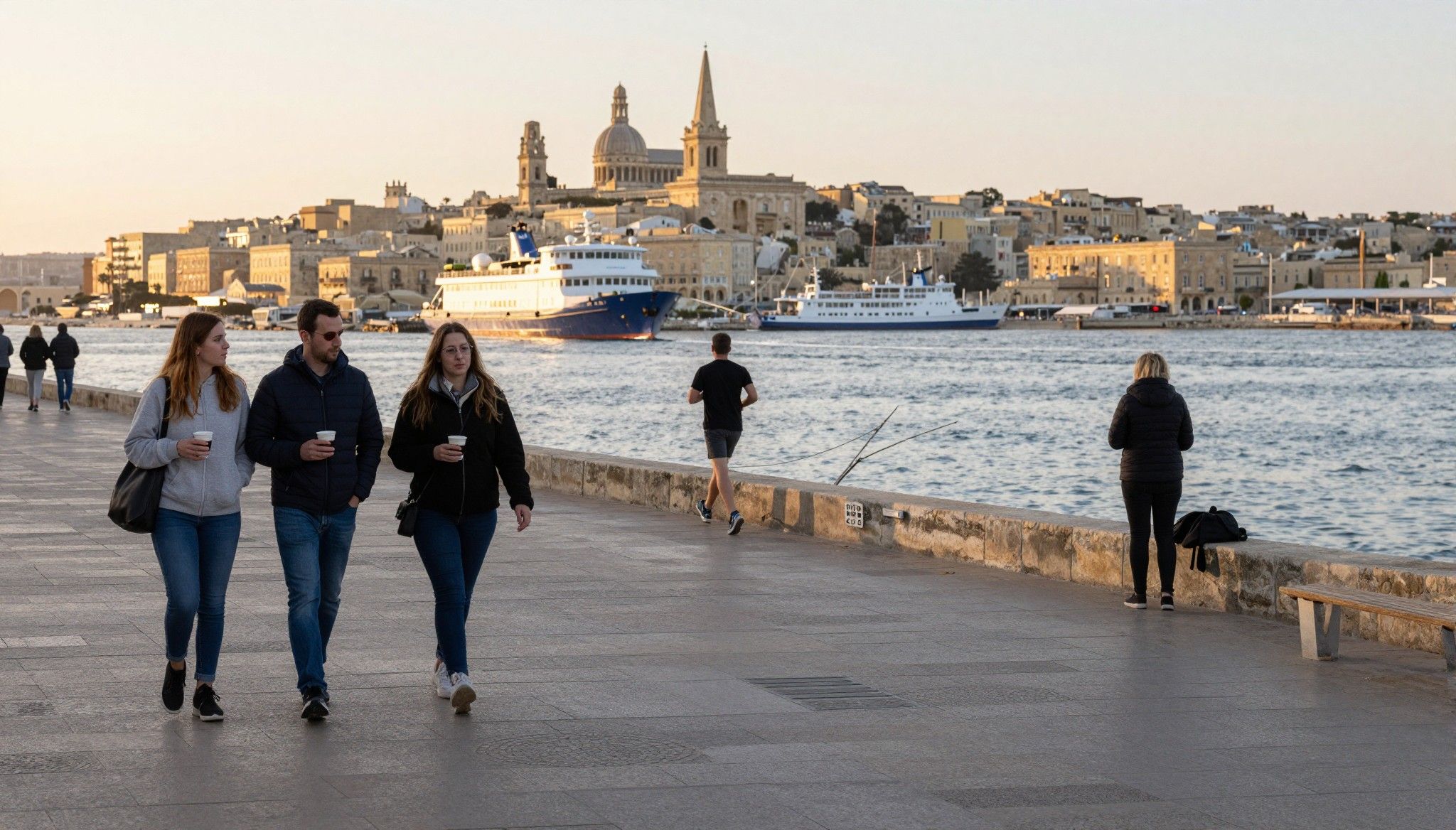
Imagine stepping out onto Sliema's promenade at 7am: espresso steaming, fishermen repairing nets, joggers cutting across sea-glass light. That first, ordinary morning is the moment most buyers fall for Malta — compact, loud with history, oddly manageable. But "Malta is expensive" is a tidy headline that hides a few truths. We unpack the life, the tradeoffs, and the quieter streets where value still waits.
Living Malta: close, bright, and surprisingly varied
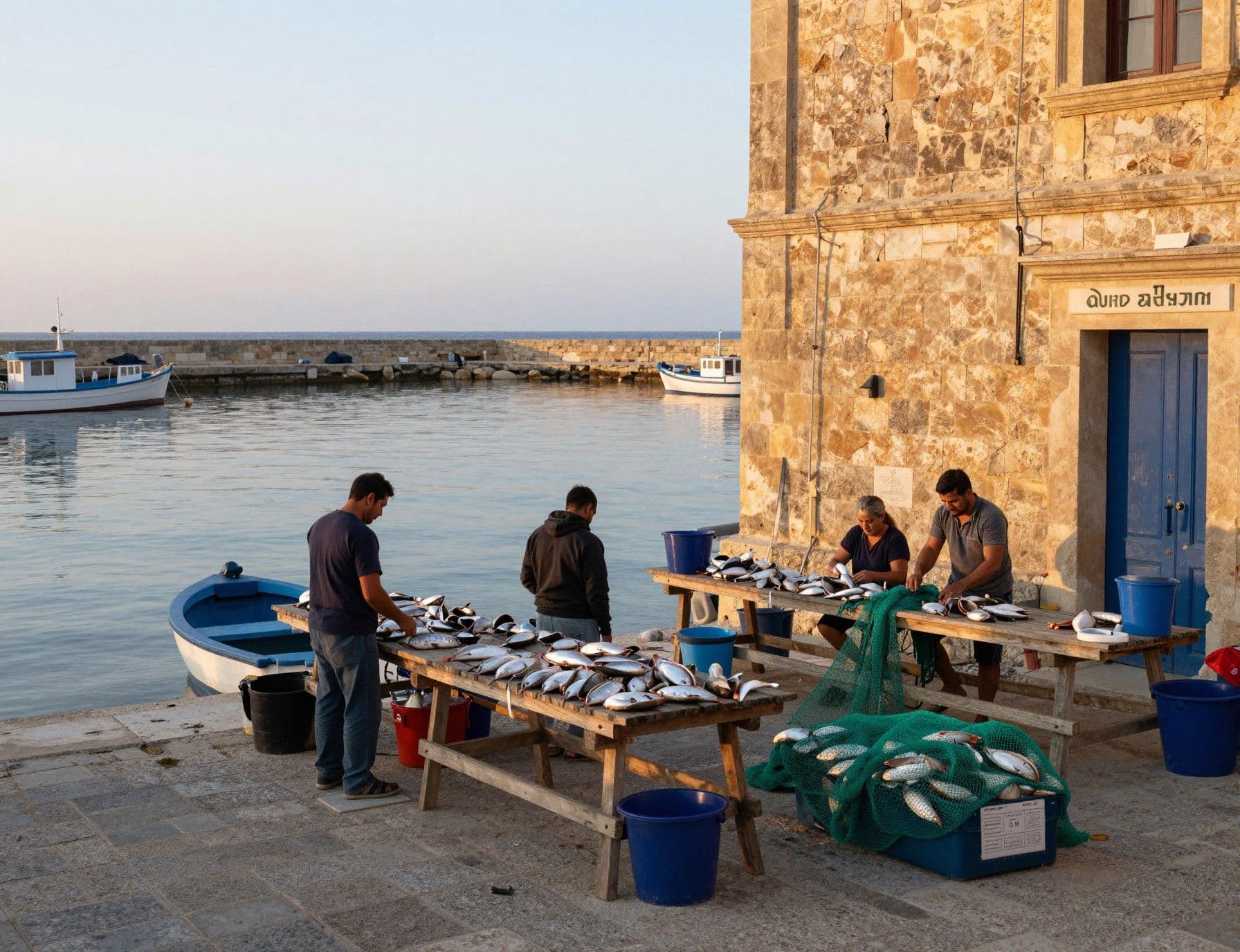
Malta is a handful of different days in one island. Morning markets in Marsaxlokk, late-night bars in Paceville, quiet bread lines in Mosta — every neighbourhood sets its tempo. The National Statistics Office shows residential prices rising in recent quarters, but that rise plays out unevenly across towns. What you pay depends as much on street address as on the island itself. Walkable seafronts like Sliema and St Julian's feel urban; inland villages keep a residential calm.
Sliema & St Julian’s: the show's main stage
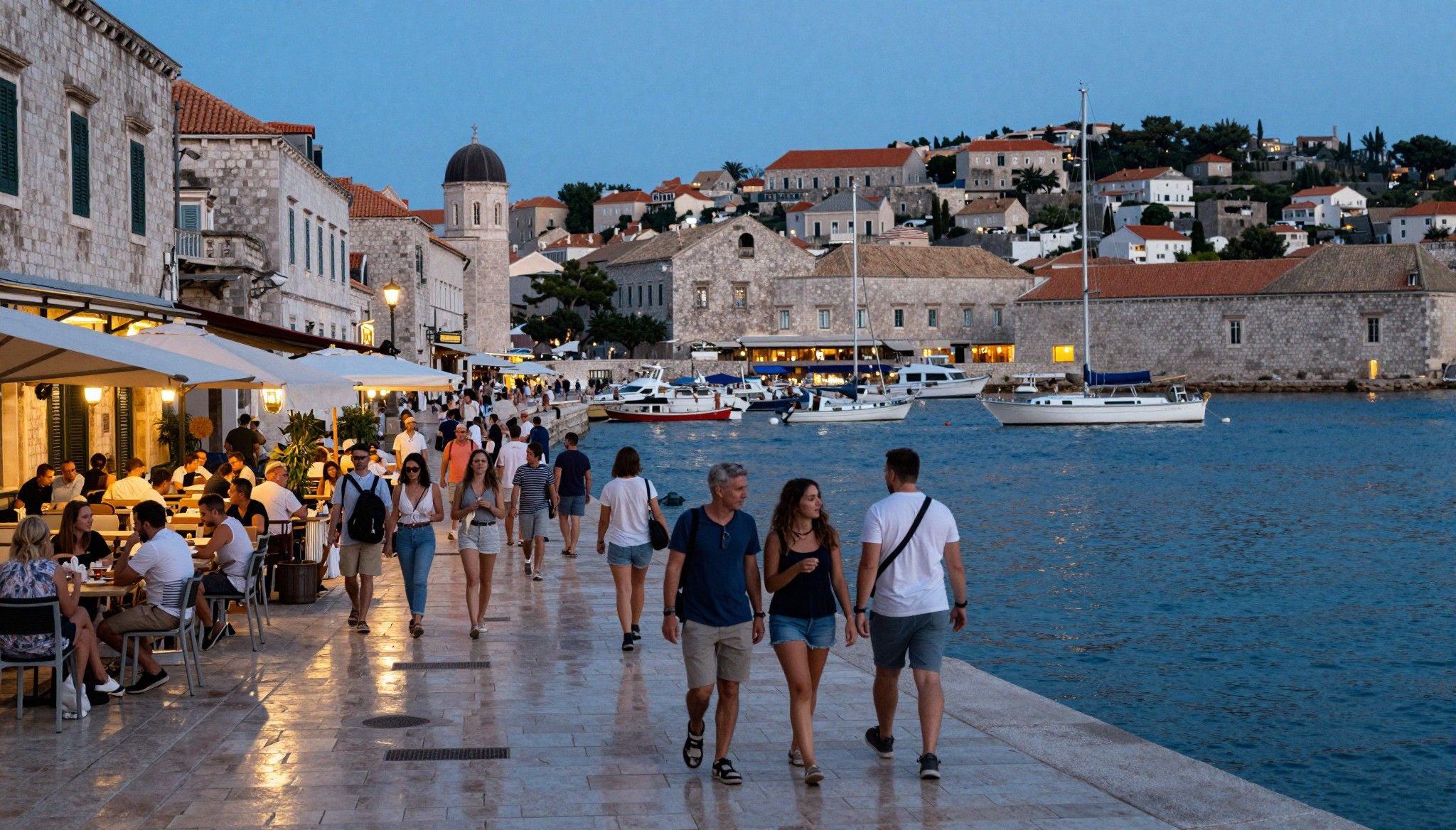
Sliema’s seafront and St Julian’s bay are where Malta presents itself: promenades, high-rise terraces, cafés that never close. If you want a walkable social life, English-speaking services, and easy ferry access to Valletta, this is it. Expect newer developments (Portomaso, Tigné Point) and a premium on sea views. That premium is real — and partly why the island’s headline price averages skew high.
Valletta, the baroque city that doubles as a living room
Valletta feels intimate in a way high-rises don’t: limestone lanes, balconied façades, opera-house afternoons and surprisingly quiet nights. Apartments here trade square metres for character; you buy into history and a short walk to theatres, museums and the Grand Harbour. For buyers who value atmosphere over large terraces, Valletta competes with top-sea locales without matching their sticker shock.
- Lifestyle highlights: coffee culture, markets and micro-escapes
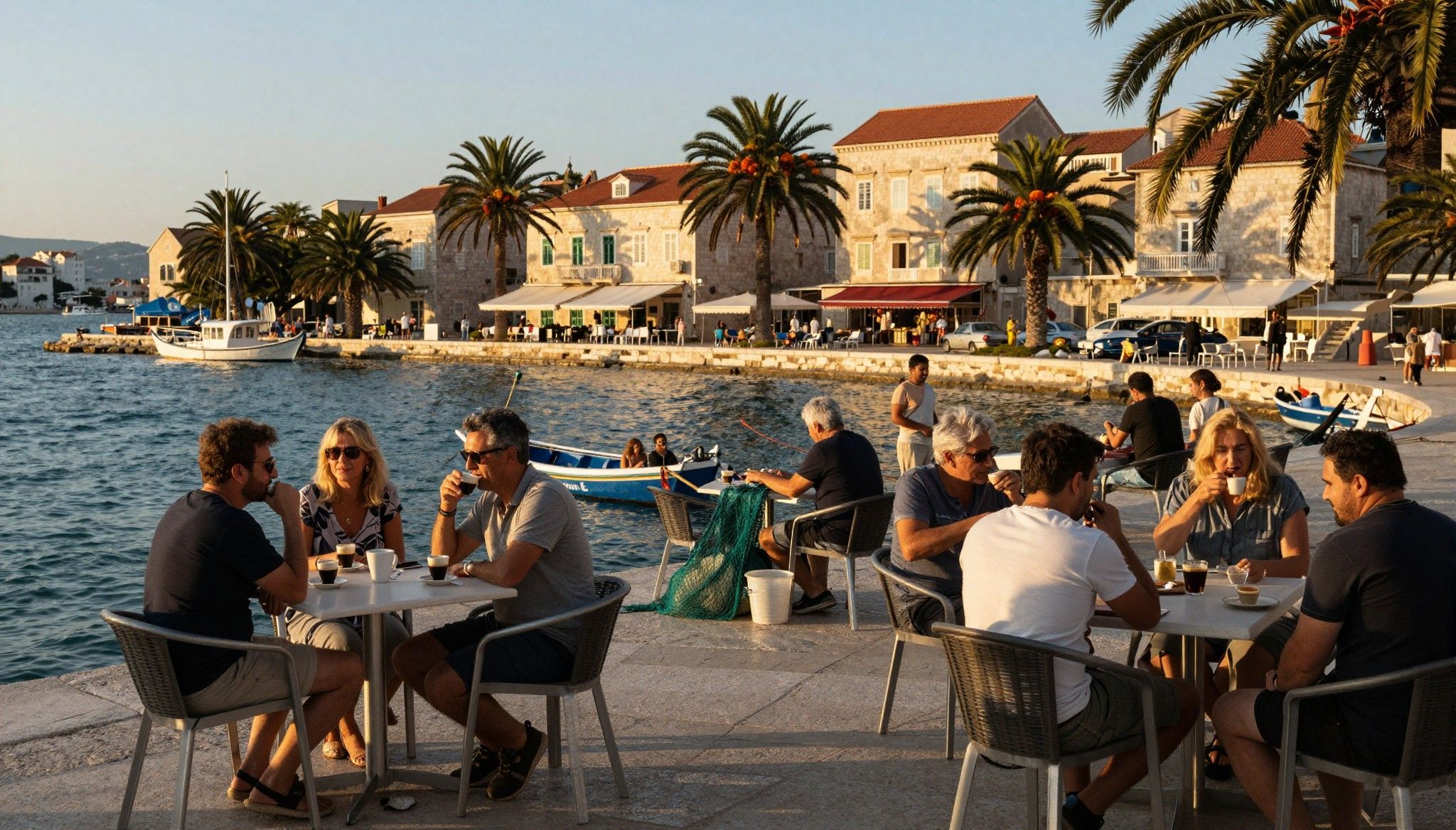
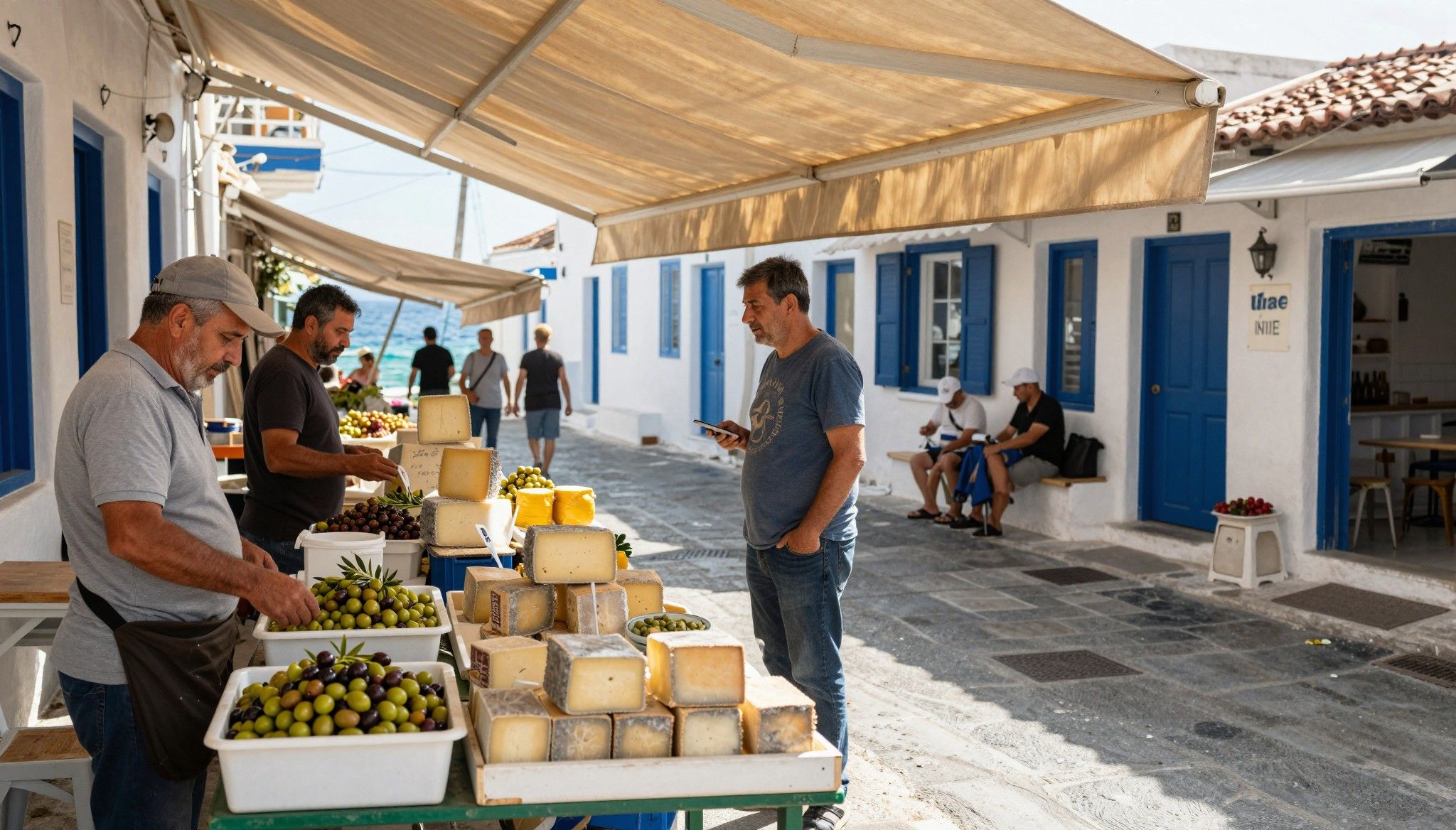
- Morning fish market at Marsaxlokk; sea-front breakfasts in Sliema; sunset swims at Għajn Tuffieħa; village festas in Mosta and Żebbuġ; weekend ferry to Gozo for a different pace.
Making the move: where lifestyle meets the ledger
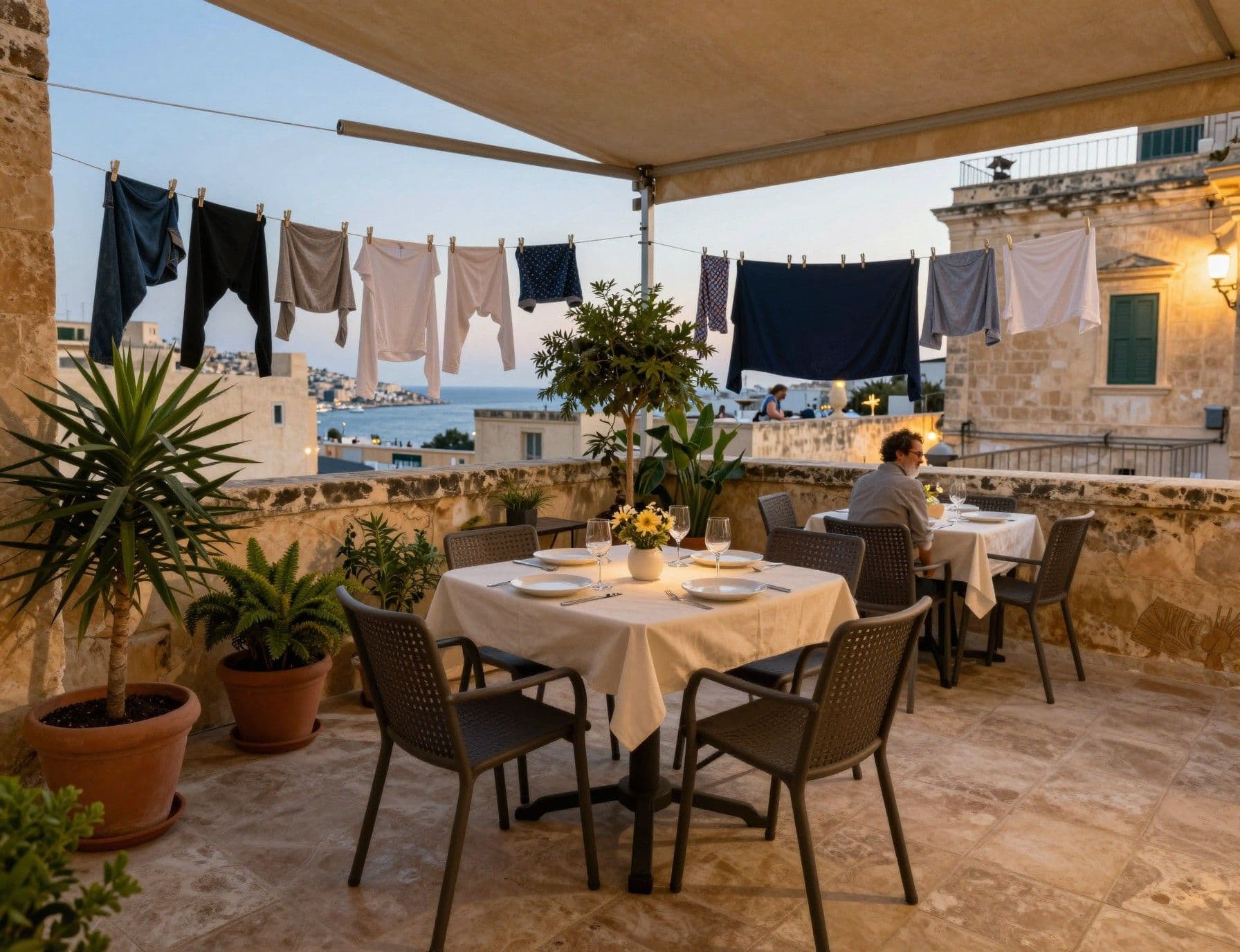
You can fall in love with a terrace view in one afternoon and discover structural issues the following week. Recent industry reports show growth concentrated in luxury and seafront segments while supply-tight inland pockets move more slowly. That means timeline and method matter: a targeted search, local inspection, and a realistic budget separate a dream that becomes a home from a dream that becomes costly maintenance.
Property types & how they shape life
Apartments dominate the market in Sliema and Gżira; maisonettes and townhouses appear more often inland and in historic quarters. Apartments give convenience and community amenities; maisonettes offer terraces and local street life. If remote work matters, prioritise reliable broadband and a quiet room — many older stone homes were never designed for a home office but adapt well with modest renovations.
Working with local experts who know the rhythm
A good agent is more than a listings feed: they know which streets flood in heavy rains, where noisy nightlife bleeds into mornings, and which sellers accept longer closing windows for paperwork. Look for agents comfortable with cross-border buyers, fluent in residency and permit logistics, and able to coordinate local lawyers and surveyors. That local network makes the lifestyle you pictured actually work.
- Practical steps that keep lifestyle front and centre
- 1) Prioritise neighbourhood visits at different times—morning market and Saturday night—to test the rhythm.
- 2) Commission a structural survey early for older limestone buildings; budget for damp-proofing and window upgrades.
- 3) Ask agents for comparable sales on the same street, not just the same town — Malta’s micro-markets matter.
- 4) Check short-let rules if you plan to rent seasonally—policy changes have shifted supply and rental returns recently.
Insider knowledge: mistakes expats keep repeating
We hear the same three regrets: buying sight-unseen, underestimating renovation timelines in older buildings, and assuming every sea-view commands long-term value. Sea-views sell fast, but the true value often hides in quieter streets where parking, sun on a terrace and proximity to a small grocery trump an extra room with a view.
Cultural fit and day-to-day life
English is widely used, which makes banking and school searches simpler. Local rituals — festa processions, siesta-influenced shop hours in smaller towns, and neighbourhood cafés as meeting places — shape routine. If community matters, look to Swieqi and Gżira for mixed expat-local populations. For quiet family life, Mellieħa and parts of the north deliver beaches and space.
Long-term outlook: sustainability and market texture
Reports show steady transaction value growth and a stronger luxury segment, but the market’s small size means single large developments shift averages quickly. For long-term lifestyle buyers, focus on streets with sustained demand (schools, healthcare access, and grocery options) rather than chasing headlines about national averages.
- Hidden-value streets to inspect (real examples to put on your list)
- Side streets off Tower Road in Sliema (good access, fewer tourists); parts of Gżira near the university (rental demand without premium seafront prices); older terraces near Mosta church (space and community at lower cost).
Conclusion: buy the life you want, not the headline. Malta rewards buyers who match neighbourhood rhythm to personal needs. Start by visiting at different times, ask for same-street comparables, and hire surveyors who understand limestone and older builds. If you want help transforming lifestyle ideas into realistic property searches, an agent who knows the island’s micro-markets will be your best companion.
British expat who relocated to Marbella in 2012. Specializes in rigorous due diligence and cross-border investment strategies for UK and international buyers.