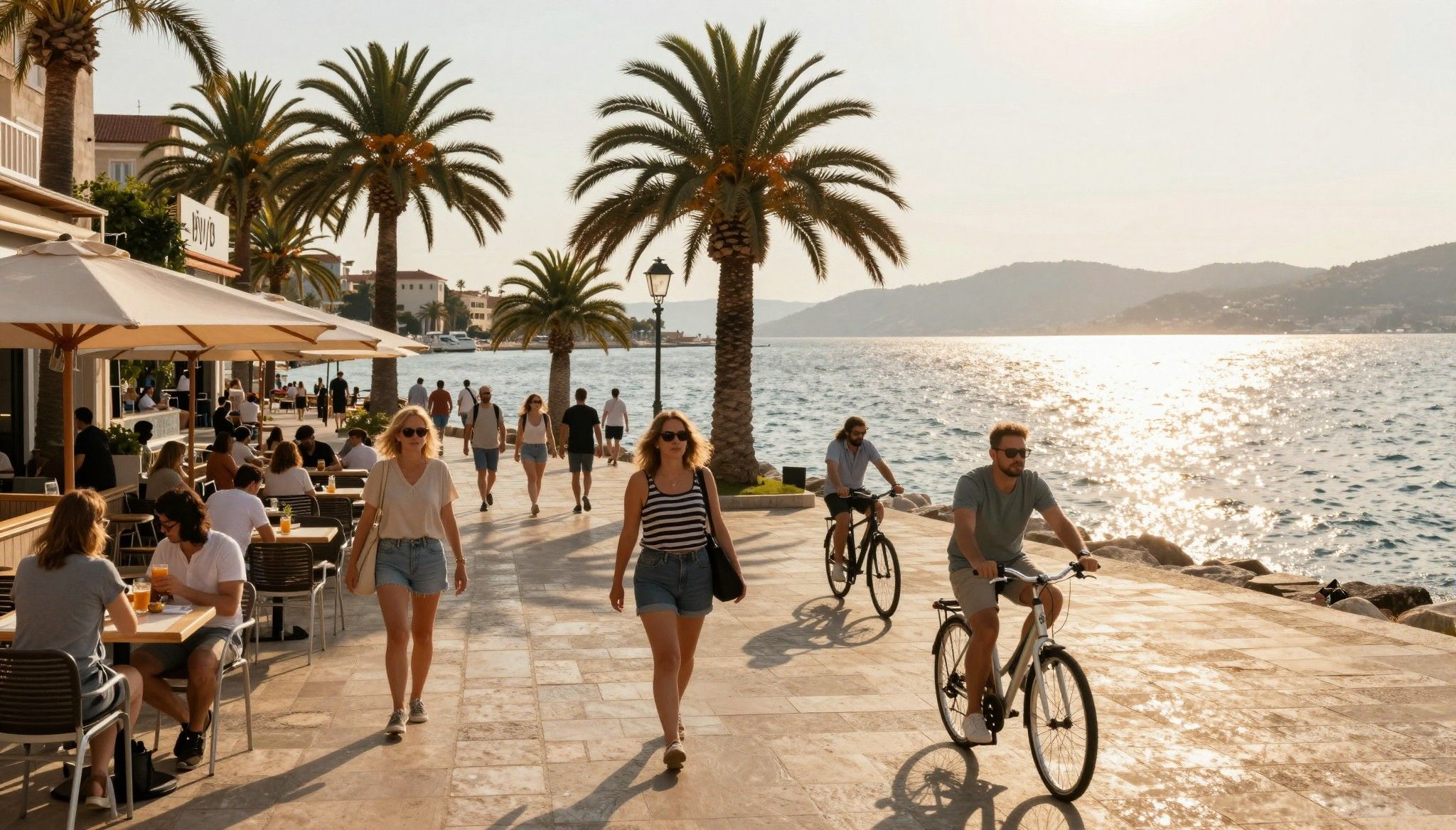
Greece: Pick the Rhythm, Not the Postcard
Greece offers a range of lifestyles — island rituals, city cafés, village markets — and buyers who test seasons and map daily rhythms find the best value and the truest home.
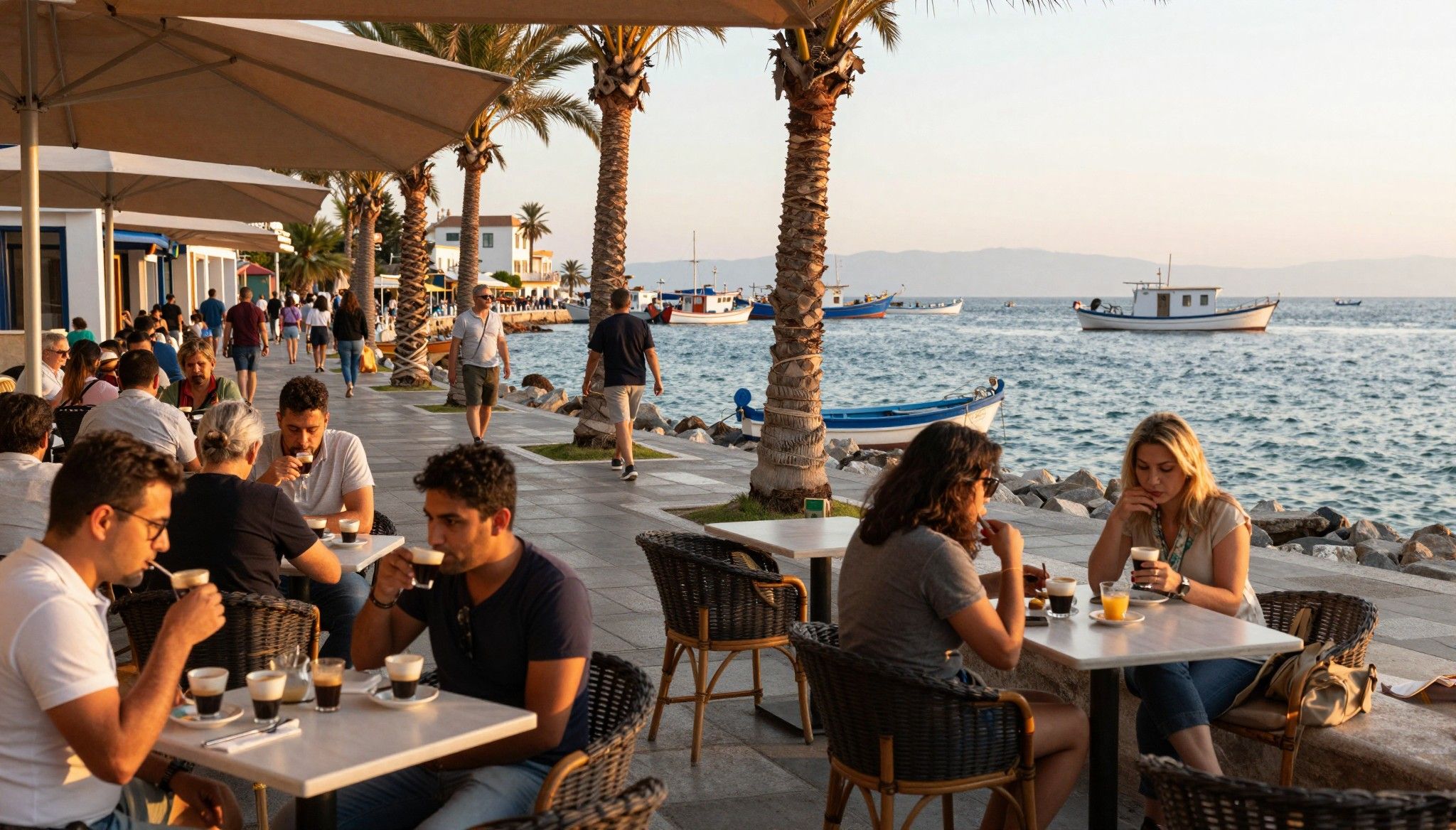
Imagine morning espresso at a sun-flooded kafeneio on Plaka’s narrow steps, then a late-afternoon swim at a near-empty cove on Kea before a seafood dinner at a harbour taverna. Greece is the kind of place that rearranges daily rhythms — sea and city, ritual and leisure — and that rhythm should shape where you buy. We’ll show you how lifestyle choices map to real market realities and what insiders wish foreign buyers knew before they signed anything.
Living Greek Life: More Than Postcards
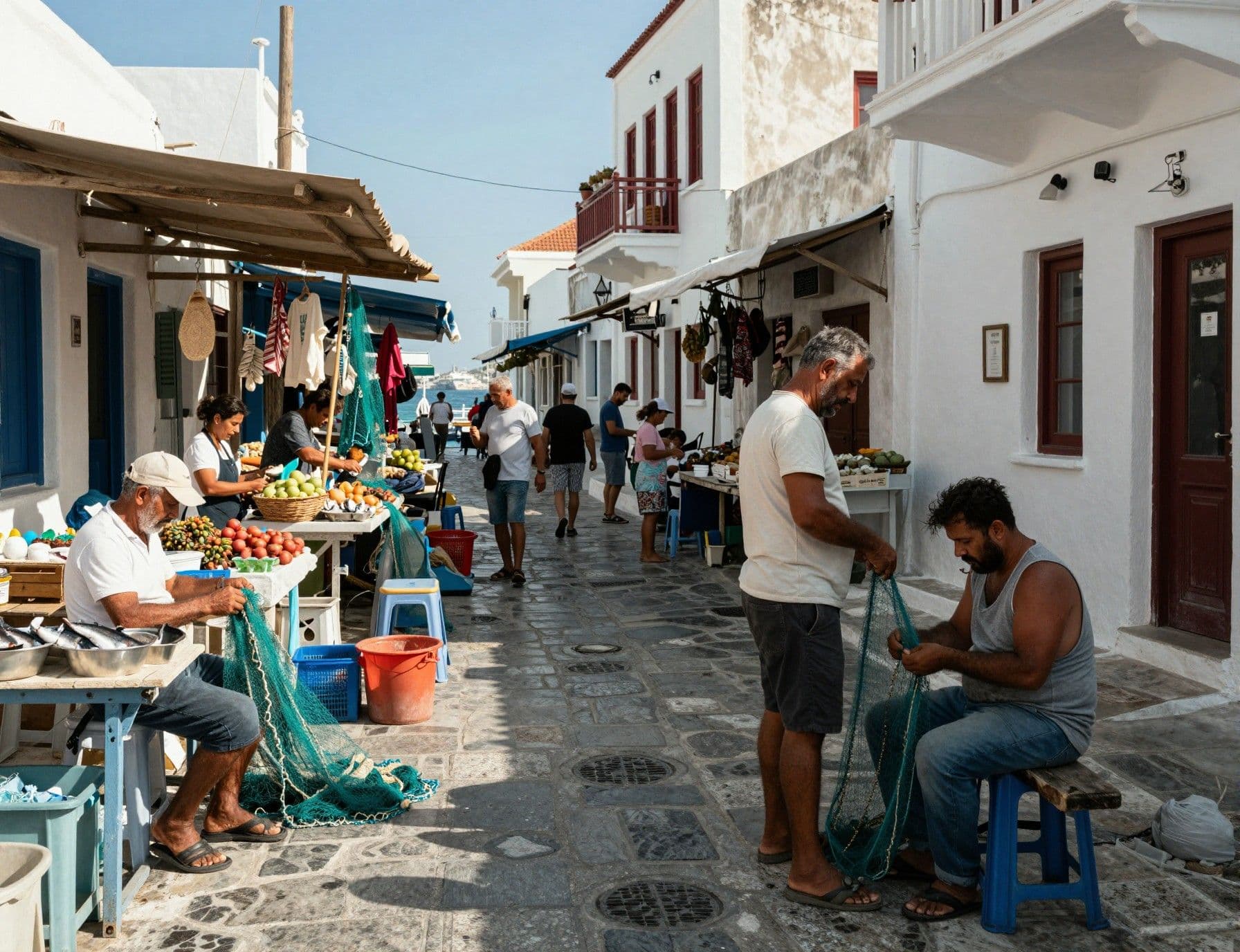
Daily life in Greece slices into neighbourhoods. In Athens you move between a morning coffee ritual and late-night plate-sharing; on Naxos you measure days by tide and market hours. The country is less a single lifestyle and more a menu: cosmopolitan mornings, island afternoons, village evenings. That variety is why buyers who fall in love with a street — not just a view — end up happiest.
Athenian rhythms: Kolonaki to Kerameikos
If you want walkable cafés, gallery openings and a short commute to museums, look at Kolonaki or the leafy parts of Pangrati. If you prefer grime with character and weekend markets, Kerameikos and Metaxourgeio pulse with creativity. In both cases, apartments are often smaller than foreign buyers expect; many purchases prioritize proximity to street life over square metres. Recent buyer trends show a tilt toward mid‑sized homes in Athens rather than sprawling pads.
Island life: Cyclades tradeoffs
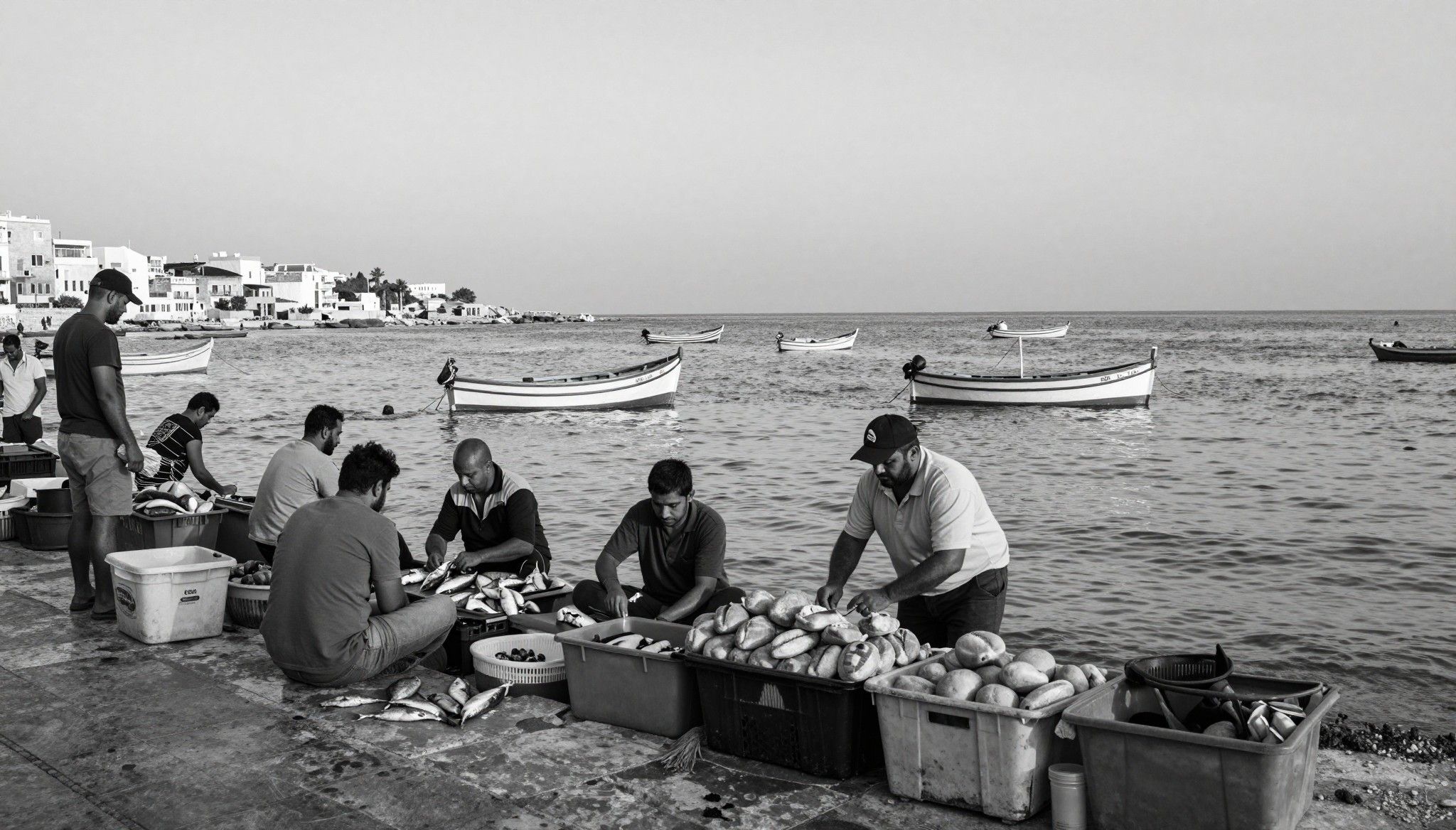
On islands such as Paros or Naxos you buy a lifestyle: morning swims, open-air markets, and tavernas that know your name. But island life also means seasonal flux — pulsing crowds in July and near-silent winters — and that changes rental potential, maintenance cycles, and renovation logistics. Buyers who prioritise daily rhythms (market Saturdays, fishing boats at dawn) find greater satisfaction than those chasing purely investment returns.
Lifestyle Highlights — What Sells the Dream
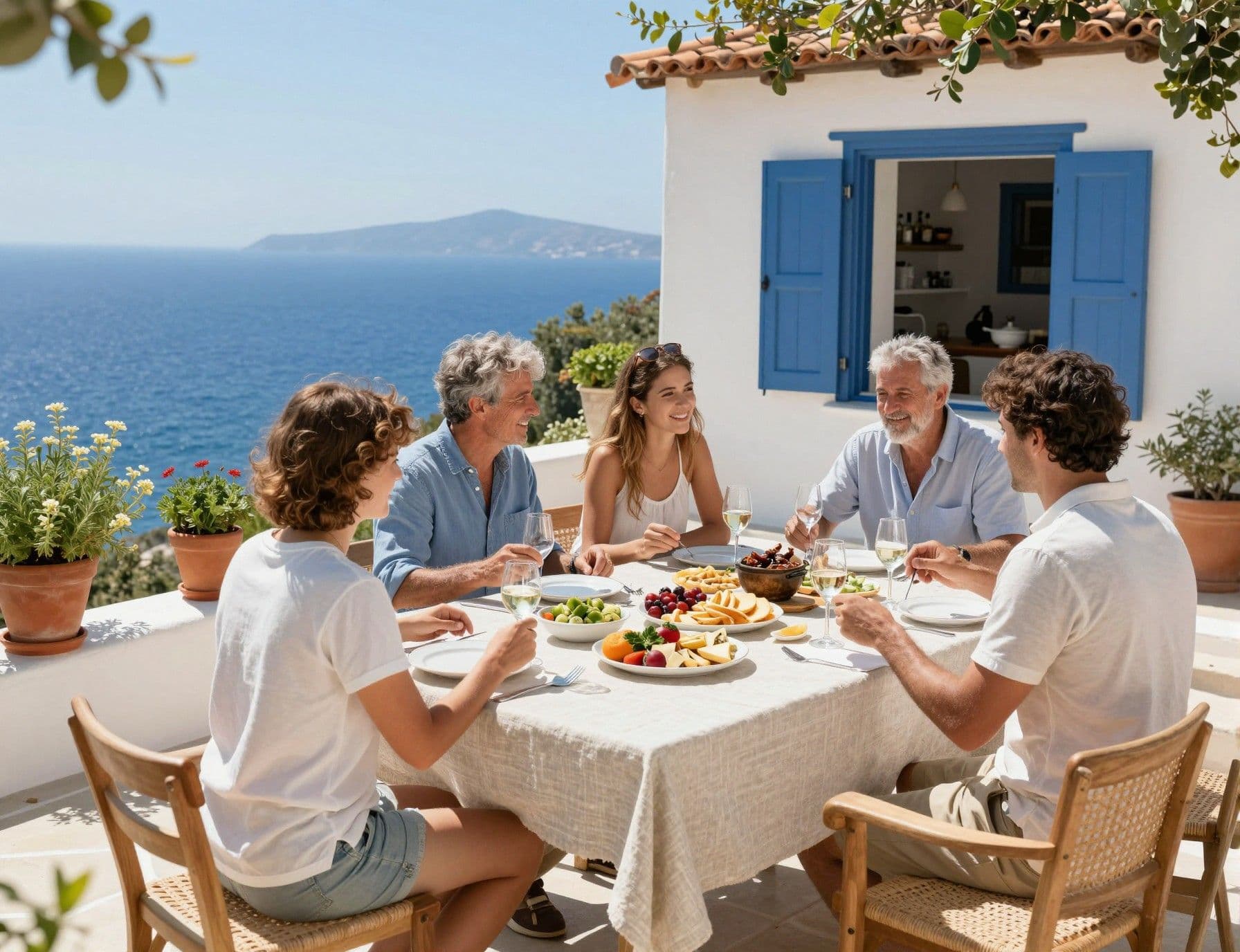
Here are the sensory, social and seasonal moments that most influence where people choose to live — and why they matter when you’re comparing properties across Greece.
Food, markets and the neighbourhood calendar
A weekly market can be the social glue for a village or suburb; tavernas, bakeries and the kiosk on the corner define neighbourhood quality more than glossy new façades. When we tour properties we note proximity to markets and seaside promenades first — they tell you whether a place will feel alive or lifeless outside high season.
Lifestyle highlights
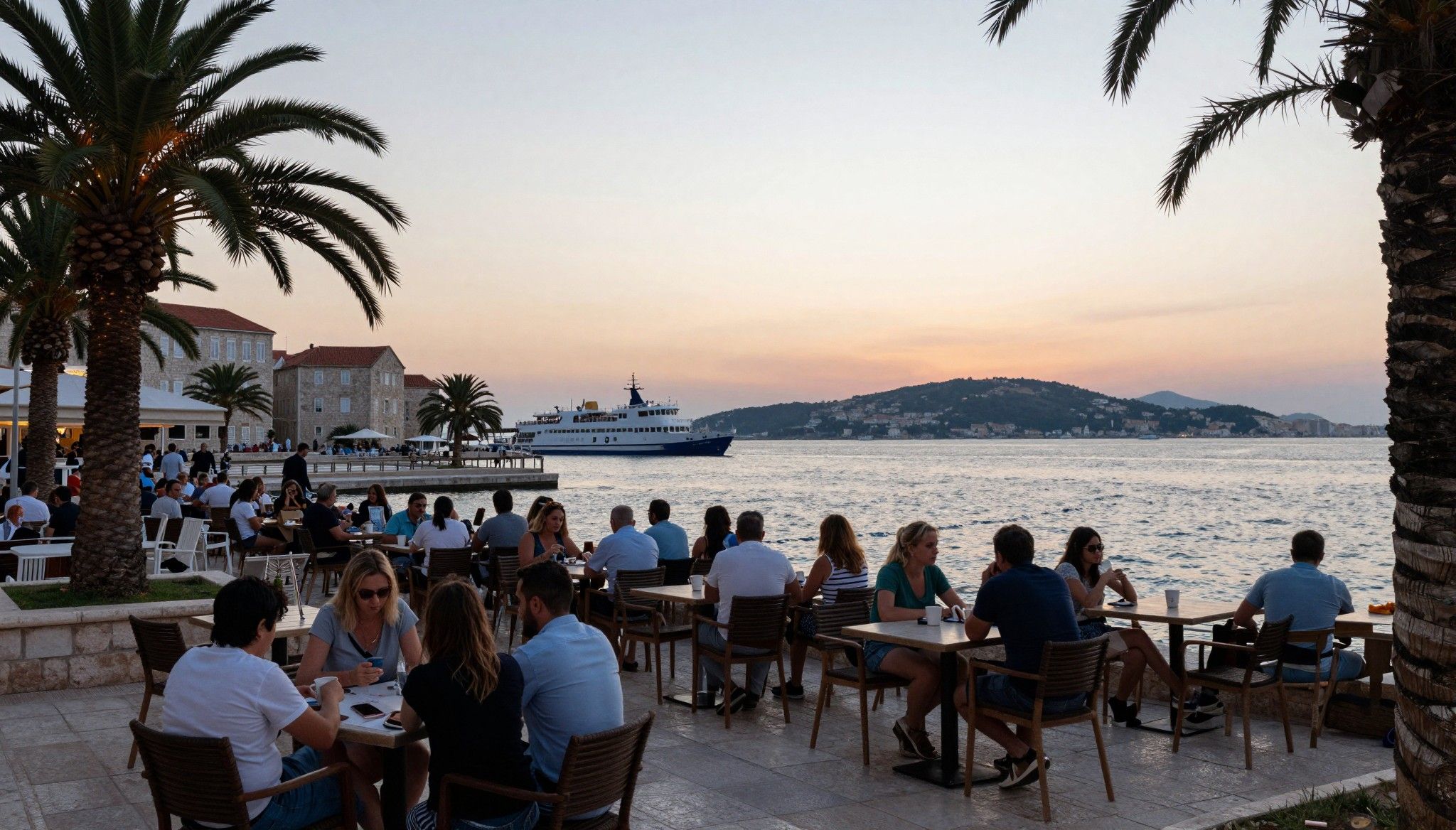
- Morning espresso at Taf coffee (Athens), late-night meze on Naxos’ harbour, Tuesday fish market in Chania, hidden beach coves on Antiparos, cooperative boulangerie in Rethymno
Making the Move: Practical, Contrarian Advice
Greece’s market is now a mix of lifestyle buyers and sophisticated investors. Prices climbed in prime spots, but the headline ‘too expensive’ line misses nuance: many underpriced opportunities exist in secondary islands and in Athens neighbourhoods undergoing subtle regeneration. The trick is matching patience with local knowledge — and checking supply data before you fall for a postcard view.
Property types: what actually fits the life you want
New build villas give you low maintenance and modern comforts; restored stone houses offer character but higher renovation demands. In Athens, classic neoclassical flats with high ceilings feel generous but can have complex ownership histories. Choose form that supports function: if you love alfresco meals, prioritise terraces and kitchens that open to outside. If you’ll rent in summer, check room layouts and access for short‑let guests.
Working with local experts who match life to ledger
- 1) Ask your agent to map daily life (shops, markets, transport) not just price per square metre. 2) Insist on a local lawyer who reads the title deeds and utility histories. 3) Confirm rental rules and short-let restrictions in that municipality. 4) Get contractor quotes early for likely immediate works (shutters, waterproofing, insulation).
Insider Knowledge: Myths, Mistakes and What Expats Wish They’d Known
Myth: Greece is only for holiday buyers. Reality: many buyers make it a primary home and plug into local life. Mistake: buying on a single short visit in July. Reality: summer crowds hide noise, delivery logistics and winter light. Expat wish: “I should have lived on the street for a month before buying.”
Seasonal truth: why summer visits mislead
- Summer can hide: fluctuating ferry schedules, noise from tourism events, and false impressions of neighbourhood services. Plan at least one visit in shoulder season (April–May or September–October) to see real life.
Golden Visa: fact and strategy
The Golden Visa rules have evolved — thresholds and eligible areas changed in recent legislation — so if residency is part of your plan, treat eligibility as a core filter, not an afterthought. Some islands have lower thresholds; other areas saw minimums rise. Work with an advisor who cross-checks property choice against current law before you make an offer.
Conclusion: Greece asks you to pick a rhythm and match a property to it. Start with lifestyle — the market data (price trends, foreign‑buyer shares and residency rules) will tell you which lanes are realistic. Visit out of season, bring local experts early, and let the street life decide. If you want help mapping neighbourhood rhythm to legal reality, we’ll connect you with vetted agents, local lawyers and expat homeowners who’ve done exactly this.
Norwegian market analyst who serves Nordic buyers with transparent pricing and risk assessment. Specializes in residency rules and tax implications.