Where Croatia’s Lifestyle Meets Real Price Signals
Croatia’s coast is headline‑hot, but regional house‑price indices and transaction data reveal where lifestyle truly meets value — and the checks international buyers must run.
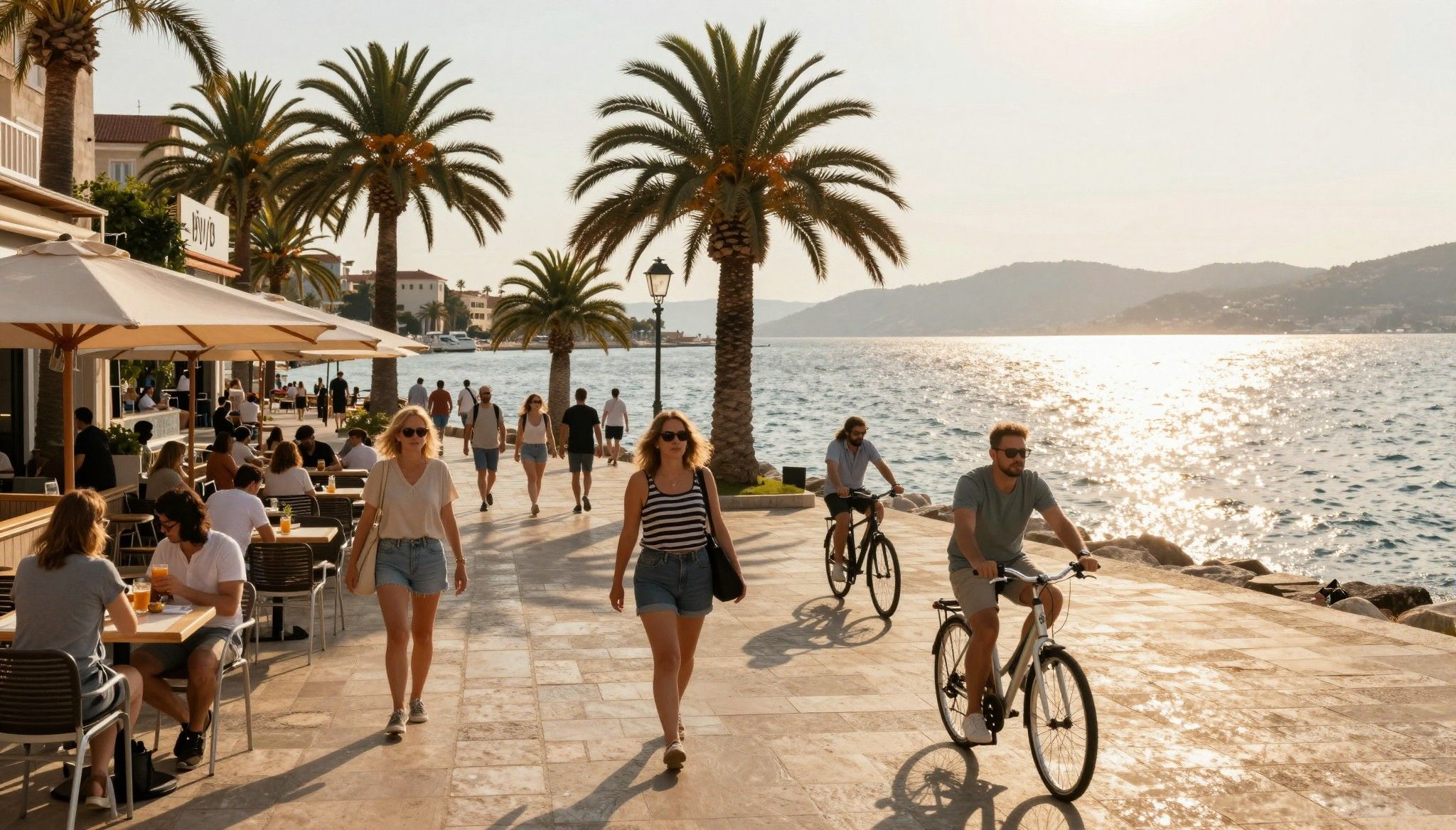
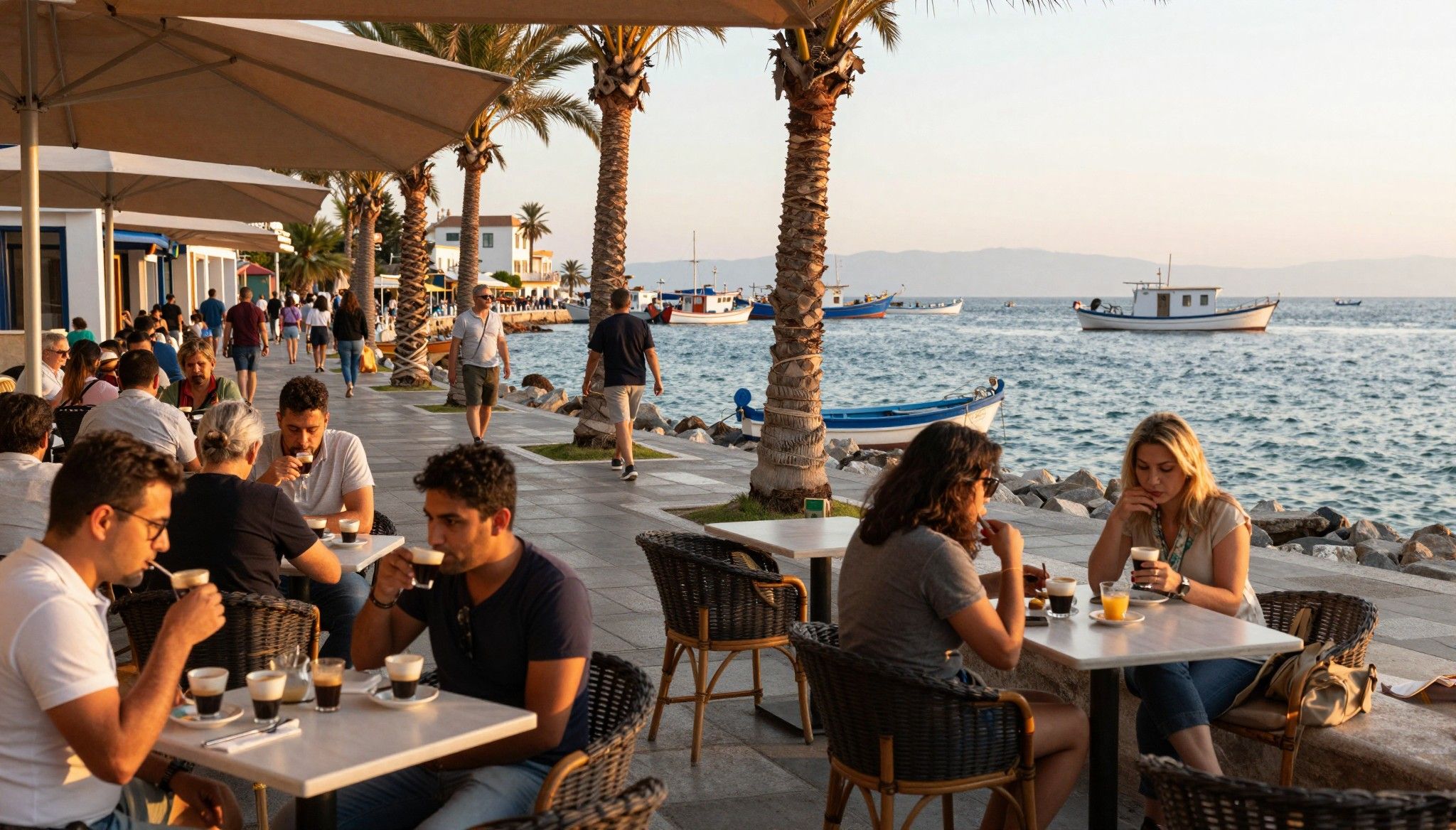
Imagine stepping out for espresso on Split’s Marmontova in spring, or buying groceries at Dolac market in Zagreb and walking home past 19th‑century façades. Croatia’s coast smells of pine and salt; inland towns offer slow Saturdays in kafanas. That life is real — and that’s why we look beyond headlines to the data that tells you whether that dream can be bought.
Living the Croatia lifestyle
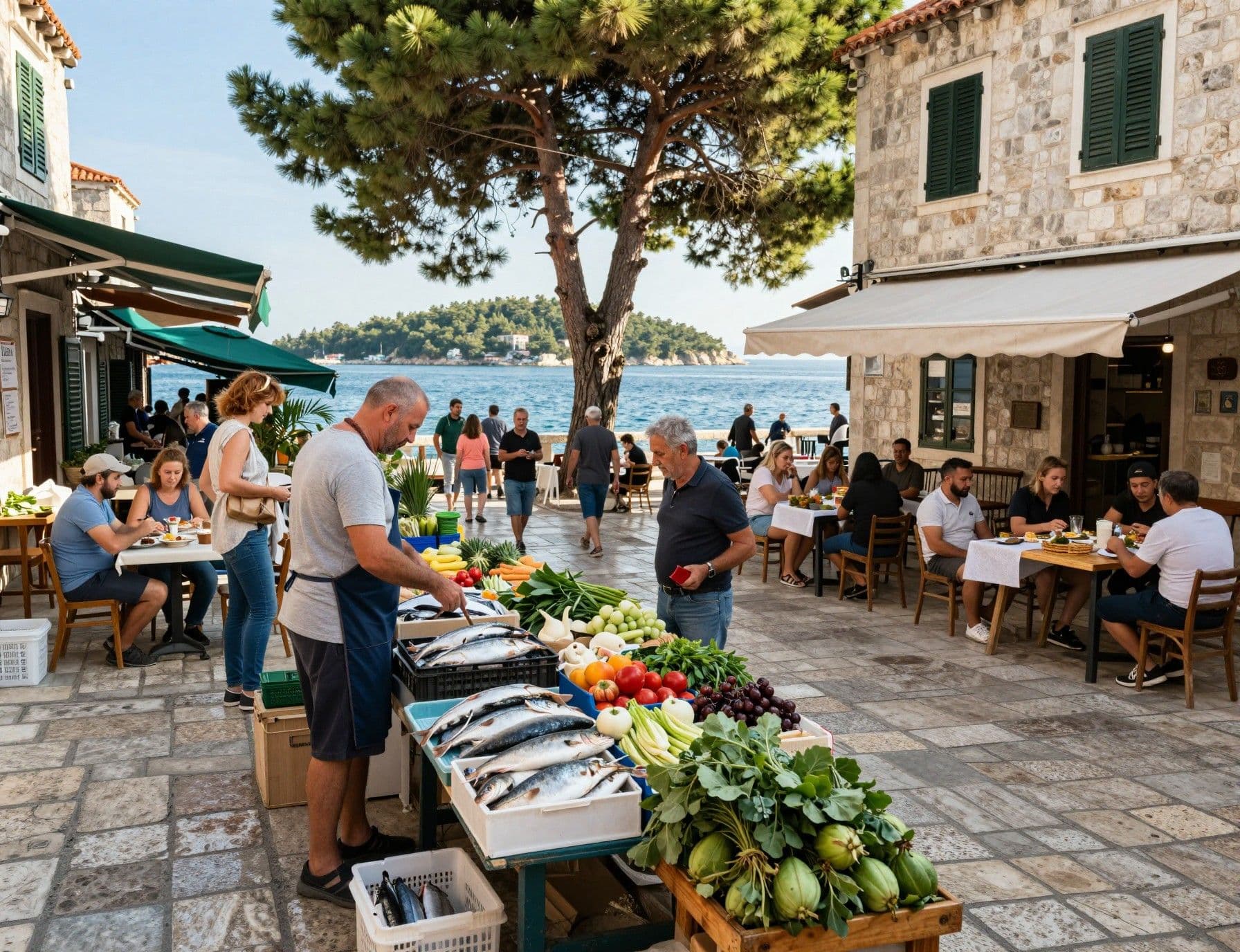
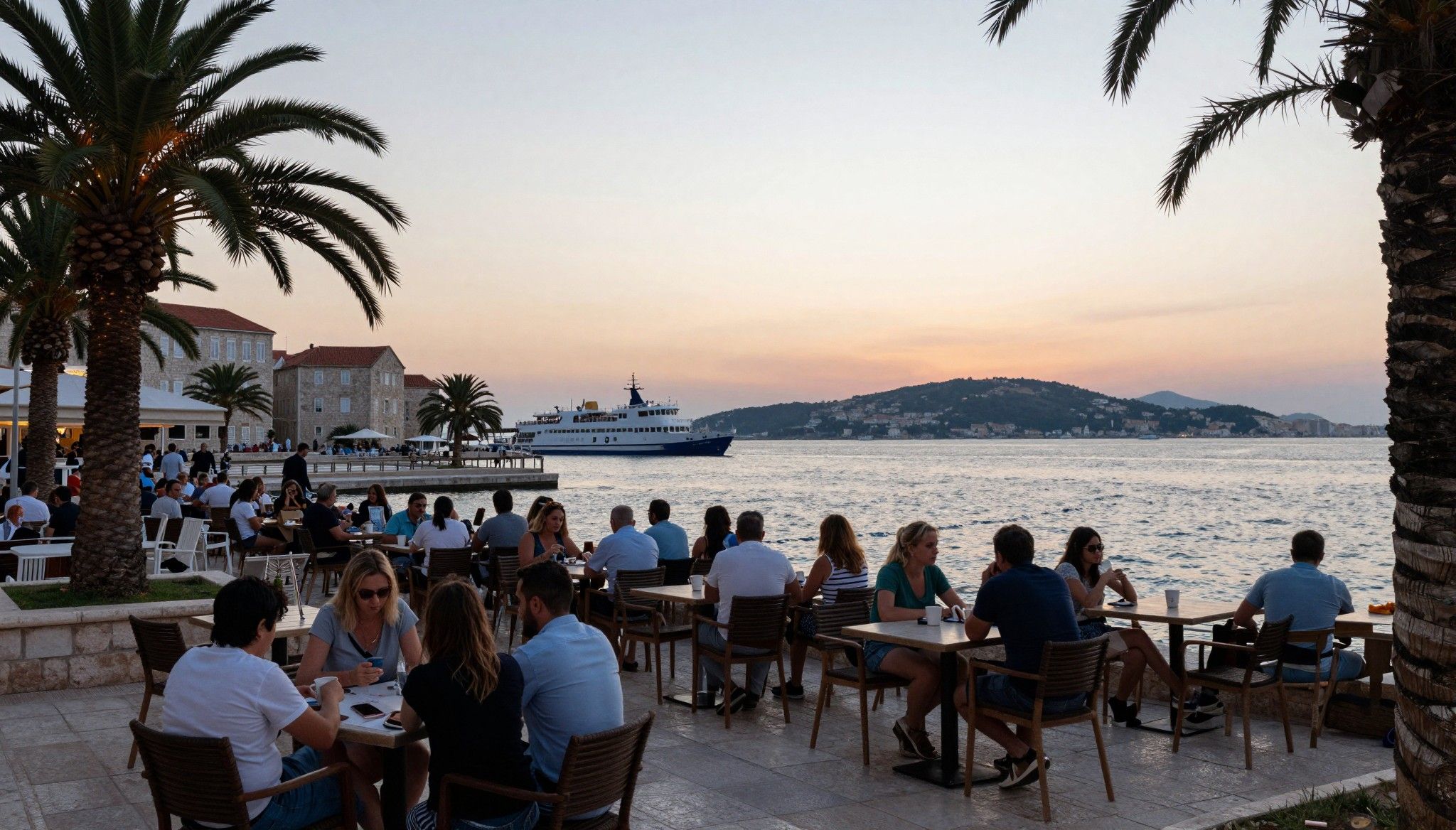
Croatia asks you to slow down the first week you’re here. Mornings are café‑driven, afternoons drift to the shore, evenings gather around long dinners of grilled fish and local plavac mali. The coastal rhythm — Dubrovnik’s Old Town’s footsteps, Hvar’s lavender markets, Rovinj’s narrow alleys — shapes where people want to live and which properties command a premium.
Coast: Split, Hvar, Rovinj — postcard and practical
The coast is not a monolith. Split mixes working port life with a restored Roman core; Hvar leans seasonal and social; Rovinj in Istria feels more Italianate, calmer in winter. These differences explain price gaps: proximity to a yacht marina or UNESCO walls can double per‑square‑metre values compared with a village 20 minutes inland.
Inland & cities: Zagreb, Slavonia, and the hinterland
Zagreb’s Donji grad offers urban life with museums, parks and year‑round demand; Slavonia (east) trades coastal glamour for much lower prices and larger plots. For buyers after space and long‑term value, towns like Osijek and Varaždin deserve a look — quieter lives and property prices that can outpace rents when paired with remote work income.
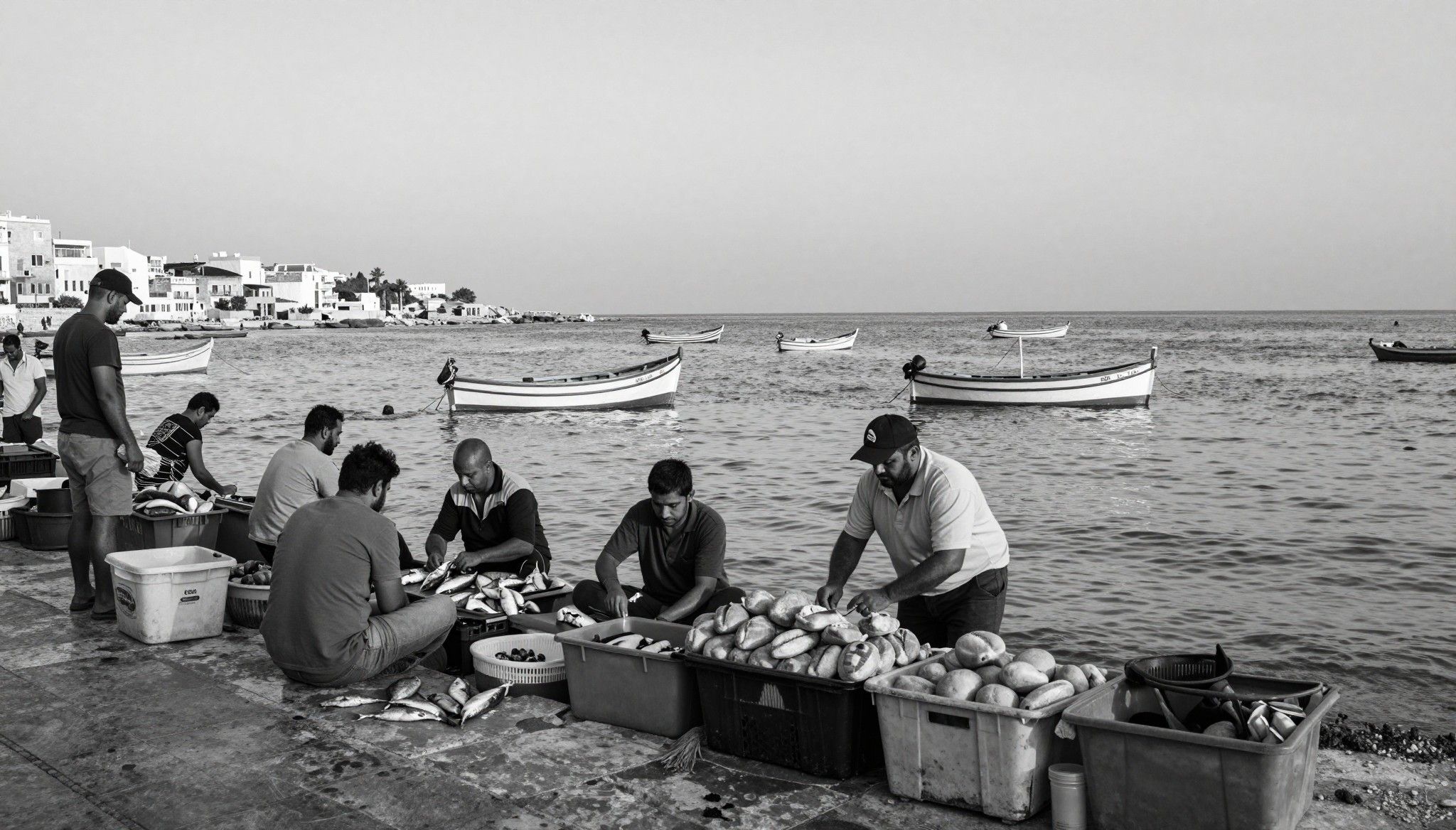
- Lifestyle highlights: morning espresso at Split’s Riva; weekend fish markets in Zadar; lavender fields and wine bars in Hvar; Sunday concerts in Zagreb’s Zrinjevac; hidden pebble coves on Brač; olive‑oil tastings in Istria.
Making the move: how prices behave (and where the myths mislead)
Contrary to the simple 'coast = overpriced' story, official data show strong regional divergence. The Croatian Bureau of Statistics publishes a house price index that separates Zagreb, the Adriatic coast and other regions — and the coast’s growth is concentrated in specific hotspots, not evenly across every seaside village. The Croatian National Bank flags rising prices but also falling transaction volumes — a sign of tightening affordability rather than uniform overheating.
What the numbers actually mean for buyers
Ask prices and official indices both matter. Platforms like Njuškalo show asking‑price growth in Split‑Dalmatia and Istria, while DZS indices and HNB reports show year‑on‑year house price inflation concentrated in Q2–Q3 2024–2025. For you, that means distinguishing between headline growth and where liquidity is — busy markets with frequent sales (Zagreb, some coastal towns) versus thin markets where price quotes can be misleading.
Property styles and what they cost to live in
A renovated stone townhouse in Dubrovnik will have maintenance and municipal rules that affect value; a new build apartment near Split’s ferry terminal sells for convenience and rental demand; rural houses often need renovation budgets. Plan for lifecycle costs — insulation, roofing, septic or mains connections — not just the purchase price.
- Practical steps that blend lifestyle and numbers: 1. Compare DZS HPI and local asking prices to spot hotspots. 2. Check transaction volumes (HNB or regional registries) to assess liquidity. 3. Budget 10–20% for renovation when buying older coastal stone houses. 4. Factor in seasonal rental potential if relying on income — peak months concentrate returns.
Insider knowledge: what expats wish they’d known
Expats tell a consistent story: you fall in love with a street, but your day‑to‑day is shaped by services — medical access in Zagreb, ferry timetables on islands, school options in Istria. Small choices (which side of the street faces the sea, proximity to a market) determine whether a place suits permanent life or seasonal escape.
Cultural cues that change buying behaviour
Language matters less than local networks. Learn basic Croatian greetings, and cultivate a notary and a local agent who actually speaks both languages. Sellers commonly negotiate in person; having an on‑the‑ground contact changes the offers you see and the speed of closing.
Long‑term lifestyle vs short‑term yield
If you chase short‑term rental yields, expect higher management needs and seasonal variability. If you buy for a life change, prioritise connectivity, healthcare and community. Reports from Colliers and market commentary show transactions falling even as prices rise — this is the market telling us long‑term returns will depend on careful site selection, not broad coastal exposure.
- Red flags local buyers heed: • Low transaction volume with high asking prices (thin market) • Unresolved communal ownership issues on coastal buildings • Properties advertised without cadastral parcel numbers or clear deeds • Promises of 'future marina' or infrastructure upgrades with no planning permits
- How to proceed in six clear steps: 1. Use DZS HPI and Njuškalo asking prices to shortlist towns. 2. Ask your agent for recent completed sale prices, not just listings. 3. Order a cadastral extract and check encumbrances with a local lawyer. 4. Get three renovation quotes if buying older stock. 5. Plan for seasonal cashflow if renting — realistic occupancy is key. 6. Meet neighbours — in Croatia, local knowledge reveals hidden maintenance issues.
A practical example
We looked at two coastal properties in 2025: a renovated apartment near Split’s Diocletian walls and a detached house 10km inland. The apartment had higher per‑m2 cost but stronger year‑round rental demand and easier resale; the inland house offered space and lower entry price but needed €30–50k in works and had lower liquidity. Which is right depends on whether you want immediate life by the sea or room to grow slowly.
Conclusion: Croatia rewards buyers who pair romance with records. Start with living the place — cafés, markets, ferry rhythms — then interrogate the data: DZS HPI, HNB diagnostics, and local asking‑price platforms. Work with a local lawyer and an agent who knows the neighbourhood, not just the listing. Do that, and you’ll buy the life you fell in love with — with evidence that it was a wise choice.
Norwegian market analyst who serves Nordic buyers with transparent pricing and risk assessment. Specializes in residency rules and tax implications.