Greece: Match the Life, Then the Neighbourhood
Greece offers daily seaside rituals and city rhythms — match the life you want to neighbourhoods, account for seasonality, and use season-tested local dossiers before you buy.
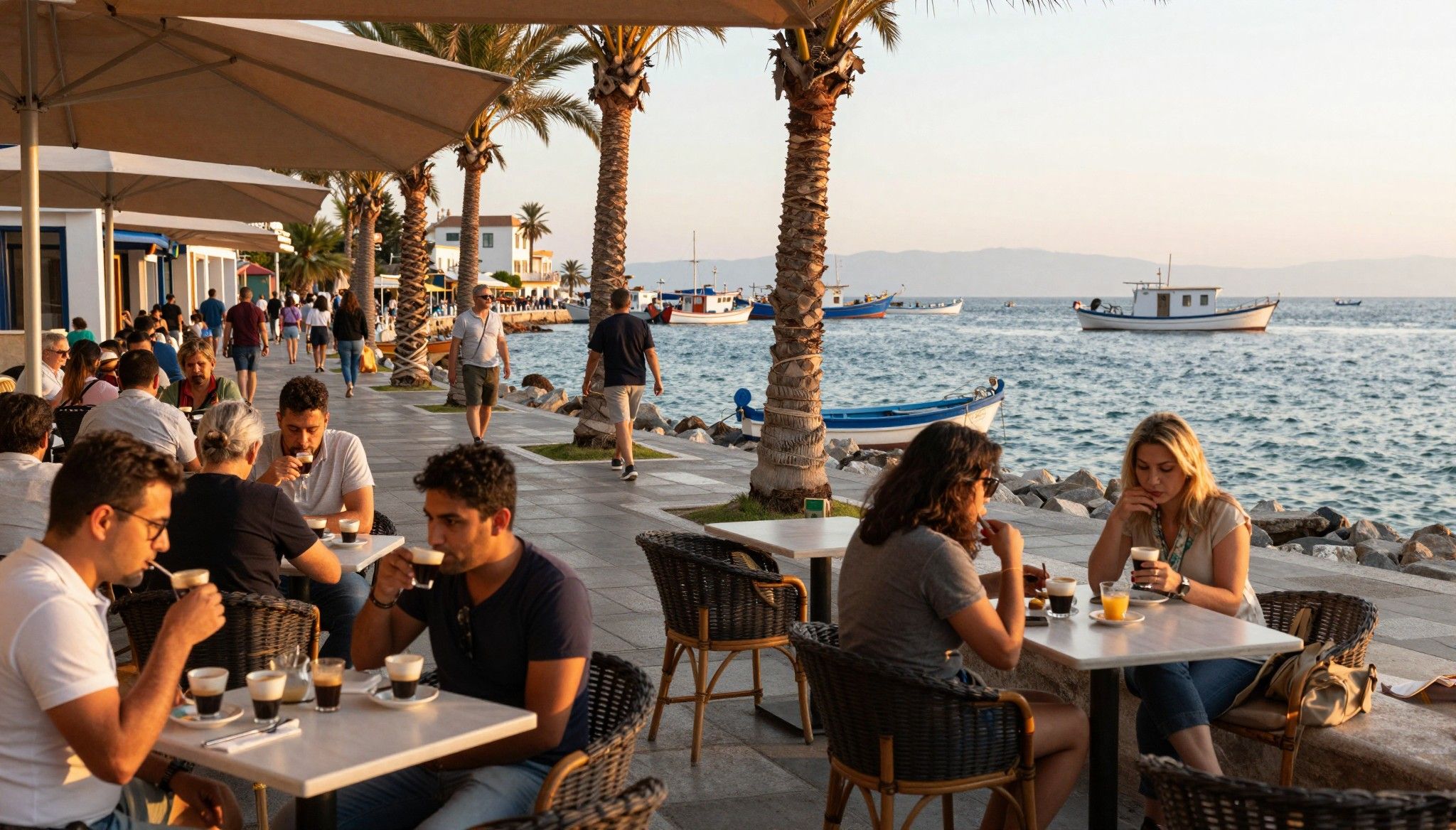
Imagine waking to an espresso at a corner kafeneio on Plaka, then swapping alleyway shade for an afternoon swim off Alimos. That easy juxtaposition — ancient stones beside a coastline you actually use — is Greece's daily rhythm. For international buyers, the dream is tangible, but the market has shifted. Recent activity, policy changes and stronger tourism have reshaped where opportunity sits and how you should approach property here.
Living the Greece lifestyle
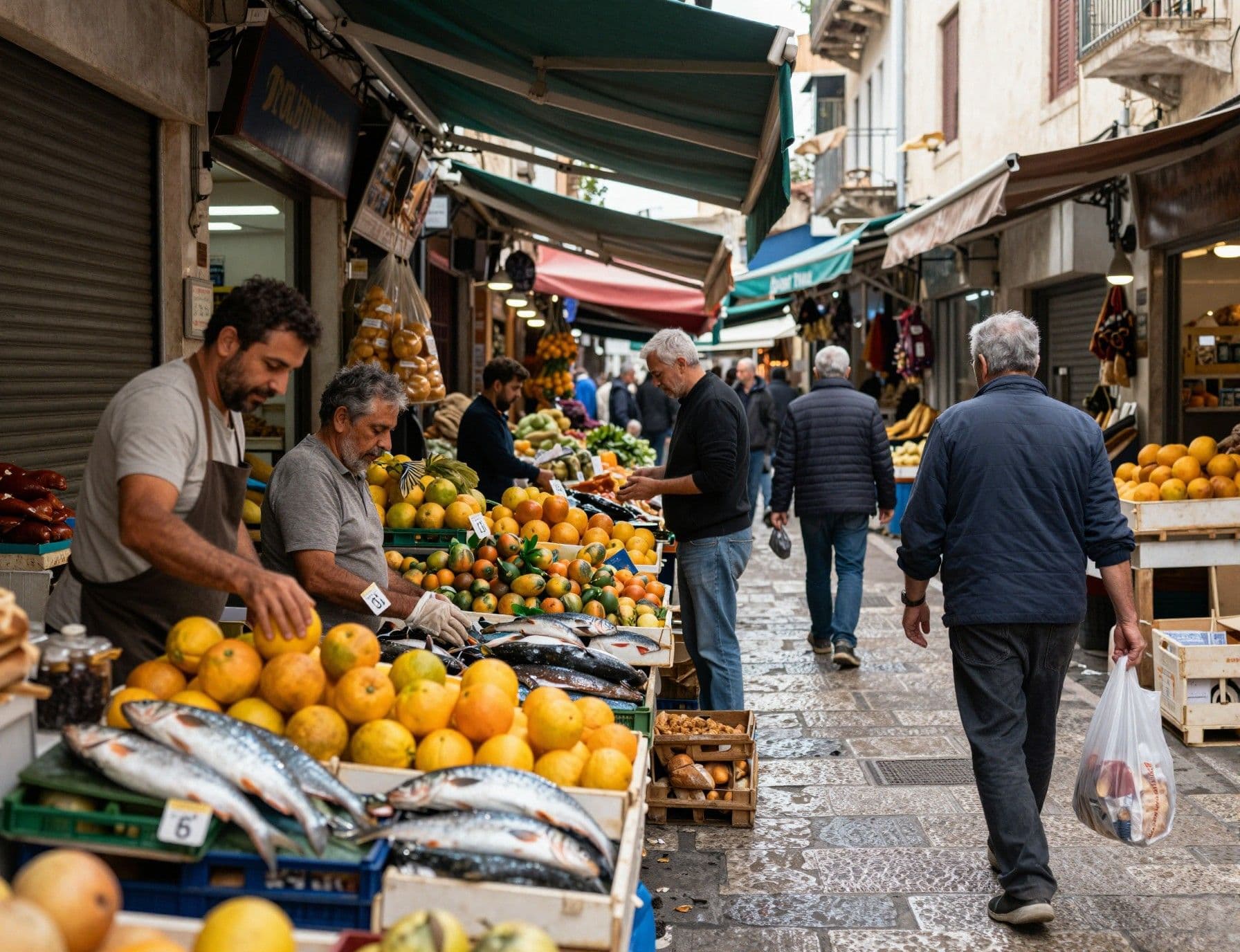
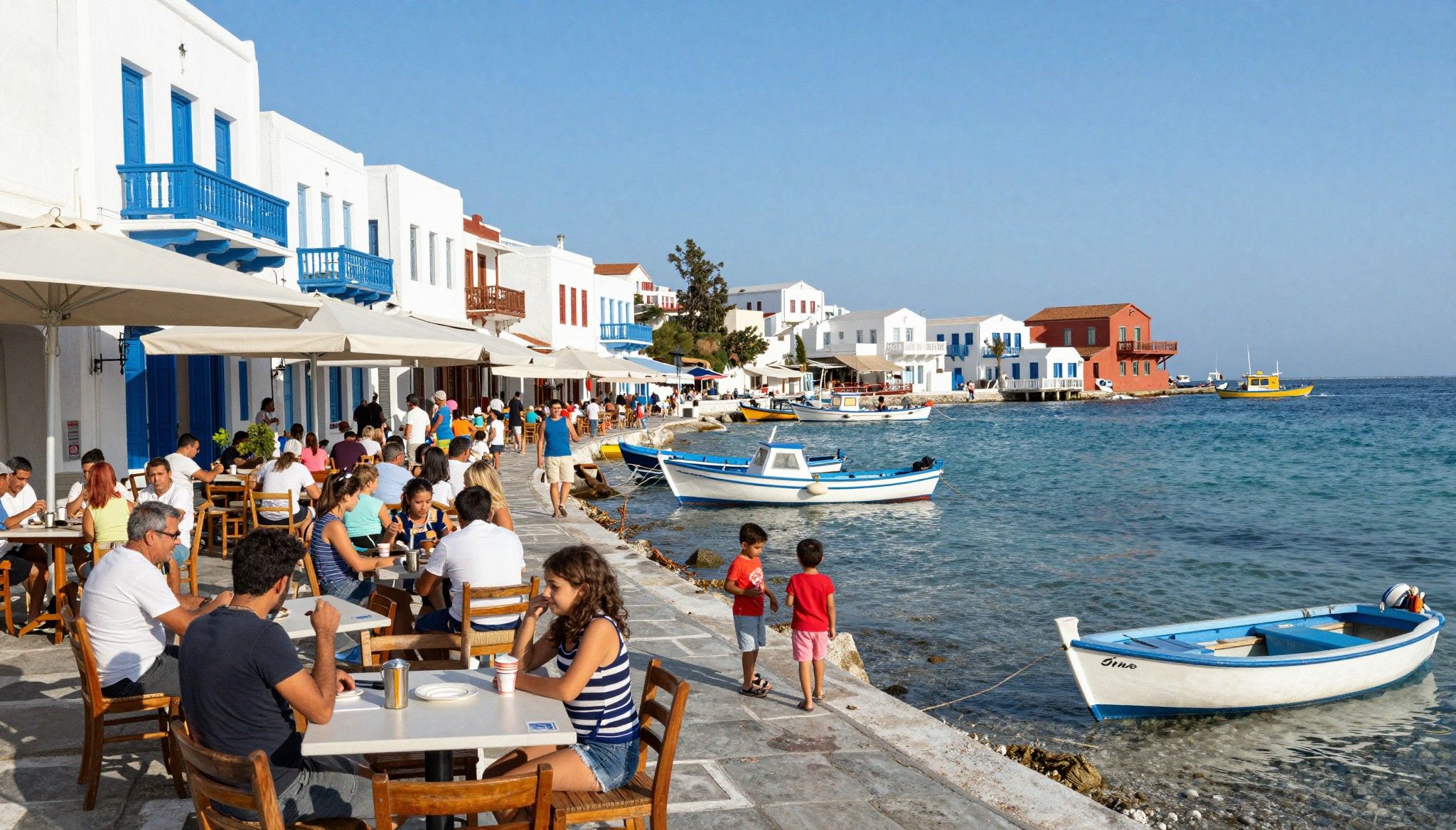
Life in Greece is lived outdoors: morning markets, siesta-light pauses, late plates shared at sidewalk tables. Regions pulse differently — Athens hums with neighbourhood cafés and galleries, Mykonos and Santorini move at tourist tempo in summer, while the Peloponnese and islands like Naxos feel village-slow year-round. Tourism is still a major engine — recent Bank of Greece figures show record arrivals and higher receipts — which directly affects neighbourhood character, rental demand and what your weekends will feel like.
Neighborhood spotlight: Athens — Koukaki to Kifisia
Koukaki gives you narrow streets, evening tavernas and short walks to the Acropolis — it's the kind of place you can feel rooted in quickly. Contrast that with Kifisia: tree-lined avenues, larger apartments and a slower, suburban rhythm favoured by families. Which one fits you depends on how you want to spend your days: museum openings and rooftop bars, or long bakery queues and local schools.
Food, markets and the weekend ritual
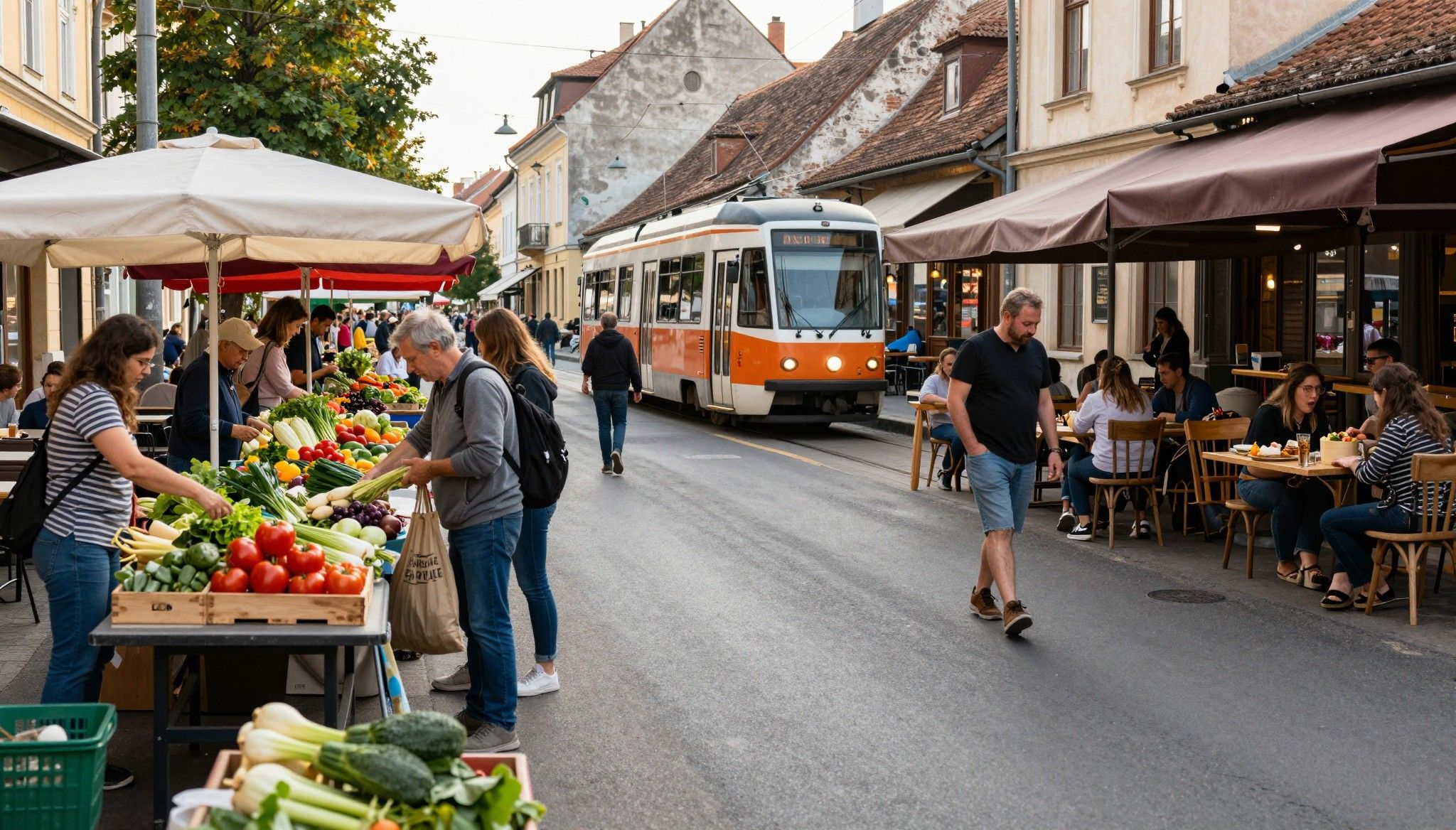
Picture Saturday mornings at Varvakios Market — citrus, herbs, octopus pulled from the ice — followed by slow coffee and a book. Regional markets shape neighbourhood life: seaside towns trade in fresh fish and late-night ouzo sessions, inland villages centre around bakeries and squares. Seasonality is tangible: coastal towns swell in July and August (hotel and arrival data confirm strong seasonal peaks), which alters how you use a home and what neighbourhoods feel like in low season.
- Varvakios Market (Athens) — fresh produce and weekday energy
- Koukaki rooftops — sunset dinners and short walks to museums
- Naoussa (Paros) — a quieter island alternative with a local fishing port
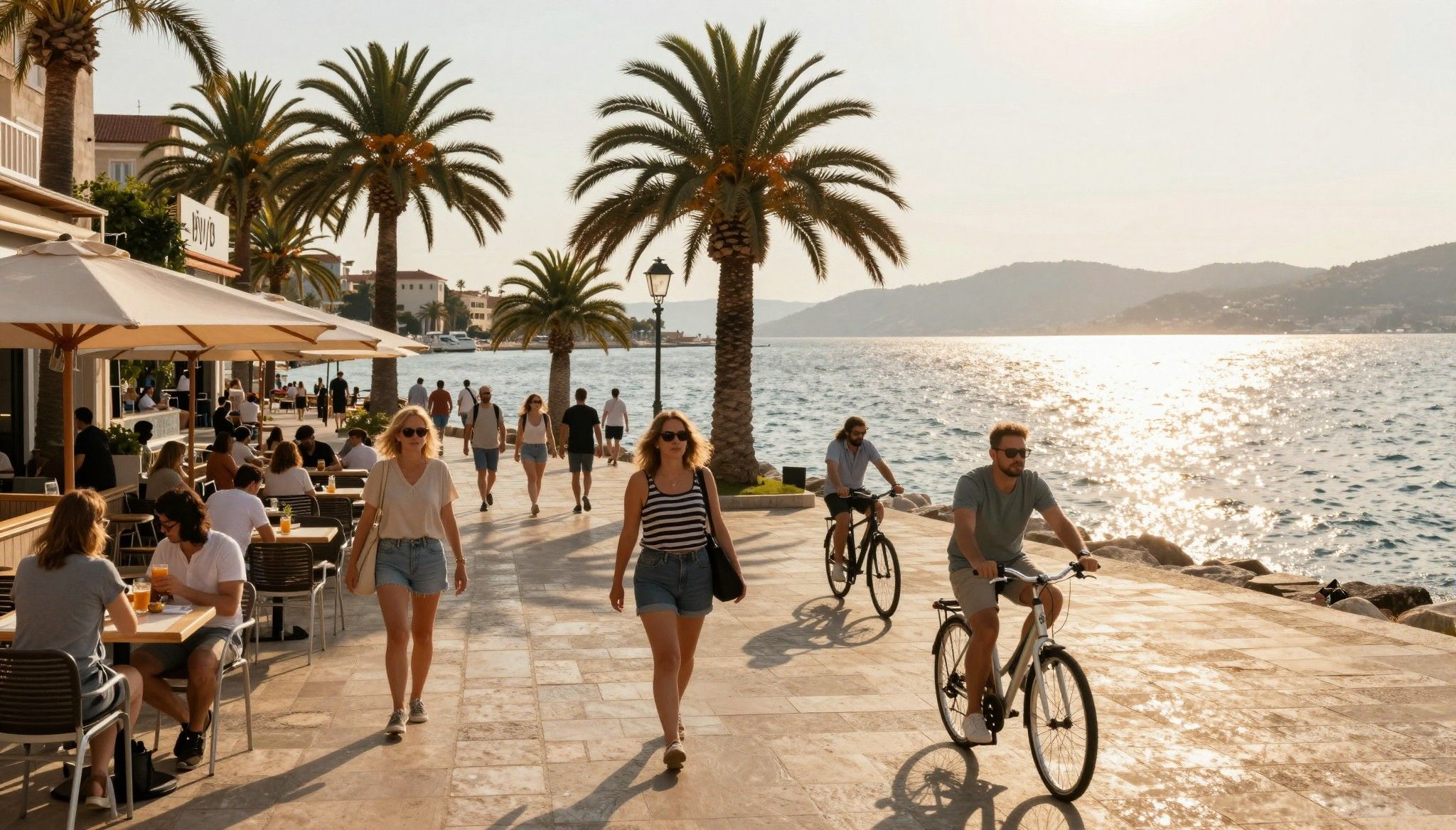
- Alimos beach strip — everyday swimming without tourist queues outside peak weeks
Making the move: practical considerations
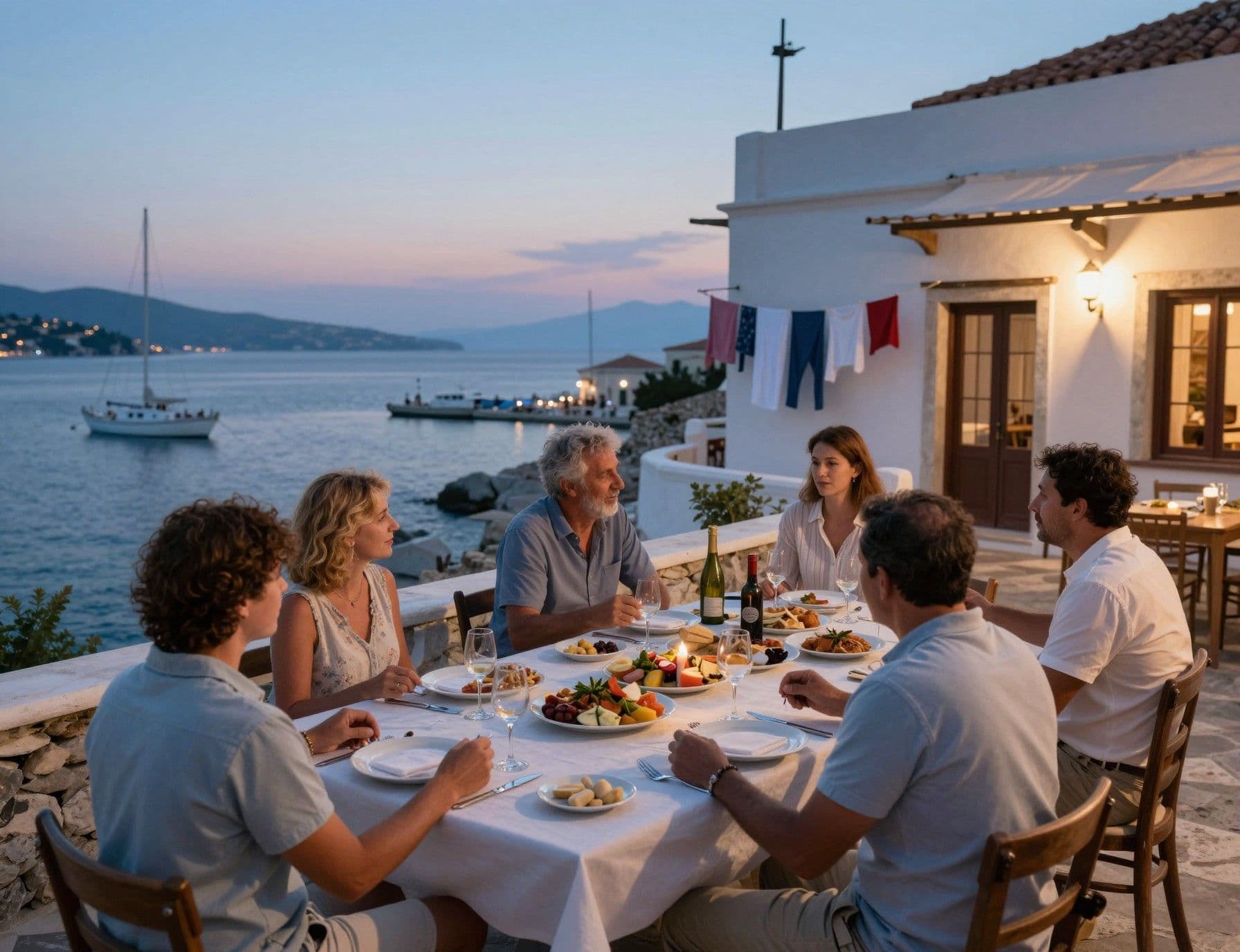
Dreaming and signing are two different rhythms. Recent market data shows price growth has moderated from the double-digit spikes of 2023, but demand — especially in prime islands and core Athens areas — remains strong. Policy shifts around residency-linked programs and a quieter buyer pool in some quarters have changed who pays what, and where. That means timing, neighbourhood selection and a realistic budget are now more influential than ever.
Property styles and how you'll live in them
Stone townhouses on islands give you courtyard life and thick walls that stay cool in summer, but renovating them is a patient exercise. Modern Athens apartments offer instant urbanity and better resale/liquidity, while villas on the mainland give outdoor space and privacy — essential if you plan long stays. Match property type to lifestyle: daily swim? Choose ease of access to beaches. Year-round city life? Prioritise insulation, heating and storage for winter months.
Working with local experts who know the rhythm
A good local agent is more cultural translator than salesperson: they’ll flag whether a summer rental will hollow out a neighbourhood in winter, explain island logistics, and introduce you to trusted notaries and engineers. We recommend agencies that can show a track record across seasons and provide utility-readiness checks and local renovation partners. Ask for neighbourhood dossiers — not glossy photos — that include noise patterns, water supply notes and municipal plans.
- Request a season-to-season dossier: (1) summer rental demand; (2) winter occupancy; (3) maintenance history; (4) local service providers; (5) projected local taxes and fees.
Insider knowledge: what expats wish they'd known
Expats often tell the same two surprises: first, that the daily life (cafés, markets, neighbours) is more rewarding than they imagined; second, that local logistics — from permit speed to water delivery on islands — require patience. Luxury pockets and northern cities like Thessaloniki have shown price resilience even as visa-driven demand cools, so your expected returns and daily happiness may live in different places. Knowing which trade-off you accept makes the search far faster and kinder on your nerves.
Cultural integration and everyday norms
Greek social life leans local: invitations to dinner are sincere, shops close for mid-afternoon pauses in smaller towns, and language effort goes a long way. Expect to exchange small favours with neighbours and to learn the rhythm of municipal offices. Join a local association or a class — you'll meet people and uncover practical tips about heating fuels, waste collection schedules and the best local tradespeople.
Long-term lifestyle and practical watchpoints
Think five years out: will this neighbourhood still feel like the one you fell for in high season? Consider tourism pressure, municipal development plans and infrastructure investments. Budget for routine works (roof waterproofing, salt-corrosion treatments on islands) and keep an emergency fund for slow bureaucratic repairs. These practicalities affect weekly life far more than decor choices.
- Seasonal considerations: winter heating, summer water pressure, and island ferry schedules
- Renovation reality: older stone houses often need structural and insulation upgrades
- Resale liquidity: Athens and larger islands trade more readily than small inland villages
If you want to feel the place before buying, spend at least two seasons there: a summer to see peak life, and a winter to test the neighbourhood's year-round character. That simple test separates postcards from lived-in reality. When you're ready, work with agencies that provide evidence — seasonality data, actual utility bills, neighbour references — not just photographs.
Conclusion: Greece is a place of small, meaningful routines and big landscape moments. The right property gives you both a morning market habit and a sea you can use. Start with a life sketch — how you want your weekdays and weekends to feel — then map that to neighbourhoods and property types. If you pair lifestyle clarity with local expertise and season-aware diligence, you’ll find a home that fits both your days and your investment logic.
Norwegian market analyst who serves Nordic buyers with transparent pricing and risk assessment. Specializes in residency rules and tax implications.