Croatia: Love the Light — Demand the Paper Trail
Fall for Croatia's light, but insist on documents: coastal demand drives price momentum, and transparency — land-registry extracts and permits — is the buyer's best protection.
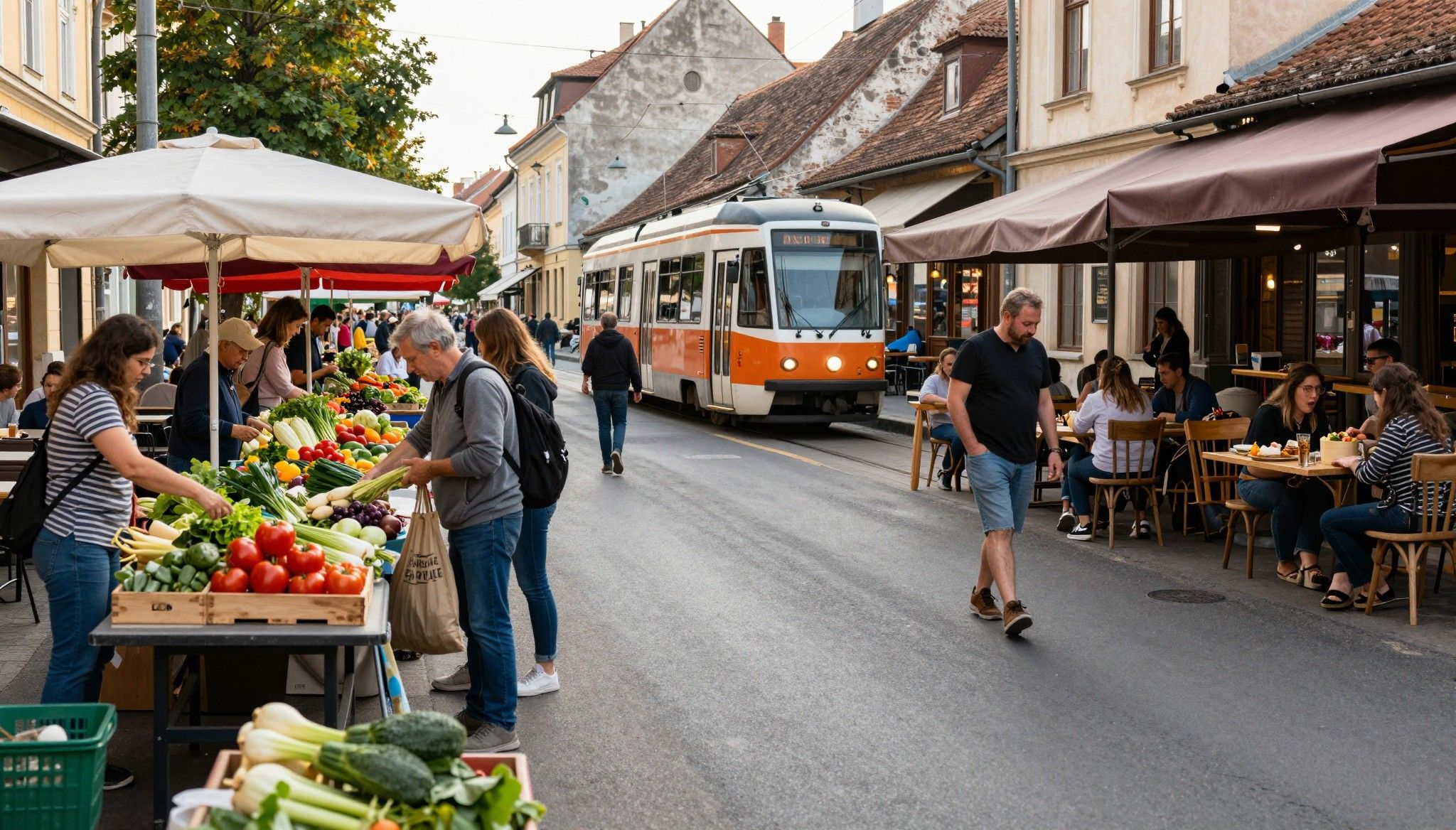
Imagine waking to the sound of a fishmonger shouting at Dolac market in Zagreb, then swapping that city rhythm for an afternoon sail from Split's Riva — Croatia's daily life moves at coastal light and old-stone pace at once. We lead with that scene because lifestyle matters: the market here is driven by tourists, second-home demand, and a dispersed set of local rules that can surprise even experienced buyers. Read on: we'll show where the romance meets paperwork, which local myths actually hurt buyers, and how to use transparency — not hype — to buy with confidence.
Living the Croatia Lifestyle
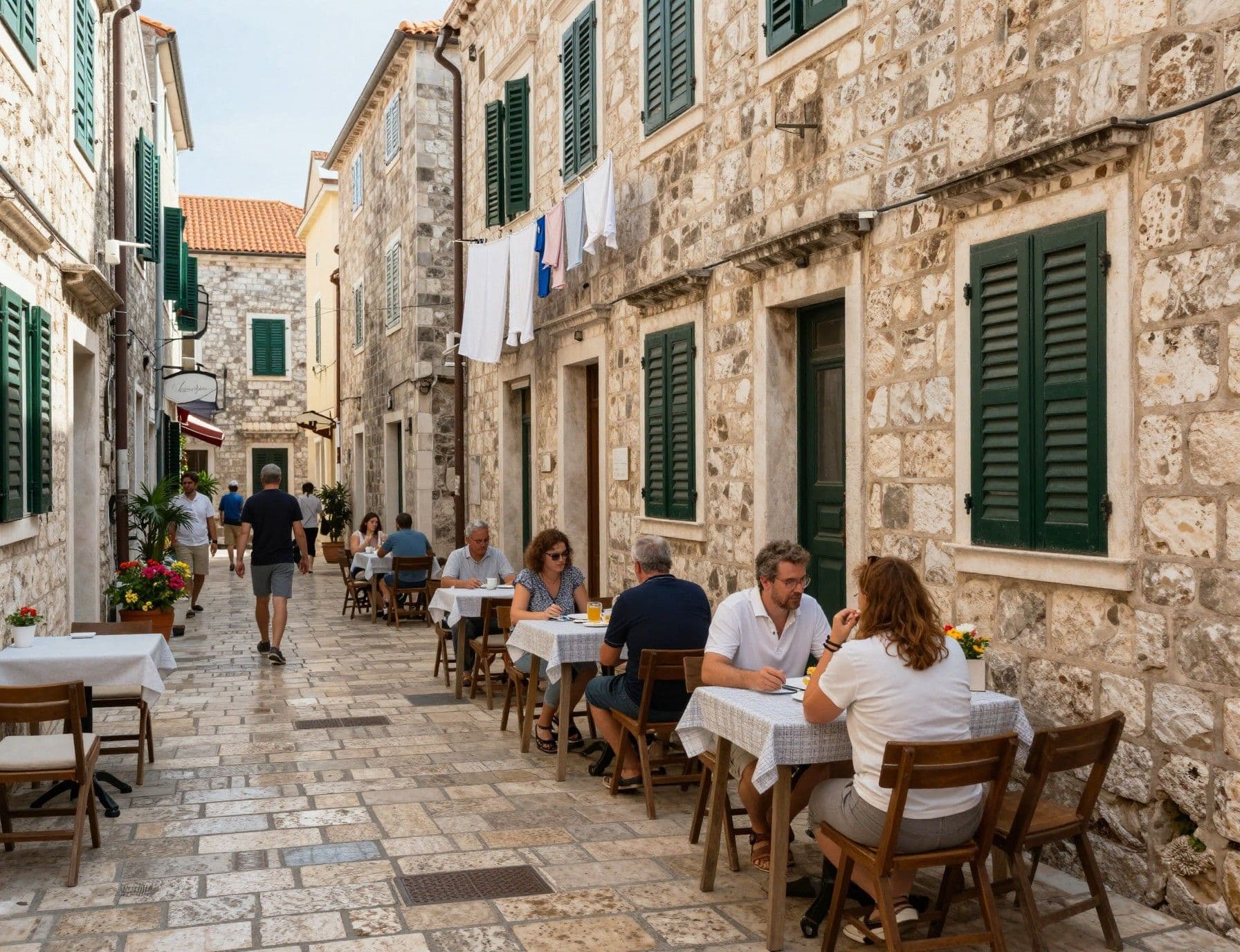
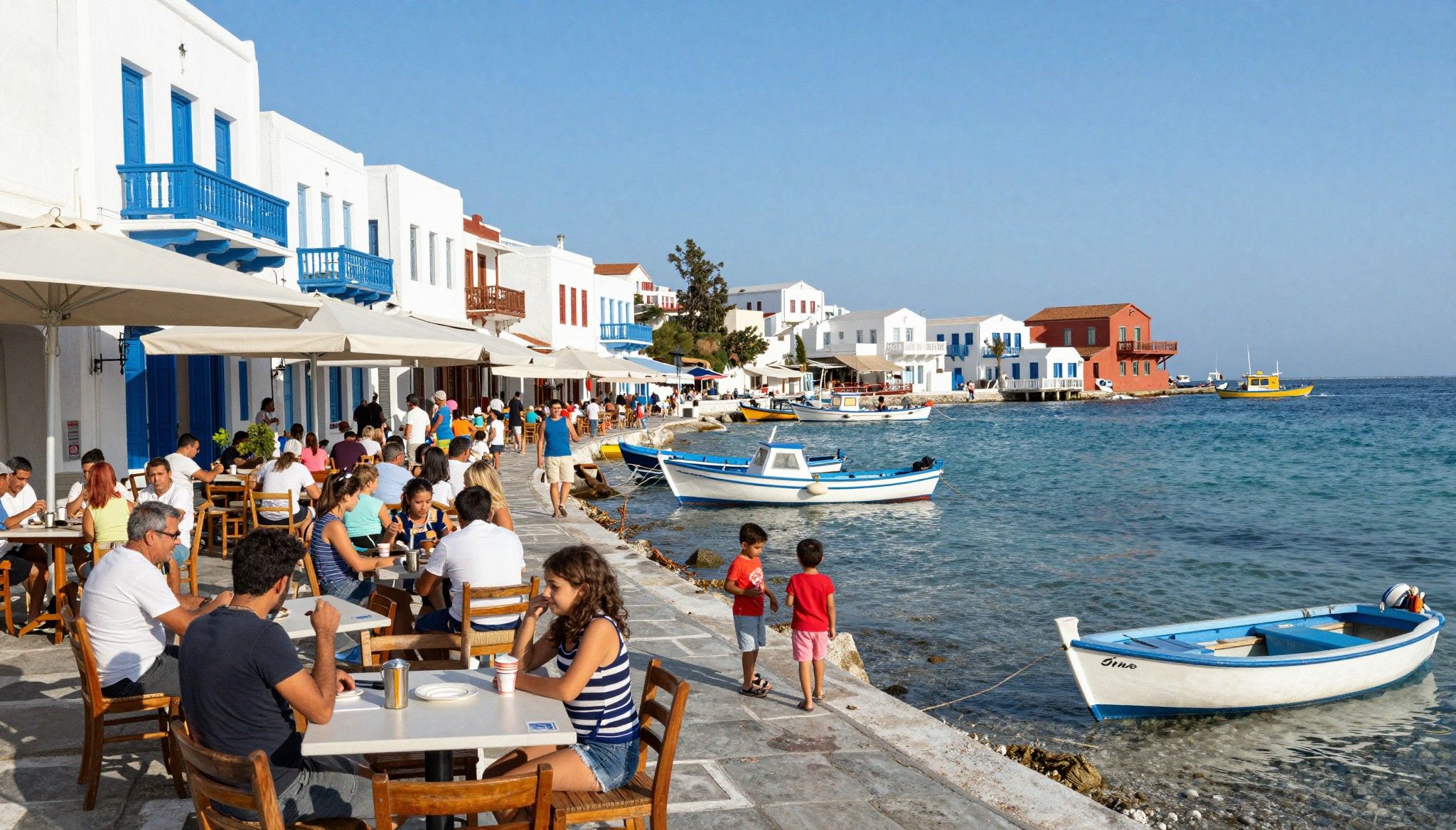
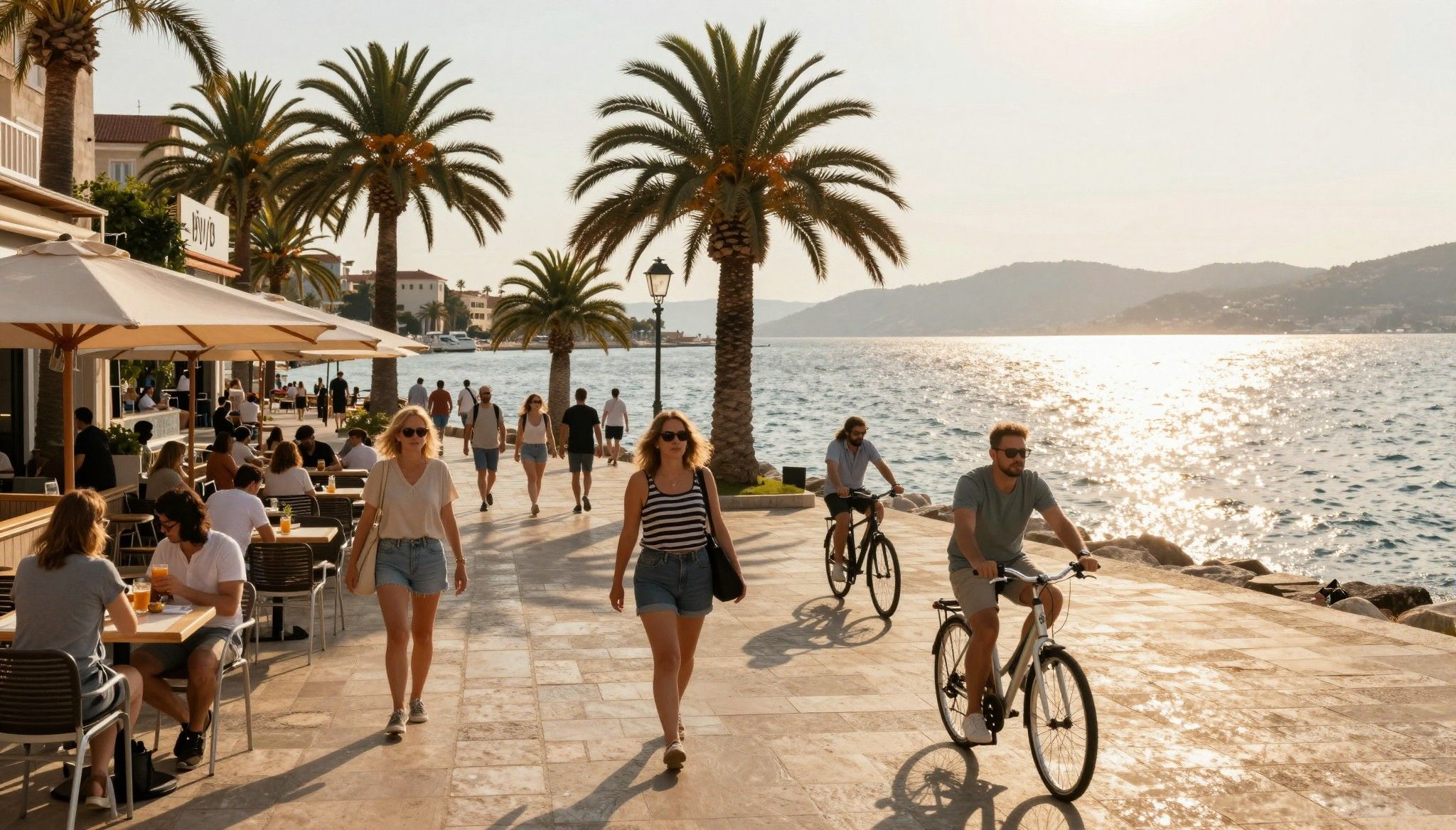
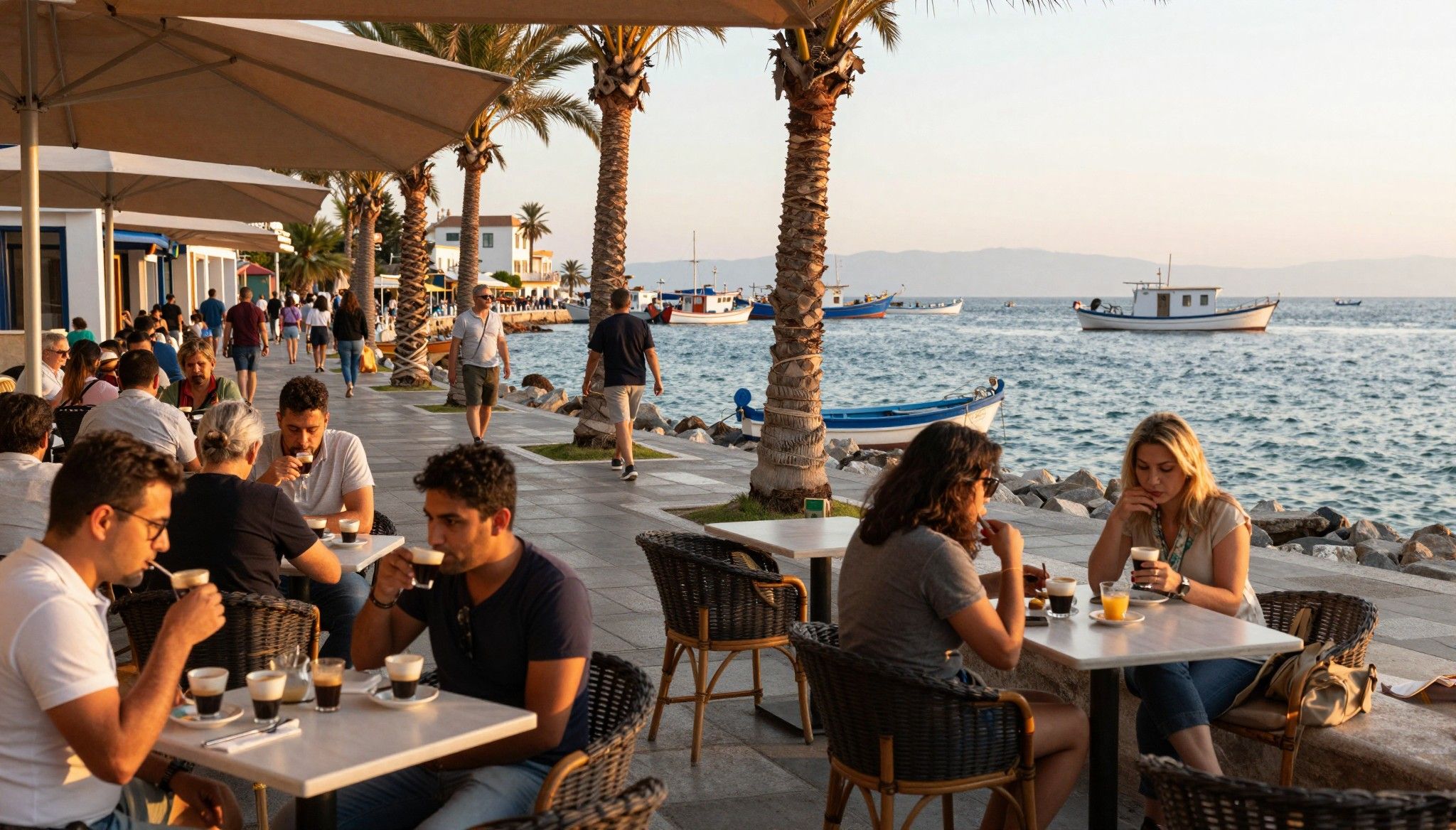
Croatia's appeal is sensory: coffee at Tkalčićeva in Zagreb, late-night promenades on Split's Riva, lavender-scented lanes in Hvar's Stari Grad. The country's EU and Schengen membership makes travel and banking easier for many buyers, but everyday life still favours small markets, local relationships, and seasonal rhythm. That mix shapes what you buy: an apartment in a listed stone building feels very different from a modern seaside villa with a pool and year-round staff needs.
Urban heart: Zagreb and coastal towns
Zagreb neighbourhoods such as Gornji Grad (Gradec) and Maksimir offer leafy streets, markets like Dolac, and an all‑season cultural life that fits full-time moves. By contrast, Split's historic core, Bačvice beach and the adjacent Varoš district pulse with summer energy and quieter winters; many buyers choose Split for a mix of everyday services and coastal charm. If you want year-round life, look at areas with a stable local community rather than purely tourist-serving streets.
Islands, beaches and pockets of silence
Hvar, Vis and Korčula are cinematic for a reason: terraces, seafood konobas, and narrow lanes. But island living demands planning — seasonal supply, ferry timetables, and household management. Many international buyers fall for island life in summer and then realise the work of winter maintenance and rental management. If you love solitude and blue water, budget for logistics: generators, storage, and a dependable local contact.
- Lifestyle highlights: Dolac Market (Zagreb); Tkalčićeva cafés; Split Riva evening strolls; Hvar town terraces; Bačvice beach swim; local konobas for seafood
Making the Move: Practical Considerations
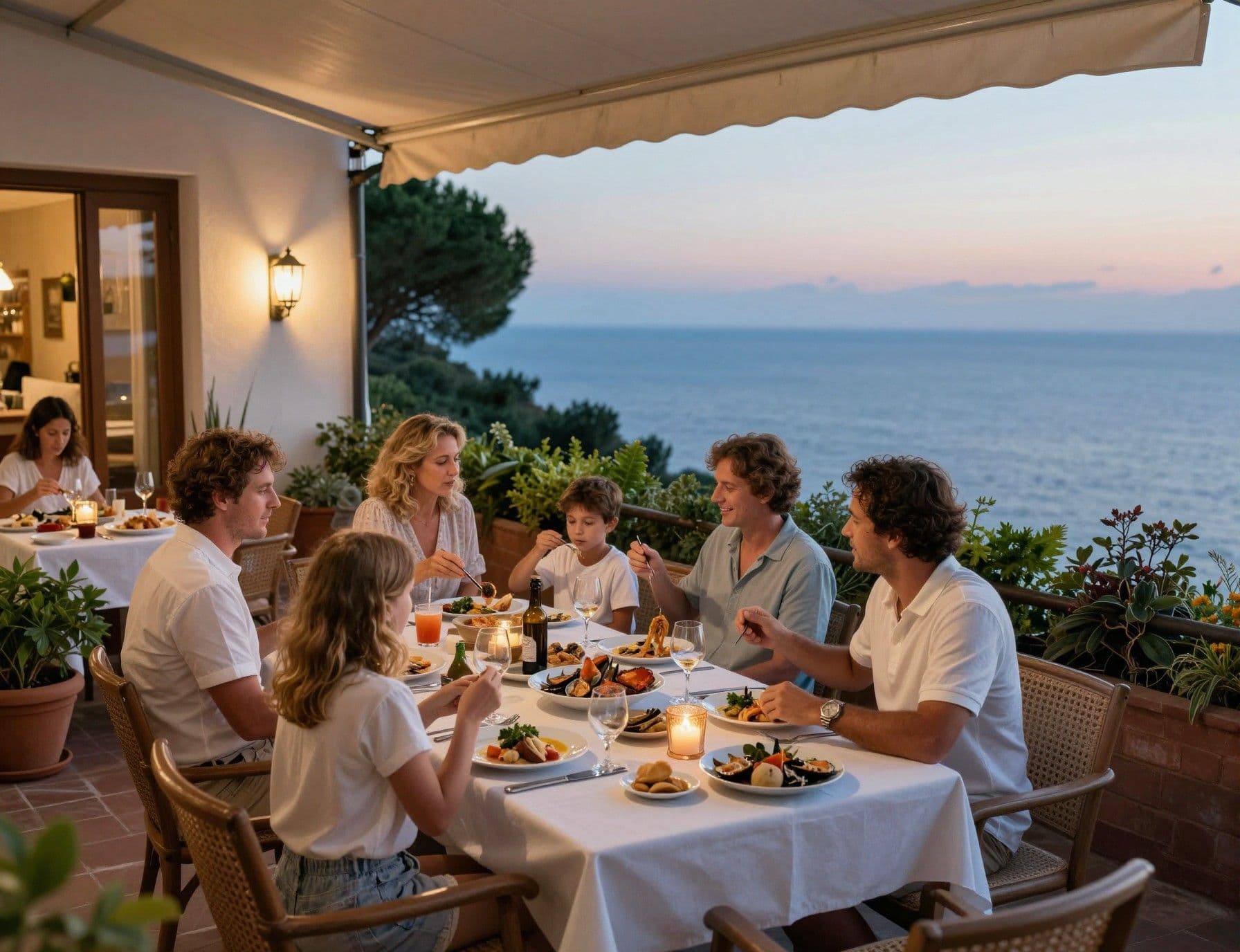
Lifestyle is the magnet; rules determine whether the purchase closes. EU citizens generally acquire property under the same conditions as Croatians, while non-EU buyers often need reciprocity or ministerial approval. Always confirm registration at the land registry and whether a property sits in protected or agricultural land — those are common transparency pitfalls that stop transactions cold.
Property styles and what they mean for living
Stone houses in Dalmatia come with thick walls, small windows and character — but they may hide damp, outdated wiring, or unclear conversion permits. New builds are easier to finance and maintain but often sit outside historic cores where the local rhythm happens. Think beyond aesthetics: check insulation, plumbing, and access during low season. Those factors shape monthly costs and the kind of life you can actually sustain.
Work with experts who know the local truth
A local lawyer and accountant are non‑negotiable. We see buyers rely on glossy listings and then discover liens, missing permits, or unregistered renovations. Agencies with strong local networks can vet sellers and recommend notaries and municipal contacts, but independent legal checks catch the real red flags. Transparency is rarely perfect — your job is to triangulate documents, on‑the‑ground knowledge, and public records.
- Step-by-step: balancing lifestyle and due diligence 1. Visit off-season to test year-round life. 2. Order a land-registry extract (izvadak iz zemljišne knjige). 3. Commission a local technical inspection (stanje objekta). 4. Hire a Croatian lawyer to check permits and reciprocity rules. 5. Reserve funds for transfer tax (~3% on resale) and notary fees.
Insider Knowledge: What Expats Wish They'd Known
Prices have climbed faster than many expect in tourist hotspots: national indices show notable growth in recent years, driven by demand on the coast and an uptick in urban interest. That means two things: good coastal locations have price momentum, and transparency matters more where deals are competitive. Use official indices and local broker reports to check whether a listing tracks real market movement or savvy seasonal pricing.
Cultural integration and daily life realities
Learning basic Croatian phrases earns you more than politeness — it opens doors to trusted tradespeople, municipal staff, and neighbours. Community life often centres on local konobas, market stalls and parish events rather than co-working spaces, so expect friendship-building to be in person and slow. For families, check local school options early; for retirees, verify year-round healthcare access near the property.
Long-term lifestyle and transparency risks
Red flags repeat: unclear ownership chains, properties described as having 'private beaches' (legally dubious), and promoters selling plots without confirmed building permits. These reduce resale value and bring legal headaches. Prioritise properties with clear land-registry extracts and documented permits; when in doubt, walk the neighbourhood and ask neighbours about utility reliability and seasonal occupancy.
- Common red flags: • Missing land-registry extract or conflicting ownership names • Unpermitted renovations or conversions (attic apartments, extra floors) • Claims of private beaches or exclusive slips • No clear parking or access during winter months • Overly aggressive rental yield promises without documented performance
- If you find a property you love: a practical checklist 1. Ask for the izvadak iz zemljišne knjige and building permit copy. 2. Get a technical condition report and check for damp/structural issues. 3. Confirm VAT status and whether transfer tax applies. 4. Verify access (legal right of way) and utilities year-round. 5. Engage a local lawyer to prepare or review the purchase contract.
Croatia will seduce you first and test your paperwork knowledge second. But that's a feature, not a bug: the best buys come when you pair the right street‑level lifestyle — the café, the market, the neighbour who waters your plants — with iron‑clad documents. An honest local agency will help you find the life and then help you close it safely.
Ready to explore? Start off-season, bring a lawyer, and treat market data as your guardrail. If you want a shortlist tailored to the life you pictured — island quiet, coastal bustle, or urban rhythm — we can connect you to agencies and lawyers with proven transparency practices. Fall in love with the place, then close the paper trail.
Danish investment specialist who relocated to Costa del Sol in 2015. Focuses on data-driven market timing and long-term value for Danish buyers.