Love the Adriatic — Check the Land Registry First
Fall in love with Croatia’s light — but anchor that dream in land‑registry truth. Verify cadastre, zemljišna knjiga, reciprocity rules and local protections before you buy.
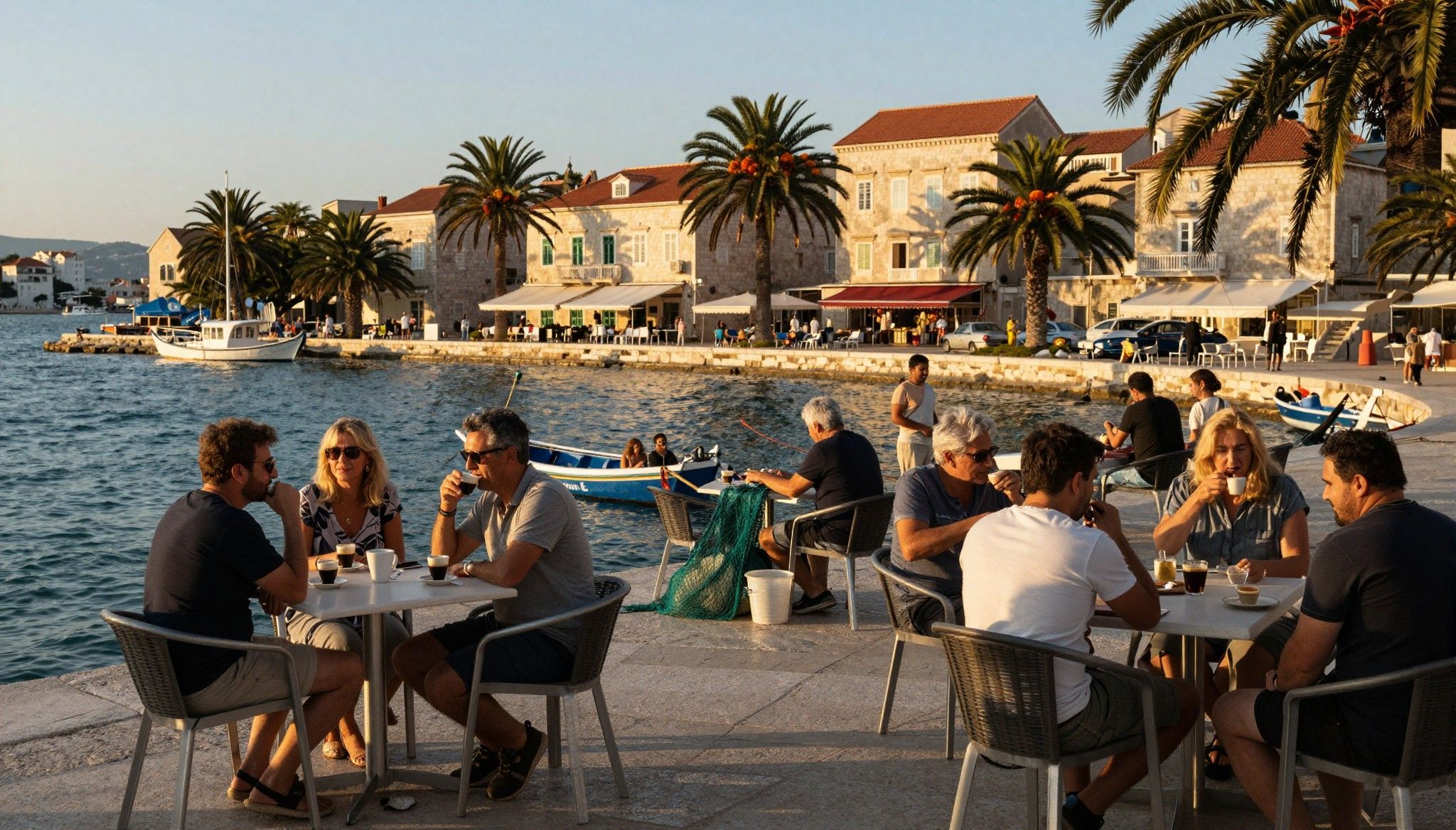
Imagine morning light on a stone terrace in Split, espresso steam rising as fishermen unload the day's catch. The Adriatic smells of sea salt and grilled fish; cobbled streets turn quiet by noon and hum again at dusk. For many international buyers that's the day you picture — and Croatia largely delivers. But the paperwork, registries and local quirks behind that scene matter just as much as the view.
Living Croatian Life — why the scene and the system collide
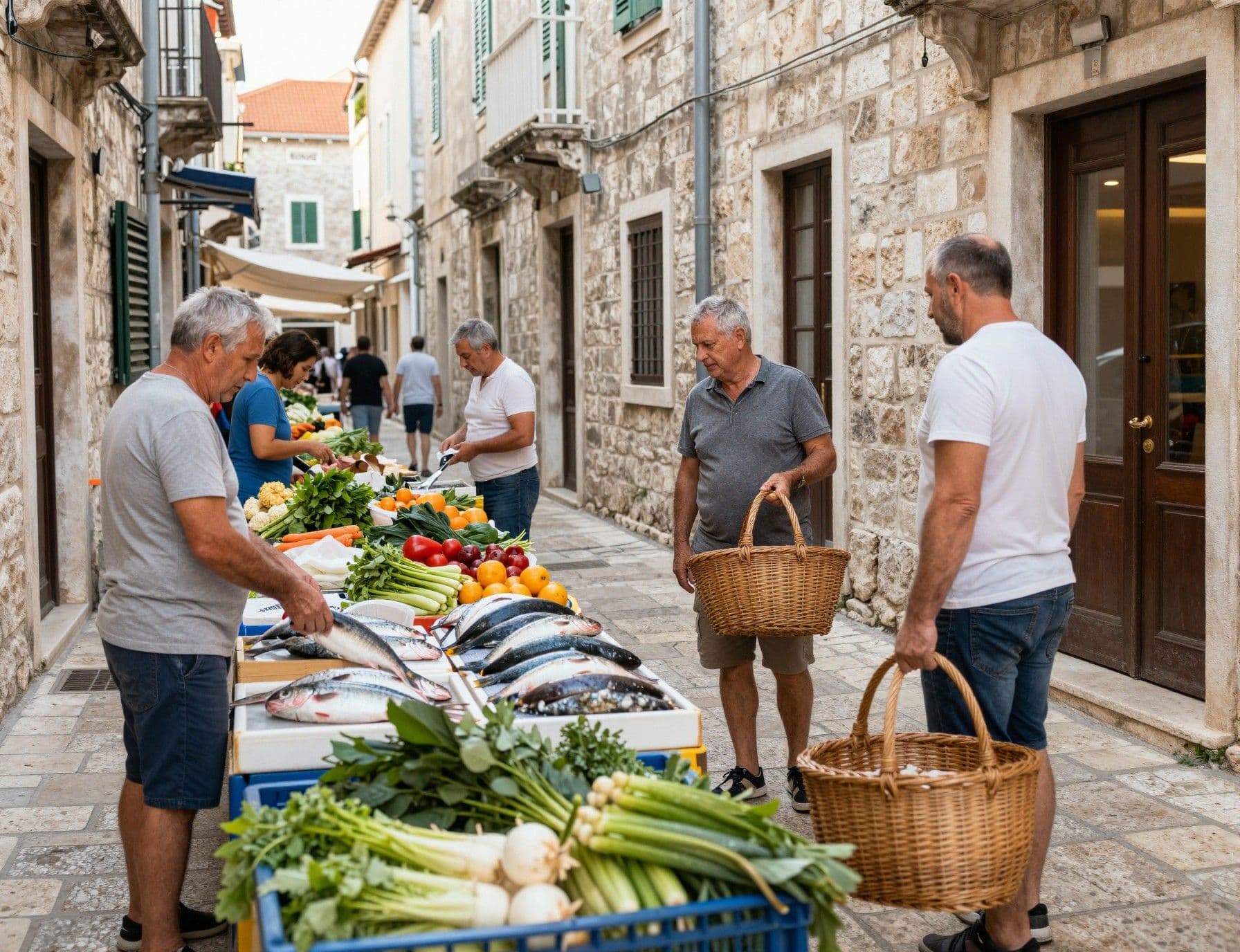
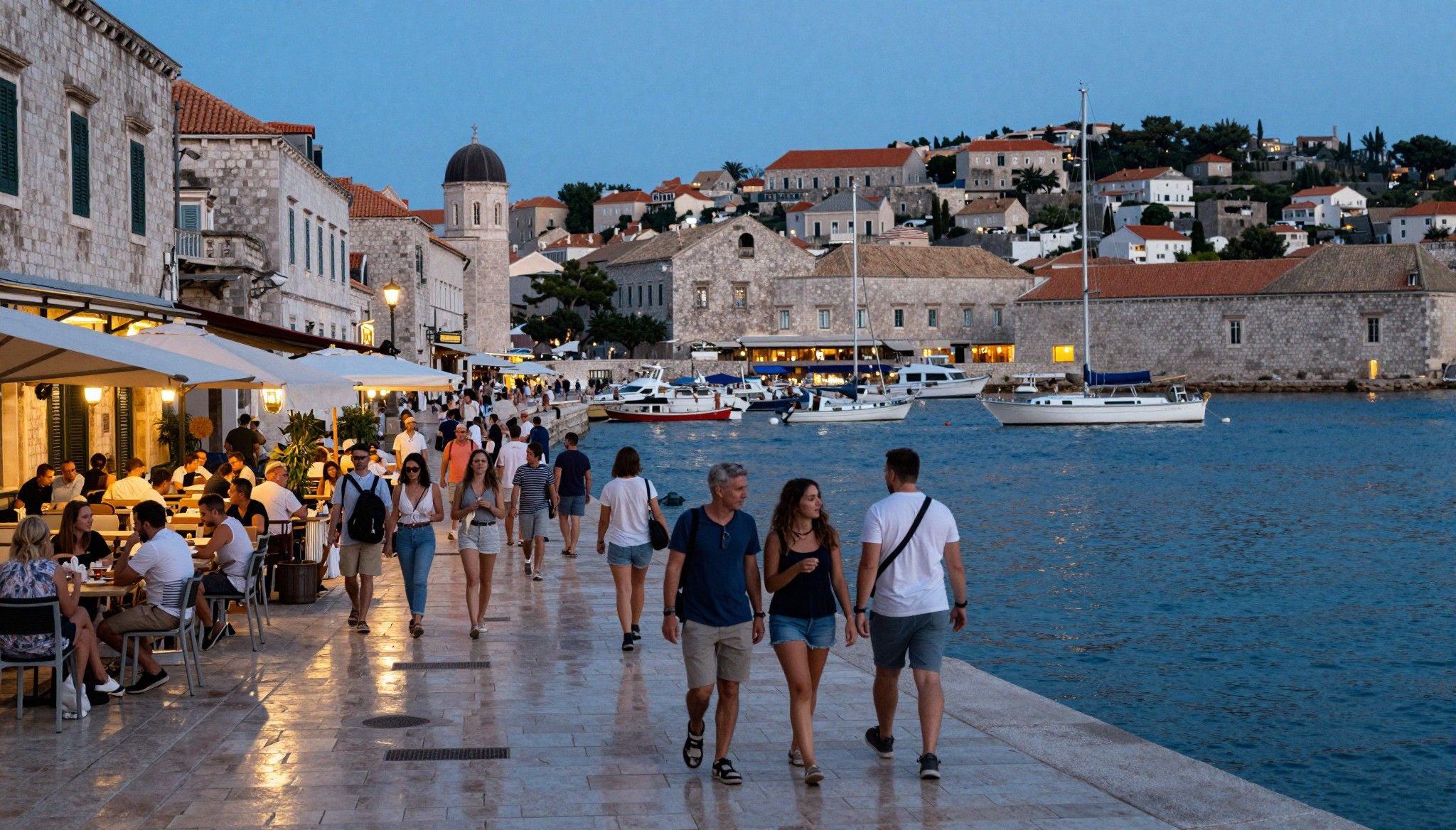
Croatia feels Mediterranean but moves at its own tempo: morning markets in Dolac (Zagreb) and Pazar (Split), late-night promenades on Zadar’s Riva, island ferries that set the rhythm of summer life. That tempo shapes what you’ll want from a property — a walkable flat near cafes or a secluded stone house with boat access — and it also shapes what you must check on the legal side. Lifestyle choices and registry realities are inseparable here.
Neighborhood notes: Split’s Veli Varos to Dubrovnik’s Ploce
Veli Varos still smells of bakers and has narrow lanes where locals gather; buying a small stone house there gives you daily life at your doorstep but can mean tricky access during renovations. In Dubrovnik, Ploce offers immediate sea views and tourist premium — great for seasonal rental but expect stricter heritage rules. Each micro-neighbourhood brings lifestyle trade-offs and specific paperwork burdens.
Food, markets and the rhythm you buy into
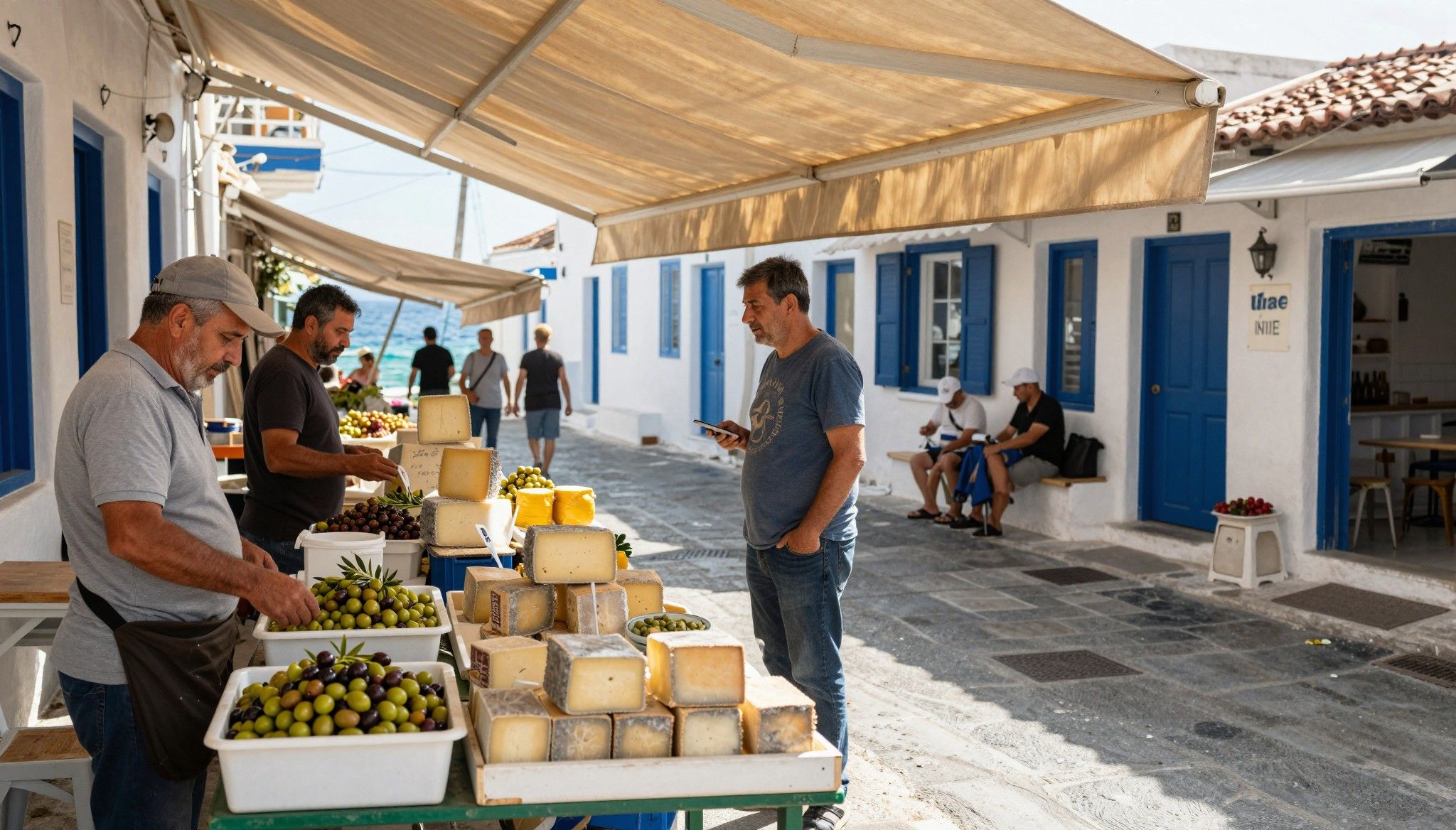
Weekend routines matter: if you plan to cook with locally sourced ingredients, proximity to markets like Split’s Green Market or Zagreb’s Dolac transforms daily life. If your dream is island quiet, accept irregular ferries and seasonal isolation. These lifestyle choices change which property types are practical and which legal checks you must prioritise — for example, utility connections on islands or documented access rights on coastal plots.
- Walkable old-town living in Veli Varos or Diocletian’s Palace (local bakeries, narrow lanes)
- Island life on Brač or Hvar (seasonal ferry timetables, local markets, quieter winters)
- Coastal villas near Dubrovnik and Split (heritage protection, tourist zoning)
Making the move: paperwork that shapes lifestyle outcomes
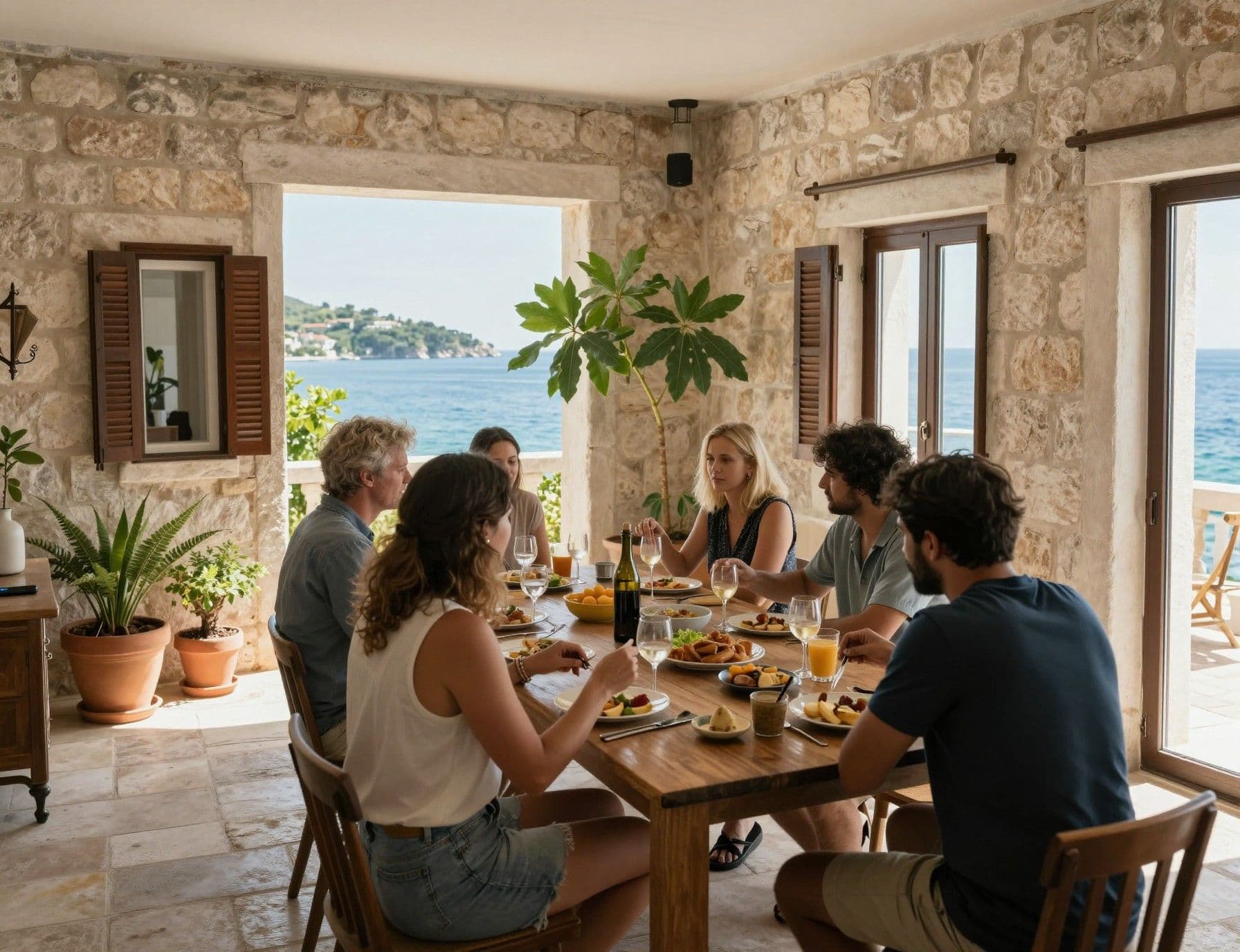
Your emotional checklist — the terrace, the sea view, the café — must be matched with a legal checklist. Croatia’s system separates the cadastre (technical parcel maps) from the land registry (zemljišna knjiga), and ownership is ultimately proved in the land registry. For EU buyers the process is straightforward; for non-EU nationals the reciprocity principle and extra approvals can delay or complicate a purchase. Always verify which set of rules applies to you early in the search.
Property types and the realities behind the photos
Stone house restorations hide structural and title risks; newer apartments usually have clearer cadastre entries. The cadastre will tell you parcel shape and boundaries; the land register shows encumbrances, mortgages and legal ownership. Sellers sometimes present beautiful photos of terraces that sit on land without confirmed access rights — check both registers to avoid losing a view after purchase.
How local experts translate lifestyle into secure transactions
- 1. Ask for the land registry extract (zemljišnoknjižni izvadak) and cadastral parcel number; confirm matching details. 2. Insist on a lawyer who will obtain court-verified land registry extracts and search for mortgages or legal disputes. 3. Verify utility connections and documented access: islands and coastal plots often have informal pathways that aren’t registered. 4. Check protected-area status (heritage or nature protection) which can limit renovations and affect insurance.
Insider knowledge: common red flags and smart trade-offs
We’ve seen two recurring issues: mismatched cadastre/land-registry records and informal inheritance claims. The land registry is the legal source of truth, but older entries can omit post-war transfers or informal inheritances; this creates disputes years later. The World Bank and local analysts note that modernization is ongoing but incomplete — so do not assume digital records cover every local quirk.
Three red flags to walk away from
- Seller cannot produce a current land registry extract with matching cadastre number.
- Unclear access rights (no documented road or easement) to the plot or house.
- Property in a registered cultural or protected natural area where renovations need lengthy approvals.
Smart trade-offs that preserve lifestyle and reduce legal risk
- 1. Prioritise properties with clear land registry entries even if the view is slightly less dramatic; legal clarity preserves value. 2. Consider a coastal apartment in a managed building for easier services and documented communal ownership. 3. If you love island life, budget for contingency costs (ferry freight, septic upgrades, documented access rights) and longer transaction timelines.
Long-term, buyers who pair lifestyle priorities with rigorous registry checks sleep better and keep value. A restored stone house in Dalmatia is magical — but confirm title, access, protected-area rules and utility plans before you fall in love. If something sounds informal in the listing, treat it as a legal question, not a romantic one.
Practical next steps — how to move from dreaming to secure ownership
- 1. Get a local lawyer (independent of the seller/agency) to obtain current land registry extracts and cadastre maps. 2. Ask the seller for the zemljišnoknjižni ulozak (land-registry file number) and check it yourself via court portals or with your lawyer. 3. Verify residency/reciprocity rules early if you are a non-EU national — approvals can take months. 4. Budget for transfer tax, notary costs and potential upgrade costs (especially on islands or heritage properties).
We recommend touring properties in two different seasons: late spring to feel the full Adriatic life, and late autumn to see how quiet winters affect services and rental demand. Agencies that know the micro-markets — Split neighborhoods, Istrian hill towns, island communities — are valuable because they translate lifestyle into legal steps. Ask them for recent land-registry examples and references from clients who bought similar properties.
When to accept a small legal compromise
- If a cherished terrace lacks formal easement but the neighbor signs a binding, notarised access agreement, this can be acceptable — provided the document is registered and your lawyer confirms enforcement.
If the only barrier is a bureaucratic permit expected within 6–9 months (rare), you can negotiate conditional contracts with escrowed funds. Never accept vague promises about future registration or informal solutions that won’t survive a resale.
Croatia gives you island mornings, village markets and Adriatic light — but the dream needs to be anchored by the land register. Start with the lifestyle you want, then insist on documentary clarity. Do that and you keep both the life and the value.
Conclusion: fall in love fast, verify slowly. Reach out to a reputable local lawyer and a neighbourhood-savvy agent; ask for land-registry extracts, cadastre maps and recent comparable sales. That’s how you turn a Croatian morning into an ownership that stands the test of time.
Norwegian market analyst who serves Nordic buyers with transparent pricing and risk assessment. Specializes in residency rules and tax implications.