Adriatic Dream and the Paperwork: Croatia’s Real Rules
Fall for Croatia’s daily life, then fall in love with the paperwork: how residency, taxes and local rules shape sensible property buying on the Adriatic.
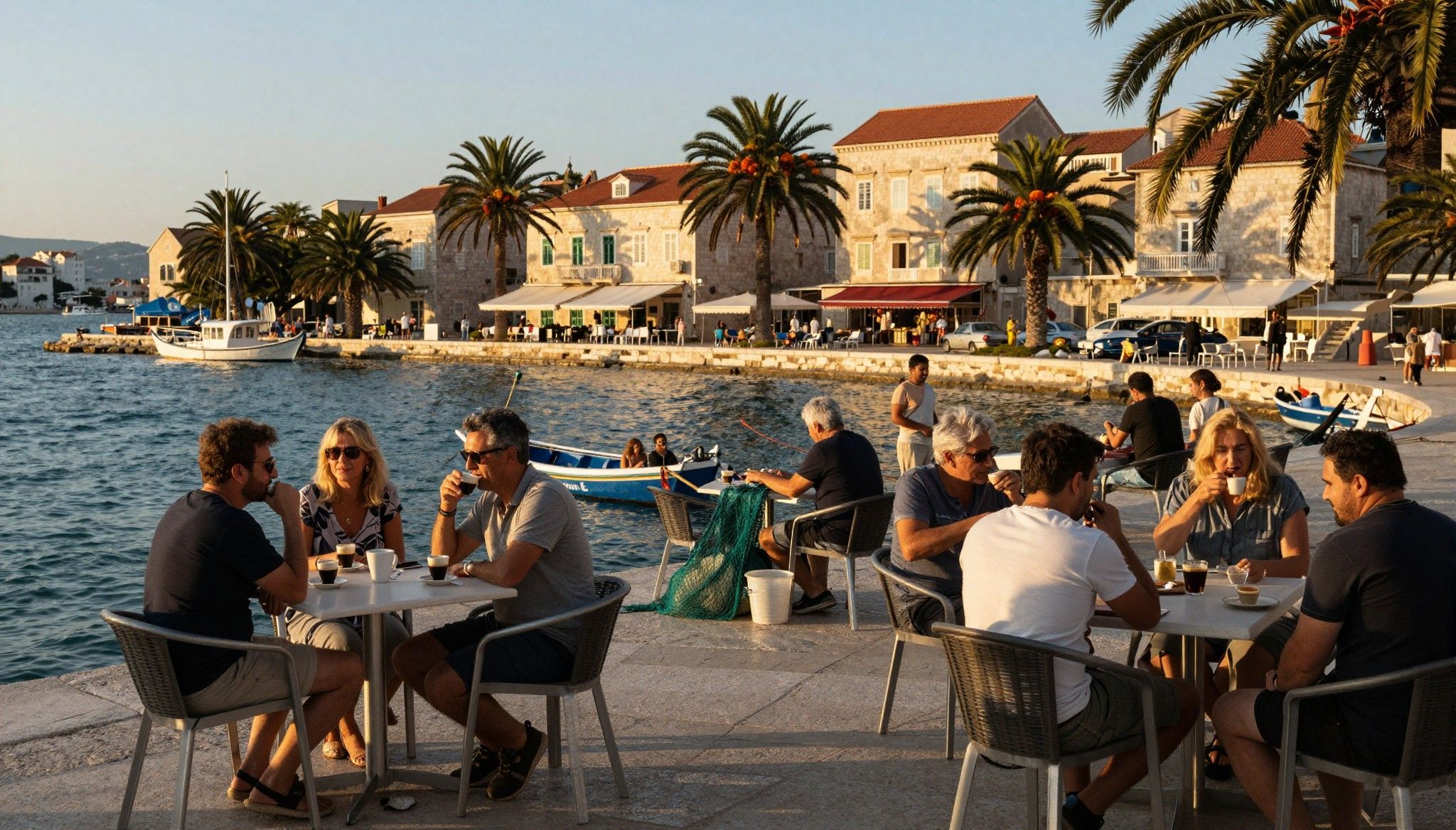
Imagine an early morning in Split: espresso steam rising on Marmontova, fishermen unloading squid at the Riva, and a stone terrace that makes you think about trading your flat for sea air. Croatia sells a life—sunlit islands, limestone streets, slow weekends—but the papers, taxes and residency rules shape whether that life is legally yours. We’ll tell you what locals don’t say at aperitivo: where the dream and the deed collide.
Living Croatia: more than a postcard

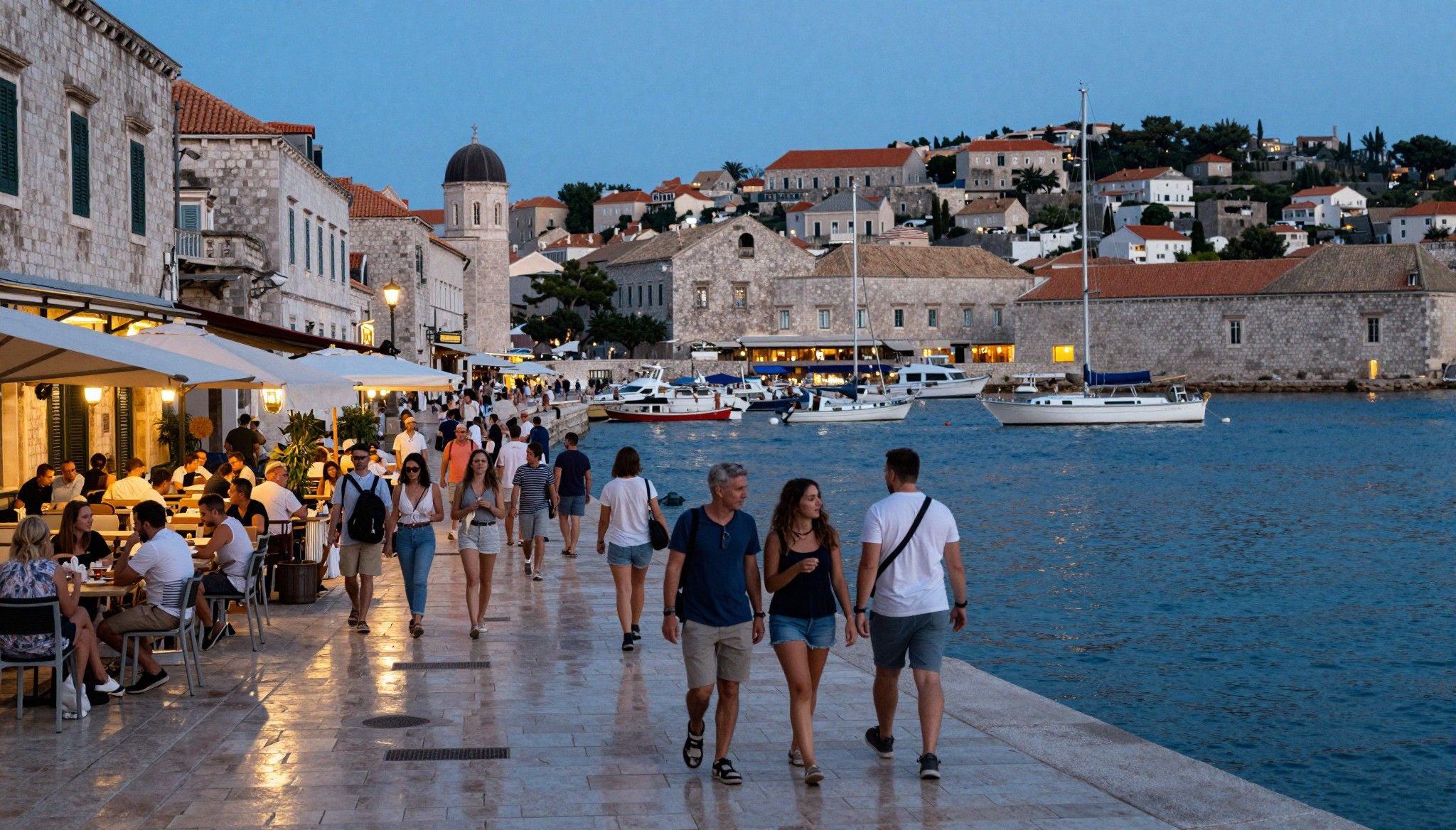
Croatia’s daily rhythm mixes Adriatic summer ease with continental practicality. In Zagreb you hear trams and people discussing art; on Hvar you wake to rooster calls and café tables that last until sunset. Neighborhoods matter: the old stone alleys behave differently than island promenades, and what you buy should fit the life you want, not the image you saw on Instagram.
Zagreb lanes, Dalmatian promenades: two different days
If you crave year‑round culture, pick neighborhoods like Donji Grad or Britanski trg in Zagreb—coffee, theatres and good public services. If you want light, sea and a village tempo, Split’s Veli Varoš or Brač’s Bol put the Adriatic at your doorstep. Properties here aren’t interchangeable: a stone house in Korčula is a seasonal machine; a modern apartment in Zagreb is an everyday home.
Food, market runs and the social hour
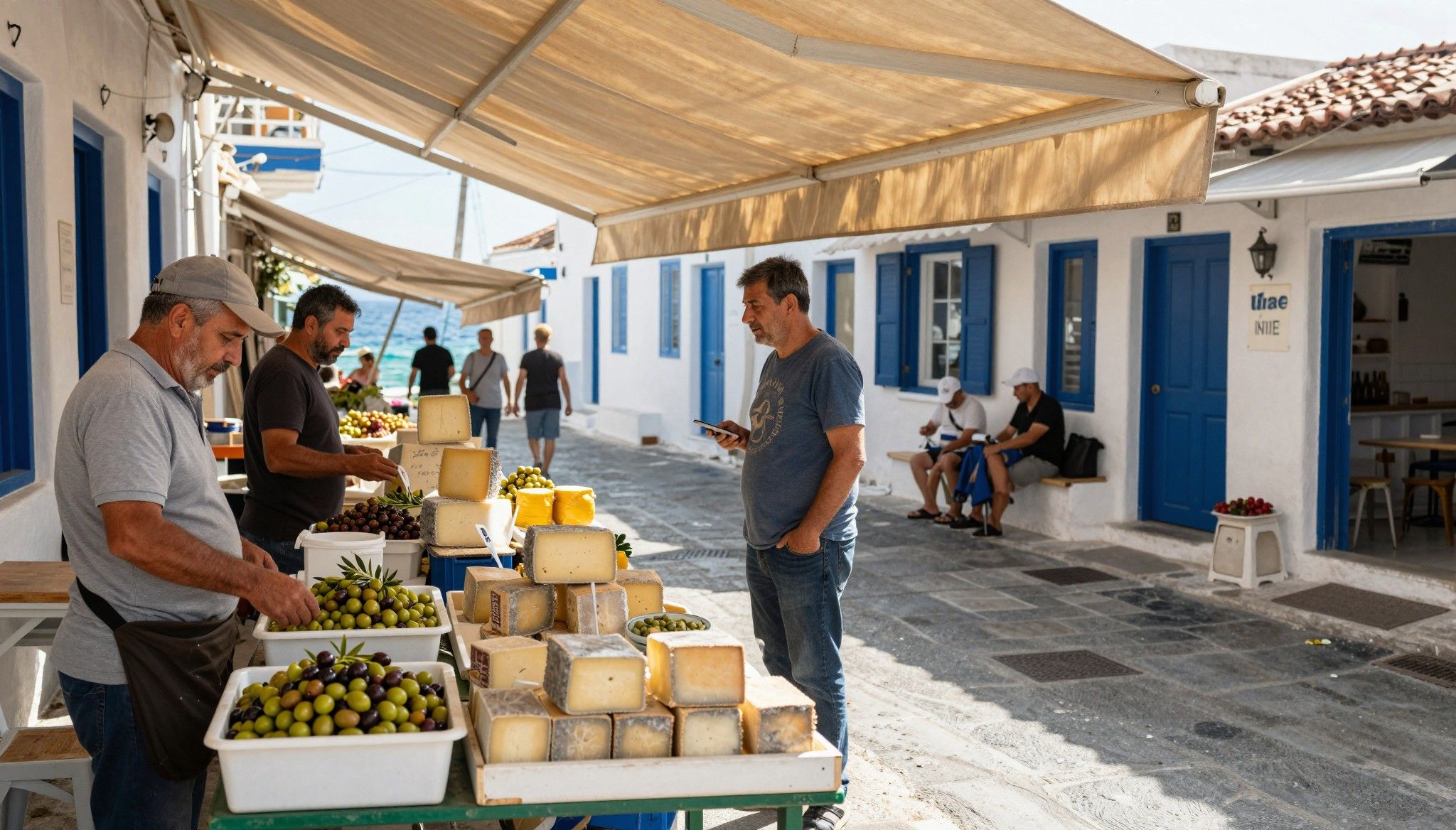
Saturdays mean fresh fish markets on the Dalmatian coast and farmers’ stands inland. Try Pazar Dolac in Zagreb for a morning of local cheese and conversation, or the small fish market beside Split’s waterfront for a catch that defines dinner. These rituals shape how you use a kitchen, terrace or seaside balcony—and therefore what kind of property serves your life.
- Lifestyle highlights: Pazar Dolac market (Zagreb); Riva promenade (Split); Zlatni Rat beach (Brač); Hvar town’s evening scene; local konobas and oyster bars on Pag
Making the move: how rules steer lifestyle choices

Dreams meet administration the moment you sign. EU (and EEA) citizens face simpler rules than many non‑EU buyers, but reciprocity and special rules for agricultural and protected land still matter. That influences where buyers look: coastal apartments and townhomes are straightforward; rural plots often are not. Read the legals before you fall in love with a field.
Property types and how they map to life
A renovated stone house offers character and a terrace for al fresco dinners but usually needs seismic‑proofing and modern plumbing. A new apartment gives efficiency, warranties and easier rentals. If you plan long stays, prioritise insulation and heating; if it’s a holiday lock‑up, focus on access, parking and low maintenance.
How local experts turn lifestyle ideas into legal reality
We always recommend a local lawyer and a reliable agent. Agencies translate neighborhood rhythm; lawyers check land registry entries, easements, and whether reciprocity applies. For non‑EU buyers, forming a Croatian d.o.o. to hold property is common—practical, but it brings corporate accounting and annual obligations. Ask about both lifestyle fit and tax consequences up front.
- Steps blending life and legal: 1) Pick three neighbourhoods and spend at least one week in each; 2) Order a land registry extract and building permit search; 3) Get a lawyer to confirm reciprocity or company route; 4) Compare new-build VAT (25%) vs. transfer tax (3%); 5) Agree on an escrow and notary timeline
Insider knowledge: myths, costs and what expats wish they'd known
Prices climbed materially through 2023–24, with house‑price indices among Europe’s more dynamic markets; growth has been uneven (coast vs inland vs Zagreb). Expect higher per‑square‑metre prices on islands and historic centres, and a slightly different tax treatment for new builds (VAT) versus second‑hand sales (transfer tax). Knowing these nuances saves money and disappointment.
The common surprises buyers report
- Common red flags: 1) Access roads that are private (ask who maintains them); 2) Properties with only informal coastal paths; 3) Unresolved co‑ownership shares in family houses; 4) Missing building permits for extensions; 5) Seasonal rental restrictions in protected zones
Residency, taxation and the timeline you should plan for
Buying property alone does not automatically grant permanent residence. Temporary and permanent residency rules depend on nationality, length of stay and ties. Tax residency follows physical presence (183‑day rule) and triggers global taxation; capital gains exemptions exist if you have lived in the property for two years. Plan for at least several months of paperwork if you want to live full‑time.
- Practical timing checklist: 1) Pre‑visit (2–7 days per neighbourhood); 2) Legal checks and reservations (2–6 weeks); 3) Notary signing and registration (4–8 weeks); 4) Residency/visa applications (variable; allow 3+ months for processing if needed)
What expats tell us they wished they'd known
Many wish they’d questioned utility access and winter heating before buying a coastal stone house. Others underestimated ongoing condominium fees in renovated historic buildings. The practical side of living—where the nearest GP is, internet speeds for remote work, or whether the neighbourhood is lively year‑round—changes how you use a property every day.
- On-the-ground considerations: reliable internet providers (check by street), seasonal business closures, winter ferry schedules for islands, local healthcare clinics in Split and Rijeka, and municipal waste/collection logistics
Croatia can be the life you imagine—but only if you match neighbourhood tempo, property type and legal strategy. Start local: spend time in places you like, hire a Croatian lawyer familiar with reciprocity and registry checks, and ask an agent about off‑season realities. We’ll help you fall in love responsibly—so the sea view comes with clear deeds and sensible taxes.
Norwegian market analyst who serves Nordic buyers with transparent pricing and risk assessment. Specializes in residency rules and tax implications.