The Adriatic Off‑Season Advantage: When Croatia Cools, Value Heats Up
Croatia’s allure mixes sunlit summers and quiet winters — check transfer tax rules, title chains and seasonality to match lifestyle with transparent market facts.
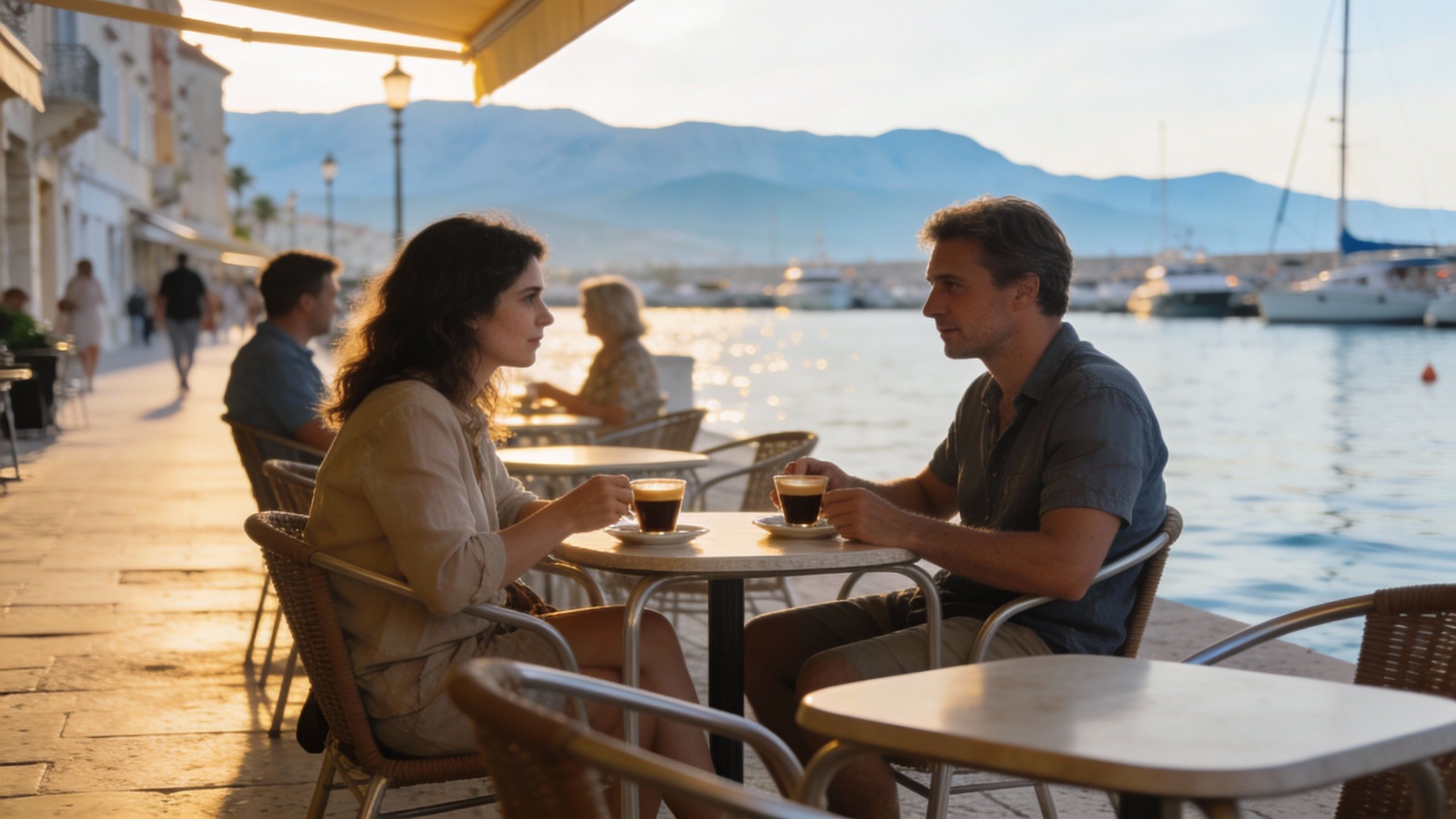
Imagine starting your day with a short walk through Split’s Marmontova, stopping for espresso at Zinfandel Food & Wine Bar, and ending it on a small pebble beach as fishermen bring in the day’s catch. That ease — city cafés, island quiet, market rituals — is the Croatia most buyers fall for. But falling in love without checking the fine print is how well‑meaning dreams turn into awkward purchases. We begin with the life you’ll live, then point to the transparency rules and red flags that help protect it.
Living the Croatia lifestyle
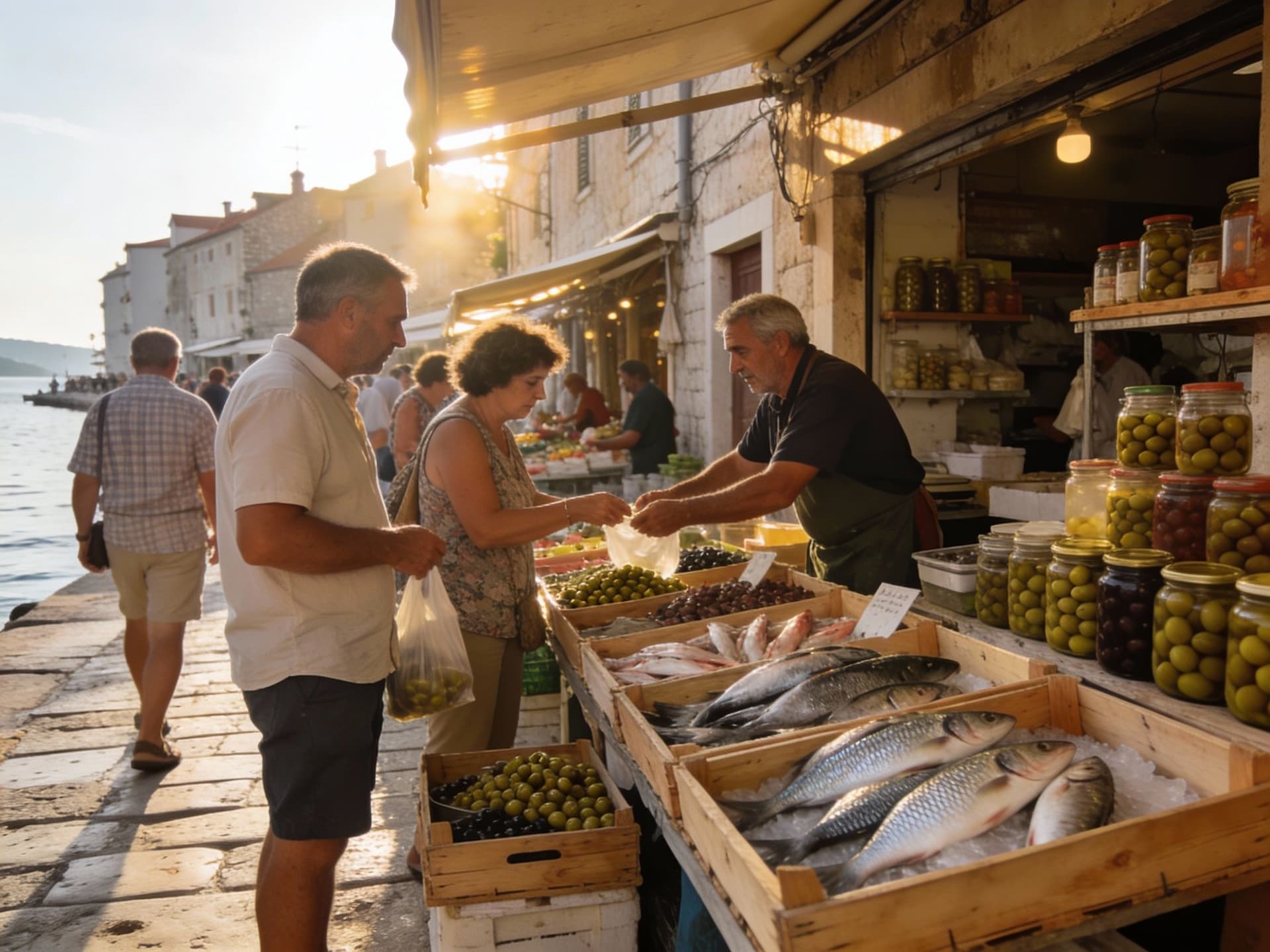
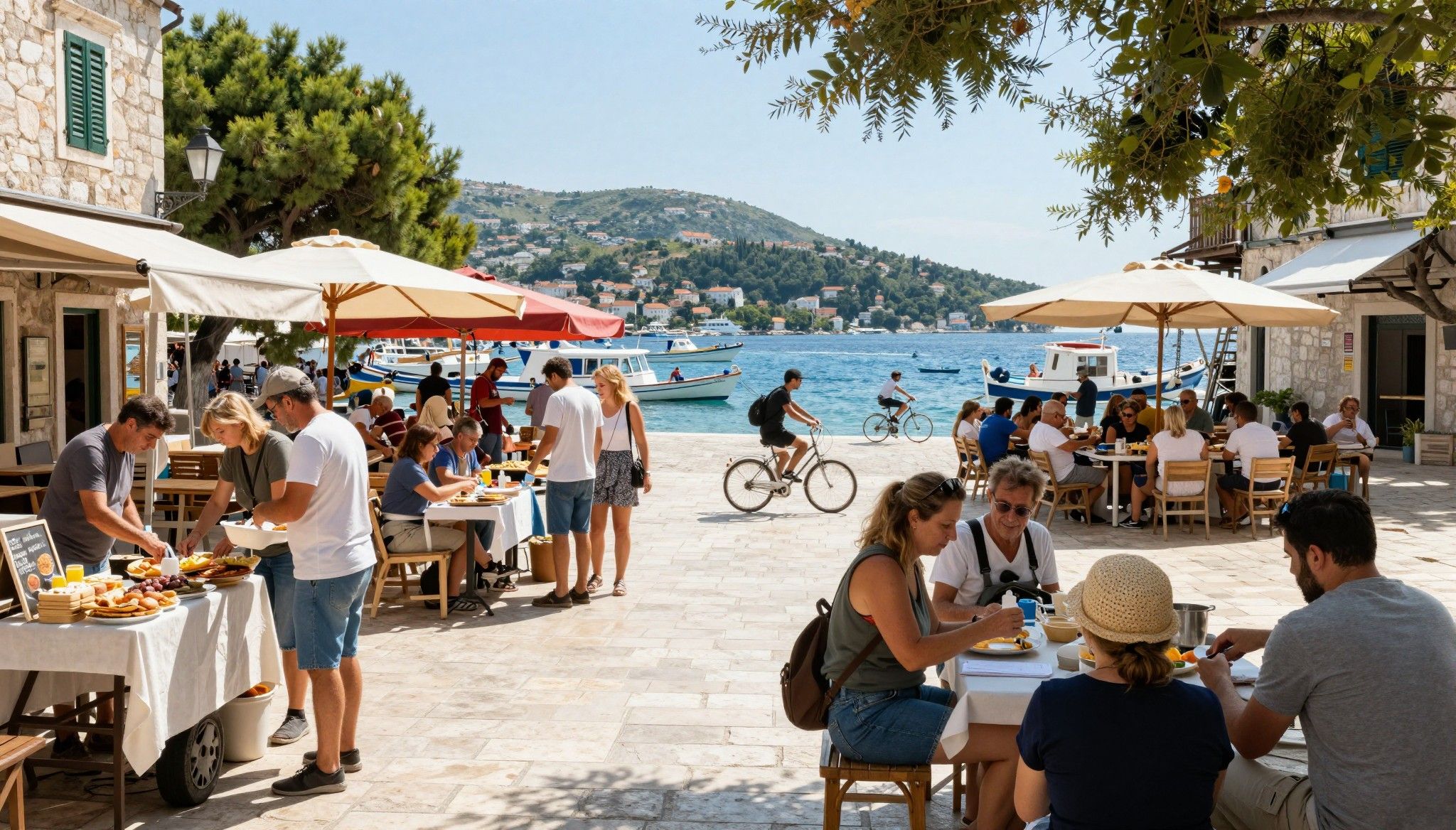
Croatia is a study in contrasts: cobbled old towns (Dubrovnik’s Stradun, Trogir’s riverside alleys), sunlit Adriatic islands (Hvar, Brač), and inland lyrical countryside (Istrian hill towns). Days revolve around markets — Dolac in Zagreb, Pazar in Split — and simple, seasonal food: grilled fish, buzara mussels, olive oil that tastes like summer. The rhythm changes with seasons; summers are full and loud, winters quiet and studio‑bright.
Neighbourhoods that tell different stories
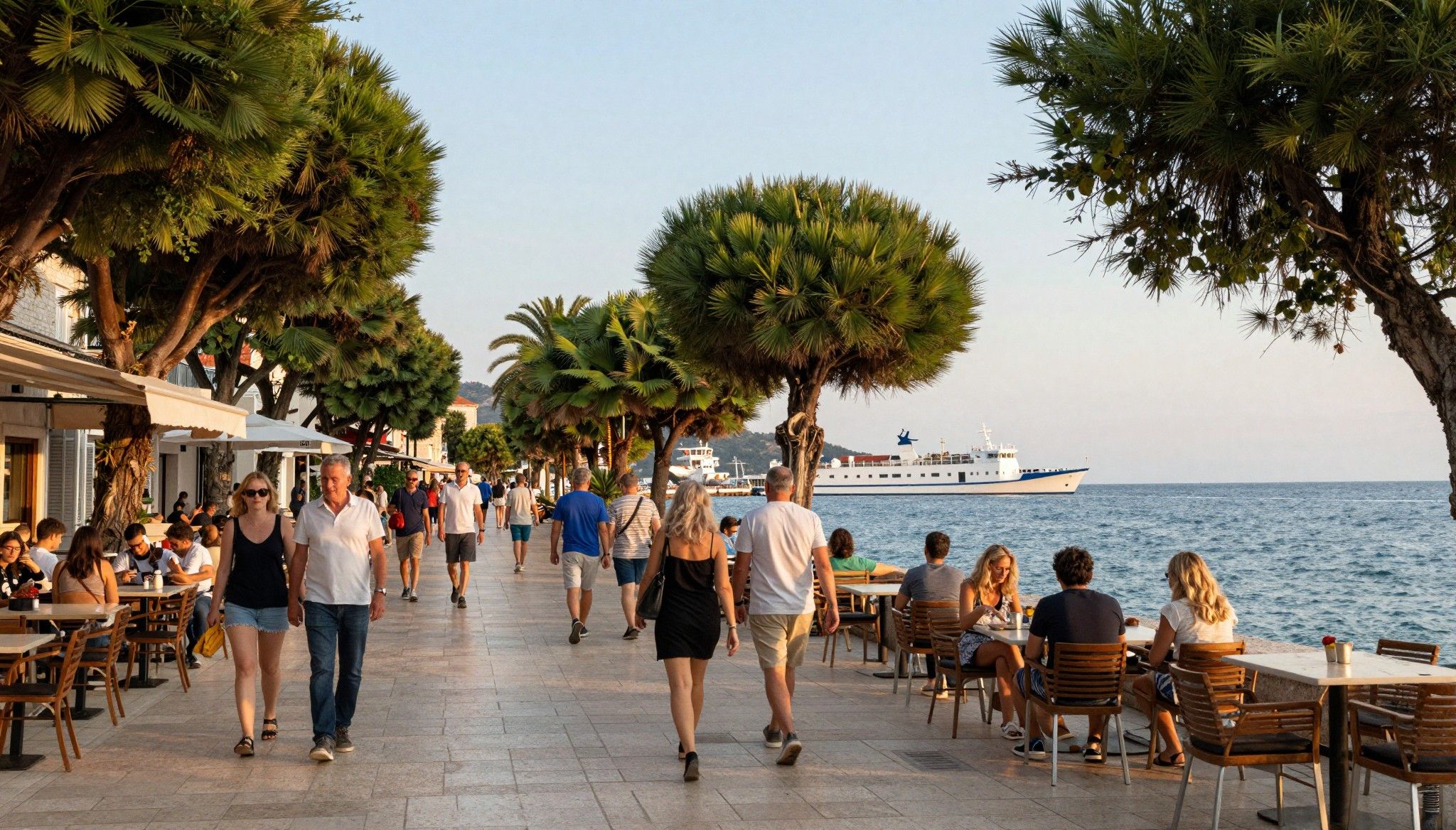
Pick a neighbourhood and you pick a lifestyle. Zagreb’s Donji Grad hums with cafés and galleries; Split’s Varoš offers narrow streets that slow you down; Rovinj and Opatija keep old‑world seaside charm with cliffside promenades. On the islands, life is pared back — Hvar’s port scenes and late‑night bars contrast with quieter Bol on Brač where windsurfing and stone houses dominate.
Food, markets and weekend rhythm
Weekends are market days and coastal escapes. In Istria, truffle festivals and small konobas (family tavernas) shape social life; along the Dalmatian coast, summer brings jazz festivals and boat moorings. For buyers, that means properties near local markets or ferry links will feel more lived‑in than a house with just a view.
- Neighbourhood and lifestyle highlights: Dolac market (Zagreb); Marmontova & Riva (Split); Old Town (Dubrovnik); Rovinj waterfront; Hvar harbour nightlife; Bol’s Zlatni Rat beach.
Making the move: practical considerations
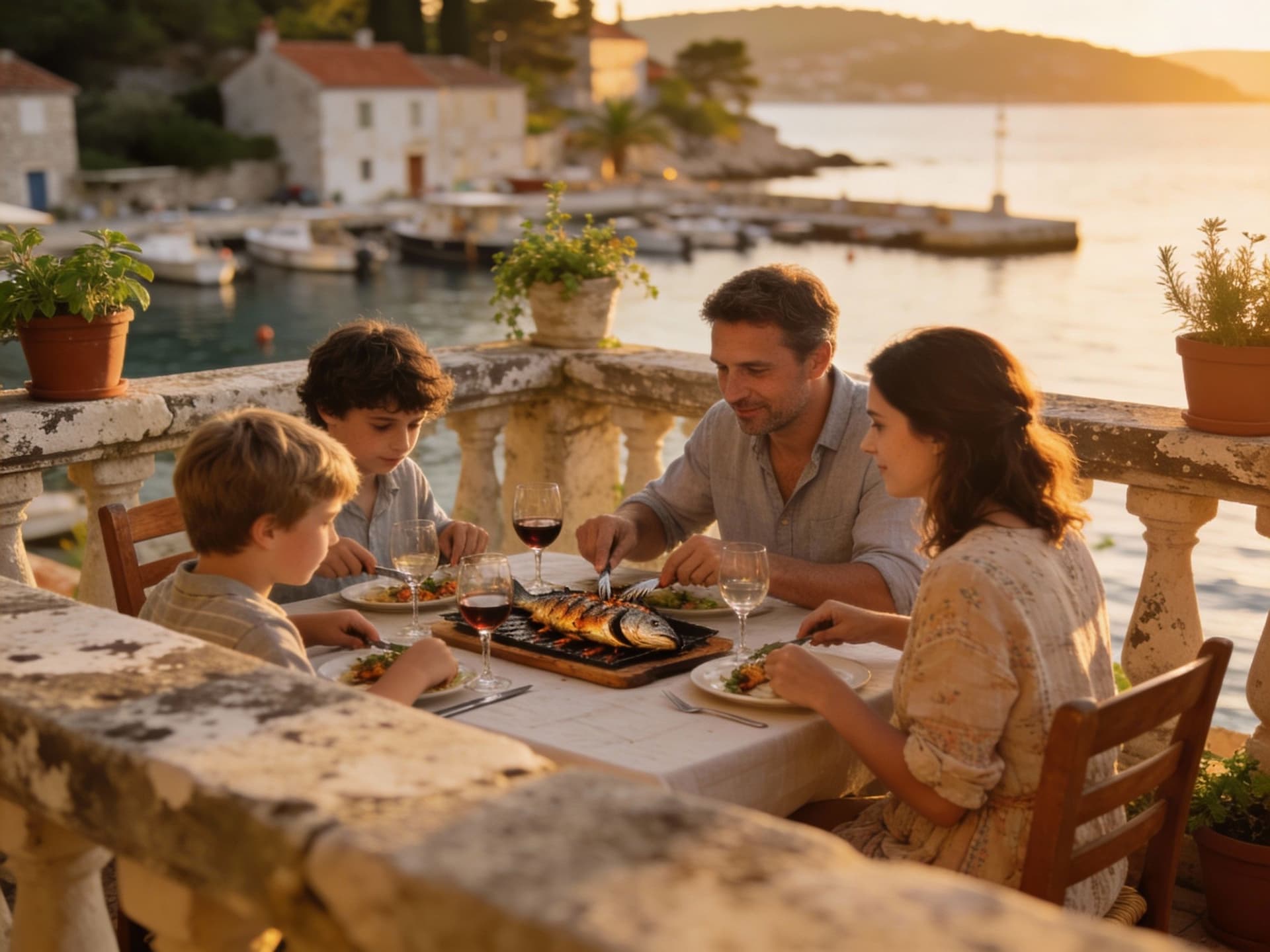
The first practical truth: Croatia is an EU member with clear legal steps, but rules matter. Transfer tax is typically 3% of market value unless the sale is subject to VAT, and local administration (property tax, municipal rules) varies by town. Knowing which rules apply saves money and prevents surprises at closing. Read official guidance early in the process so lifestyle choices align with local costs.
Property types: stone houses, new builds and coastal apartments
Traditional stone houses in Istria and Dalmatia offer character but often need renovation and utility upgrades. New builds give modern comforts and easier rental management but command higher m² prices, especially near the coast. Coastal apartments with sea views sell at a premium — sometimes 30–60% more — so decide whether nightly rental income or low‑maintenance living matters more to you.
How local experts protect the lifestyle you buy
A good local agency does more than show houses: they map ferry timetables, local planning rules, rental seasonality and road access. Agencies connected to local lawyers help check title chains and building permits — invaluable in older towns where records can be patchy. Use experts who can translate local rhythms (festival weeks, seasonal rentals) into realistic cashflow and use scenarios.
- Steps that blend lifestyle and legality: 1) Visit in low and high season to test the year‑round feel. 2) Ask agencies for three comparable recent sales, not asking prices. 3) Commission a local lawyer to verify title, permits and encumbrances. 4) Confirm exact tax treatment (RETT vs VAT) before signing. 5) Factor ferry and road access into holiday rental estimates.
Insider knowledge: what expats wish they’d known
Real talk from people who made the move: language helps, but practical integration wins. Neighbours judge you by how you use the space — a terrace that’s lived‑in at all hours builds community; a shuttered villa can feel empty and invite maintenance issues. Many buyers also underestimate winter costs for heating and insurance on older stone properties.
Cultural integration and everyday life
Croatians prize local ties: bring small gifts to a new neighbour, learn basic phrases, and attend local events. Making friends is easier when you’re present during off‑season months; many expats say the real community forms between October and April, not during July’s tourist surge.
Long-term considerations: resale, seasonality and rentals
Expect regional divergence. Coastal hubs and Zagreb show strong price gains, but transaction volumes have softened as mortgage costs rose. For owners planning rentals, yields are moderate and highly seasonal; for long‑term residents, pick places with reliable year‑round services (medical clinics, ferry reliability, winter road clearing).
- Red flags to spot before you sign: • Missing building permits or unclear renovation records • Properties advertised 'by the sea' but with difficult access • High local property tax decisions by municipality • Overreliance on peak‑season rental projections • Sellers who push for quick private contracts without lawyer review
If Croatia feels like a collection of perfect summer postcards, remember it’s also a country of winters, small‑town municipal politics and regional planning. The right property will let you live the postcard life without the surprises. Take time, use local experts, and align the neighbourhood’s tempo with how you want to live.
Next steps: visit outside high season, request full title & permit packs, and ask your agent to model three use cases (full‑time, part‑time, rental). When lifestyle and paperwork match, Croatia becomes less a holiday escape and more a home where simple rituals — morning markets, evening promenades, island day trips — shape daily life.
Swedish expat who moved from Stockholm to Marbella in 2018. Specializes in cross-border legal navigation and residency considerations for Scandinavian buyers.