Cadastre and Coffee: A Transparency Checklist for Greece
Pair Greece’s irresistible neighbourhood life with a practical transparency checklist: cadastre checks, lawyer title reports and rental‑rule verification before you bid.

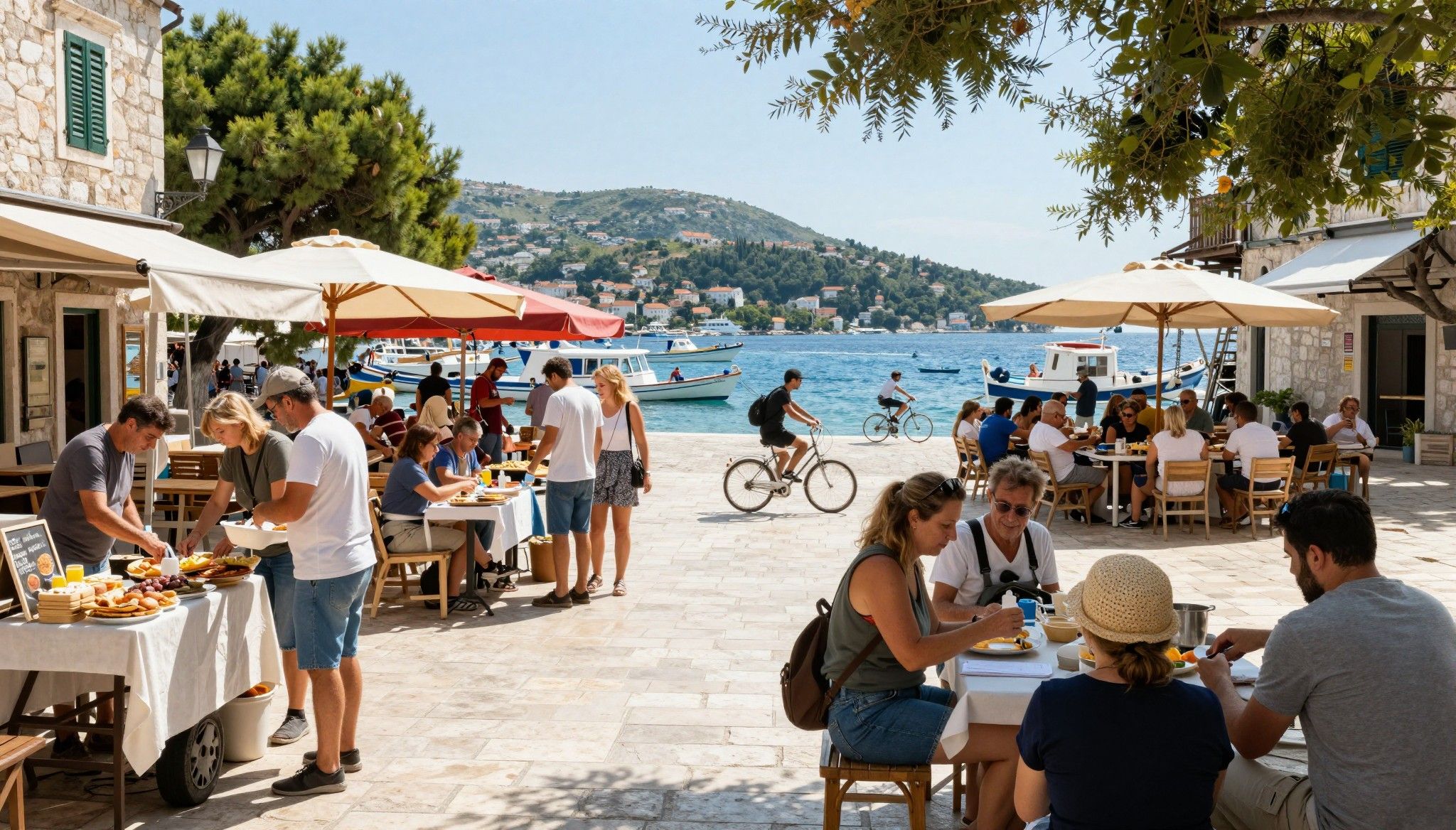
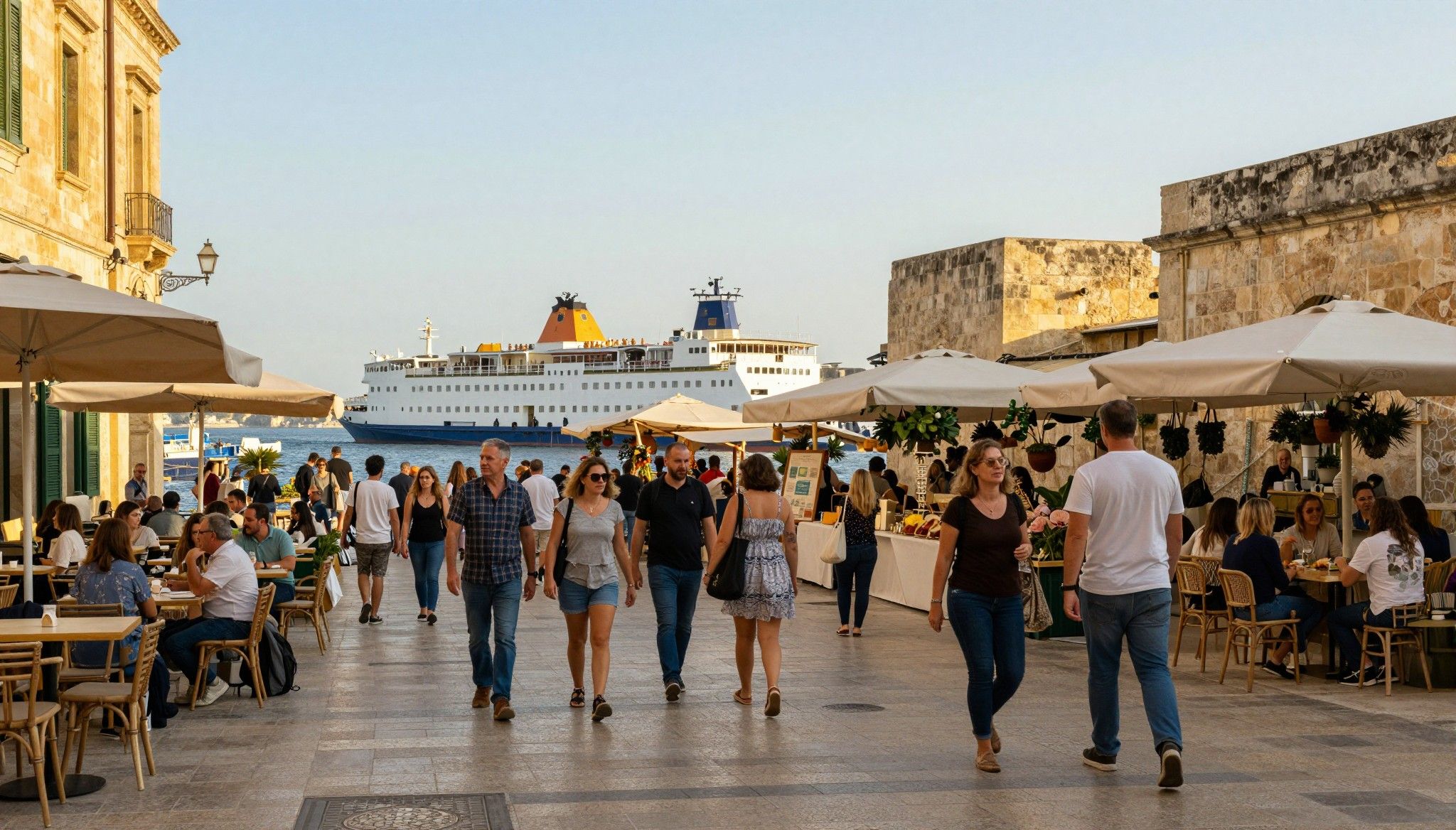
Imagine sipping an espresso at a sunlit kafeneio on Athens’ Dionysiou Areopagitou, then walking five minutes to a patch of lawn that looks out over the Acropolis. Greece sells itself first on those small, daily scenes: late-night tavernas, island ferries at dawn, neighbourhood markets piled high with citrus. For many international buyers, that rhythm is the point. But the reality of buying — title clarity, cadastre coverage, VAT on new builds, short‑term rental rules — can disrupt the dream if you don’t know where to look. This guide pairs the lived, sensory side of Greece with the transparency checks you should insist on before you sign.
Living Greece: the small rituals that shape neighbourhood value

Greece’s everyday pleasures—market mornings in Chania, late-afternoon swims on Mykonos’ quieter coves, espresso-and-newspaper life in Koukaki—are also the signals buyers should read. Streets where cafes stay open year-round indicate a resident base that supports steady demand; lanes that empty out after summer often mean properties are tourism-dependent and price‑volatile. When we assess a neighbourhood’s transparency, we start with the question: is this a place people live all year, or only in July and August?
Athens: city edges where locals still outnumber tourists
Walk from Petralona to Kerameikos at dusk and you’ll find pockets of honest value: tavernas with regulars, small grocery shops, and renovated townhouses that trade at a discount to Kolonaki or Plaka. These areas have benefitted from urban renewal without wholesale tourist conversion. For buyers, that blend means steadier rents, clearer title histories, and fewer surprises at the land registry.
Islands: the difference between blue‑chip and blue‑flag beaches
Not all islands behave the same. Naxos and Paros still host working communities with year‑round services; hotspots like Santorini and parts of Mykonos skew heavily to short‑term letting and experience pronounced seasonal transparency risks. Ask whether utilities, postal addresses and cadastre records function outside high season — those operational details are practical markers of municipal transparency.
- Lifestyle markers that correlate with more transparent, lower‑risk markets:
- Year‑round bakeries and pharmacies (show stable resident demand)
- Ktimatologio (cadastre) coverage for the municipality (easier title checks)
- Local planning consistency (few last‑minute zoning changes or tourism reclassifications)
Making the move: practical checks that reveal market transparency

Dreams precede deeds, but the deed needs a clean chain. Before you commit: confirm cadastre coverage, obtain an up‑to‑date title search from a Greek lawyer, and insist on a notarial contract drafted in Greek with an official translation. These steps expose encumbrances, usage restrictions and historical discrepancies that commonly surprise overseas buyers.
Property types and the transparency tradeoffs
New developments can feel simpler because they carry planning approvals, warranties and (until recently) VAT rules that were transparent on paper. Restorations of older stone houses demand more scrutiny: verify building permits, ask for historic title abstracts, and expect to locate an old paper trail at the local ipothikofilakeio. Each option fits different lifestyles — new builds for low‑maintenance, restorations for character — but the search process differs accordingly.
Working with local experts who actually know the ledger
Hire a Greek lawyer experienced in conveyancing and land‑registry work, not only a generalist. Use an agent who can show a track record of title‑clean transactions and who knows regional cadastre coverage. The right team saves weeks and prevents costly reversals; it turns emotional decisions into informed ones.
- Step‑by‑step transparency checklist before offer:
- 1) Confirm Ktimatologio coverage for the parcel and request a recent extract.
- 2) Commission a lawyer’s title report that includes encumbrances, hereditary claims and building permits.
- 3) Verify local planning rules and short‑term rental restrictions with municipality records.
Insider knowledge: common misreads and what expats wish they’d known
Buyers often assume that a property’s photo‑ready terrace equals easy rental income. That’s increasingly false. Municipal and national rules around short‑term lettings have tightened, central Athens has temporary registration freezes, and islands are introducing stricter standards. The transparency you need now includes regulatory risk: is the asset legally rentable on the platform you expect to use?
Cultural and seasonal realities that affect value
Greek life accelerates in summer and contracts in winter. Areas that look vibrant in July may be quiet in December. For lifestyle buyers this is a feature; for investors it is a source of volatility. Check utility reliability, winter accessibility, and whether local services remain open off‑season — these affect resale and rental demand.
Market signals to read beyond price headlines
- Practical indicators that reveal real market health:
- Growth in year‑round services (shops, schools) rather than new tourist apartments
- Cadastre coverage expansion (reduces title uncertainty)
- Local tax enforcement and municipal transparency about licenses
Across Greece the macro picture has been one of strong price recovery since 2018, with growth moderating from the double‑digit jumps of 2023 to mid‑single digits in 2024–25. The Bank of Greece publishes regional indices that show Athens and Thessaloniki diverging in pace and islands behaving heterogeneously — all useful context when you measure risk versus lifestyle return.
Conclusion: fall in love with the day‑to‑day, but insist on ledger clarity. When you can point to cadastre extracts, a clear chain of title, and municipal confirmation of permitted uses, the Greek lifestyle becomes an investment you can hold with confidence. Start with a local lawyer and an agent who can show transactions where titles were clean and deeds were registered without last‑minute surprises. Then spend an afternoon at that kafeneio—this time, knowing you bought into both the life and the legal reality.
Dutch relocation advisor who moved to Marbella in 2016. Guides Dutch buyers through visa paths, relocation logistics, and balance of lifestyle with value.