Coastal Romance, Registry Reality: Buying Property in Croatia
Croatia’s coastal charm masks registry and planning complexity. Use land‑registry extracts, municipal planning checks and Ministry consent (if required) to align lifestyle with secure ownership.
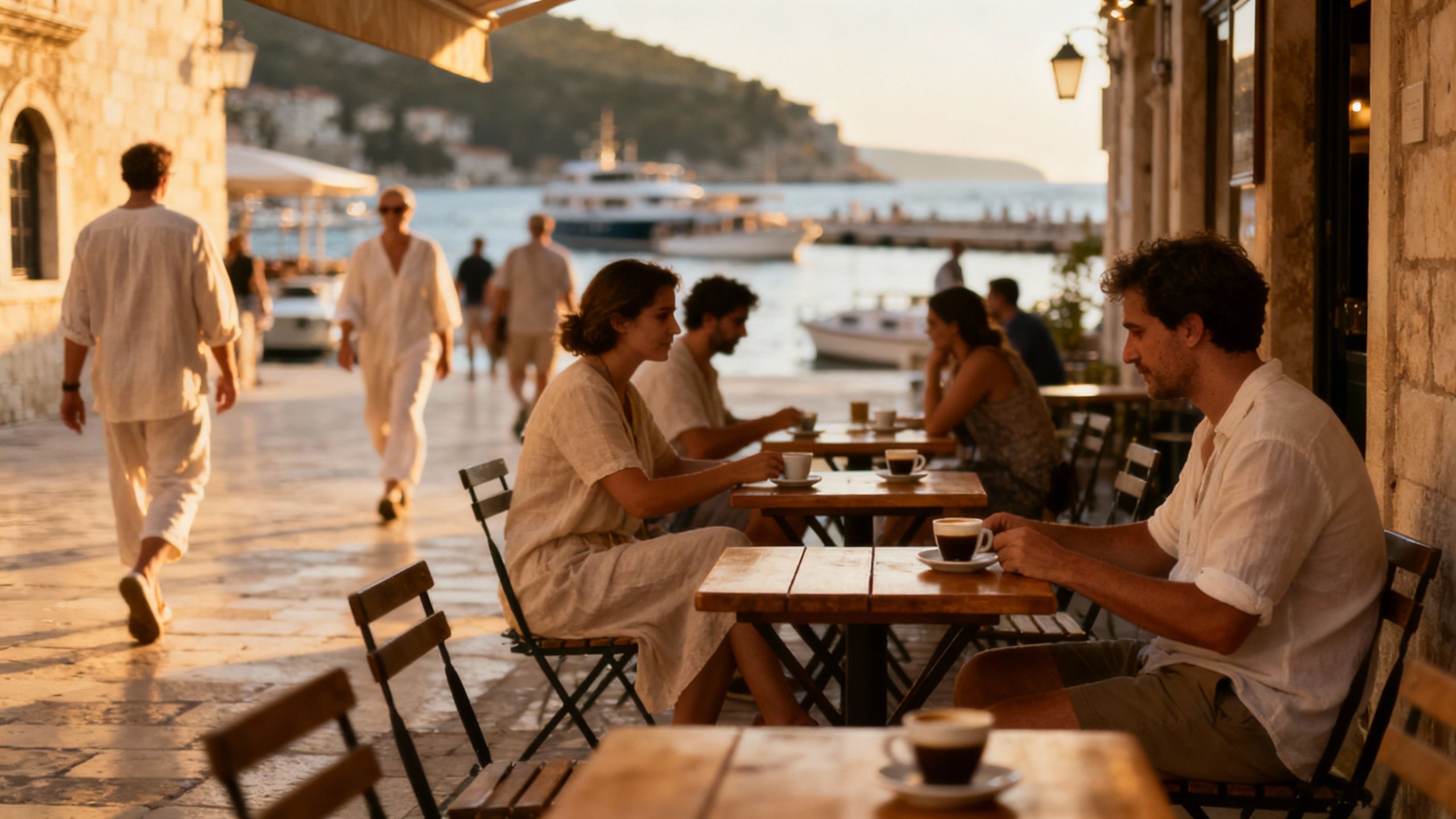
Imagine sipping espresso on Split’s Riva at 8am, then signing a preliminary contract by afternoon. Croatia feels compact and certain in a way few coastal countries are — stone promenades, market stalls, late‑day sea light — and yet the paperwork behind that view can catch even experienced buyers off guard. For international buyers the gap between lifestyle romance and registry reality is where risk lives. This guide pairs the Adriatic's pull with the legal, administrative and market signals you must read before committing.
Living the Croatia lifestyle
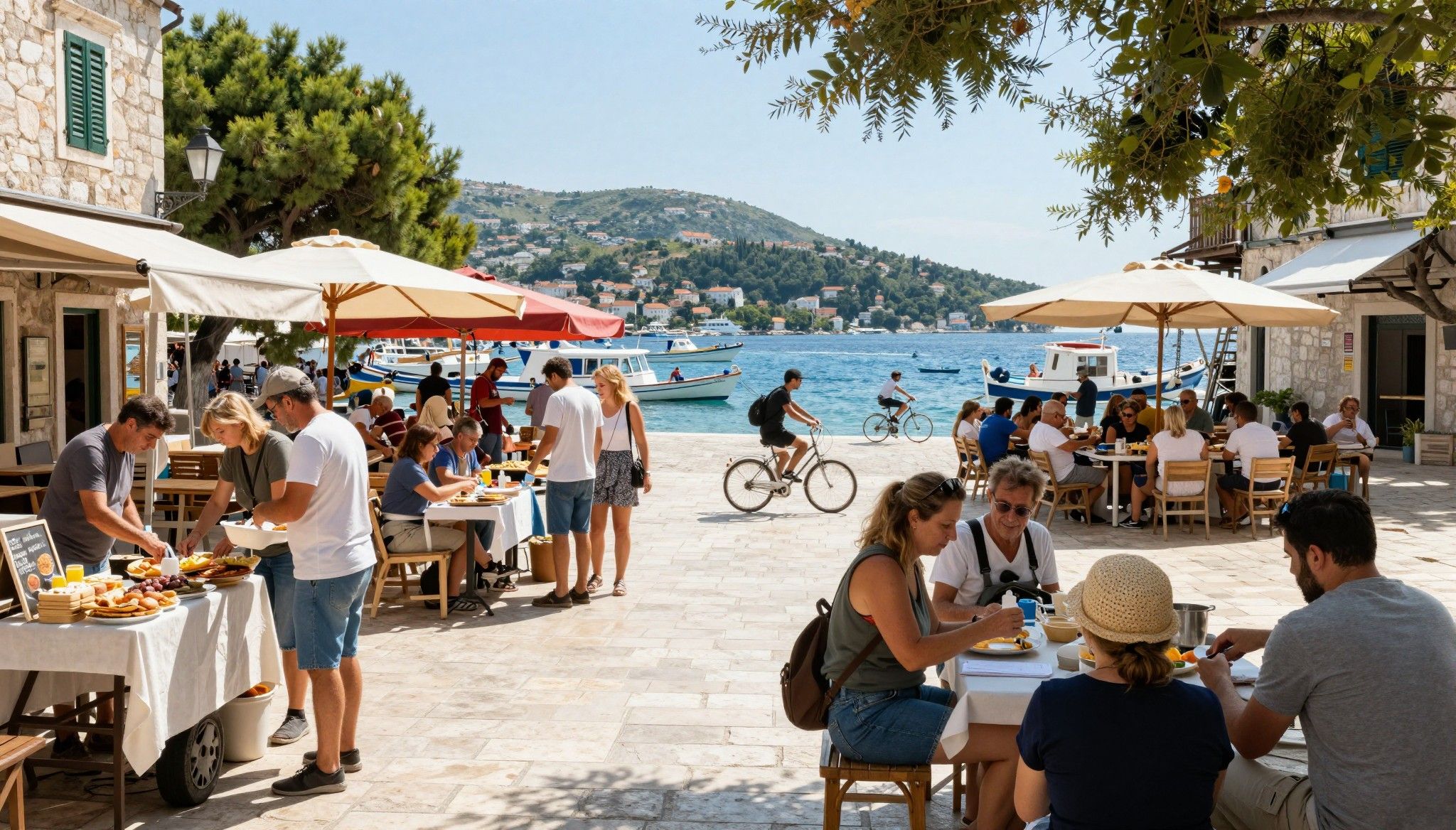
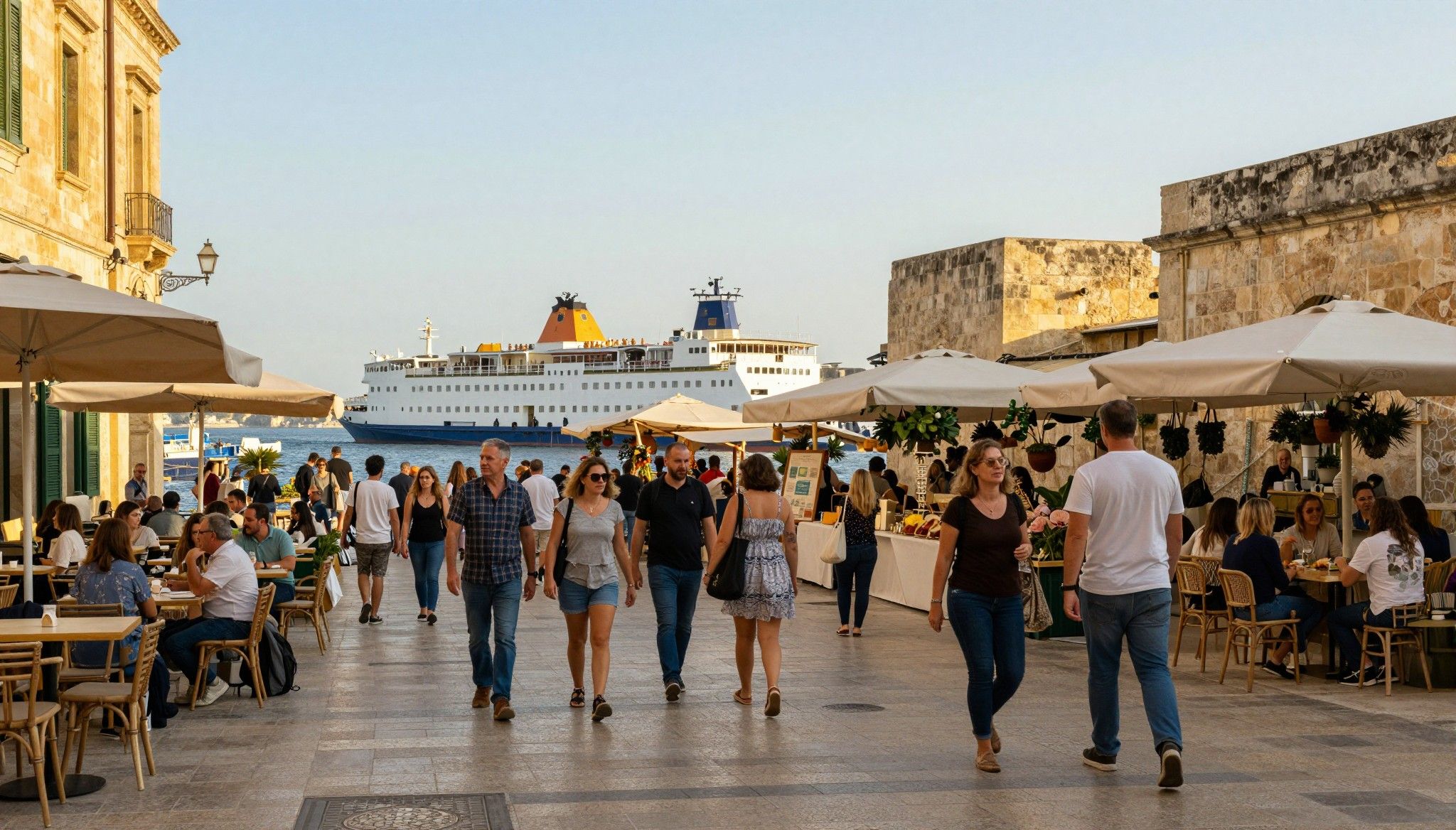
Days in Croatia move with a clear seasonality. Mornings begin with cafés in Old Town Dubrovnik and neighbourhood bakeries on Zagreb’s streets. Summers are social and loud — harbours full of small boats, fish markets in Zadar, island ferries humming. Winters are quieter; many coastal services shrink and small villages reveal a different price and access logic. Understanding those rhythms matters because the life you buy into affects the type of property you need and the liabilities you accept.
Neighborhoods that define daily life
Zagreb offers a compact, year‑round urban life with coffee culture and cultural institutions; the Donji Grad and Maksimir districts are practical for families. On the coast, Split’s Veli Varoš and the Žnjan area contrast old‑stone alleys with new developments near marinas. Hvar town and Vis feel island‑slow and highly seasonal. Each neighborhood’s character changes how properties are used and how transparent the local market will be — in tourist hotspots you’ll see more short‑term letting and off‑market deals; inland, transaction volumes are lower and records can lag.
Food, markets and the social pull
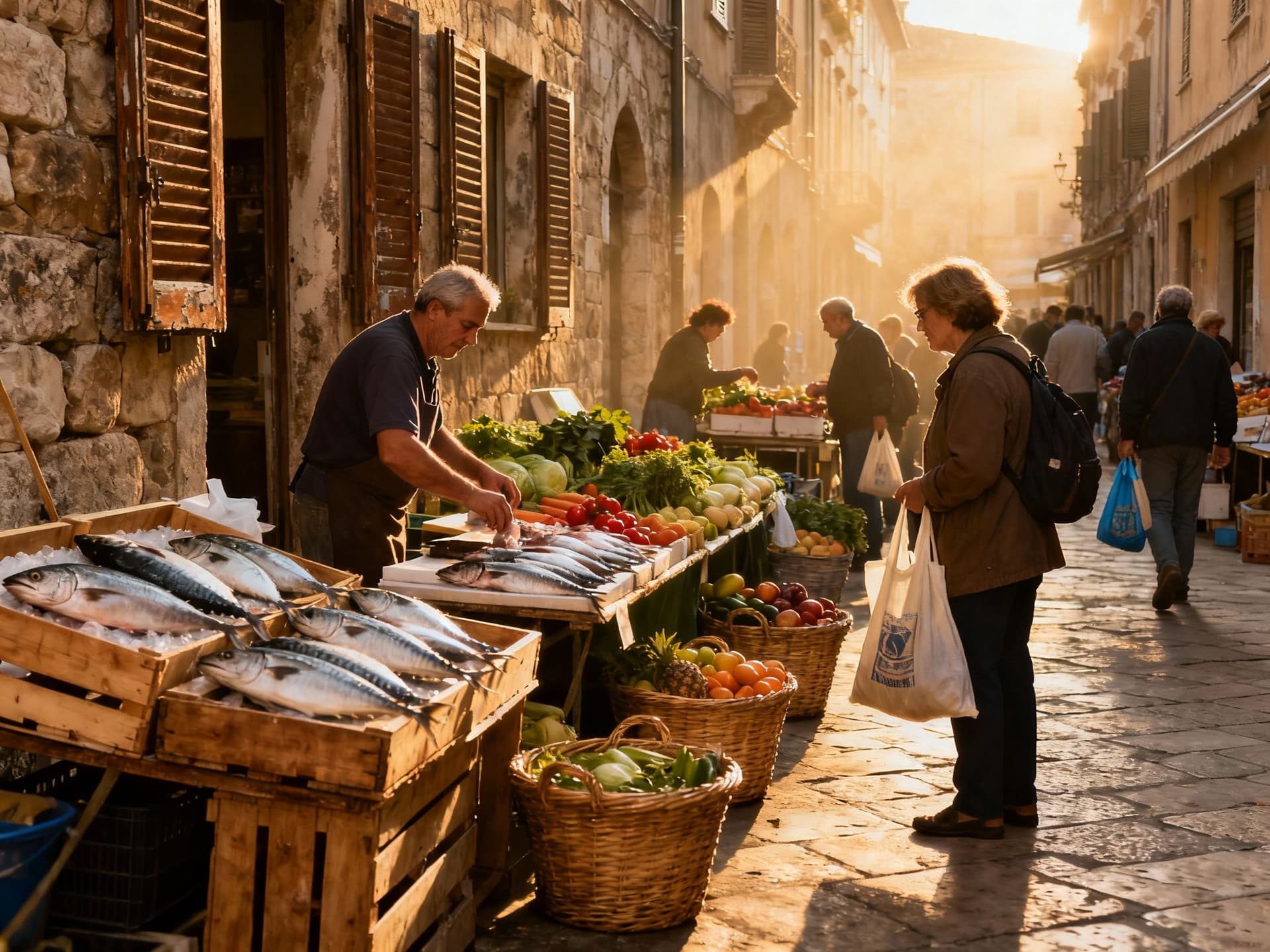
Weekends pivot around open markets — fish at Split’s Pazar, produce beneath Dubrovnik’s city walls, and olive oil tastings on islands. Cafés double as neighbourhood noticeboards where you’ll hear about renovations, local planning changes and sometimes unadvertised sales. That social intelligence often informs where and how properties change hands; local brokers who frequent these venues can spot opportunities, but their tips must be verified with hard records.
Making the move: practical considerations

The Croatian lifestyle is straightforward; the transaction process less so. EU/EEA/Swiss citizens generally face few barriers, while many non‑EU buyers require Ministry approval under the reciprocity principle. Land registry extracts, spatial plans and building permits are the documents that transform a promise into a secure title. Rely on official extracts rather than verbal assurances from sellers or agents.
Property types and what they mean for living there
Stone coastal houses tend to be heritage assets — atmospheric but often in need of renovation and subject to planning controls. New builds offer modern conveniences and clearer VAT/transfer‑tax treatment but can be priced for marina lifestyles. Rural plots and agricultural land have special rules and are often off‑limits to some buyers. Match the property type to how you want to live: year‑round, seasonal income, or renovation project.
- Practical steps to reduce registry and planning risk
1. Obtain the land‑registry extract ( zemljišna knjiga ) and verify encumbrances. 2. Check the local spatial/urban plan for development constraints. 3. Confirm building permits and use permits (uporabna dozvola) exist for each structure. 4. Where required, secure Ministry of Justice consent for non‑EU buyers before contract registration. 5. Insist on a notarised final contract and fast registration at the municipal court.
Insider knowledge: transparency signals and red flags
Prices on the Adriatic rose materially in recent years; official indices show notable gains across Zagreb, the coast and other regions. At the same time, policy responses — including proposals to shift tax burdens onto property and to curb short‑term letting — change the investment calculus for buyers who plan to rent. Read data trends alongside policy announcements to see whether growth is demand‑driven or policy‑induced.
Common red flags encountered by expats
- Seller claims of imminent permits without documentation
- Properties advertised off‑market with cash‑only pressure
- Unclear boundary lines on older island properties
- Incomplete or outdated land registry extracts
How to verify and escalate concerns
1. Get an independent land‑surveyor report and cadastral map. 2. Ask a Croatian lawyer to request a certified land‑registry extract from the municipal court. 3. If permits are disputed, request the local municipal planning office’s written statement. 4. Keep funds in escrow and tie final payment to registration confirmation.
Two policy facts shorten risk: Croatia’s euro adoption and Schengen integration in 2023 reduced currency and cross‑border friction for EU buyers; and official statistics show sustained price growth through 2025, which both protects and complicates value assumptions. Use those facts to temper optimism: good lifestyle choices don’t substitute for documented title and a conservative assessment of rental or resale demand.
Working with local experts who preserve lifestyle intent
Agencies should be partners in matching the lived experience you want with verifiable property status. Insist on agencies that provide recent land registry extracts, clear breakdowns of costs (transfer tax vs VAT), and references from prior international clients. A good lawyer and an experienced surveyor are non‑negotiable; together they translate the local language of markets and permits into a safe purchase.
- Checklist before signing: certified land registry extract, municipality planning confirmation, written seller warranty on encumbrances, notarised contract, escrow arrangement.
What expats wish they'd known
Many buyers arrive enchanted by Dubrovnik or a Dalmatian island and underestimate administrative lead times and seasonal cashflow variability. Non‑EU buyers often expect an automatic path to residency — it isn’t. Others assume coastal plots are freely purchasable — protected maritime domains and spatial plans disagree. These are not deal‑killers; they are factors to integrate in timing, budget and expectations.
A realistic timeline
1. Initial search and due‑diligence: 2–8 weeks. 2. Ministry consent (non‑EU, if required): 1–6 months. 3. Notarisation and registration: 2–6 weeks after consent. 4. Renovation or rental setup: variable (months to a year). Plan for administrative slack; island and municipal offices often add time.
Buying in Croatia means buying into a particular Mediterranean rhythm and a legal system that is modern but locally nuanced. The country’s EU integration and official statistics help reduce macro uncertainty, but transactional opacity lives at the municipal and cadastral level. Treat lifestyle attraction as the first step; verify everything that follows.
If you feel ready: start with a certified land‑registry extract for one property that makes you fall in love. Ask an English‑speaking Croatian lawyer to walk you through the file, request municipal plan confirmations, and set funds aside for contingency. The Adriatic rewards patience: a measured purchase protects both your lifestyle and your capital.
Norwegian market analyst who serves Nordic buyers with transparent pricing and risk assessment. Specializes in residency rules and tax implications.