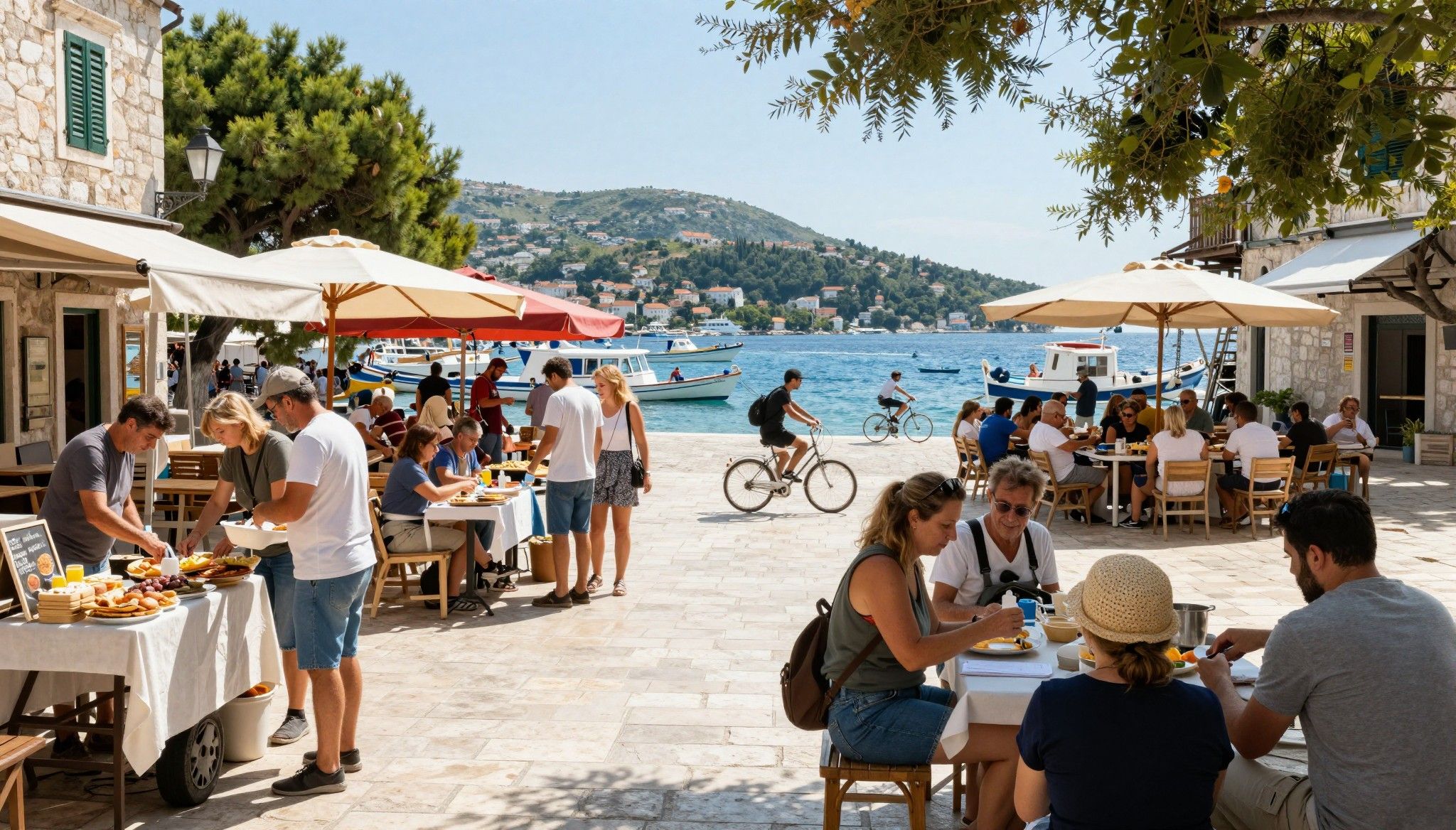
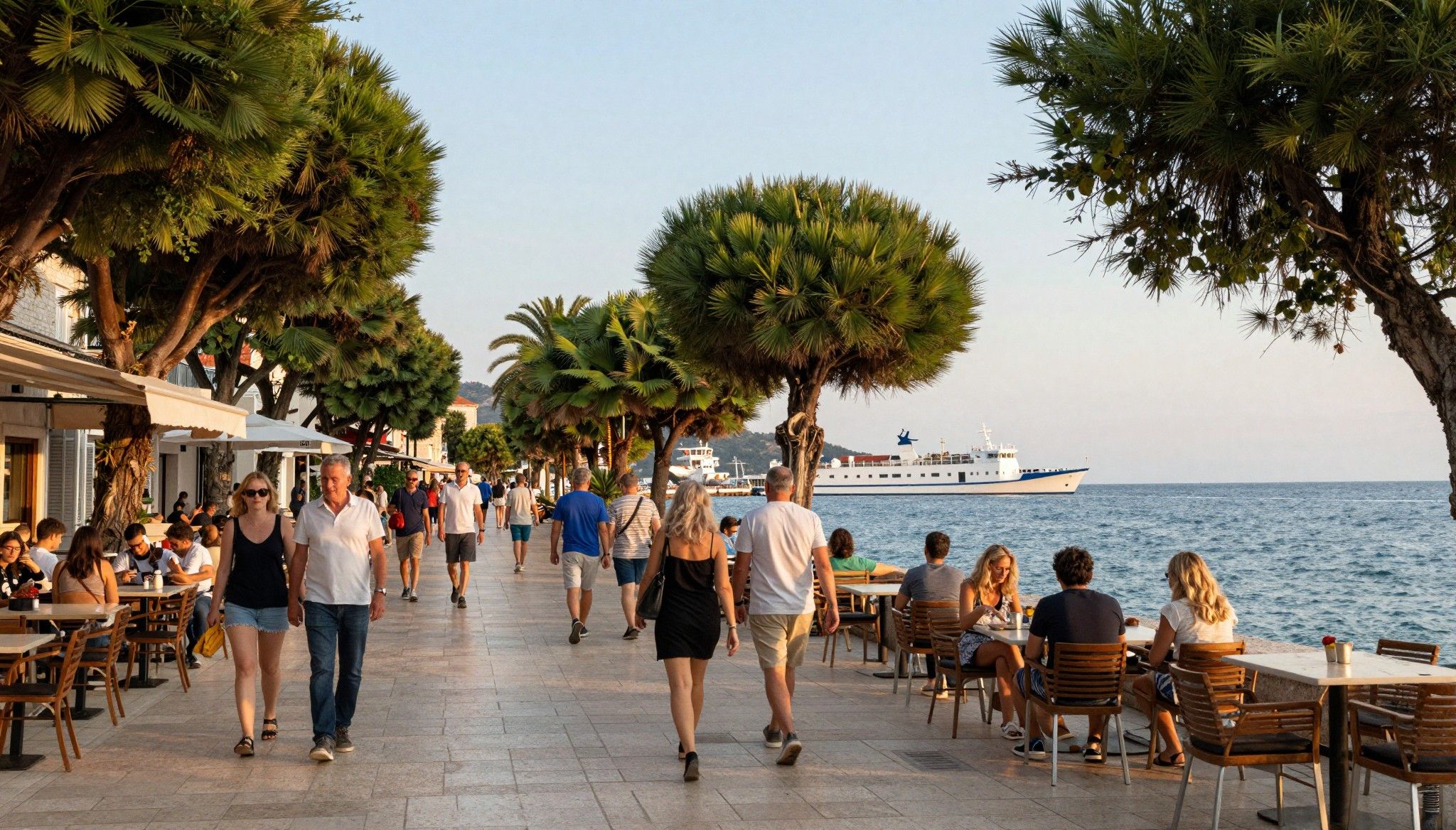
Croatia’s Coastal Appeal — Hidden Transparency Risks
Croatia’s Adriatic charm meets fast‑moving price growth; protect your lifestyle purchase by checking registers, rental history and municipal permits.
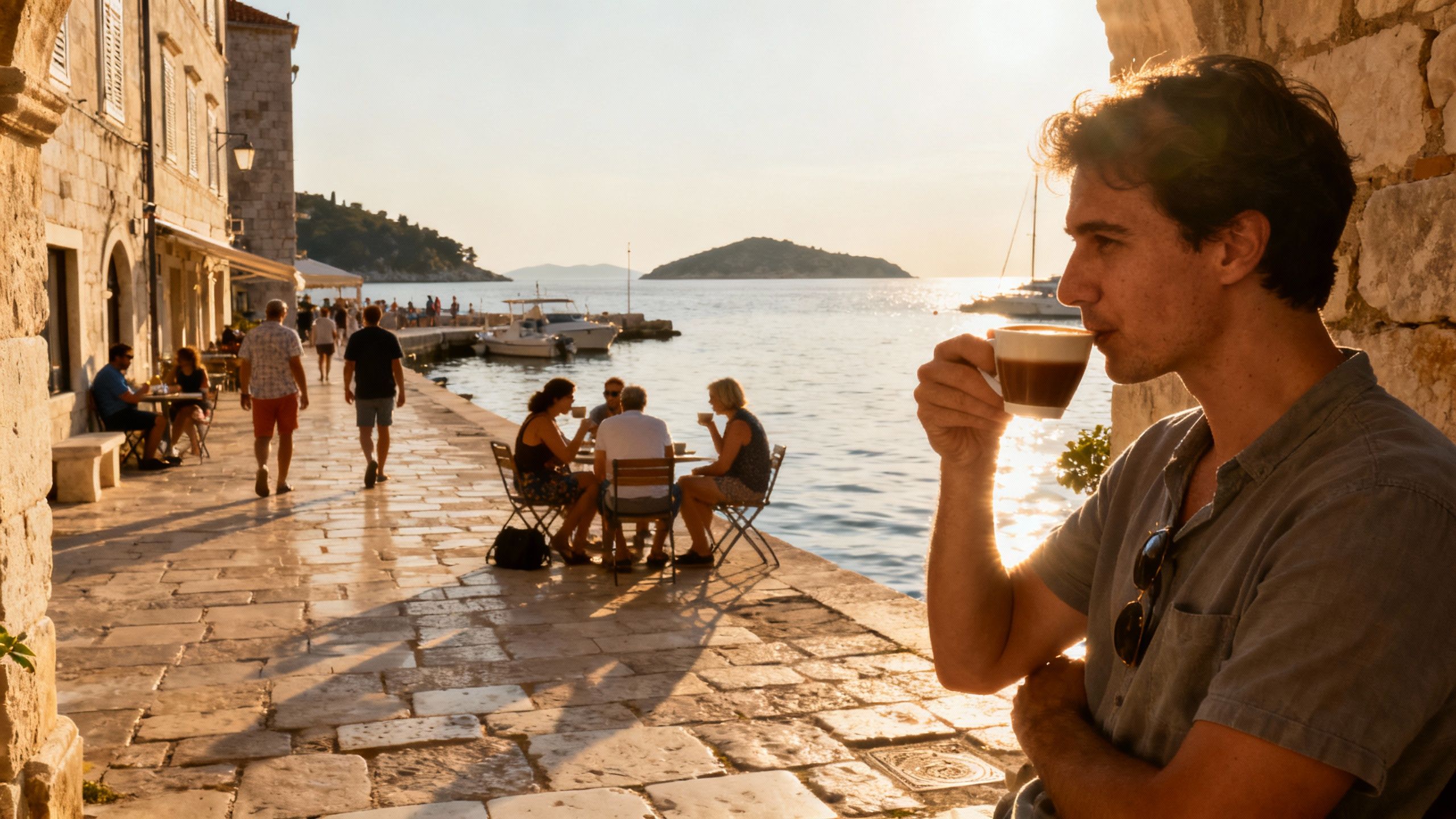
Imagine sipping espresso at Split’s Riva as ferries slip past. Picture morning markets in Varazdin where sellers call out produce, or an island cove near Vis that empties after August. Croatia feels immediate — the Adriatic, tight stone streets, neighbourhood cafés — but beneath that immediacy lie transparency gaps that change how you buy.
Living Croatia: what daily life actually feels like
Days in Croatia move between two rhythms: urban mornings and coastal afternoons. In Zagreb, you’ll find espresso bars and textbook urban routines; on the Adriatic, life slows into harbour-side lunches and late evening walks on stone promenades. That contrast matters for buyers — the same square metre buys different lifestyles, and the local rhythm affects rental demand, maintenance expectations and neighbour relations.
Neighbourhood spotlight: Old Town Dubrovnik and Split’s Veli Varos
Dubrovnik’s Old Town is cinematic — narrow lanes, historic stone façades and tourism-driven footfall that peaks seasonally. Veli Varos in Split offers a quieter counterpoint: terraced houses, local bakeries and a strong resident community. Choosing between them is not only a choice of architecture but of noise, service provision and resale liquidity.
Food, market life and the seasons that shape it
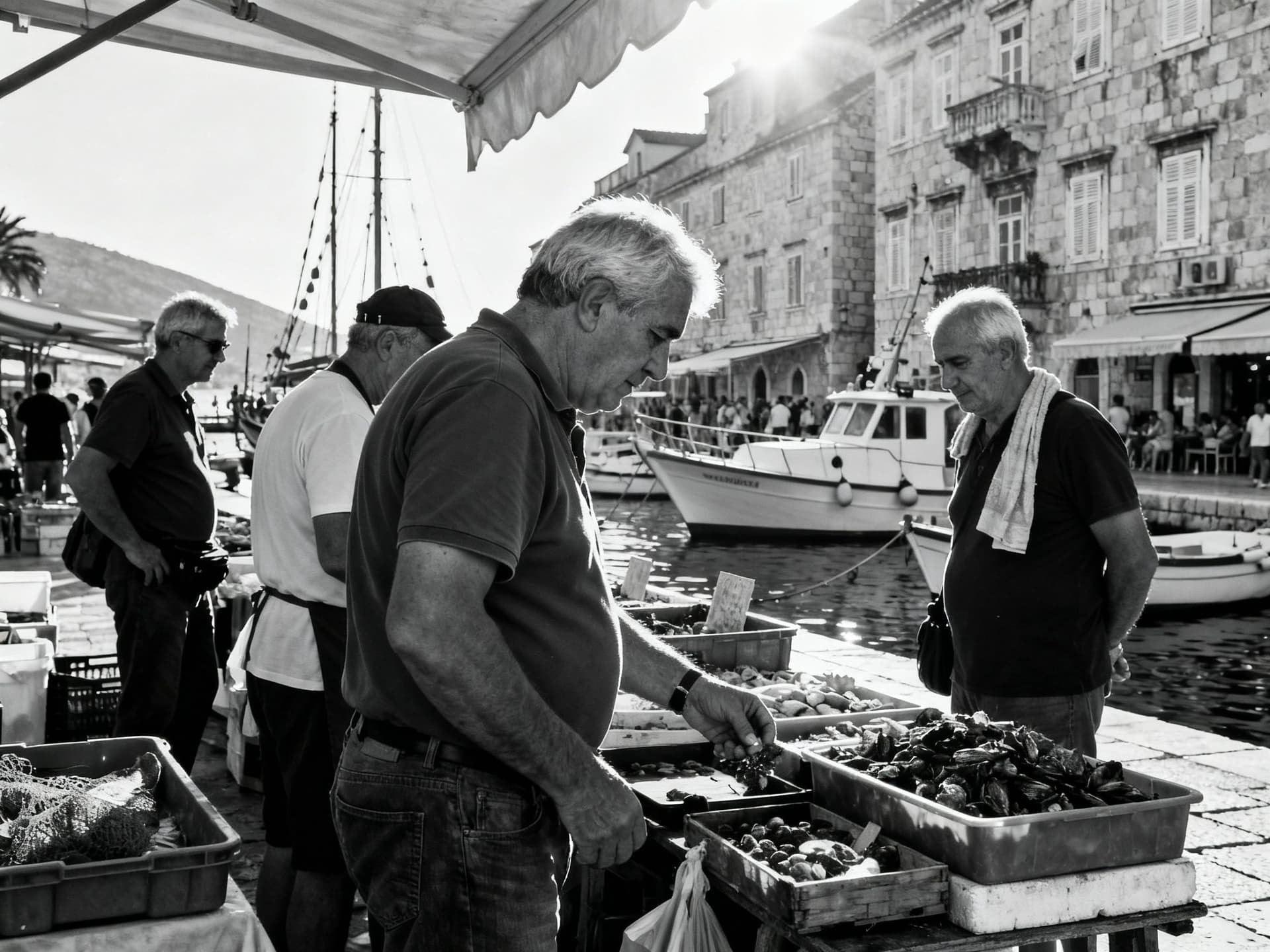
Weekends rotate around markets: Dolac in Zagreb, Ploče market in Split, and island fish markets at dawn. Summer festivals fill coastal towns; winter is local and quieter. Those cycles matter for buyers who plan short-term lets versus full-time living — occupancy and cashflow follow the calendar, and local rules are changing to reflect that reality.
Market signals and why transparency matters

Official data show strong price growth across Croatia — coastal and inland. At the same time, policy shifts (including new property taxation and measures on short-term rentals) are reshaping supply signals. For this reason, transparency — clear land records, open rental registries and reliable price indices — becomes the buyer’s chief defence.
Where opacity appears — registry, short‑term lets and local practice
Common transparency gaps are practical: mismatches between cadastral maps and actual boundaries, unclear historical servitudes, and informal rental usage not recorded in official registries. Local practice can tolerate these gaps; buyers arriving from other markets may underestimate the time, cost and negotiation needed to reconcile records before purchase.
Five local transparency checks to make now
Verify land registry (Zemljišna knjiga) entries against the cadastre. Check for any recorded servitudes or unregistered access lanes.
Request past utility bills and building permits to confirm permitted use and past renovations.
Confirm short‑term rental history with local municipality offices — what was declared and what was actually rented.
Ask for a recent extract from the land registry and a certified survey; insist on on‑site boundary checks.
Use local notaries and independent lawyers to reconcile seller statements with official documents; don’t accept agent summaries alone.
Making the move: property styles, agencies and lived reality
Architecture in Croatia is literal: coastal stone houses, post‑war apartment blocks, and modern developments inland. Your choice should reflect how you want to live — a restored Dalmatian stone home demands different maintenance and disclosure than a developer apartment in Rijeka.
How local experts protect the lifestyle you buy
Trusted local agents act as integrators: they line up certified surveys, local notaries, and builders who know municipal permitting. For buyers, the correct team shortens due diligence and surfaces hidden costs — back taxes, undocumented works, or communal maintenance obligations that affect living standards.
Engage a local notary and independent lawyer; obtain a land registry extract; commission a certified survey; check municipal planning certificates; secure a written statement on short‑term rental history.
Insider knowledge: what expats wish they’d known
Expat stories converge on two themes: lifestyle reward and administrative patience. People rave about coastal evenings and market mornings, but many under‑estimate timelines for registry clarifications and building permits. Knowing that patience is part of the purchase cost changes expectations and negotiation levers.
Cultural cues that change your search
Local sellers often price by comparables that include tourism demand and renovation potential. Sellers may assume buyer familiarity with municipal idiosyncrasies; they won’t always volunteer grievances. Ask direct questions about neighbours, seasonal nuisances and prior disputes — the answers matter as much as registry extracts.
Long‑term lifestyle risks and how to reduce them
Monitor official price indices against local asking prices and rental platforms to spot divergence.
Prefer properties with clear, certified documentation even if they cost a premium — ambiguity increases maintenance and legal risk.
Plan for seasonality in cashflow: coastal rentals spike in summer; long‑term demand matters for year‑round value.
Consider municipalities’ short‑term rental rules and evolving tax changes when modelling returns.
If you see inconsistencies, pause. Step 1: get a registry extract. Step 2: commission a survey. Step 3: secure legal sign‑off. Step 4: reprice or walk away.
Croatia offers a real, daily life — harbour cafés, island weekends, neighbourly markets — that few buyers regret. But that life depends on paperwork and local clarity. Treat transparency as part of the lifestyle transaction: the clearer the records, the truer the promise of living here.
Danish investment specialist who relocated to Costa del Sol in 2015. Focuses on data-driven market timing and long-term value for Danish buyers.